Uganda helicopter tours are priced per aircraft, not per seat: a short scenic flight starts at about US$1,500 for a five seat helicopter, a one way transfer from Kampala to Bwindi runs about US$6,900 to US$8,400, and a Murchison Falls day trip about US$6,600 to US$7,900. Most flights leave from Kajjansi Airfield near Kampala or Entebbe and are booked through a charter company or safari operator.
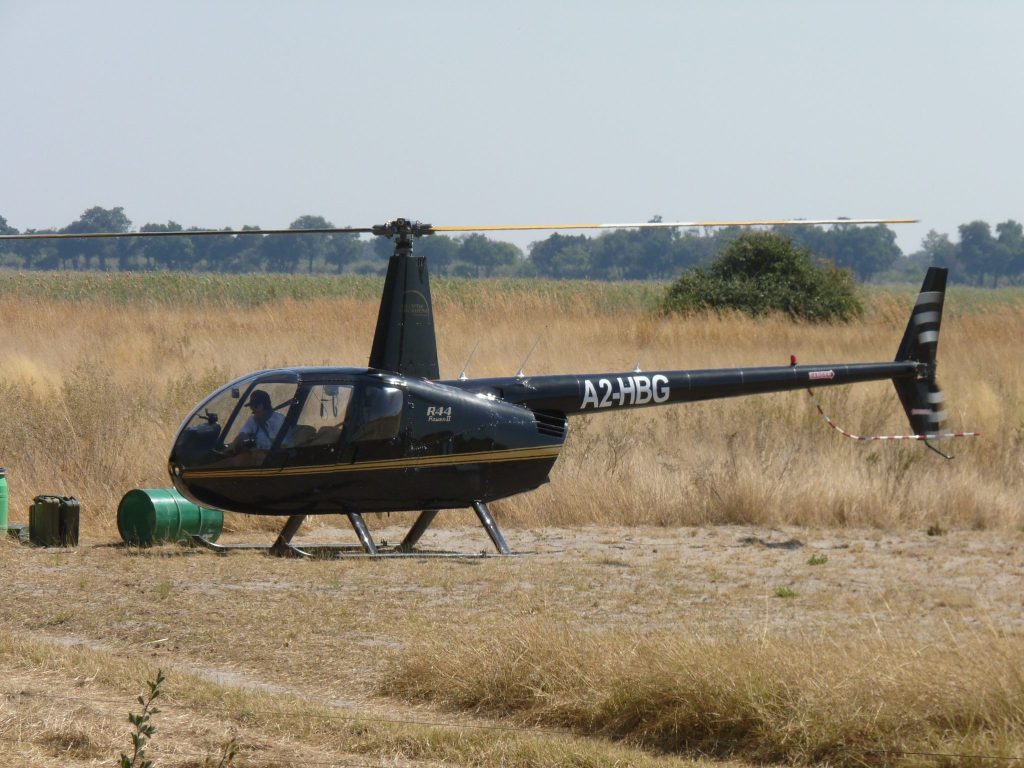
Uganda Helicopter Tour Prices: How Charter Rates Work
Every helicopter tour in Uganda is a private charter. You hire the whole aircraft and pilot, so the price is the same whether one seat is filled or five, and the cost per person falls with every friend you bring.
Very few operators put numbers online. The clearest published figures come from Kampala Executive Aviation (KEA), a Civil Aviation Authority licensed operator based at Kajjansi, whose online estimator shows its rack rates:
Two rules shape every quote. First, a one way transfer is priced close to a return, because the helicopter has to fly home empty: KEA’s estimator bills the flying time out and back, plus half an hour for start up and climb. Second, the clock covers flying, not sightseeing on the ground, which is why the same day wait is a separate line.
For the most common routes from Kajjansi, the AS350 estimates come out like this:
| Route from Kajjansi | Flying time | Per aircraft |
|---|---|---|
| Jinja, Nile | 35 min | US$2,200 to 2,700 |
| Murchison Falls | 1 h 25 | US$5,600 to 6,900 |
| Queen Elizabeth | 1 h 35 | US$6,300 to 7,700 |
| Kihihi, Bwindi north | 1 h 45 | US$6,900 to 8,400 |
| Kisoro, Bwindi south | 1 h 50 | US$7,300 to 8,900 |
| Kidepo Valley | 2 h 10 | US$8,500 to 10,400 |
Split five ways, a Murchison transfer is roughly US$1,100 to US$1,400 each. For a couple it is three times that. Other companies, including BAR Aviation at Kajjansi and the safari operators who resell charters, quote on request, so treat these as a benchmark to test a quote against rather than a fixed price list.
Popular Uganda Helicopter Tour Routes and Prices by Destination
Almost every Uganda helicopter tour is built from a handful of routes. Operators combine them into day trips or longer safaris, so it helps to know what each leg looks like and what it costs.
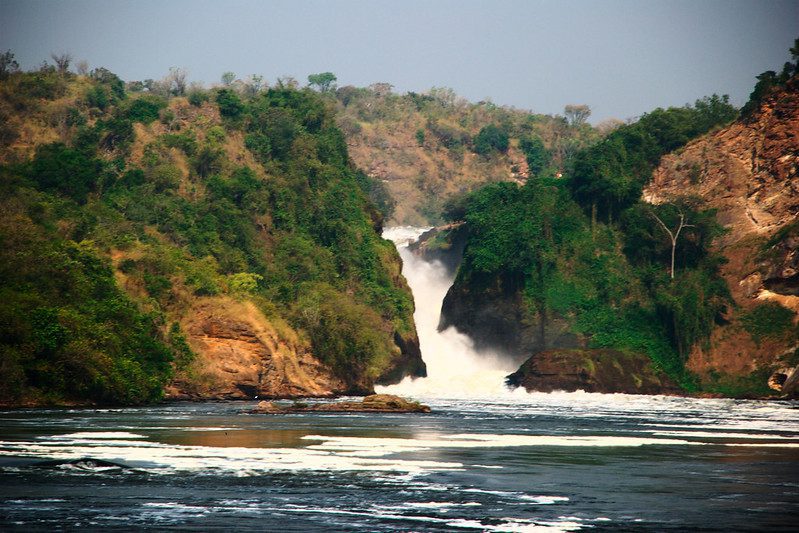
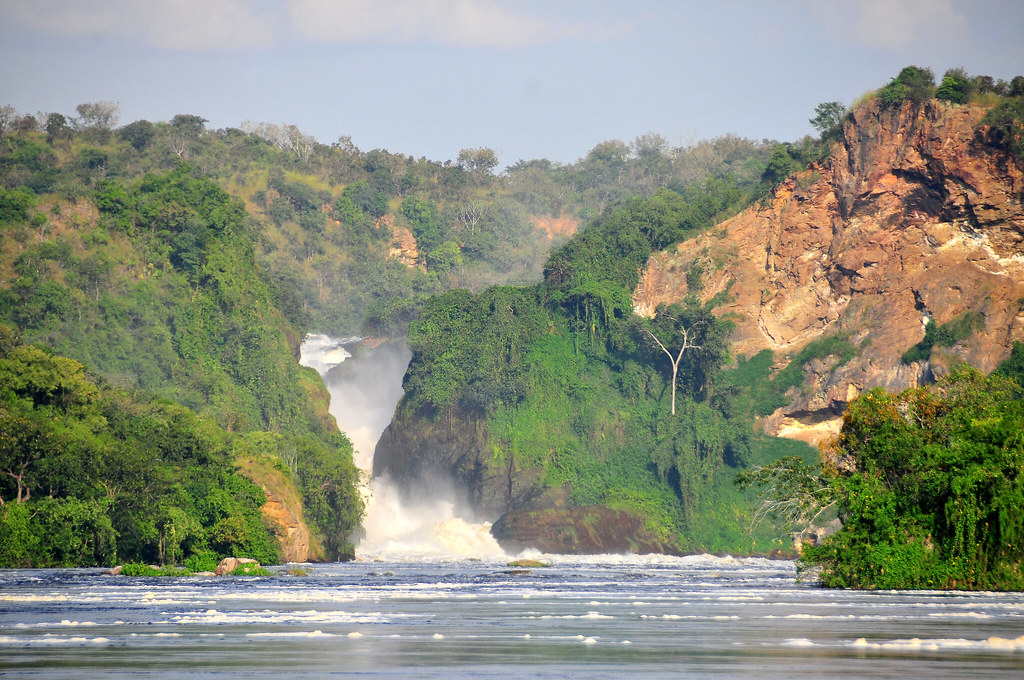
Murchison Falls helicopter tours are the flagship route. The Nile forces itself through a cleft about seven metres wide and drops some 43 metres, and from the air you see the whole river corridor: the falls, the spray, the papyrus channels down to Lake Albert and the open grassland of the northern sector where elephant, buffalo and Rothschild’s giraffe are commonly seen in the dry season. Murchison is also home to the luxury ELEVATE helicopter safari, a partnership of Nile Safari Lodge, Kampala Executive Aviation and NOVAM, whose day excursion lands for a bush breakfast and a game drive, visits the top of the falls and returns to Kajjansi after lunch at the lodge. ELEVATE quotes on request. For ground planning see this guide to planning a safari in Murchison Falls and other parks.
Queen Elizabeth aerial safaris cover a park of 1,978 square kilometres, with savanna, wetland, explosion craters and the Kazinga Channel linking Lakes Edward and George. In the south, the Ishasha sector is known for its tree climbing lions, which rest in fig trees on hot afternoons. Lion sightings from a helicopter are a matter of luck. Pilots keep their height over wildlife, and the lions are better found on an afternoon game drive, which costs a fraction of the flight. The Queen Elizabeth National Park safari guide covers the ground side.
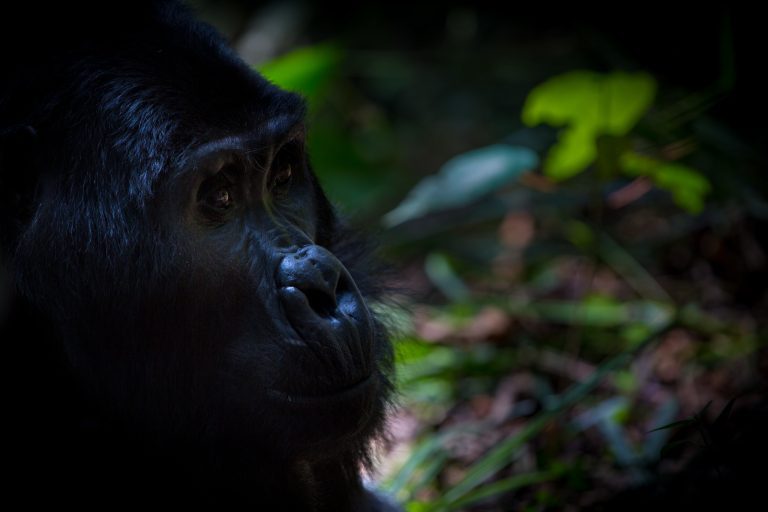
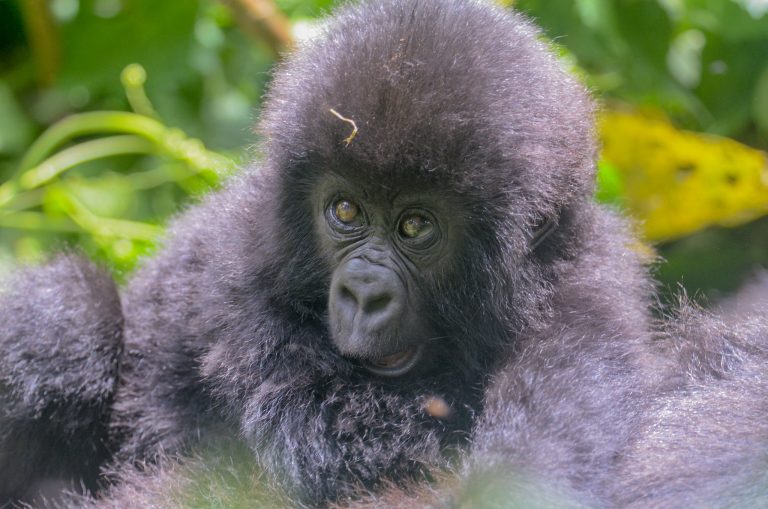
Bwindi helicopter access is about transfers rather than sightseeing over gorillas. Bwindi Impenetrable Forest holds close to half of the world’s mountain gorillas, and the 2018 census counted 459 of them, though results of the 2025 census are still awaited. The forest canopy from above is a sea of ridges and mist, and that view is worth having, yet gorilla groups are tracked on foot only. Aircraft do not hover over them.
Helicopter Transfers to Bwindi: Kihihi, Kisoro and Lodge Helipad Costs
This is the part most ranking guides skip, and it matters. Bwindi has four trekking sectors, and which one your gorilla permit is for decides where you should land and what the flight costs.
A helicopter transfer to Bwindi is not the same as a scheduled flight. Scheduled light aircraft, mainly Aerolink, fly daily from Entebbe to Kihihi and Kisoro in just over an hour, land only at airstrips and keep to a timetable. Aerolink publishes no fares online; operator fare tables have shown about US$280 one way to Kihihi and US$350 to Kisoro per seat, and recent quotes run higher, so ask for the current fare. Aerolink allows 15 kg of checked bags in soft luggage and charges US$3 for each extra kilo.
Set side by side, the gap is large. A couple flying scheduled to Kihihi and back pays roughly US$1,120 for two return seats; the same couple chartering a helicopter both ways pays US$13,800 or more. The helicopter makes sense for families or small groups filling the seats, for anyone very short on time, or when a lodge helipad saves a long drive from Kisoro. Our fly in gorilla safari guide covers the scheduled flights and fly in itineraries in full. For the shortest trip of all, see our guide to one day gorilla trekking in Uganda.
Time the flight for the day before your trek. Mist sits in the valleys around Bwindi on many mornings, helicopters fly in daylight only, and a weather hold of a few hours is normal. Arriving on the morning of the trek leaves no margin, and permits are not refunded because a flight was late. The full road and air options are on the getting to Bwindi page.
Types of Uganda Helicopter Tours and What Each Costs
Helicopter flights in Uganda fall into four broad types, and the right one depends on time, group size and how much of the trip you want in the air.
Short scenic flights last 15 to 45 minutes and focus on one area: Kampala and the lakeshore, a waterfall circuit at Murchison when you are already staying in the park, or the crater lakes. Most fall under a minimum charge, about US$1,500 for a five seat AS350 at KEA’s rates, so they suit a stopover day in Entebbe, a birthday or proposal, or anyone who wants to try a helicopter without committing a whole trip to it. Families and groups of friends who fill every seat get the best value at roughly US$300 each.
Day helicopter safaris go out and back in one day. The common pattern is Kajjansi to Murchison with a bush breakfast, a game drive, a stop at the top of the falls and lunch at a lodge, at about US$6,600 to US$7,900 for the aircraft including the wait, before park entry and the lodge lunch. Ground vehicles are positioned to meet the aircraft. More on combining these with other Uganda safaris that combine multiple destinations.
Multi day helicopter safaris keep one aircraft and pilot with the group for six to ten days. A typical circuit runs Kajjansi, Murchison, Kibale, Queen Elizabeth and Bwindi, with Kidepo added on longer versions, staying in high end safari lodges along the way. ELEVATE sells 6, 8 and 10 day versions that include lodges, meals with house drinks, gorilla and chimpanzee permits and park fees, priced on request. As a yardstick, that five leg circuit adds up to about 5.7 flying hours, or roughly US$12,500 at KEA’s AS350 rack rate, before standby days, pilot lodging and landing fees.
Custom charters cover everything else: filming, research, a wedding party, a one way hop to Kigali, a flight up to the Rwenzori for the view. Charters are priced by flying hours plus positioning, and an aircraft that has to fly empty to collect you adds to the bill. Cross border flights are quoted separately and need customs and immigration clearance at a designated airport. Filming inside protected areas needs separate permission from the Uganda Wildlife Authority and the Civil Aviation Authority.

Worked Total: A Helicopter Gorilla Trekking Trip for Four from Kampala
Here is how the money adds up on the most booked shape: four friends or a family flying from Kajjansi to Kihihi, two nights at a Buhoma lodge, one gorilla trek, and a helicopter back to Kajjansi. Every line is per person.
Swap the helicopter for scheduled seats at about US$280 each way and the same trip falls to roughly US$2,300 per person, so the helicopter adds about US$2,900 to US$3,700 each. For a couple filling only two seats, the helicopter legs double per head and the total climbs to about US$8,600 to US$10,300 each. In April, May or November the US$600 low season permit takes US$200 off, though those permits cannot be rescheduled if weather grounds you.
Planning Your Uganda Helicopter Tour: Seasons, Luggage and Booking Costs
Weather and season shape every helicopter trip in Uganda, and they shape the bill too, because a weather hold means waiting time and a missed slot can mean a new flight. The drier months, June to August and December to February, bring the steadiest flying and the clearest views, and they line up with the busiest gorilla trekking months. March to May and September to November are wetter. Flights still run, often with clear mornings and afternoon storms, but cancellations and reroutes are more common. Rwenzori glacier views need a clear morning in any month. The best time for gorilla trekking in Uganda covers the month by month picture.
Booking lead time. Day flights and transfers are usually fine with two to four weeks’ notice. A multi day helicopter safari in July, August or over Christmas needs three to six months, partly for the aircraft and partly because the lodges and gorilla permits sell out first. Uganda gorilla permits are now paid in full at booking, so the biggest fixed cost lands early.
Luggage and weight limits catch people out, and excess weight costs money on scheduled flights. Small aircraft are loaded by weight, so every passenger and bag is weighed at check in. Plan on about 15 kg per person including hand luggage, packed in a soft bag that can be squeezed into a baggage locker. Hard suitcases often do not fit. Lodges and safari companies can store extra bags in Entebbe or send them on by road. Heavier passengers should tell the operator when booking, since seat allocation depends on balance.
Packing for a flying gorilla trip is mostly about cutting down. Walking boots, rain jacket, long trousers and gardening gloves for the nettles still have to fit, so the gorilla trekking packing list and the guide to what to wear on safari are worth reading with the weight limit in mind.
On the day, you check in at Kajjansi or Entebbe with your passport, get weighed, and sit through a safety briefing of ten minutes or so covering seat belts, doors, headsets and how to walk up to the aircraft. Headsets let you talk to the pilot, who usually gives a running commentary. Seating is set by weight and balance rather than by preference.
Health and insurance. Anyone with a heart condition, recent surgery or bad motion sickness should check with a doctor first, and pregnant travellers should ask the operator about its policy. Travel insurance that covers charter flights and medical evacuation is sensible for any Uganda safari, and helicopter packages leave it out of the price.
Choosing a Uganda Helicopter Tour Operator: Aircraft, Seats and Quote Checks
There are two kinds of business behind helicopter tours in Uganda: the aviation companies that own and fly the aircraft, and the tour operators who package a flight with lodges, permits, guides and vehicles. Many travellers deal only with a safari company, which then charters the aircraft on their behalf and adds its own margin.
Aviation companies. Kampala Executive Aviation flies from Kajjansi under Uganda AOC 097, publishes the rack rates used on this page, and operates the flights for ELEVATE. BAR Aviation, also at Kajjansi, sells scenic flights and park charters but published no prices we could check. Kenya based Tropic Air sells a six night Uganda helicopter safari in an Airbus H130, linking Wild Waters on the Nile, Nile Safari Lodge, Ndali Lodge and Clouds. Aerolink runs the scheduled light aircraft network to park airstrips, the cheaper alternative for transfers.
Safari companies build the rest of the trip: they hold gorilla permits, book lodges and position vehicles to meet the aircraft. A good one will tell you honestly when a scheduled flight plus a drive is the better choice. This site does not sell flights, but the licensed companies listed at the end of this guide are a starting point.
Aircraft types and what they mean for the price. The common machines in Uganda are light turbine helicopters, and seats decide the cost per head.
Questions worth asking any operator: is the aircraft licensed by the Uganda Civil Aviation Authority for commercial passenger work, how experienced is the pilot on the route, what happens if weather cancels the flight, is the price per aircraft or per person, does it include positioning, waiting time, landing fees, ground transfers and park entry, and is it a firm quote or an estimate.
Hidden Costs on a Uganda Helicopter Safari: Permits, Fees, Visas and Tips
The helicopter quote is rarely the whole bill. Charter packages from Kajjansi typically leave out drinks, tips, travel insurance, meals, visas, airport taxes and airport transfers, and the lines below sit on top.
Packages such as ELEVATE fold permits, park fees, meals and house drinks into one price and leave out international flights, insurance and gratuities. Compare like with like before you decide which quote is cheaper.
Combining Helicopter Tours with Gorilla Trekking and Other Uganda Safaris
Gorilla trekking with helicopter access is the most common reason travellers book a helicopter in Uganda. The flight replaces a long road day, and on a short trip that can mean an extra day in the forest or a second trek, which at US$800 a permit may be a better use of money than a scenic loop. The trek itself is unchanged: an early briefing at the sector headquarters, a hike that can take anything from under an hour to most of a day, and one hour with a habituated family. In Uganda visitors keep at least 10 metres from the gorillas, under Uganda Wildlife Authority rules. Read the full Uganda gorilla trekking guide before booking, and if you want four hours with a semi habituated group, the gorilla habituation experience runs in the southern sectors. The full permit and package breakdown is on our gorilla trekking cost page.
The usual helicopter itinerary flies into Bwindi the afternoon before the trek, treks the next morning, and either flies out the following day or continues by air to Queen Elizabeth or Kibale for chimpanzee trekking. Those short hops between parks cost far less than flights from Kajjansi, since Queen Elizabeth to Bwindi is well under an hour. The helicopter can also cross the border: Bwindi and Volcanoes National Park are close enough that some travellers combine Uganda with Rwanda gorilla trekking, where a permit costs US$1,500, or US$1,050 under the RDB 30% offer from November to May when you add nights in Nyungwe or Akagera. Cross border flights are quoted separately and need customs and immigration clearance at a designated airport.
Adventure and culture. Charters can drop you near the Nile at Jinja for white water rafting, about 35 minutes and US$2,200 to US$2,700 for the aircraft from Kajjansi, reach remote crater lake hikes, or link a community visit near Bwindi with an afternoon flight out. Helicopters suit honeymoon packages combining helicopter tours with high end lodges, and families who would rather not spend two days in a vehicle.
Across East and Southern Africa. Uganda’s gorillas pair well with the rest of the continent’s air safaris. Many travellers fly on to Kenya for a Masai Mara safari during the migration, to Tanzania for the Serengeti, or to Botswana for scenic flights over the Okavango Delta. A gorilla trek followed by a migration safari is one of the most popular combinations in East Africa, and light aircraft and helicopter links make it workable in ten to fourteen days.
What Makes Uganda Helicopter Tours Special? Wildlife and Scenic Highlights from Above
Uganda is a small country with a lot packed into it. Snow on the Rwenzori, crater lakes around Fort Portal, the Nile squeezing through a gap at Murchison, open savanna in Queen Elizabeth and the steep forested ridges of Bwindi all sit within a few hundred kilometres of each other. A helicopter safari lets you cross that ground in hours rather than days, and see how it fits together from the air. Departure times move to suit you, a picnic stop can go somewhere no vehicle reaches, and the pilot can take a longer line over the falls if the light is good. Set against that, everything depends on the weather and the pilot has the final say, which is how it should be.
From the air you see the Nile braiding below Karuma, the line where forest meets savanna, and the steep, crumpled ridges that give Bwindi its name. Wildlife shows up best on open ground: elephant herds and buffalo in Murchison’s northern sector, hippos crowding the Kazinga Channel, Uganda kob on the Queen Elizabeth plains. Sightings depend on season and flight height, and pilots keep a respectful distance from animals. The crater lakes differ in colour from one to the next, which shows clearly from above, while the Rwenzori Mountains are often wrapped in cloud, so glacier views are a bonus rather than something to plan around.
What a helicopter does not do is replace the ground experience. Gorillas are seen on foot, chimps are tracked on foot, and most of the wildlife you photograph will still be from a vehicle or a boat. For photography from the aircraft, a mid range zoom of roughly 24 to 105 mm does most of the work, fast shutter speeds cut vibration, a polarising filter fights glare off the lakes, and a rubber lens hood pressed lightly to the window reduces reflections. Wear dark clothing so you do not reflect in the glass, and ask in advance if a doors off flight is possible, since not every operator allows it. Drones need permits in Uganda. For kit advice see the guide to safari cameras and binoculars.
Uganda Helicopter Tours: Frequently Asked Questions
How much do helicopter tours usually cost in Uganda?
Charter helicopters are billed by the hour for the whole aircraft. Kampala Executive Aviation’s published rack rate is US$2,200 per flying hour for a five seat AS350, with a US$1,500 minimum, so a short scenic flight costs about US$1,500 for the aircraft, or roughly US$300 each with five aboard. A Bell 412 for up to 13 people is US$4,500 an hour. Confirm whether a quote includes positioning, waiting time, landing fees and taxes.
How much do helicopter trips to Bwindi or Murchison cost?
On KEA’s estimates, a one way helicopter transfer from Kajjansi costs about US$6,900 to US$8,400 to Kihihi for northern Bwindi, US$7,300 to US$8,900 to Kisoro for southern Bwindi, and US$5,600 to US$6,900 to Murchison, per aircraft of up to five. A Murchison day trip with the aircraft waiting runs about US$6,600 to US$7,900.
How much does a trip to Uganda cost?
Without a helicopter, a three day gorilla trip runs from about US$1,200 per person on a shared budget tour to about US$2,100 at a comfortable Bwindi lodge, before international flights. Adding helicopter transfers for a group of four lifts the same trip to about US$5,200 to US$5,900 per person. Our gorilla trekking cost guide breaks the ground trip down line by line.
How risky is a helicopter tour in Uganda?
Licensed operators fly under Uganda Civil Aviation Authority rules, in daylight only, and cancel or reroute when the weather is poor. The main risks are weather and choosing an unlicensed operator. Choose an established company, ask to see its air operator certificate, ask about the pilot’s experience on your route, and follow the safety briefing. Travel insurance that covers charter flights is sensible.
How long is the helicopter flight from Entebbe to Bwindi?
About 1 hour 30 to 1 hour 45 to Kihihi or a lodge helipad in good weather, compared with 8 to 10 hours by road. Scheduled light aircraft take just over an hour to Kihihi or Kisoro but then need a road transfer to the lodge.
Is a helicopter worth it for gorilla trekking in Uganda?
It is worth it if you are short on time, travelling as a family or small group that can share the aircraft, or staying at a lodge with its own helipad. For a couple on a budget, a scheduled flight to Kihihi or Kisoro at about US$280 to US$350 a seat plus a drive gives most of the time saving for a fraction of the cost. The trek is the same whichever way you arrive.
What does a gorilla permit cost on top of the flight?
Gorilla permits are never included in a charter price. The current Uganda Wildlife Authority rate is US$800 for foreign nonresident visitors, US$700 for foreign residents and UGX 300,000 for East African citizens, with a US$600 low season rate for April, May and November. The habituation experience is sold at US$1,500, with a rise to US$1,800 announced. In Rwanda a permit is US$1,500.
What is the luggage limit on helicopter safaris in Uganda?
Plan on about 15 kg per person including hand luggage, in a soft bag. Some operators allow more on a private charter if seats are empty, and all passengers are weighed at check in. Extra bags can be stored in Entebbe or sent by road.
Can children fly on a helicopter tour?
Yes. Children usually fly on the same seat basis as adults, and very young children may need to sit on a parent’s lap only where the operator allows it. Note that gorilla trekking itself has a minimum age of 15, so younger children stay at the lodge on trek day.
What happens if bad weather cancels my helicopter flight?
The pilot decides on the day. Most operators reschedule for later the same day or the next morning, or switch to a road transfer. Ask in advance whether a weather delay adds waiting charges. This is why the flight into Bwindi should land the day before your trek, not the same morning.