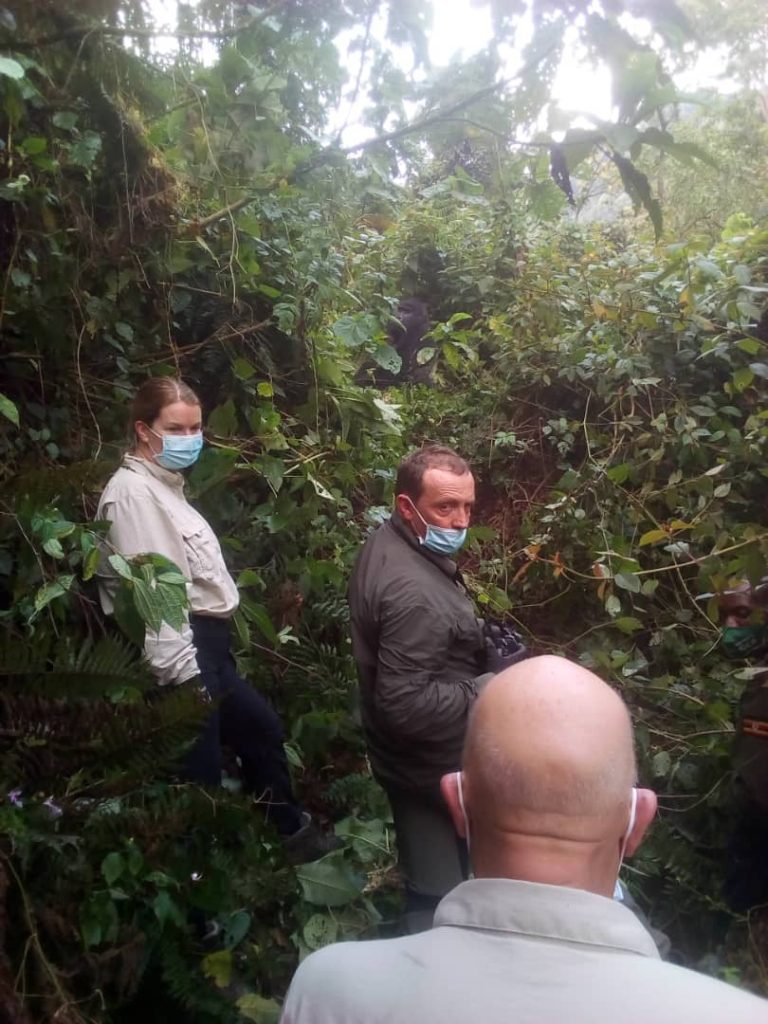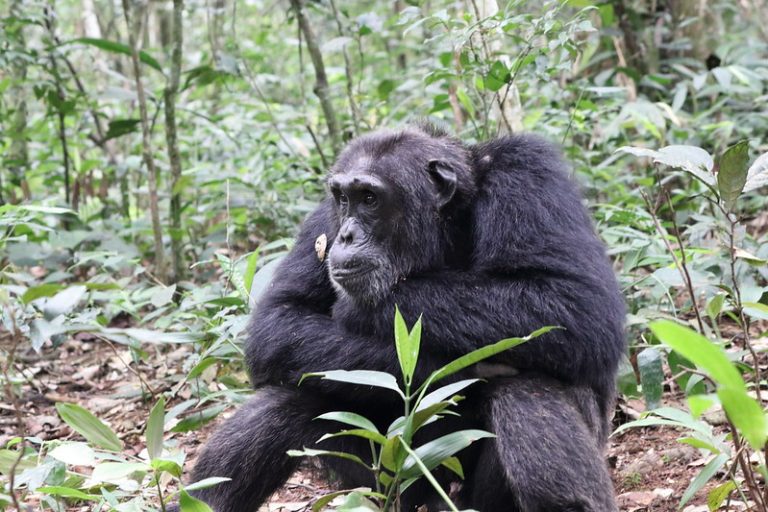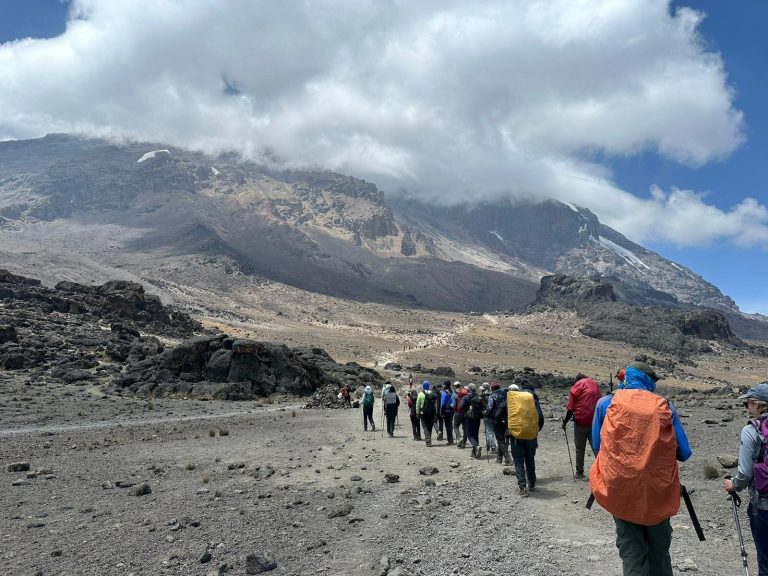
A Rwanda gorilla trekking packing list comes down to waterproof boots, gaiters, gardening gloves, a rain shell, two litres of water and one item a Uganda list can skip: a proper warm layer. Most visitors reach Volcanoes National Park by road from Kigali for a 7am briefing at Kinigi. The park climbs from about 2,400 metres to 4,507 on Karisimbi, through bamboo and nettle thickets, so this gorilla trekking safari starts cold and wet.
This page covers what Rwanda changes. The base list that applies anywhere gorillas live sits in the main gorilla trekking packing list, and travellers crossing into Bwindi should read the Uganda gorilla trekking packing list alongside this one.
What Makes a Rwanda Gorilla Trekking Packing List Different
Altitude explains most of it. The rest is paperwork and plastic.
Volcanoes National Park sits on the Rwandan side of the Virunga Massif, five dormant volcanoes strung along the border with Uganda and Congo. The habituated gorilla families range across slopes from the park boundary at roughly 2,400 metres up toward 4,000, which puts the starting line of a Rwanda gorilla trek several hundred metres above the highest point of Bwindi. Someone who packed for equatorial Africa often finds that out standing in the mist at Kinigi at seven in the morning.
Thinner air makes each step on a slope a little harder, too. A climb that feels routine at lower altitude leaves people breathing heavily here, which argues for carrying less and for hiring a porter.
Then come the Rwanda specific details. Polythene bags are banned and taken off you at Kigali International Airport, a yellow fever certificate is checked for arrivals from Uganda and other endemic countries, and the trek day is built around a fixed briefing at Kinigi park headquarters. Many visitors also add golden monkey tracking or a volcano hike, and those need slightly different kit. Every section below follows from one of these.
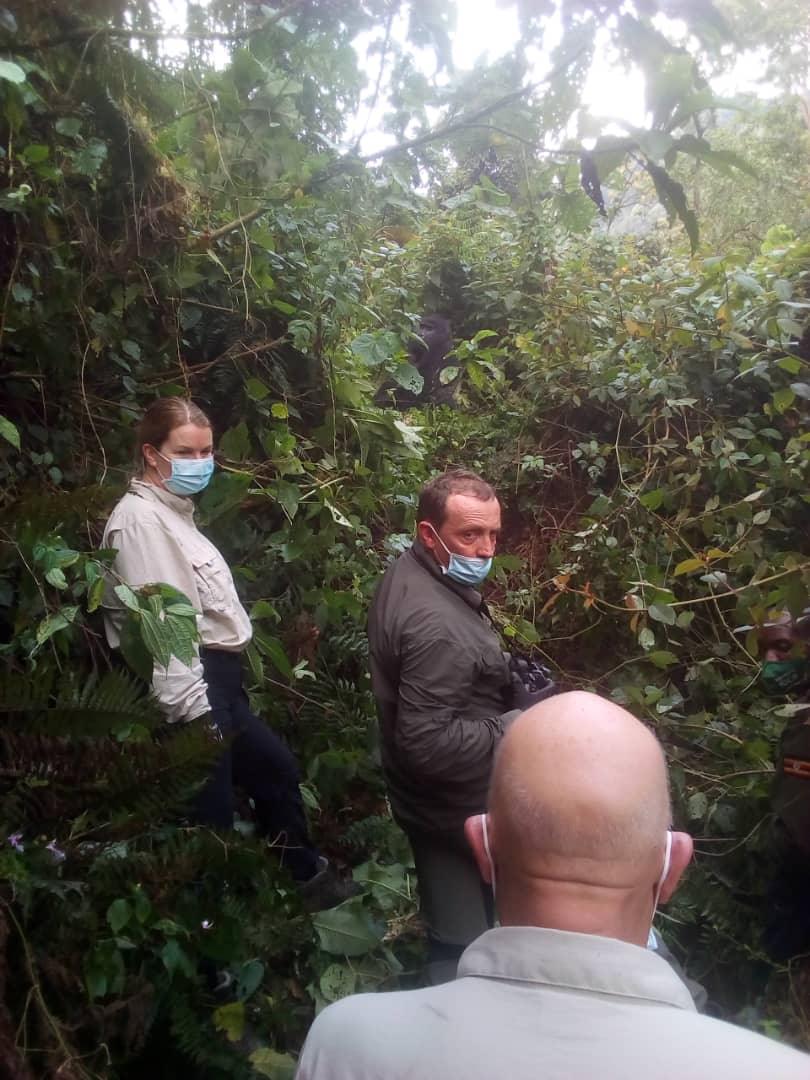
Must Carry and Optional Items for a Rwanda Gorilla Trek
If you only read one part of this Rwanda gorilla trekking packing list, read this table. It sorts the trek day kit into what you cannot do without in Volcanoes National Park, what makes the day easier and what is a matter of taste.
| Item | Need | Why |
|---|---|---|
| Waterproof boots | Must carry | Volcanic mud |
| Long trousers | Must carry | Nettles, ants |
| Long sleeves | Must carry | Nettles |
| Fleece | Must carry | Cold at Kinigi |
| Rain jacket | Must carry | Rain any month |
| Gardening gloves | Must carry | Grip, stings |
| Two litres water | Must carry | Altitude |
| Two face masks | Must carry | Park rule |
| Passport, permit | Must carry | Checked daily |
| Gaiters | Strongly advised | Mud, ants |
| Porter | Strongly advised | Steep steps |
| Rain trousers | Wet months | Long rains |
| Trekking poles | Optional | Sticks given |
| Binoculars | Optional | Golden monkeys |
The fleece is the line a Uganda list would mark optional. Here it moves up, because altitude sets the temperature at the briefing, not the season.
Warm Layers for the Kinigi Briefing and High Altitude Trekking
This is the item first time visitors forget most often.
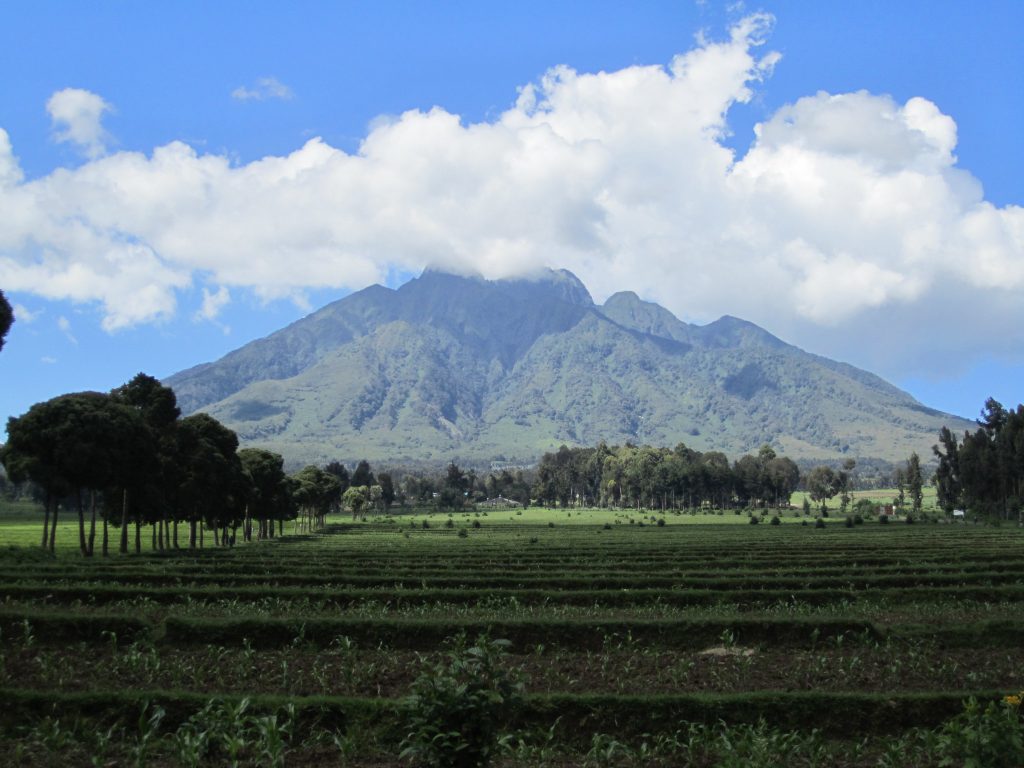
Lodges around Kinigi and Musanze send guests off around 6am, and you report to park headquarters by about 7am. The briefing, the group allocation and the drive to your trailhead keep you outdoors and mostly still for the better part of an hour, at altitude, frequently in drizzle. Morning temperatures near the park sit around 10C to 14C and feel colder in wet air.
A light packable fleece under your rain shell solves the problem. Within an hour of climbing it goes into the pack, because the effort heats you quickly, so choose one that compresses small. Under it, a lightweight merino or synthetic base layer handles sweat far better than cotton, which stays wet all day in a montane forest.
Evenings bring the cold back. Lodges light fires and slip hot water bottles into beds, which tells you what to expect after dark, so plan a second warm layer for the lodge rather than wearing the muddy trekking one to dinner. A packable insulated jacket doubles for this and for any volcano summit you add. Something in the class of the Patagonia Nano Puff packs into its own pocket and weighs little in the daypack.
Rain Gear for Gorilla Trekking in the Virunga Volcanoes
Rain falls in every month here. The dry seasons are drier, not dry.
A breathable, hooded waterproof hiking rain jacket is the one item you cannot skip on any gorilla trekking tour in Rwanda. It blocks wind at the briefing and rain on the slope, and the hood keeps drips off your neck when the guides cut a path through wet bamboo. The Marmot PreCip Eco is a widely sold shell in this class that packs small. Ponchos work at a pinch, though they snag on vegetation and flap in the wind on open ridges. The guide to rain jackets for gorilla trekking sets out what to look for in fabric and fit.
In March to May and October to November, add waterproof overtrousers with side zips, which go on over boots without a struggle. Outside the rains they can usually stay in the vehicle.
A pack cover or a waterproof daypack keeps everything else dry. More on that below.
Clothing for Bamboo and Nettle Trails on a Rwanda Gorilla Trek
Long sleeves, long trousers, muted colours. Every guide at Kinigi says the same thing, and for good reason.
Stinging nettles grow thickly along the trails in Volcanoes, often shoulder high, and they sting through thin fabric. Bamboo stems and thorny vines add scratches, and safari ants find any gap at the ankle. Long-sleeved quick-dry hiking tops in a tighter weave turn most of that away, and lightweight quick-dry hiking trousers do the same below the waist. Jeans are a poor choice. They soak up water, chafe on the climb and never dry overnight.
Can you wear blue in Rwanda? Yes. Nobody will stop you, and a mid blue shirt in the forest is no problem. The reason guides steer people away from dark blue and black is tsetse flies, which are drawn to those colours in the lower, warmer parks such as Akagera, not on the cool slopes of the Virungas. If your trip adds a savanna leg, keep the navy for Kigali.
Olive, khaki, brown and grey are the safe colours. Bright clothing stands out in the forest, and black and dark blue tend to attract biting flies. Leave military style camouflage at home as well, since Uganda restricts it and plain neutral clothing avoids any questions on a cross border trip.
Women often ask about leggings. Thick hiking leggings work, tucked into tall socks with gaiters on top, though thin yoga fabric lets nettles sting straight through. Thicker hiking leggings with pockets are the better version of the idea. A supportive sports bra helps on the steep sections, and anyone with a period on trek day should carry spare products and an opaque bag to pack used ones out. Men tend to bring too many shirts and too few socks.
Gloves come next. You will grab bamboo, roots and vines to haul yourself up muddy steps, sometimes without seeing what you grab, so thorn-resistant gardening gloves with coated palms are worth the space. Trip reports from Volcanoes mention them more than almost any other item. Reasons and alternatives are in the guide to gloves for gorilla trekking, and the full outfit is laid out in what to wear for gorilla trekking.
A brimmed hat earns its place on sunny dry season days at altitude, where the equatorial sun burns faster than the cool air suggests. Sunglasses come off near the gorillas, as do hats with wide brims if a guide asks.
Away from the park, Kigali dresses smartly and casually, while rural Rwanda leans modest. Knee length shorts or skirts and covered shoulders are a sensible default in villages around Musanze.
Boots, Socks and Gaiters for Volcanoes National Park Trekking
Boots are the one item nobody at Kinigi can lend you. Bring broken in, waterproof, ankle high boots with a deep lug.
The ground differs a little from Bwindi. Volcanic soil turns slick and dark in the rains rather than heavy and red, and the bamboo zone hides cut stems underfoot that can jab a thin sole. A stiffer midsole helps, as does a proper toe bumper. Waterproof mid-cut hiking boots from makers such as Salomon, Merrell or Lowa are the right category. The Merrell Moab Mid GTX is a common mid range choice that needs little breaking in, and the Salomon Quest 4 GTX gives more ankle support for Bisoke or a long trek. Trail runners lose grip and fill with water the first time you sink into a muddy patch. Sizing and break in advice is in the guide to gorilla trekking boots.
Socks matter more than people expect. Guides will ask you to tuck your trousers into them before you set off, which stops ants climbing up your legs, so pack tall cushioned merino hiking socks and at least one dry pair for the vehicle.
Gaiters do the rest. They seal the boot collar against mud and water, cover the trouser hem from nettles and stop ants at the ankle. Knee high waterproof hiking gaiters suit the rains best. The guide to gorilla trekking gaiters covers fit and height.
Gaiter and Porter Hire at Kinigi Park Headquarters
Rwanda makes hiring easy, which changes what you have to carry from home.
Many lodges near Kinigi and Musanze lend gaiters, ponchos, gardening gloves and walking sticks to their guests, and gaiters can also be hired around the park. Stock and sizes are not guaranteed, though, so ask your lodge before you arrive. If you have big feet or travel in the rains, your own pair is the safer bet. The page on renting gorilla trekking gear compares hiring against buying.
Walking sticks are handed out free at the trailhead. Take one. On a steep descent in wet volcanic mud, a third point of contact is the difference between a slide and a sit down.
Porters wait at the start of each trail, hired through the park on the morning of your trek. They carry your daypack, steady you on bad sections and pull you up the steeper steps, and the fee goes to people from the communities around the park. Trip reports from Volcanoes are close to unanimous that a porter is worth it, including from fit trekkers who planned to manage alone. Bring small notes for the fee and a tip, as covered in the FAQ.
Daypack Contents for a Rwanda Gorilla Trekking Day
A 20 to 30 litre pack is the right size. Treks commonly run three to five hours in total, though a family that moved overnight can stretch that toward seven or more, and you cannot predict which you will get.
Look for a 25 litre hiking daypack with a rain cover, a padded hip belt and side pockets you can reach without taking it off. The guide to daypacks for gorilla trekking has the detail.
Camera and Electronics for a Rwanda Gorilla Safari
Flash photography is banned near the gorillas, so turn it off before you leave the vehicle. The hour with a family passes quickly, and fumbling with settings wastes it.
Light under the canopy is dim and green, and the gorillas are dark, which pushes cameras toward high ISO. A mid range zoom covers most moments at the minimum seven metre distance, and gorillas often close that gap themselves. Spare batteries and memory cards travel in a roll top dry bag inside the pack. Lodges in the area charge devices, but a compact portable charger covers a long day and the road back to Kigali.
Binoculars are optional for the gorillas. Birders will want them on the walk in and in the bamboo, and for golden monkeys high in the canopy. Lens and binocular choices are in the guide to cameras and binoculars for safari.
Plastic Bag Ban: Packing Your Bags for Rwanda Safaris
Rwanda has banned polythene carrier bags by law since 2008, and the ban is enforced at the point of entry. Signs at Kigali International Airport warn arriving passengers, and plastic bags found in luggage are confiscated there and at land borders. Duty free carriers are taken too.
That breaks a habit most travellers have without thinking about it: wrapping wet clothes, muddy boots or toiletries in a supermarket carrier. Swap them for the roll-top dry bags and waterproof stuff sacks you will want on the trail anyway, plus a waterproof boot bag for the muddy pair on the road back.
Reusable zip top bags and cosmetic pouches sit in a grey area. Travellers report them passing without trouble more often than not, especially reusable ones that are clearly not shopping bags, but nobody can promise how a given officer will read them. Dry bags remove the question. Vapes and electronic cigarettes are also confiscated on arrival in Rwanda, which surprises a few people each season.
What to Leave Out of Your Rwanda Gorilla Trekking Bag
Some things cause trouble at the border, and others simply waste space in the daypack.
Can you wear flip flops in Rwanda? Around the lodge, at Lake Kivu and in a hotel in Kigali, yes, and a light pair of sandals or flip flops is welcome after a day in wet boots. Kigali dresses neatly, so smarter sandals suit restaurants better. On the trek itself they are out of the question: rangers expect closed boots, and the nettles and mud would make you regret trying.
Health Kit and Yellow Fever Rules for Rwanda Gorilla Trips
Rwanda’s Ministry of Health requires a valid yellow fever vaccination certificate from travellers arriving from countries with yellow fever transmission, and Uganda is on that list. Anyone doing Bwindi first and crossing at Cyanika or Gatuna, or flying in from Entebbe, should expect the certificate to be checked. Uganda’s immigration service announced in October that the certificate is no longer a condition of entry into Uganda, but Kenya and some airlines may still ask for it, so keep it with you for the whole trip. The vaccine needs about ten days to become valid, so plan it well ahead and carry the original yellow card with your passport rather than in checked luggage.
Beyond that, a small kit goes a long way. Pack blister plasters, painkillers, antihistamine cream for nettle stings, rehydration sachets and any personal prescriptions. Ask a travel clinic about antimalarials, since the lower areas of Rwanda carry malaria risk while Kinigi itself is cool.
Asthma sufferers should keep an inhaler in a pocket rather than in the porter’s bag, given the altitude. Nobody with a cold, flu or a cough is allowed to trek, because gorillas catch human respiratory infections, so a few days of rest or early medication can matter more than any piece of gear.
Adding Golden Monkey Tracking, Bisoke or the Dian Fossey Hike
Many visitors pair the gorilla trek with another day in the park, and here a Rwanda list really departs from a Uganda one. Pack for the hardest activity on your itinerary.
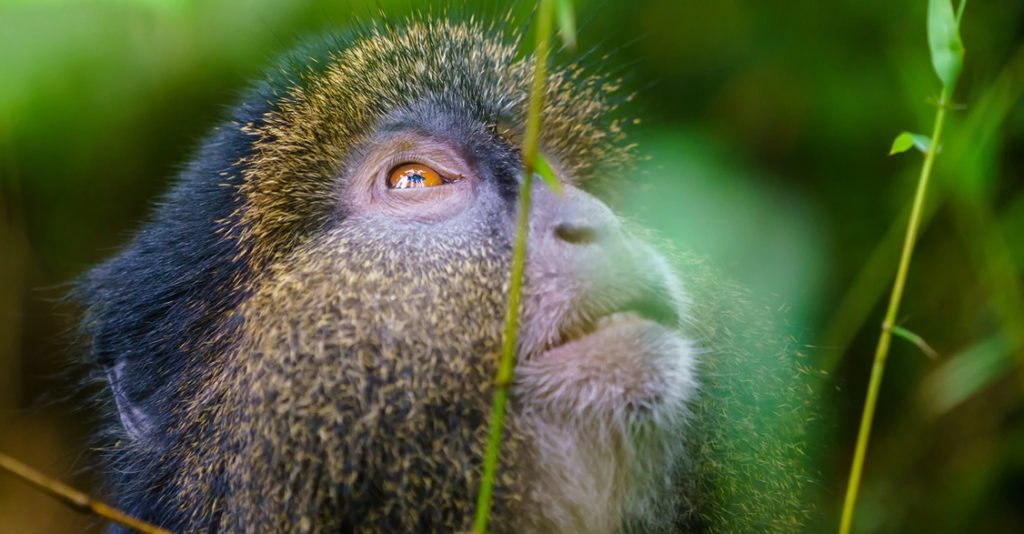
Bisoke hikers who say gaiters were unnecessary tend to have climbed in the dry season. In the rains the mud runs deep on the upper trail, and people who skipped porters often regret it by the descent. The Volcanoes National Park Rwanda guide covers the rest of what the park offers. If you finish at Lake Kivu, pack a swimsuit, and if you continue to chimpanzee tracking in Nyungwe Forest, the same boots, gloves and rain shell do the job on its steep forest trails.
Rwanda Gorilla Trekking Park Rules That Shape Your Kit
The briefing at Kinigi runs through the rules, and several of them decide what is in your pack.
Visitors keep at least seven metres from the gorillas, though the animals do not always respect that, and the guides will ask you to step back. Flash photography is banned, so switch it off before you leave the vehicle. Face masks go on when you reach the family. Groups are capped at eight visitors per family, viewing is limited to one hour, and nobody eats, drinks or smokes near the gorillas, which is why lunch waits until you have walked away. Anyone with a cold, flu or cough is not allowed to trek.
The minimum age is fifteen, checked against the passport, and the permit is tied to your passport details, so carry the document itself rather than a photocopy. Permits are issued by the Rwanda Development Board, either through its online booking system or through a licensed operator.
Getting to Volcanoes National Park: Packing Weight from Kigali
Rwanda is kinder to your luggage than Uganda.
Most visitors drive from Kigali International Airport to Musanze on good tarmac in roughly two to two and a half hours, then on to the Kinigi headquarters. There is no bush flight on the usual route and so no fifteen kilo aircraft limit, which means bringing your own gaiters, boots and a warm jacket costs you nothing in weight. That changes if you add a light aircraft hop to a Kenyan or Tanzanian park, where soft bags of about fifteen kilos are the norm.
Coming overland from Uganda, the Cyanika border crossing sits a short drive from Kisoro, and southern Bwindi is about four to five hours from Kigali by the same route. On a trip through both countries, pack to the stricter rule in each case: Rwanda’s plastic ban and Uganda’s camouflage restriction both apply to the whole bag.
Season by Season Gear for Rwanda Gorilla Trekking Tours
Rwanda follows the same rains as Bwindi, two wet seasons and two drier ones. The cold mornings stay the same all year, since altitude sets them, not the calendar.
Booking lead times follow the seasons too. Dates in the dry months go first, so travellers who want those months tend to secure Rwanda gorilla permits many months ahead.
Plugs, Money and Documents for a Rwanda Gorilla Safari
Rwanda runs on 230 volts at 50 hertz, with Type C and Type J sockets. Type C is the round two pin European plug and Type J the Swiss style three pin, and a Type C plug fits most Type J sockets. A universal travel plug converter with USB ports covers Rwanda, and also the British style Type G sockets you will meet in Uganda and Kenya. Check that laptop and camera chargers accept 230 volts before plugging anything in.
Money comes in two currencies. The Rwandan franc (RWF) is the local currency and suits porters, markets and small purchases, while US dollars are widely used for park fees, lodges and guide tips. Bring dollar notes that are recent, clean and untorn, since older or damaged notes are often refused or exchanged at a poor rate. Visa and Mastercard work in Kigali hotels and larger lodges, and ATMs are found in Kigali and Musanze, but there is no card machine at the trailhead. A slim hidden money belt keeps cash and passport together on the road.
Documents to carry: a passport valid for at least six months with blank pages, your yellow fever card, travel insurance details, a printed and digital copy of your gorilla permit, and your visa. Most nationalities can get a Rwandan visa on arrival or online, and the East Africa Tourist Visa covers Rwanda, Uganda and Kenya on one document for multicountry trips. Phone coverage is good in Kigali and around Musanze, and a local SIM from MTN or Airtel is the easiest way to stay connected, though signal on the mountain is patchy.
Rwanda Gorilla Trekking Packing Checklist
The short version, grouped the way you will actually pack.
Frequently Asked Questions About a Rwanda Gorilla Trekking Packing List
How should I dress for gorilla trekking in Rwanda?
In layers you can strip as you warm up: a base layer, a long sleeved top, a light fleece and a hooded rain shell, with quick dry trousers tucked into tall socks, gaiters over waterproof ankle boots and gardening gloves on your hands. Muted greens, browns and greys suit the forest. The full outfit for both countries is in the guide to what to wear for gorilla trekking.
How strenuous is gorilla trekking in Rwanda?
Moderate for most fit adults, harder for some families. You start above 2,400 metres, so breathing is heavier than the slope suggests, and the last stretch is usually off trail through bamboo and nettles. Some groups reach their family in under an hour, while others climb for three or four hours each way. Rangers match families to fitness at the briefing, and a porter plus a walking stick takes much of the strain. More on preparation in the guide to gorilla trekking difficulty and fitness.
Can you wear blue in Rwanda?
Yes. Blue clothing is fine in Rwanda and on the gorilla trek. Dark blue and black attract tsetse flies in warm lowland parks such as Akagera, so leave the navy for Kigali if you add a savanna safari, and stick to forest colours on the mountain.
Can you wear flip flops in Rwanda?
Around lodges, at Lake Kivu and in town, yes, though smarter sandals suit Kigali restaurants. Never on the trek: rangers expect closed boots, and the trails are steep, muddy and full of nettles.
How long is a gorilla trek in Volcanoes National Park?
Three to five hours round trip is typical, with a range from about two hours to most of the day depending on where your family moved overnight. Briefings start at 7am at Kinigi, and groups usually set off once they have driven to their trailheads. Pack water and food for the longer end.
What should I wear for gorilla trekking in Rwanda?
Quick dry long trousers tucked into tall socks, a long sleeved top over a base layer, a light fleece for the cold start at Kinigi, a hooded rain shell, waterproof ankle boots, gaiters and gardening gloves. Stick to olive, khaki, brown or grey. The fleece is the Rwanda specific addition, because treks begin at around 2,400 to 2,600 metres and morning temperatures sit around 10C to 14C.
Is Rwanda colder than Uganda for gorilla trekking?
Usually, yes, because of altitude. Volcanoes National Park starts higher than the highest point of Bwindi, and the habituated families range up toward 4,000 metres. You also stand outside for the briefing before any climbing warms you. Pack one more warm layer than you would for Bwindi.
Can I bring ziplock bags into Rwanda?
Plastic carrier and flat bags are banned and confiscated at Kigali airport and land borders, including duty free bags. Reusable zip top bags and cosmetic pouches usually pass, but nobody can guarantee it. Dry bags and stuff sacks avoid the problem and work better on the trail anyway.
Do I need a yellow fever certificate to enter Rwanda from Uganda?
Yes. Rwanda requires a valid yellow fever certificate from travellers arriving from countries with yellow fever transmission, and Uganda is one of them. Uganda’s immigration service announced in October that the certificate is no longer a condition of entry into Uganda, but Rwanda still checks it on arrival. Get vaccinated at least ten days before travel and carry the original card in your hand luggage.
Should I hire gaiters in Rwanda or bring my own?
Either works. There are no bush flight weight limits on the road from Kigali, so carrying your own costs nothing, and you get the right size. Many lodges near Kinigi lend gaiters and gloves, and gaiters can be hired locally, but sizes run out. Bring your own in the rainy months or if you take a large boot size.
How much do the gorilla permit and the add on treks cost?
A Rwanda gorilla trekking permit costs US$1,500 per person for foreign visitors, issued by the Rwanda Development Board, with lower rates for residents and East African citizens. Golden monkey tracking is widely quoted at around US$100, and the Bisoke hike and Dian Fossey tomb hike at around US$75 each. Confirm current add on rates with RDB or your operator, as these change.
How much cash do I need at Kinigi for porters and tips?
Porter fees are commonly quoted at roughly US$10 to US$20 per trek, paid in francs or dollars, with a tip on top at your discretion. Guides and trackers are usually tipped in dollars. Gaiter hire, where your lodge does not lend them, typically costs a few dollars. Carry small notes, because nobody at the trailhead has change for a hundred dollar bill.
Which plug converter do I need for Rwanda?
Rwanda uses Type C and Type J sockets at 230 volts. A Type C European two pin plug fits most sockets. On a trip that adds Uganda or Kenya, take a universal converter so you also have the British Type G.
Is gorilla trekking in Rwanda hard, and does gear make a difference?
It ranges from a moderate walk to a steep, muddy climb of several hours, depending on where your assigned family has moved. Good boots, gloves, a walking stick and a porter make the hard sections much easier. Tell the rangers at the briefing honestly what you can manage, as they consider fitness when assigning groups.
Planning the Rest of Your Rwanda Gorilla Trekking Safari
For the trek itself, permits, families and lodges, start with the Rwanda gorilla trekking guide. If you are still choosing a country, Uganda vs Rwanda sets the two side by side. Lodges near the park are reviewed in luxury lodges near Volcanoes National Park.
Plenty of travellers add a savanna safari, flying from Kigali to the Masai Mara or the Serengeti. Light aircraft there usually cap soft bags at around fifteen kilos, so pack the gorilla gear in a soft duffel from the start. Savanna clothing is covered in what to wear on safari and the wider African safari packing list. All the gear guides sit together in the Safari Gear and Clothing section, including the habituation experience packing list for the longer Uganda option.