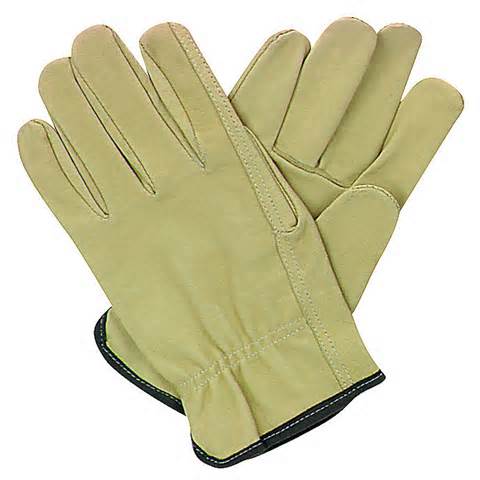
Gloves for gorilla trekking should be sturdy gardening or work gloves with rubber coated or leather palms, a longer cuff at the wrist, and enough dexterity left to open a zip. They cost very little and most returning trekkers rate them among the most useful items they carried. On a gorilla trekking safari in Bwindi Impenetrable National Park or Volcanoes National Park, you grab wet vegetation for balance constantly, and much of that vegetation stings.
Gloves for Gorilla Trekking and Why Gardening Gloves Win
This is the item almost every first timer queries and almost every second timer packs without being told.
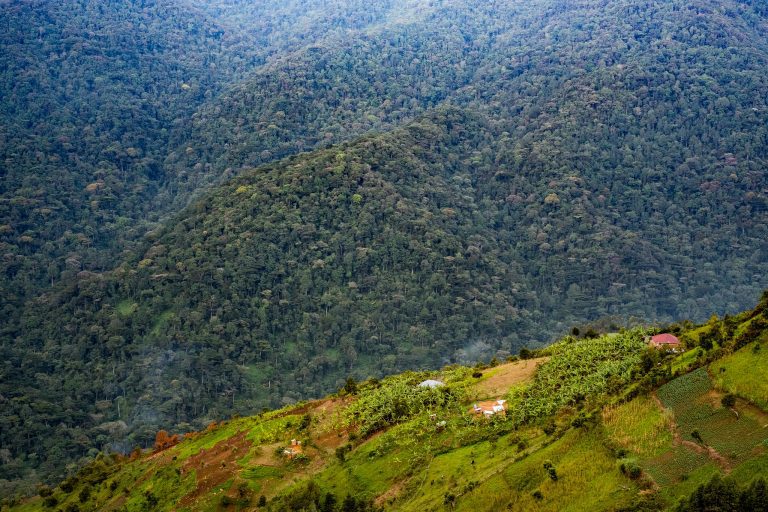
The logic only lands once you have been on the ground. Bwindi’s slopes are red clay, wet nearly all year, and steep enough that you go up and down them on your hands as much as your feet. Your boot slips, your arm shoots out, and you close your fist around whatever is within reach. Sometimes that is a solid branch. Often it is a stinging nettle or a thorned vine.
What matters is not the sting itself so much as the flinch. A trekker who has been stung once starts hesitating before grabbing anything, and hesitation on a sliding foot is how people fall. Gloves remove the hesitation, which is a balance benefit dressed up as a protection benefit.
Gardening gloves come recommended so consistently by guides across Uganda, Rwanda and Congo that it is now the standard answer, and it holds up. They are built for gripping thorny plants, which is precisely the task. A basic pair of rubber-coated gardening gloves from any hardware shop does the job. If you garden among roses or brambles at home, the thorn proof gardening gloves with a long cuff sold for pruning are close to the ideal gorilla trekking glove already.
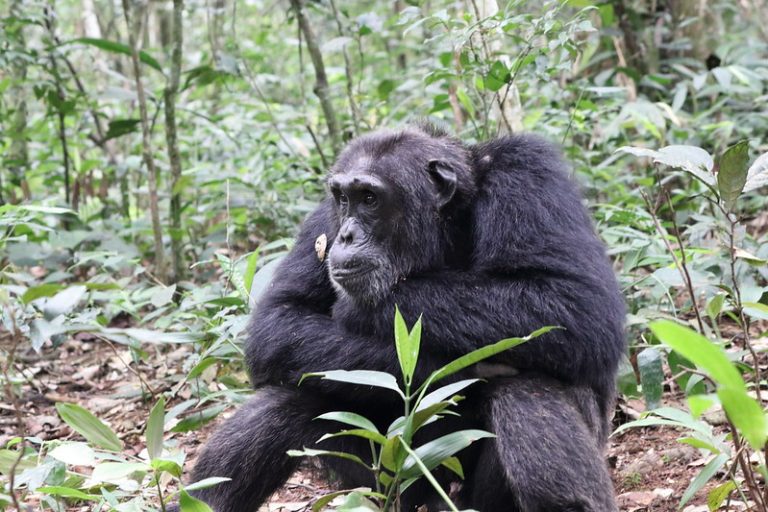
The gorillas themselves make the case quietly. A gorilla moves through this forest on four limbs, with thick skin on its palms and knuckles. You have two feet in slippery boots and two soft hands, and on the steep bits those hands become a second pair of feet.
One naming quirk catches people out. Search a shop for gorilla gloves and you will mostly find Gorilla Grip, a brand of gardening and work gloves whose name has nothing to do with the trek. It is a happy accident, since their Gorilla Grip gardening gloves with a coated palm and breathable back fit the brief well. Garden and work ranges from makers such as Showa, Wells Lamont and Mechanix sit in the same territory.
Do You Really Need Gloves for Gorilla Trekking? What Trekkers Say
Opinion is genuinely split, and it is worth hearing both sides before you pack.
Read enough trip reports and forum threads and a pattern shows up. Plenty of trekkers say gloves were the single best small item they brought, usually because they spent part of the trek crawling under bamboo or hauling themselves up a bank by whatever plant was nearest. A smaller group say theirs stayed in the daypack all morning. Their gorilla family was close to the trail, the guides had cut a clean path, and the ground was dry enough that nobody needed to grab anything.
Both experiences are real. The difference is luck, not preparation. Nobody, including your guide at the morning briefing, knows whether your family will be forty minutes up a gentle track or four hours into a gully, and you cannot change your mind about gloves once you are in the forest.
Country and park matter too. Some visitors to the Congo side of the Virungas report vegetation light enough that gloves felt unnecessary, while reports from Bwindi and from the bamboo and nettle belt of Volcanoes National Park lean firmly the other way. Several people who skipped gloves on a chimpanzee trek, where the forest floor is also thick, mention coming out with hands full of small thorns.
So the honest answer: you may not use them. They weigh almost nothing, take no space, and on the days they matter they matter a great deal. That trade makes them worth packing.
Stinging Nettles, Bad Grass and Thorny Vines on a Gorilla Trekking Safari
Local guides call the nettles bad grass. The name is more accurate than it is poetic.
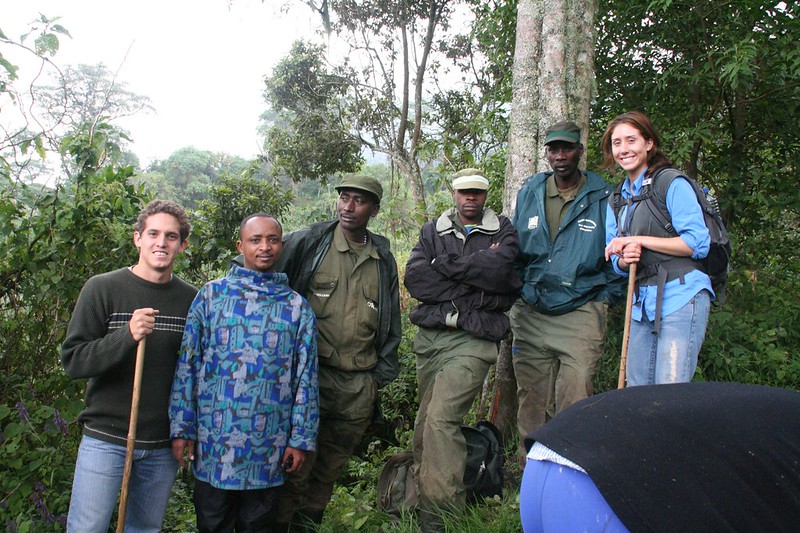
The variety growing through Bwindi and across the Virunga slopes delivers a sharp burn followed by hours of itching, and it grows thickest exactly where the trail narrows and you are most likely to reach out. One trekker posting on a Uganda forum described being stung straight through a pair of jeans, which tells you what bare hands are up against.
Thorny vines are the second problem and in some ways the worse one. They puncture rather than sting, and a thorn wound picked up in a rainforest and then packed with forest debris is an infection risk rather than a passing discomfort. Sharp grasses and young bamboo hide beneath larger foliage and cut whatever brushes past.
Insects add a third reason. Biting ants climb stems, and a hand closed around one gets bitten. Some trip reports from both Rwanda and Uganda mention bees or wasps stirred up by the group on the trail, with the stings landing on bare hands and wrists first, which is one more argument for a glove with a cuff that meets your sleeve. Stash the pair in a trouser pocket so they go back on in seconds when the guide calls a detour through thick growth.
Most people react to the nettles as an annoyance and move on. If you know you react badly to plant stings or insect bites, mention it to your guide at the briefing and carry an antihistamine sting relief cream, because the response can be more than mild for a minority of trekkers.
There is a small benefit for the forest too. A gloved hand grips a stem lightly and lets go cleanly. A bare hand that has just been stung tends to yank, and that tears more vegetation along the trail than anyone intends.
Grip and Balance on Steep Ground During a Gorilla Trekking Safari
Protection is why people buy gloves. Grip is why they are glad they did.
Wet vines and rain slicked branches are hard to hold with bare skin under load. A rubber dotted or rubber coated palm bites into that surface and gives you a purchase your hand alone cannot manage, which matters most on descents when your whole weight is arriving through one arm.
The same applies to the walking stick handed out at the trailhead. Those are plain wood, unvarnished and often wet, and a gloved hand holds one considerably better across four hours than a bare palm does. Over a long day that grip also saves skin. Trekkers who carried a stick bare handed on a long Nkuringo or habituation day sometimes finish with a raw patch or a blister between thumb and forefinger, which a padded palm prevents.
Then there is the porter’s hand. On the steepest pitches a porter will often take your hand and pull, or brace you from below while you step down. Muddy palms slide apart at exactly the wrong moment, and a rubber or leather palm locks into a grip far better. The same goes for the moment you reach back to steady the person behind you in your group.
A porter and a decent pair of gloves between them cover most of what makes a Bwindi descent hard.
What to Look For in Gorilla Trekking Gloves
Four features do the work. Everything else is noise.
Cotton gloves with rubber dots across the palm are the cheap, effective standard and they are what most guides picture when they say gardening gloves. A step up is a knit glove dipped in a nitrile or latex coated palm with a breathable back, which grips wet bark well and dries quickly. Light leather work gloves cost a little more and last longer, and the leather handles thorns better once it has softened.
How do the common glove types compare on the three jobs that count in Bwindi and Volcanoes? Roughly like this.
| Glove type | Wet grip | Thorns | Dries |
|---|---|---|---|
| Rubber dot cotton | Fair | Fair | Slowly |
| Nitrile coated knit | Very good | Fair | Fast |
| Leather work | Good | Very good | Slowly |
| Suede palm garden | Good | Very good | Slowly |
| Mechanics style | Good | Good | Medium |
| Full finger bike | Good | Poor | Fast |
| Insulated ski | Poor | Fair | Very slowly |
Nitrile for wet months and short dries between treks, leather or suede where thorns are the worry. The ratings are general guidance from how each material behaves, not lab results.
Wrist coverage is the feature people overlook. A short cuff leaves a gap between glove and sleeve, and nettles find it. Men can match gloves to sleeves with our guide to safari clothes for men.
Water resistance divides opinion. A water resistant coating that sheds a shower and dries by lunch is useful in the wet months. A sealed waterproof liner is a different thing: your hands sweat inside it within half an hour and it never dries overnight at the lodge.
Touchscreen fingertips are a minor perk rather than a reason to buy. If your phone is your only camera they save taking a glove off for a quick trail photo, and some touchscreen work gloves with a grip palm manage it without losing toughness. For the gorilla hour itself the gloves come off anyway.
Glove Sizing for Women, Small Hands and Teen Gorilla Trekkers
Fit is where cheap gloves let people down, and it hits women and anyone with small hands hardest. For the rest of a woman’s kit, see our guide to safari clothes for women.
Most hardware shop work gloves are cut for large male hands, labelled one size, and stocked in medium and up. On a smaller hand the fingertips flop past the ends of your fingers, the palm bunches when you grip, and the glove twists around the walking stick. You lose feel and grip at the same time.
Buy by measurement rather than label. Measure around your palm just below the knuckles and check it against the maker’s size chart, then do the fist test once they arrive. Ranges made for women are the easiest fix: women’s rubber-coated gardening gloves in small and women’s goatskin leather work gloves are both widely available and fit narrow fingers far better than a unisex medium.
The minimum age for gorilla trekking in both Uganda and Rwanda is 15, so the youngest trekkers in your group may still have small hands too. Women’s small or extra small usually suits them. Large hands have the opposite problem with gardening ranges, which often stop at large, so work and mechanics’ gloves are the better hunting ground there.
Whatever you buy, wear the gloves on one muddy walk or a session in the garden before you fly. Leather in particular softens and shapes to your hand with use, and you find out about a rubbing seam at home rather than on a slope in Ruhija.
Gardening Gloves Versus Technical Hiking Gloves for Gorilla Trekking Tours
Technical hiking gloves are built for a different problem, and it shows on gorilla trekking tours.
Mountaineering and hiking gloves are engineered around warmth and fine dexterity in cold, dry conditions. The thin ones tear on thorns almost immediately. The warm ones turn your hands into a swamp within twenty minutes of climbing in humid equatorial air. Neither failure mode is what you want.
What the forest asks for is abrasion resistance and grip, in that order, with warmth close to irrelevant. Long term records from the Ruhija research station on Bwindi’s eastern ridge put the average daily low at around 14C, which is cool rather than cold, and you will be sweating within the first half hour regardless.
Warmth is not entirely irrelevant, mind. At a cold early briefing in Ruhija, Nkuringo or Kinigi, and on a drizzly morning in the rainy season, an ordinary pair of work gloves takes the chill off your fingers until the climbing warms you up. That is a bonus, not a reason to buy anything insulated.
There is a cost argument too. Whatever you wear will come back stained red, probably torn somewhere, and possibly not worth carrying home. Ruining a cheap pair of gardening gloves is fine. Ruining a premium technical pair is annoying.
You will still see some gear lists recommend insulated, waterproof shell gloves for gorilla trekking. Those suit a cold summit day on a high volcano, not a humid forest trek, and they are the most common glove mistake trekkers describe afterwards.
Tactical and Work Glove Alternatives for a Gorilla Trekking Adventure
If you would rather not trek in something from a garden centre, a few alternatives do the job properly on a gorilla trekking adventure.
Mechanics’ and tactical style work gloves with synthetic leather palms and a breathable back panel are a genuinely good fit. They were built for gripping and abrasion, they breathe reasonably, and they keep enough finger feel to work a camera dial without removing them. Several trekkers name this category by brand.
Suede palmed gardening gloves come up repeatedly in trip reports from people who wanted the nettles kept out completely. Suede is thick enough that the stinging hairs rarely get through, it grips wet wood well, and it stays softer than smooth leather once soaked. A pair of suede leather palm gardening gloves is a strong pick for the wet months.
Lightweight cycling style gloves are the option for people who hate the feel of work gloves. Choose the full finger mountain bike kind, not the fingerless road version. Full finger mountain bike gloves with a padded palm are light, breathable and grippy, and the padding takes the load off a walking stick. Their weak spot is the thin fabric back, which thorns can pierce, so they suit the gentler Buhoma trails better than Nkuringo.
Climbing gloves, particularly the fingerless or half finger belay style, come up as another option. The palm protection is excellent. The obvious gap is that exposed fingertips still meet the nettles.
Light softshell mountain gloves with a reinforced palm work if you already own a pair, and they handle the damp better than most. Just check the palm is genuinely reinforced rather than merely printed with grip dots.
What does not work: fabric liner gloves on their own, thin running gloves, latex or nitrile disposables, and anything knitted.
When to Take Your Gloves Off During the Gorilla Trekking Hour
Gloves come off when you reach the gorillas, and stay on for both directions of the walk.
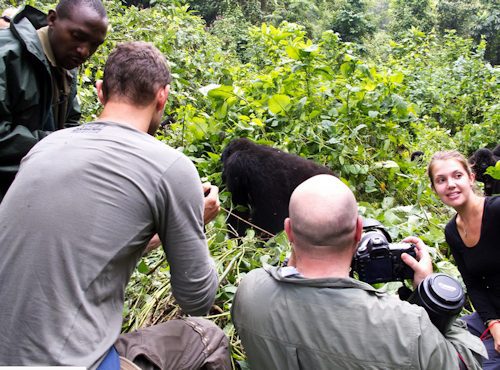
The reason is practical rather than regulatory. During your hour you are working a camera in dim forest light, adjusting settings, changing position quietly and probably shooting at wider apertures than you would like. Gloved fingers on small controls cost you shots.
Tuck them into your daypack or a pocket rather than setting them down. The forest floor swallows things and you have another hour or more of walking ahead. A small glove clip or carabiner on a shoulder strap of your gorilla trekking daypack keeps them handy without a rummage, which matters when the group moves off quickly.
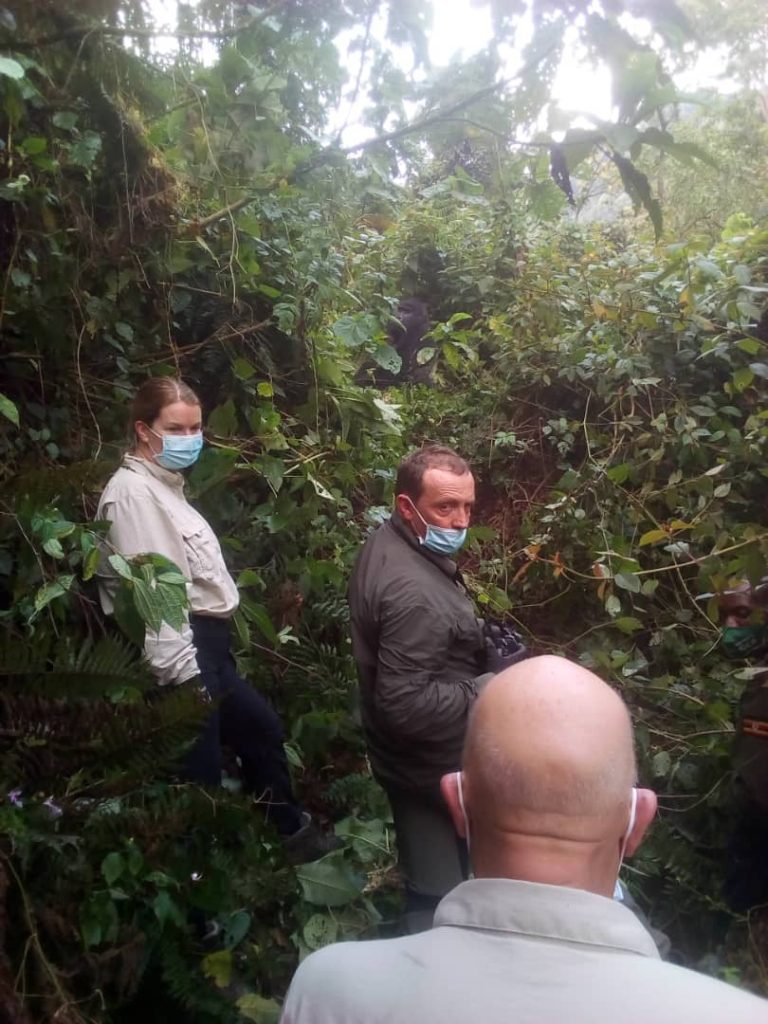
Taking them off has a hygiene side as well. Your gloves will be coated in mud, sap and whatever the forest floor holds, and you do not want that on your lens, your snacks or your face. Peel them off, give your hands a quick wipe with sanitiser, and then pick up the camera. Guides commonly ask trekkers to cover their nose and mouth near the gorillas to protect the animals from human illness, so carry a mask in the same pocket and the swap becomes one movement.
Put the gloves back on before you start out. The return leg is often harder than the walk in, particularly from Nkuringo where the walk out is a long sustained climb, and that is when your hands do the most work.
Cleaning, Drying and Spare Pairs on a Multi Day Gorilla Trekking Trip
Gloves come back from a trek wet, heavy and caked in red clay. What you do with them that evening decides whether they are usable the next morning.
Rinse the mud off under a tap as soon as you reach the lodge, squeeze rather than wring, and hang them somewhere airy. Rubber and nitrile coated gloves dry fastest. Leather takes longest and stiffens if dried beside a fire or heater, so let it dry slowly and flex it in the morning. In the wet months, at a high lodge, assume nothing will dry fully overnight.
That is why a spare pair earns its place. Bring two pairs if you are trekking on consecutive days, adding a habituation day, or pairing Bwindi with Volcanoes. Some trekkers also keep the spare pair in the daypack in the rainy season so they can change halfway if the first pair is soaked through.
After the trip, many people simply leave their gloves behind. A clean, dry pair handed to your porter or left with the lodge is useful to someone locally, and it saves you carrying muddy kit home.
Buying Gloves Before You Fly or in Kampala and Kisoro
Any hardware shop or garden centre at home stocks something suitable, and that is the easiest route. Ordering online before you travel is just as easy and gives you the full range of sizes, which matters most for small hands. Buy them early enough to wear them once so you know the fit under a hard grip.
Buying locally is entirely workable too. Hardware stalls in Kampala carry rubber palmed work gloves cheaply, Entebbe has supermarkets and hardware shops near the airport road, and Kisoro town near the southern Bwindi sectors has basic supplies. Kigali and Musanze on the Rwandan side are similar, with outdoor and hardware shops in Kigali. Sizing tends to run large and choice is limited, so this is a reasonable fallback rather than a plan to rely on.
Lending varies by lodge. Some, more often at the upper end and around Volcanoes, keep a basket of gloves, gaiters and rain jackets for guests to borrow, while many budget and mid range places do not. Ask when you book rather than counting on it. Friends who have trekked before are another good source, since plenty of people come home with a spare pair. Some operators include gloves in a gear package. The broader picture of what can be borrowed near the park sits in the guide to renting gorilla trekking gear.
Seasonal and Sector Notes for Gorilla Trekking Gloves
Gloves matter in every month, though the reason changes.
March to May and September to November are the two wet peaks. Wet vegetation is slipperier, you grab more often, and a rubber coated palm earns its keep. Leather and suede perform better than plain fabric here once soaked. The month by month picture is in the guide to the best time to go gorilla trekking.
June to August and December to February are the drier stretches, June and July also the coolest. Less grabbing for balance, though the nettles are exactly as unpleasant and the ground still holds moisture under canopy.
Sector changes the picture more than season does. Buhoma is the gentlest and lowest, with the most developed trails, so hands do less work. Ruhija sits higher and steeper. Nkuringo is the hardest by a wide margin, and it is the sector where gloves stop being a nice extra. The guide to Nkuringo gorilla trekking covers what that terrain involves, and there is more on the physical demands in the notes on how long gorilla trekking takes and how fit you need to be.
If you are adding a volcano hike in the Virungas, such as Bisoke in Rwanda or Muhabura and Sabinyo from Mgahinga, the summit sections are genuinely cold, wet and windy. That is the one day a thin warm layer helps: a pair of lightweight merino liner gloves under your work gloves for the top, removed again on the way down.
The four hour gorilla habituation experience raises the value of everything, gloves included, simply because you are in the undergrowth for so much longer. The full kit list for that day sits in the gorilla habituation experience packing list. Trekkers heading to Rwanda will find the same gloves work on the bamboo slopes of Volcanoes, and the Rwanda gorilla trekking guide covers how those treks differ.
Frequently Asked Questions About Gloves for Gorilla Trekking
How much do gorilla trekking gloves cost?
Very little, which is part of the argument for bringing them. Cotton gardening gloves with rubber dotted palms sit at the bottom of the range and cost about the same as a coffee. Nitrile coated work gloves are similar. Light leather or suede palmed work gloves are a step up. Mechanics’ or tactical style gloves are the priciest of the sensible options, and technical mountain gloves climb well past that without performing any better in a rainforest. Buying local in Kampala or Kisoro is cheaper still.
Do I really need gloves for gorilla trekking?
Need is a strong word, and people do complete treks bare handed. Some trekkers never take theirs out of the bag because their gorilla family was close to a clear trail. What you accept without them is nettle stings on your palms, scratches from thorns, and a tendency to hesitate before grabbing vegetation on slippery ground, which is the part that actually raises your risk of a fall. Since nobody knows in advance how hard the trek will be, and gloves weigh almost nothing, packing them is the sensible call. Guides across all three gorilla countries recommend them consistently.
Why gardening gloves rather than proper hiking gloves?
Because the job is grip and puncture resistance, not warmth. Hiking and mountaineering gloves are designed around insulation and fine dexterity in cold dry air. Thin models tear on thorns straight away, and insulated ones leave your hands soaked with sweat in humid forest air. Gardening gloves have a thick textured palm made for exactly one job, handling thorny plants, cost almost nothing, and can be thrown away afterwards without regret.
Are gardening gloves good enough for gorilla trekking?
Yes, and they are what most guides in Bwindi and Volcanoes have in mind when they tell you to bring gloves. Choose full finger gardening gloves with a rubber, nitrile or leather palm and a cuff past the wrist, rather than thin decorative cotton ones. Thorn proof pruning gloves are the sturdiest version of the same idea.
What are the best gloves for hiking and scrambling?
For scrambling over rock and roots, a snug full finger glove with a leather or synthetic leather palm, reinforced fingertips and a breathable back, the kind sold as mechanics’, work or via ferrata gloves. They grip under load and survive abrasion without killing finger feel. On a gorilla trek the same qualities apply, with a longer cuff added for nettles. Warm insulated hiking gloves are the wrong choice for both in humid conditions.
What are the best clothes to wear for gorilla trekking?
A loose long sleeved synthetic or merino shirt, quick dry trekking trousers, tall socks pulled over the cuffs, knee high gaiters, broken in waterproof boots, gardening gloves, a packable rain jacket, a light fleece for the briefing and a brimmed hat, all in olive, khaki, brown or grey. Avoid camouflage print, which is restricted in Uganda. The full outfit, item by item, is in the guide to what to wear for gorilla trekking.
Why do you wear masks when gorilla trekking?
Because gorillas catch human respiratory illnesses and have little resistance to them. A mask over the nose and mouth near the family cuts the chance of passing on a cold or flu, and both Uganda and Rwanda ask trekkers to wear one, keep their distance and stay away if unwell. Keep the mask in the same pocket as your gloves, so one hand goes in for both.
How much does it cost to do gorilla trekking in Rwanda?
The Rwanda gorilla permit costs US$1,500 per person for foreign visitors, before transport, lodging and the guide or operator. Uganda’s permit for Bwindi is US$800 for foreign non residents, US$700 for foreign residents and UGX 300,000 for East African citizens, and a lower US$600 rate has been announced for April, May and November. Gloves are the cheapest item on the trip by a long way. The detail sits in the guides to Rwanda gorilla permits and Uganda gorilla permits.
Should I take my gloves off when I reach the gorillas?
Yes, for practical reasons rather than park rules. Forest light is dim and you will be adjusting camera settings during your hour, which gloved fingers make clumsy. Take them off, stash them in your pack or clip them to a strap rather than putting them on the ground, clean your hands, and put them back on for the walk out, which is often the harder half. Keep a mask handy, since guides commonly ask trekkers to cover their nose and mouth near the gorillas.
Are fingerless gloves any good for gorilla trekking?
They are a compromise. The palm protection and grip are there, which covers most of the balance benefit, and you keep full finger dexterity for the camera without taking anything off. What you lose is protection on your fingertips and knuckles, which is where a fair share of nettle contact happens when you close your hand around a stem. Workable if it is what you own. Full finger gloves are the better choice if you are buying.
What size gloves should a woman buy for gorilla trekking?
Buy from a women’s range by palm measurement rather than a unisex size. Most hardware store gloves are cut for large hands, and a glove that is too big twists when you grip a stick or a porter’s hand. Women’s small rubber coated gardening gloves or women’s goatskin work gloves fit narrow fingers well, and the fist test at home tells you whether the palm stays put.
Can I buy gloves in Uganda instead of packing them?
Yes, and it is a reasonable fallback. Hardware stalls in Kampala stock rubber palmed work gloves cheaply, and Kisoro town near the southern Bwindi sectors carries basic supplies, as do Kigali and Musanze on the Rwandan side. Sizing tends to run large and the choice is narrow, so if you have small hands or strong preferences, bring your own. Some lodges lend gloves along with gaiters and rain jackets, but many do not, so check when you book.
Do gloves protect against safari ants?
Only incidentally. Safari ants operate at ground level and their route in is up your legs, not onto your hands, so the barrier that matters there is tall socks with trouser cuffs tucked in, plus gaiters over the boot collar. Gloves help if you put a hand down into a column, which does happen on steep sections. Treat hand protection and ant protection as two separate problems with two separate solutions.
Do I need waterproof gloves for the rainy season?
No. A water resistant coating or a rubber palm that sheds rain and dries quickly is plenty. Sealed waterproof gloves trap sweat on a humid climb and stay damp for days. In the wet months the better answer is a second pair in the daypack, so you can swap if the first pair gets soaked.
Continue With the Rest of Your Gorilla Trekking Gear
Gloves are one line on a longer list. The full checklist sits in the guide to what to pack for gorilla trekking, and every gear guide on the site is gathered in the safari gear section.
For the rest of what you wear, including layers, trousers, colours and the camouflage restriction, work through what to wear for gorilla trekking, and for the layer that keeps ants off your legs see gorilla trekking gaiters. Footwear and rain cover have their own guides on gorilla trekking boots and the gorilla trekking rain jacket.
Pairing the forest with the plains? Gloves stay in the bag on a Masai Mara safari or a Serengeti safari, and the African safari packing list covers what changes for game drives.