A 7 day Uganda safari fits one mountain gorilla trek in Bwindi, chimpanzee tracking in Kibale and two days of game drives and boat trips in Queen Elizabeth National Park, with the drives between them. Most trips run as a private 4×4 loop from Entebbe with a driver guide, and many fly back from Kihihi or Kisoro. It is the standard one week route through western Uganda’s primate forests and savanna.
Seven days is the length most first time visitors land on, and for good reason. It is the shortest trip that shows Uganda as more than a gorilla stop. It is also tight. One badly placed lodge, a late flight or a washed out track on the Ishasha road can unpick it, which is why the order of the days matters more than the lodge names on a quote.
How the 7 Day Uganda Safari Route Fits Together
The standard one week Uganda safari is a loop through the southwest. From Entebbe you head west to Kibale, drop south through Queen Elizabeth, cross the Ishasha plains and climb into Bwindi. Then it is either the long road home through Mbarara or a short flight.
Why that direction? Chimps first, gorillas last. Kibale sits on the road west, so it is the natural first stop, and Bwindi makes the natural finish because two airstrips, Kihihi and Kisoro, lie close to its four trekking sectors. Ending at Bwindi also puts the gorilla trek on day six, after jet lag has worn off and you have already walked one forest trail. Our Uganda fly in gorilla safari guide covers the flights into both.
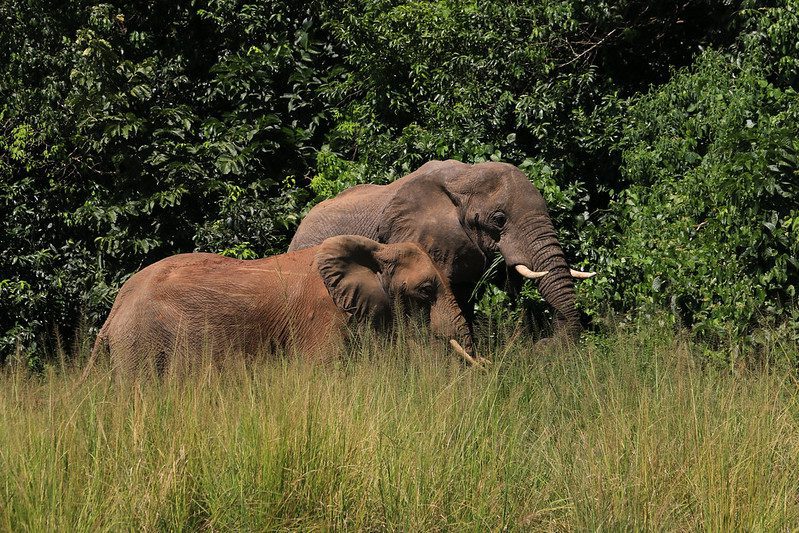
Queen Elizabeth sits in the middle on purpose. It splits the longest stretch of road into two easy days and supplies the savanna: elephants, buffalo, Uganda kob, hippos and, with some luck, lions. Our Uganda safari guide covers every park in the country if you want to see what else is on offer.
Plenty of operators also sell a northern week through Ziwa and Murchison Falls before Kibale and Bwindi. It packs in rhinos and the Nile at the price of a brutal day five, and it gets its own section below with the other variants.
Classic 7 Day Uganda Safari Itinerary, Day by Day
This is the plan most good operators quote, and the one to hold other versions against. Treat it as a sample to compare with your quotes, not a package sold here.
Two days carry the risk. Day one is long but it is tarmac nearly all the way. Day five depends on the Ishasha tracks, which turn to deep mud in the rains, and broken bridges have forced detours through Kihihi more than once. A driver who checks the road the evening before is worth more than a smarter lodge.
Notice what the plan avoids. No day ends after dark on a park road, and no flight is booked on the gorilla day.
Landing late on day one? Plenty of people do. Sleep in Entebbe, a short ride from the terminal, and start the safari the next morning; the trip becomes seven days on the ground plus an arrival night, which is how several operators price it anyway.
Fort Portal, Kibale Chimpanzee Tracking and the Bigodi Wetland Walk
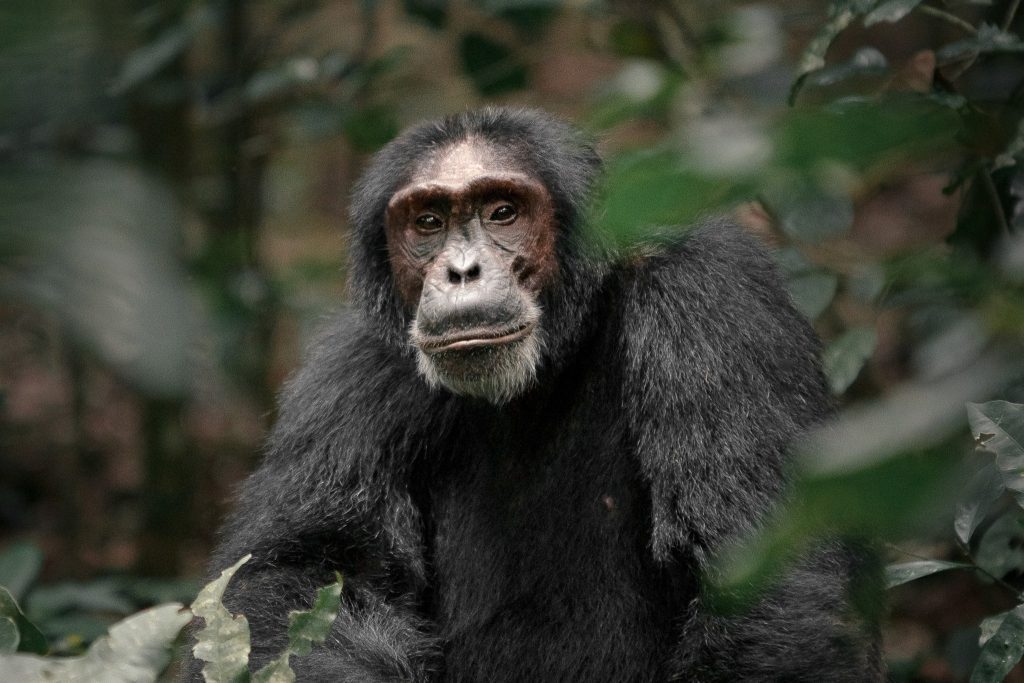
Chimpanzee tracking in Kibale is the first primate trek of the week, and for many people the livelier one. Kibale holds around 1,500 chimpanzees and 13 primate species, and the Kanyanchu community has been used to visitors for decades, so sightings are very likely without being promised. Chimps move fast, call loudly and spend time both on the ground and high in fig trees. The hour feels nothing like the quiet of a gorilla family.
Treks leave Kanyanchu in the morning and early afternoon in small groups. The ground is mostly flat forest trail, far easier than Bwindi, though you may jog short stretches when the community moves off. Long sleeves help with biting ants. So do the gardening gloves you packed for Bwindi’s nettles.
For a full day with one community, the chimpanzee habituation experience starts at dawn and runs for several hours with a researcher’s pace rather than a tourist’s. It replaces the standard trek rather than adding to it, so it suits a two night stay.
The afternoon Bigodi wetland walk is run by a community group just outside the park. Expect two to three gentle hours on boardwalks and paths, good for great blue turaco, red colobus and grey cheeked mangabey, with the fee going straight to the village. Our page on the Bigodi wetland covers the trail and its birds.
Fort Portal itself deserves an hour if the drive allows. The town tour that some operators build into day one takes in the Toro royal palace on its hill, the Karambi royal tombs and the tea estates on the surrounding slopes, and the crater lakes south of town make a quieter base than the trailhead. Close by, the Amabeere ga Nyina Mwiru caves are a short walk with a small waterfall and a royal story attached. Our full Kibale chimpanzee trekking guide covers the start times, the habituation day and the trail rules.
Queen Elizabeth Game Drives, the Kazinga Channel Cruise and Ishasha Lions
The Queen Elizabeth National Park safari gives the week its big mammals. Two nights is the right number: an afternoon on the water, a full morning on the plains and a final game drive through Ishasha on the way out.
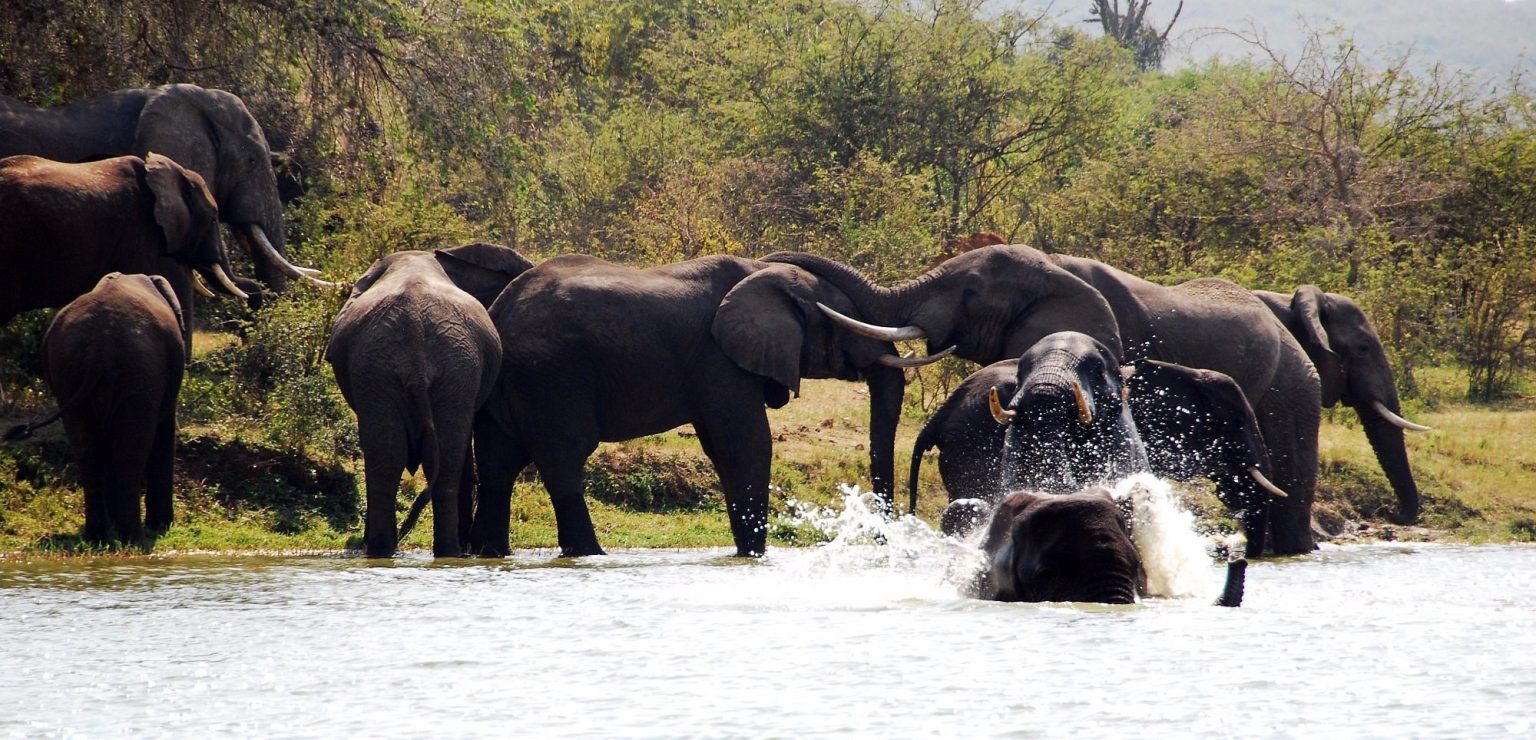
The Kazinga Channel boat trip. This two hour launch runs along the channel between Lake George and Lake Edward, past the densest hippo pods in Uganda, buffalo wallowing in the shallows, Nile crocodiles and a long roll call of waterbirds. Afternoon departures tend to catch elephants coming down to drink. Grab a seat on the side nearest the bank.
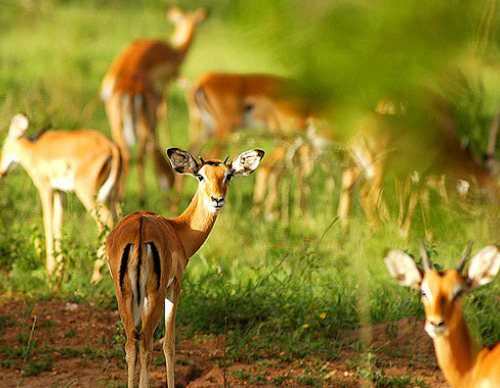
Kasenyi game drives. The open plains in the northeast of the park carry large herds of Uganda kob, and the lions that hunt them. Leave at first light, carry a fleece, and accept that sightings are never guaranteed. Some operators can book an experiential lion tracking session with researchers here, which puts you in the field with the team that monitors the prides.
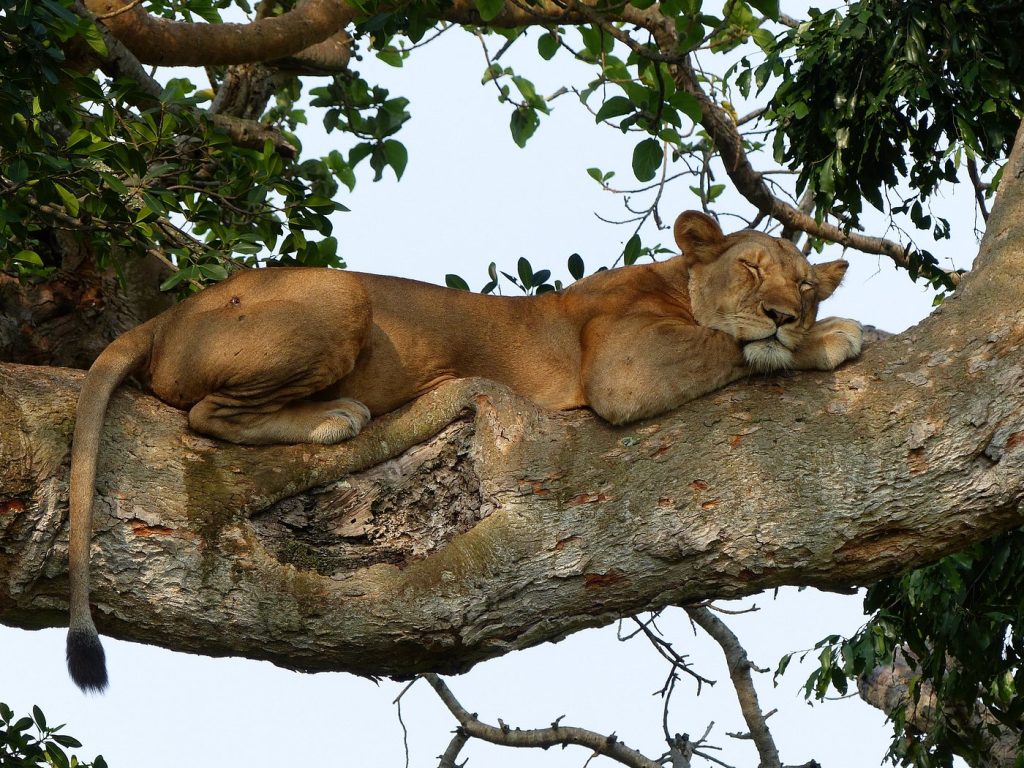
Ishasha and the tree climbing lions. The southern sector is known for lions that rest along the branches of fig and acacia trees through the heat of the day. Climbing is common here but not daily, and finding them takes patience and a driver who knows the favoured trees. Our page on tree climbing lions in Uganda explains the behaviour and the better months. The drive down passes the edge of the Maramagambo Forest, where baboons and the odd forest elephant cross the road.
Kyambura Gorge. A sunken forest valley on the park’s eastern edge, home to a small chimp community. Sightings are less reliable than in Kibale, so it works as an extra or as a fallback if Kibale permits run out. The Queen Elizabeth National Park safari guide covers each sector, the explosion crater drive and the lodges.
Gorilla Trekking Day in Bwindi on a One Week Safari
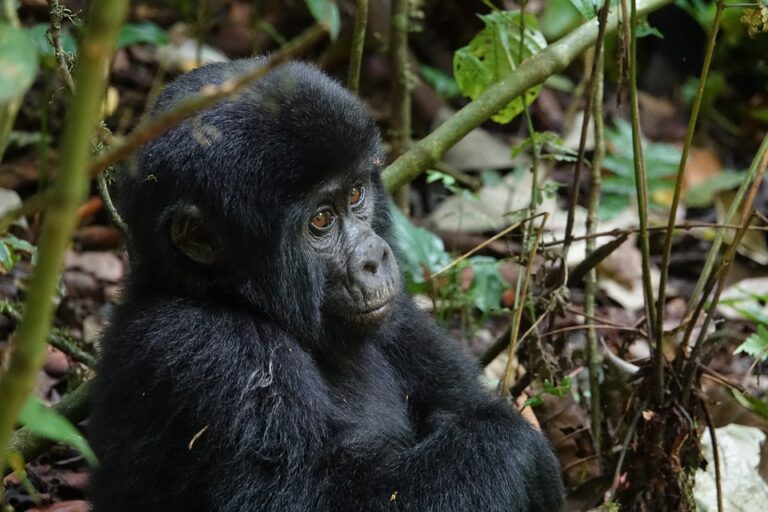
The gorilla trek is the reason the trip exists, and every earlier day should protect that one morning. On a 7 day safari you arrive the evening before, sleep close to the briefing point and set out at about 7.30am with UWA rangers, trackers and up to seven other visitors. Your driver guide waits at the park office.
How long is the walk? Anything from under an hour to most of the day. It depends on where the family nested and how far it has moved, not on your fitness, and steep muddy ground counts for more than distance. Hire a porter at the trailhead: they carry your bag, give you a hand on the banks, and the fee feeds families around the park. Once you reach the gorillas you get one hour, masks on, at a distance of at least 10 metres under UWA’s rules. Several operator pages still quote 7 metres, which is the Rwanda figure.
The rules are short and the rangers enforce them. No eating near the gorillas, no flash, voices low, and if you need the toilet in the forest a ranger digs a hole and you bury everything. Anyone with a cold or fever is asked to stay behind, because gorillas catch human infections easily.
Sector matters on a road trip. Coming from Ishasha, Buhoma is the natural base and the closest to Kihihi airstrip. If your permit is for Rushaga or Nkuringo in the south, day five grows much longer and you would fly out of Kisoro instead. Permit first, lodge second, always.
If one hour with a family will not be enough, the gorilla habituation experience in Rushaga gives a small group about four hours with a family still getting used to people. It needs the southern sector and a permit that sells out early.
Afternoons in Buhoma are for the village walk, a waterfall trail or a Batwa cultural walk led by members of the forest community moved out when the park was gazetted; the Batwa people page explains that history plainly. Plenty of people spend their hour with the gorillas behind a viewfinder and later wish they had looked more with their own eyes, so put the camera down for a few minutes. Our Bwindi gorilla trekking guide covers the families and the trek day in full, and the trekking difficulty and fitness page sets out how hard it can get.
Five Other Ways to Run a 7 Day Uganda Safari Tour
The classic loop suits most people, but a 7 day Uganda safari tour bends easily, and the quotes you collect will often follow one of these shapes. Knowing them lets you compare like with like.
Shorter on time? The 3 day gorilla safari covers gorillas alone, the 4 day gorilla safari adds Lake Bunyonyi or Queen Elizabeth, and the 5 day gorilla and chimpanzee safari keeps both primates with less savanna. With more time, the 10 day Uganda safari adds Murchison Falls and Ziwa without the rush of variant two.
Choosing the Best 7 Day Uganda Safari for Your Group
The best 7 day Uganda safari is the one whose shape matches who is going. A few choices decide that before any lodge is named.
Private or shared. Most one week trips are private: your own vehicle, your own driver guide and your own pace. A handful of operators run scheduled group departures where solo travellers share a vehicle with strangers, which lowers the bill but fixes the dates and the lodges.
Local operator or overseas agent. A Ugandan company licensed by the Uganda Tourism Board runs the trip on the ground either way. Book through an agent at home and you pay for their service and protection on top, which some travellers value and others skip. What matters is that the company actually operating the trip is licensed and named on your quote.
Vehicle. A Land Cruiser with a pop up roof rides the Ishasha tracks better and gives everyone a window, while a safari minivan is cheaper and fine on tarmac. Photographers often ask for a vehicle with charging points and one spare seat for camera bags.
Self drive. Possible, with a 4×4 from a reputable firm, but navigation apps underestimate the drive times and park tracks are not signed. Most first timers do better with a guide who also spots the leopard you would drive past.
Older travellers. Is 70 too old for this trip? No, and plenty of trekkers in their seventies and eighties reach the gorillas each year. Tell the operator early so the park office can assign a family that usually ranges closer to the trailhead, take two porters, and ask about a sedan chair carried by a porter team for the steep sections; our page on gorilla trekking with special needs explains how it works. Buhoma’s gentler trails and two nights per stop make the week far kinder on the body.
Lodges on a Week Long Uganda Safari Tour, Stop by Stop
On a seven day trip, lodge location beats lodge luxury. A beautiful lodge an hour from the briefing point costs you sleep on the one morning that matters.
Kibale. Lodges cluster around Kanyanchu and on the crater lakes south of Fort Portal. The crater lakes are prettier; Kanyanchu is closer for an early chimp slot. Primate Lodge sits inside the forest near the trailhead, Ndali Lodge looks over a crater lake, and the Chimpanzee Forest Guest House and Kibale Forest Camp cover simpler budgets.
Queen Elizabeth. The Mweya peninsula, home to Mweya Safari Lodge, is central for the channel launch and Kasenyi. Lodges near Katunguru or on the Kyambura edge, such as Kyambura Gorge Lodge, suit people heading south the next day, and a night in Ishasha itself splits day five for anyone who wants extra time with the lions.
Bwindi. In Buhoma the options run from community bandas to Buhoma Community Haven Lodge, Trackers Safari Lodge and Mahogany Springs Lodge. Browse every Bwindi option by sector, budget to top end, on our Bwindi lodges page.
Pace is the other choice. Two nights in Kibale gives a spare morning for the crater lakes, at the cost of one Queen Elizabeth night. Travellers who have done the trip often say two nights per stop feels like a holiday and one night per stop like a transfer.
What a 7 Day Uganda Safari Package Should Include
Every 7 day Uganda safari package should list the same core items. When two operators quote very different totals for the same route, the gap nearly always sits somewhere in this list.
Since UWA suspended its reservation hold, gorilla permits are paid in full at booking, so a deposit that covers the permit is normal. Pay a company account, never a personal one. Check the company’s Uganda Tourism Board licence on the board’s own list; our guide to gorilla safari companies explains each check, and the gorilla permit guide explains how permits are bought and transferred.
What moves the total? Group size first, because one vehicle and driver cost the same for one traveller or four. Then lodge tier, the month and whether you fly out. Low season gorilla permits in April, May and November cut the biggest single item, though they cannot be moved to new dates later. Book three to six months ahead for June to September and the Christmas weeks, when permits in the sector you want go first.
Best Months and Packing for a 7 Day Uganda Trip
The drier months, June to September and December to February, are the easiest for a Uganda safari: firmer trails in Bwindi, better roads through Ishasha and game gathering near water in Queen Elizabeth. They also sell out first. March to May is the wettest stretch, with slow roads and harder treks but quieter parks and cheaper permits in April and May. October and November sit in between, with showers that rarely last all day. Rain falls in every month in the forests.
Pack for both halves of the trip. For the forest: broken in waterproof trekking boots, gaiters, long trousers, a light rain jacket and gardening gloves for nettles and vines, all of which come up in nearly every trip report. For game drives: a fleece for cold early mornings, a hat, sunscreen and binoculars for everyone in the vehicle.
Can you wear blue in Uganda? In towns, yes, wear what you like. On game drives in Queen Elizabeth and Ishasha, leave dark blue and black at the lodge, since both draw tsetse flies, which bite hard through thin cotton. Khaki, olive and tan work best. Skip camouflage prints entirely: they look military, and Ugandan police take that seriously. Modest clothing goes down well in villages and markets. The Uganda gorilla trekking packing list and what to wear on safari cover the details, and the best time for gorilla trekking page goes month by month.
Visas, Health, Money and Safety Before Your Uganda Safari Trip
Most visitors apply online for a Uganda eVisa before the trip, or for the East Africa Tourist Visa if Rwanda or Kenya is also on the plan. Use only the official government portal. Uganda’s immigration service announced in October that a yellow fever certificate is no longer a condition of entry, but the vaccine is still recommended and a neighbouring country may ask for the card on an onward crossing, so carry it if you have one. Malaria is present across the safari route; talk to a travel clinic about tablets well before you fly.
Money is simple once you know the quirks. Lodges and operators price in US dollars and many take cards, but bring clean, recent, undamaged dollar notes, because older or torn notes are often refused or exchanged at a poor rate. ATMs work in Kampala, Fort Portal and Mbarara and become scarce near the parks, so draw Uganda shillings in town for tips and craft stalls.
Safety deserves a straight answer. Parks are patrolled, treks go out with armed rangers and the southwest safari circuit is well travelled. The real everyday risks are road accidents and petty theft in towns, so avoid driving after dark and keep valuables out of sight. Official advice varies sharply by country, with the US advisory far stricter than the UK one, so read the current wording for your passport before booking; our page on whether Uganda is safe to visit sets the advisories side by side.
Stretching the Trip: 8 Days, Rwanda, Murchison or the Masai Mara
A week is the base, not the ceiling. The most common change is simply an eighth day, used for a second night in Kibale or Queen Elizabeth or a rest night on Lake Bunyonyi before the drive home. That one extra day takes most of the strain out of the schedule.
Rwanda. Finish in southern Bwindi, cross at Cyanika and fly home from Kigali, adding golden monkeys or a second gorilla trek in Volcanoes National Park. The Rwanda gorilla trekking guide, the 7 day Rwanda safari and our comparison of Uganda and Rwanda set out the trade offs, and the Uganda and Rwanda gorilla safari page joins the two over 7 to 10 days.
Murchison Falls. Add three days at the start for Ziwa rhino tracking and the Murchison Falls safari, which turns the week into the ten day route.
Kenya or Tanzania. Fly Entebbe to Nairobi for the Masai Mara, or link to the Serengeti, explained on our page about combining a Tanzania safari with gorilla trekking. Do Uganda first. The gorilla day is the part most likely to need a spare morning.
7 Day Uganda Safari: Questions, Prices and Permit Fees
How much does a 7 day Uganda safari with gorillas cost?
Published operator prices for the classic gorilla, chimp and Queen Elizabeth week, with permits, a private vehicle and driver guide, full board lodges and activities, sit roughly at US$2,400 to US$3,200 per person on a budget basis, US$3,000 to US$4,000 midrange and from about US$4,500 upward with top lodges, for two people sharing. A solo traveller typically pays US$500 or more above the two sharing rate, and groups of four to six pay less per head because the vehicle is shared. Routes without chimps, such as the Lake Mburo version, come in a little lower. Treat these as typical ranges to compare quotes, not fixed prices. Our Uganda safari cost guide prices other routes and trip lengths.
How much does a 7 day African safari cost compared with Uganda?
Per day, a private Uganda safari usually runs from about US$350 to US$450 per person on a budget basis before the gorilla permit, which lands a week in the same band as a budget Kenya or Tanzania week. The gorilla permit is what lifts Uganda’s total. Our African safari cost guide compares countries, and the gorilla trekking cost page breaks down the whole budget.
What are the permit and park fees on this route?
The UWA gorilla permit is US$800 for foreign non residents, US$700 for foreign residents and UGX 300,000 for East African citizens. In April, May and November it drops to US$600 and US$500, paid in full at booking and not reschedulable. Kibale chimp tracking is US$250 for foreign non residents, with a rise to US$300 announced, and park entry for Queen Elizabeth and Kibale runs around US$40 per person per 24 hours. Gorilla permits include Bwindi entry.
What extra costs sit outside a 7 day safari quote?
A Uganda single entry eVisa is US$50 and the East Africa Tourist Visa US$100. Porters on the gorilla trek are paid on the day, commonly around US$15 to US$20. Many travellers tip the driver guide around US$10 to US$20 per day from the group, plus a few dollars for rangers and lodge staff. A Kihihi to Entebbe flight, drinks, international flights and travel insurance are usually extra.
Can you wear blue in Uganda?
Yes in towns and lodges. On game drives in Queen Elizabeth and Ishasha avoid dark blue and black, which attract tsetse flies, and wear khaki, olive or tan. Leave camouflage clothing at home.
Is 70 too old to go on safari in Uganda?
No. Game drives and boat trips suit any age, and people in their seventies and eighties trek gorillas every year. Ask for a family that ranges closer to the trailhead, hire porters, and book a carried sedan chair if steep slopes are a problem. Two nights per stop and a flight home make the week much easier.
Is 7 days enough for a Uganda safari?
Yes for gorillas, chimps and one savanna park. It is not enough to add Murchison Falls or Kidepo without long drives every day. If rhinos or the Nile matter to you, take ten days, or take eight to slow the classic loop down.
How long will I spend in the vehicle on a one week Uganda trip?
Expect two days of six to ten hours and three or four days of two to three hours, with game drives on top. Flying back from Kihihi or Kisoro removes the longest day. Roads are mostly tarmac to the park edges, then murram tracks.
Can I do this safari in the rainy season?
Yes. Treks are muddier, the Ishasha road can be slow or closed and some days bring heavy afternoon rain, but parks are green and quiet. Ask your operator for a backup route through Kihihi if an Ishasha bridge is out.
Can children join a 7 day Uganda safari?
Yes for game drives, the boat trip and the Bigodi walk. The minimum age is 15 for gorilla trekking, and the UWA tariff gives 12 for Kibale chimp tracking, so younger children stay at the lodge with an adult on trek days.
Should I book a self drive or a driver guide?
A driver guide is the usual choice. They know the roads, the animal spots and the park offices, and the trekking day runs on tight timing. Self drive is possible with a 4×4 from a reputable firm, covered on our Uganda car hire page, but expect slower game viewing and more planning.
Is Uganda safe for a week long safari?
For most visitors on an organised trip, yes, with caveats. Parks are patrolled, treks go out with armed rangers and the southwest route is well travelled. The everyday risks are road accidents and petty theft in towns. The US advisory is much stricter than the UK one, so check the current level for your passport before booking.