A gorilla and Masai Mara safari joins three or four nights of game drives in Kenya’s Masai Mara with one or two mountain gorilla treks in Uganda or Rwanda, linked by a short regional flight from Nairobi. Most trips run 8 to 12 days from Nairobi, Entebbe or Kigali, and the gorilla permit date is booked first. Kenya has no gorillas, so this two country safari is how East Africa’s savanna and its gorilla forests fit into one holiday.
How a Gorilla and Masai Mara Safari Fits Together
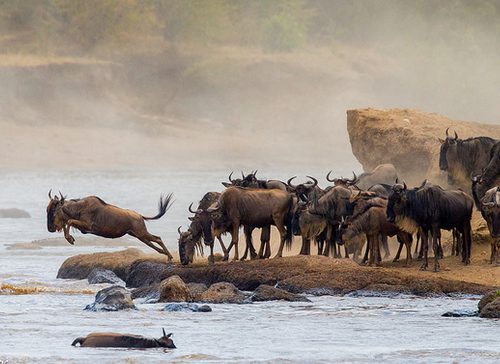
Two halves, two moods. The Mara is open grassland seen from a vehicle; the gorilla day is on foot in steep, wet forest with one hour at the end. Every gorilla and Masai Mara safari is built from four blocks: an arrival night, three or four Mara nights, a transfer day, and two or three nights near the gorilla park. A balloon flight, a Maasai village visit or chimps in Kibale all sit inside a block, never between them.
The transfer day is the one people underestimate. A light aircraft to Nairobi, a road transfer across the city, a regional flight, then a bush flight or a long drive. Count it as a full day with no wildlife in it.
The gorilla block needs a buffer. Permits are sold for a fixed date and a missed trek is not refunded, so never arrive in the country the evening before your trek. That is why eight days is the floor and most planners steer people towards ten. Wondering why the trip must cross a border at all? Our guide are there gorillas in Kenya explains, and the Masai Mara safari guide covers the reserve itself.
Most travellers take a private, tailor made trip with dates set by the permit. Scheduled small group tours also run, usually two weeks overland with the permit sold as an extra: cheaper per head, but the order, lodges and trek day are fixed for you.
Routing the Trip: Nairobi, Entebbe and Kigali Connections
Three airports carry this Kenya and gorilla safari, and the one you use for the gorillas decides most of the logistics.
Nairobi has a quirk. Most scheduled flights to Mara airstrips such as Keekorok, Ol Kiombo or Musiara use Wilson Airport, while flights to Entebbe and Kigali leave from Jomo Kenyatta International, across town. Leave at least three hours between landing from the Mara and your regional departure, and check which airport each ticket uses, since some light aircraft services now run from JKIA too. The road alternative from Nairobi to the Mara runs through the Rift Valley and Narok and takes five to six hours.
The fly in gorilla safari page compares the Kihihi and Kisoro flights, getting to Bwindi sets out the road times, and Bwindi gorilla trekking from Kigali covers landing in Rwanda and trekking in Uganda.
Mara First or Gorillas First: Ordering Your Safari Tour
Either works. Most people put the Masai Mara safari first: Nairobi has the most long haul arrivals, game drives are a gentle cure for jet lag, and Mara camps are more forgiving about arrival times than a permit is.
Gorillas first suits travellers whose flights land in Entebbe or Kigali, or who want the hard walking done while their legs are fresh. It also means the last day of the holiday is a dawn drive above the plains rather than a transfer, which plenty of trip reports count as the better ending. Whichever way, book the permit date first and fit the Kenya nights around it; the gorilla permits guide explains how both countries sell them.
7 Day Bwindi by Road and Masai Mara Safari
The cheapest shape on the market, sold by several Kampala operators. It runs a Bwindi gorilla trek by road from Entebbe, then flies to Nairobi and drives to the Mara.
It works on paper, but there is no buffer before the trek, so land in Entebbe the day before day 1, which makes it eight days anyway. The 7 day Uganda safari and 7 day Kenya safari pages show what a week buys in each country on its own.
8 Day Gorilla and Masai Mara Safari via Kigali
The shortest version that does not feel rushed. It pairs a Mara game drive safari with a Rwanda trek, since Volcanoes is the quickest gorilla forest to reach from an international airport.
One long transfer, a full buffer day, one gorilla family and no second chance. Our Rwanda gorilla tours page compares the short trips that end this route, and golden monkey trekking covers day 8.
9 Day Masai Mara and Bwindi Fly In Safari
This one runs gorillas first and ends in the Mara. Two light aircraft legs in Uganda replace the long road, so you get Bwindi’s lower permit price and a spare forest day. Our guide to Uganda gorilla trekking covers the Bwindi side of the trip.
If your permit is for Rushaga or Nkuringo, swap Kihihi for Kisoro. Buhoma stays range from Gorilla Forest Camp at the top end to Mahogany Springs and simpler community lodges. The Mara guide lays out a Mara first version of nine days, and Buhoma gorilla trekking describes the families in this sector.
10 Day Kibale Chimps, Bwindi Gorillas and Mara Safari
The best value long version. Uganda is done by road in a private 4×4 with a driver guide, adding chimpanzee tracking in Kibale and the Ishasha plains before one flight hop to Kenya. Our overview of Uganda safaris covers both parks.
Days 2 and 4 are long, so this only makes sense if chimps matter to you. The 10 day Uganda safari shows the same parks on their own, and Kibale chimpanzee trekking explains the morning session.
12 Day Three Country Safari: Mara, Bwindi and Volcanoes
Two gorilla forests and a proper Mara safari, with Kigali as the hub.
The second hour with a different family is often the one people remember best, because the first goes on photographs. The Uganda and Rwanda gorilla safari guide covers this two country leg, and the habituation experience page explains the Rushaga option.
Two Week Gorilla and Mara Trips: Lake Nakuru, Overland Routes and Zanzibar
With a fortnight, a gorilla and Mara tour stops being a race between airports. Three extensions come up again and again on longer trips.
Overland trips leave a buffer of two days at Lake Bunyonyi for the trek, because group permits are hard to line up on one date; you trek once and spend the other day canoeing or walking. Our two week East Africa safari plans the fortnight in full, Murchison Falls safari covers the Nile stop, Lake Mburo the last Ugandan night, and Tanzania safari and Zanzibar the island.
Choosing the Mara Camp and Gorilla Sector for a Combined Trip
On a combined gorilla and Mara trip, where you sleep in Kenya and where your permit sends you decide how much time goes on vehicles.
Reserve or conservancy. Reserve camps sit closest to the main crossing points, which matters from July to October. Rekero, near where the Talek meets the Mara, is one example; Angama Mara sits on the escarpment above the Mara Triangle. Conservancies such as Mara North, Olare Motorogi and Naboisho cap vehicles at sightings and allow walks and night drives; Karen Blixen Camp and Offbeat Mara are in Mara North, and Porini Mara in Ol Kinyei. Short trip in crossing season? A reserve camp near the river. Any other month, a conservancy usually gives the better three nights. Ask which airstrip your camp uses, since a camp an hour from its strip loses half the arrival afternoon, and check opening months: some camps close for the April and May rains. The Masai Mara safari cost guide shows what each choice adds.
Gorilla sector. In Uganda, Buhoma and Ruhija pair with Kihihi and the Katuna border; Rushaga, Nkuringo and Mgahinga with Kisoro and Cyanika. Mgahinga’s single family has crossed borders in the past, so it suits people relaxed about a small risk. In Rwanda every trek starts from Kinigi, and lodges run from Musanze hotels to Mountain Gorilla View, Bisate and Singita Kwitonda on the park edge. See Rushaga gorilla trekking, Mgahinga gorilla trekking, lodges near Volcanoes and Bwindi lodges by sector.
Uganda or Rwanda. Uganda brings more families, a cheaper permit, habituation and chimps. Rwanda brings speed. The Uganda vs Rwanda comparison goes deeper, and travellers with limited mobility should read gorilla trekking for disabled travellers before choosing, since carried treks must be arranged ahead.
Wildlife Watching on a Gorilla and Mara Safari
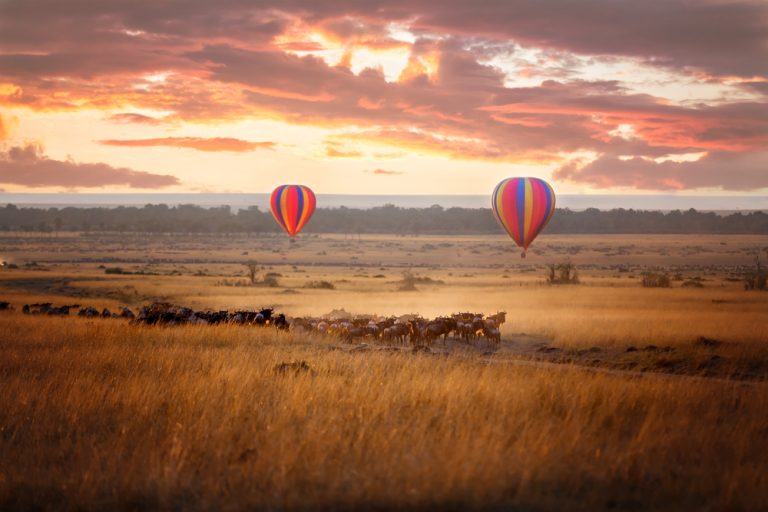
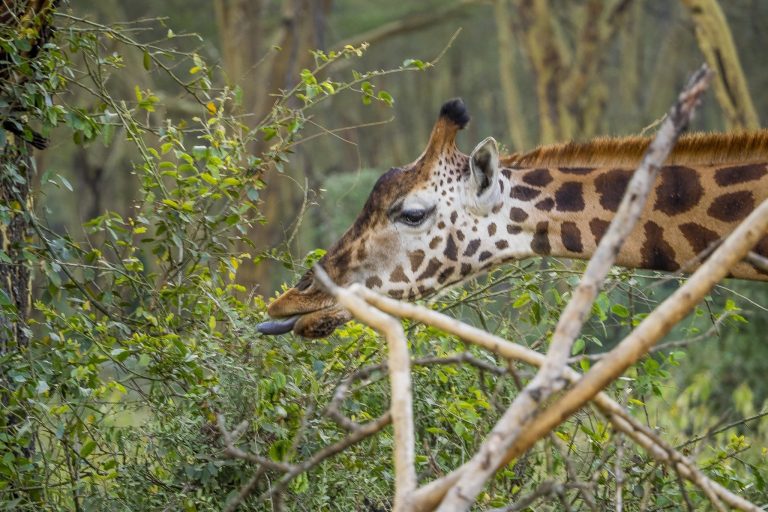
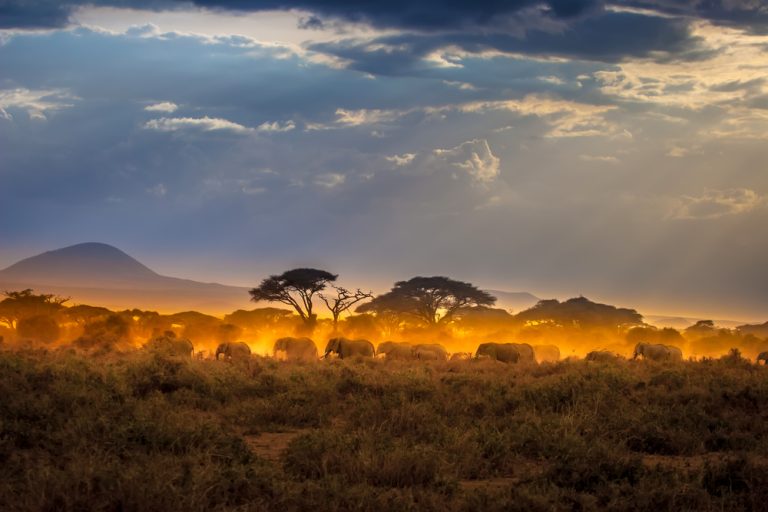
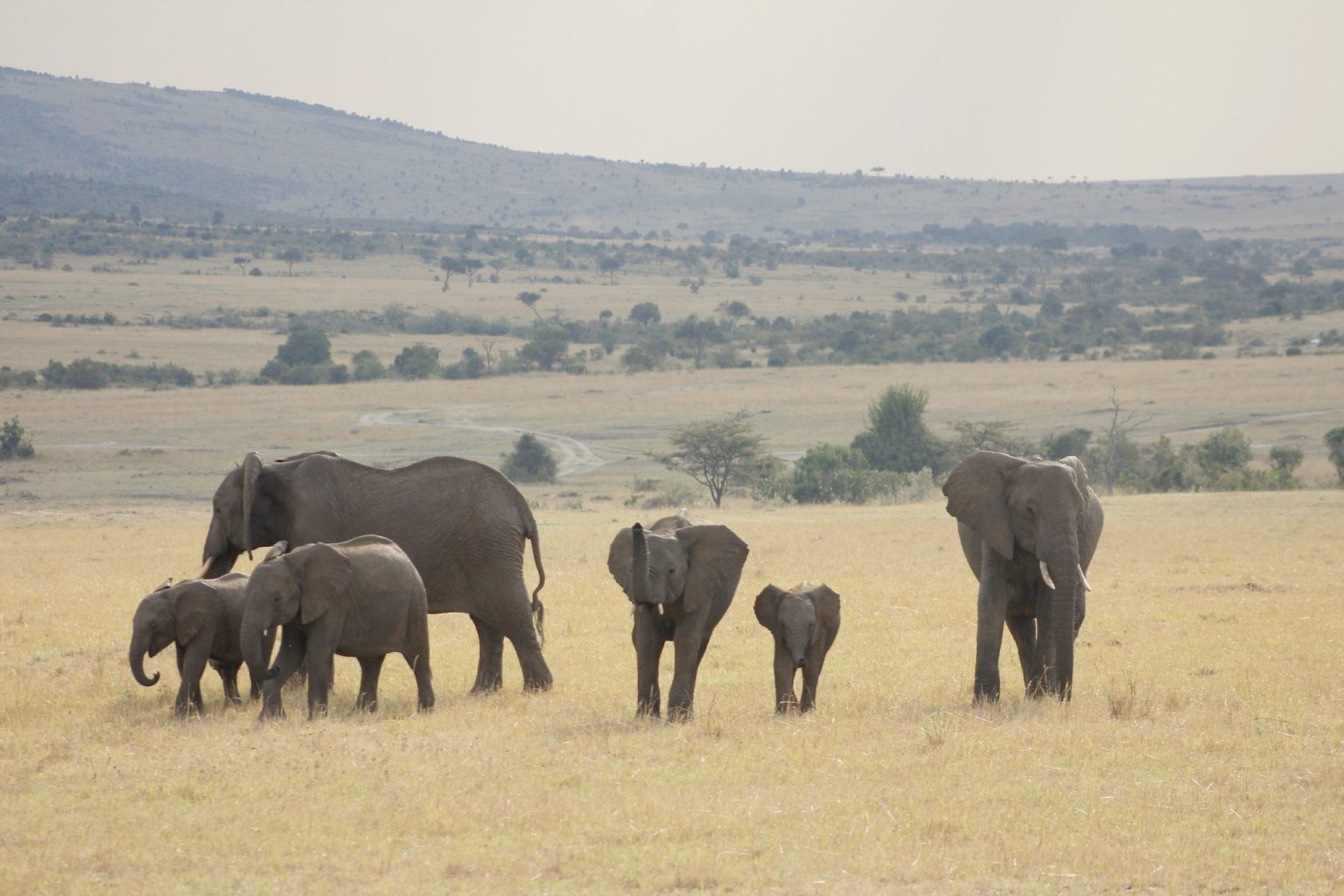
What you see on each half is very different, and it helps to know the odds before you go. On a Mara game drive safari, lion, elephant, buffalo, giraffe, hippo, zebra, topi and spotted hyena turn up on almost every trip of three nights or more. Cheetah are seen often on the open plains. Leopard need luck and a guide who knows the river woods. Black rhino live in the reserve in small numbers and are rarely found, and wild dog are rarely recorded there.

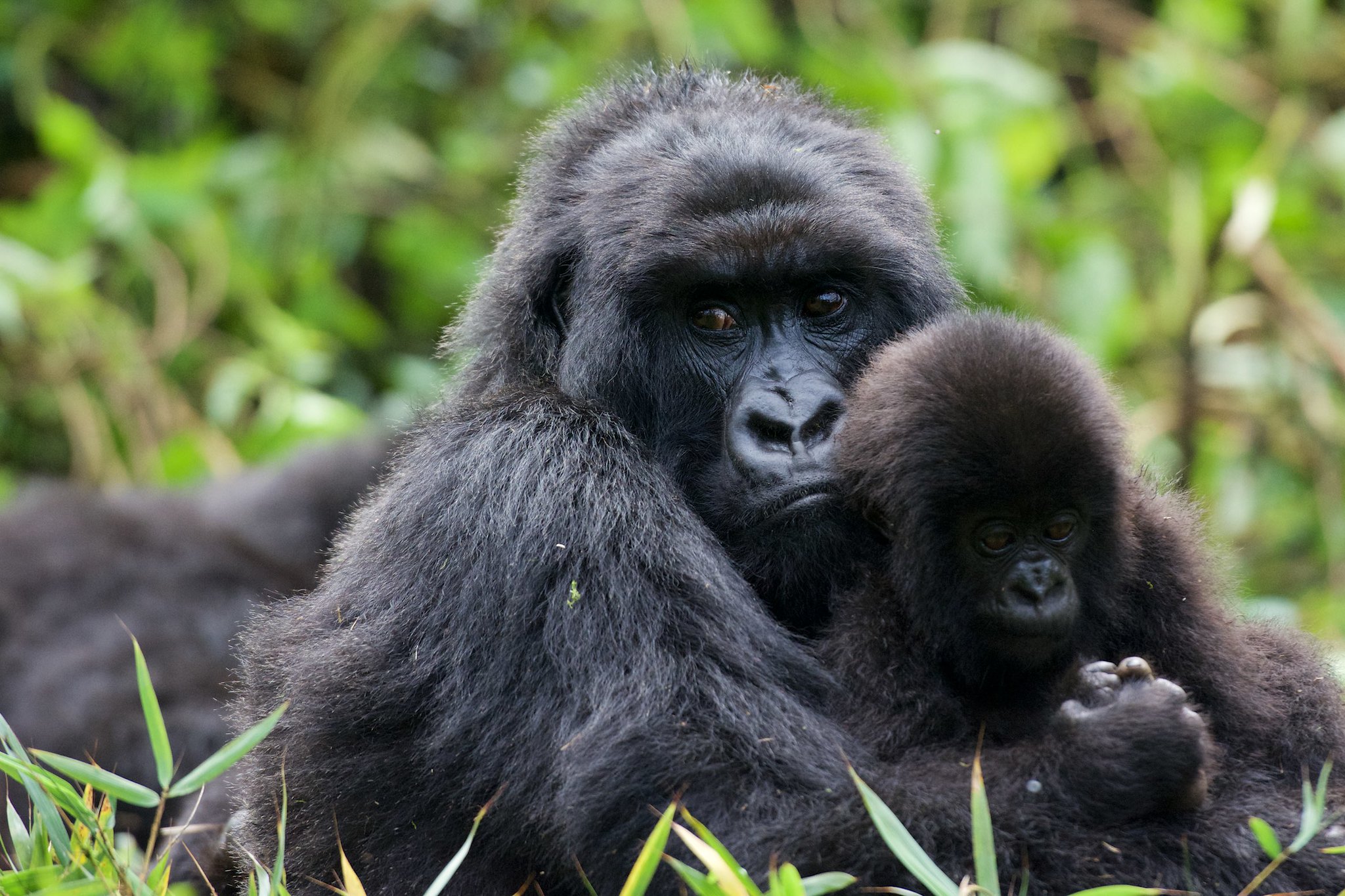
The gorilla trek works on different rules. Each habituated family takes one group of up to eight visitors a day, and that group spends one hour with the gorillas once found. Trackers go out at dawn to locate the family, so sightings are very likely, though no ranger will promise one. The walk can be thirty minutes or most of a day. Golden monkeys in Volcanoes or Mgahinga, chimps in Kibale and birds on every forest trail fill the days around it.
Pack the long lens for Kenya and keep a wide one handy in the forest, where families can sit within a few metres of the path. Our Great Wildebeest Migration page explains the herds, and Masai Mara migration safari covers crossing season trips in Kenya alone.
Timing a Gorilla and Mara Safari Month by Month
Treks run every day and the Mara has resident lions and plains game all year. The best time for a gorilla and Masai Mara safari is when crossing season and the forest dry season overlap.
| Month | Mara game | Forest trails | Permit demand |
|---|---|---|---|
| January | Resident game | Drier | High |
| February | Resident game | Drier | High |
| March | Rains begin | Wetter | Moderate |
| April | Long rains | Wettest | Low season |
| May | Long rains | Wet | Low season |
| June | Drying out | Dry | High |
| July | Herds arrive | Dry | Peak |
| August | Crossings | Dry | Peak |
| September | Crossings | Dry | Peak |
| October | Herds thinning | Rains return | High |
| November | Short rains | Wet | Low season |
| December | Resident game | Drying | Holiday peak |
July to September is the classic window, which is why permits and river camps sell out first. Book four to six months ahead for Rwanda and at least three for Uganda. Crossings depend on rain and the herds, so even a well timed trip can wait hours and see nothing; three or four Mara nights give far better odds than two.
October is a gamble that often pays. Some herds linger, and the forest’s short rains tend to come in afternoon bursts. December to February is the second dry spell in the forests; the herds are calving in Tanzania then, but Mara cats stay and both halves are calmer outside the Christmas fortnight.
March to May brings the long rains. Mara tracks turn to mud, a few camps close and Bwindi’s slopes get slippery, but the forest is at its greenest, fewer people trek, and Uganda sells reduced low season permits for April, May and November. Expect warm days on the Mara plains and cool, damp mornings at the gorilla lodges, which sit far higher. More detail is on the best time for gorilla trekking in Uganda and the Great Wildebeest Migration page.
What a Gorilla and Mara Safari Quote Should Include
Combined trips are often run by two operators working together, which is where gaps appear. Check the safari quote leg by leg.
Ask each company for an itemised quote on the same camps and nights. The Uganda and Kenya safari cost guide prices the two halves together, and the Kenya safari cost and gorilla trekking cost guides break each half down.
Visas, Health and Bags for a Kenya and Gorilla Trip
Kenya now uses an Electronic Travel Authorisation, applied for online before you fly. The Kenyan version of the East Africa Tourist Visa has been shown as unavailable, so most travellers take a standard Kenyan eTA for the Mara and the joint visa, or separate visas, for Uganda and Rwanda; a standard eTA lets you leave for another East African Community country and come back while it is valid. Kenya has also gazetted a health insurance requirement uploaded with the eTA, and its enforcement was challenged in court, so check the eTA portal before you buy a policy. Our East Africa Tourist Visa page tracks where this stands.
Carry a yellow fever certificate, dated at least ten days before travel: Kenya and Rwanda ask for one from travellers arriving from risk countries. Rwanda bans plastic carrier bags. Talk to a travel clinic about malaria, and buy safari insurance with medical evacuation and trip disruption cover, since a missed trek date is not refunded. At the latest check the US State Department rates Kenya and Rwanda at Level 3 and Uganda at Level 4, so read your own government’s advice and confirm your policy covers you under it; our is Uganda safe page has the detail.
Bush flights allow about 15 kg in a soft bag, so one safari duffel bag does both halves. Wear your boots on the regional flight and keep trek clothes in hand luggage; a delayed bag cannot follow you into the forest on a fixed permit date. Add gardening gloves for nettles and a rain jacket, and a copy of Dian Fossey’s Gorillas in the Mist makes good reading on the flight west. The gorilla trekking packing list and what to wear on safari cover the rest.
Gorilla and Masai Mara Safari FAQ
How much does a gorilla and Masai Mara safari cost per person?
Our Uganda and Kenya safari cost guide adds published rates for two sharing: about US$1,550 to US$2,030 per person on budget packages for one Uganda trek plus three Mara days, before the linking flight, visas and tips; about US$4,180 to US$5,330 for eight days in midrange conservancy camps and lodges; and from about US$14,000 at the luxury end. A Rwanda trek in place of Uganda adds US$700 per person at the full permit rate. These are ranges, not prices.
What are the permit and park fees on a combined safari?
Uganda’s gorilla permit is US$800 for foreign non residents, US$700 for foreign residents and UGX 300,000 for East African citizens, with low season permits at US$600 (US$500 for residents) in April, May and November on fixed dates that cannot be rescheduled. Permits are paid in full at booking. Rwanda’s permit is US$1,500, with 30 percent off (US$1,050) from November to May for visitors who also stay in Nyungwe or Akagera. Bwindi’s habituation experience is US$1,500, with a rise to US$1,800 announced. The Mara reserve charges non resident adults US$100 a day from January to June and US$200 from July to December on a 12 hour ticket; conservancy fees are usually inside the camp rate.
What do flights, visas and tips add?
Kenya’s standard eTA has been reported at US$30, and the East Africa Tourist Visa for Uganda and Rwanda is US$100. A Wilson to Mara return flight is about US$479, Nairobi to Entebbe or Kigali usually a few hundred US dollars one way, and a bush flight to Kihihi or Kisoro a similar amount. Driver guides commonly receive US$10 to US$20 per guest per day.
How many days do I need for gorillas and the Masai Mara?
Eight days keeps three Mara nights and a buffer before the trek. Ten adds a second trek, chimps or rest, and twelve to fifteen covers two gorilla countries, Lake Nakuru or a beach at an easy pace.
Can I do a gorilla trek and the Mara in one week?
Yes, with Rwanda: two Mara nights, a transfer to Kigali and a trek from Kinigi, with no slack if a flight slips. With Uganda, a week works with bush flights both ways, or by road from Entebbe only if you arrive the day before.
How fit do I need to be for the gorilla trek after a safari?
Reasonably. A trek can take under an hour or most of a day on steep, muddy ground at altitude, and days in a vehicle do nothing for your legs. Hill walking beforehand helps, porters carry bags, and the minimum age is 15 in both countries. See how hard gorilla trekking is.
Is Uganda or Rwanda better to combine with the Masai Mara?
Rwanda if time is short; Uganda for a cheaper permit, more families, chimps or a second trek. Both give the same hour with a habituated family.
Is a gorilla and Masai Mara safari safe?
Most trips run without trouble, with guides, lodges and transfers arranged throughout. At the latest check the US State Department has Kenya and Rwanda at Level 3 and Uganda at Level 4, so read the current advice for your own country, check your insurance applies, and ask your operator how they handle changes.
Will I see a river crossing on a combined trip?
Possibly, but nobody can promise one. Crossings happen mostly from July to October and can take hours of waiting, so plan three or four Mara nights and one full day near the river.
What if a flight delay makes me miss my gorilla trek?
The permit is lost, which is why every plan here puts a full day between arriving and trekking. Ask your operator in writing what they do if a regional flight is cancelled.
Can I pair the gorillas with the Serengeti instead?
Yes. Flights link Kilimanjaro and Arusha with Kigali and Entebbe, but Tanzania needs its own visa. See Tanzania safari and gorilla trekking.