A two week East Africa safari itinerary can cover Uganda, Kenya and Tanzania if each country gets four or five nights and the longer gaps are flown. The usual order is mountain gorilla trekking in Bwindi, then a Masai Mara safari in Kenya, then the Serengeti and Ngorongoro Crater in Tanzania. Most travellers book all fourteen days through one licensed operator, who lines up the permits, regional flights and border handovers, because three countries in two weeks leaves little slack.
Two weeks fits three countries, just. What follows is a realistic day by day route, four variants, the connections between countries and what a quote ought to cover. Every price sits in the FAQ at the end.
How a Two Week East Africa Safari Fits Three Countries
Each country on an East Africa safari brings something the other two lack, which is why the three country version is so popular. Uganda has the mountain gorillas, chimpanzees in Kibale and the Kazinga Channel boat safari. Kenya has the Masai Mara, a short flight from Nairobi. Tanzania has the Serengeti, which holds the wildebeest migration for most of the year, and the Ngorongoro Crater. Kenya and Tanzania have no wild gorillas, so if gorillas are on the list, Uganda or Rwanda has to be on the route; our guide are there gorillas in Kenya explains why. Our Uganda safari guide covers the Uganda leg park by park.
That split gives two full game days in each savannah park. Want more breathing room? Drop a country. Travellers who have done both versions tend to put it the same way: two countries in a fortnight feels like a holiday, three feels like an expedition. Our guide to the best African safari countries helps decide which one to drop.
The 14 Day Uganda, Kenya and Tanzania Safari Itinerary, Day by Day
This 14 day safari itinerary runs west to east, primates first and open plains last. It suits travellers who fly into Entebbe and home from Kilimanjaro, and it puts the most physical day early, before a week of 6 am starts has worn anyone down.
Day 11 is the hinge of the fortnight. It decides whether you lose half a day or a whole one, and it is the leg operators price most differently.
Gorilla and Chimpanzee Trekking Days on the Uganda Leg
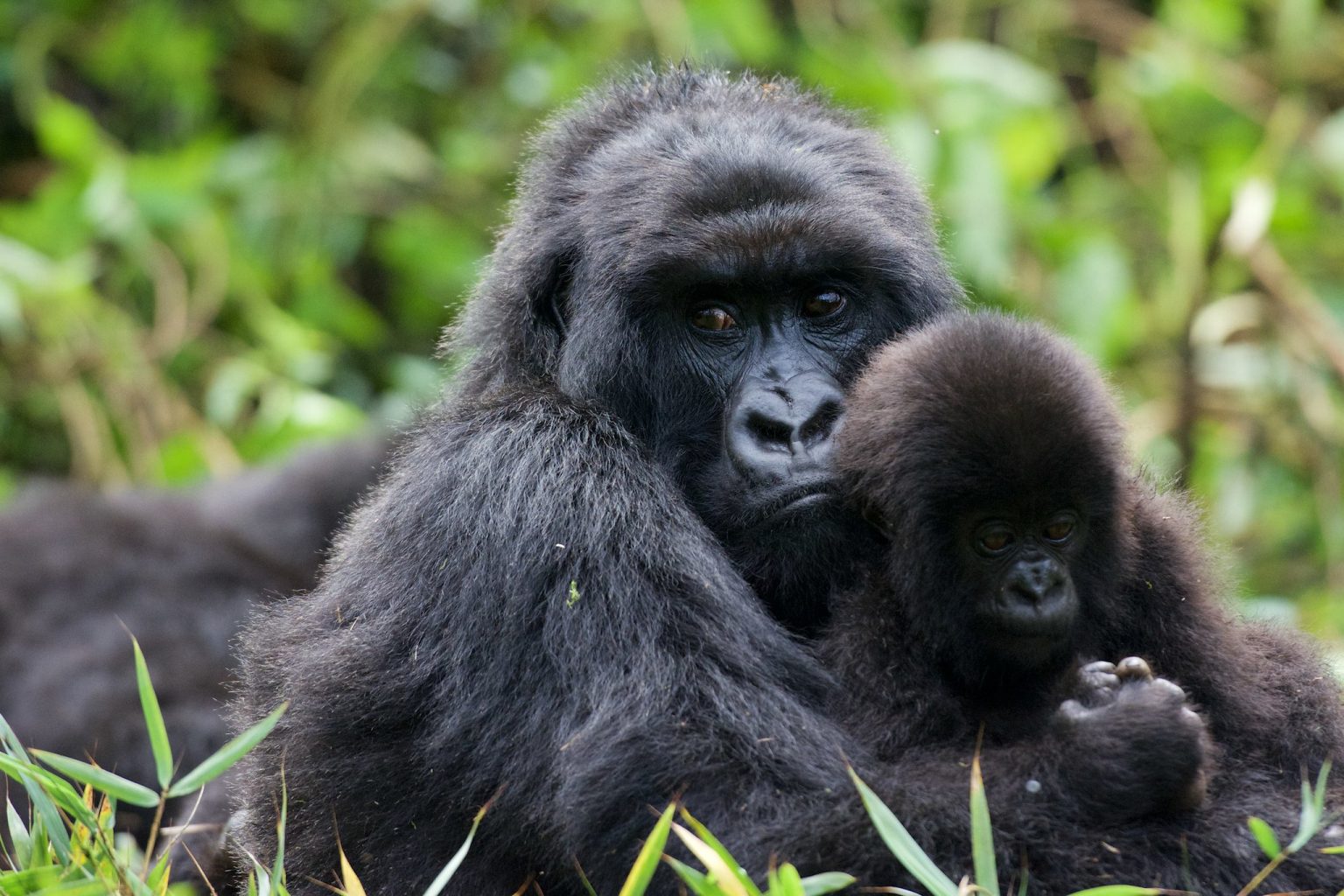
Gorilla trekking in Bwindi is the fixed point the other twelve days bend around. Permits carry a set date and sector and are paid in full at booking, so the trek day gets locked first. Each family takes at most eight visitors a day, you spend one hour with the gorillas once they are found, and the minimum age is 15. Our gorilla permits guide covers how booking works, and gorilla trekking in Uganda covers the day itself.
A trek can last forty minutes or most of the day. Trip reports repeat the same practical points: hire a porter even if you feel fit, wear gardening gloves against the nettles, tuck trousers into socks against ants and carry more water than seems sensible. Read how hard gorilla trekking is before deciding whether to ask the rangers for a nearer family.
Never fly on the morning of the trek. A delayed Kihihi flight that day costs you the permit, which is why Day 2 exists as a buffer.
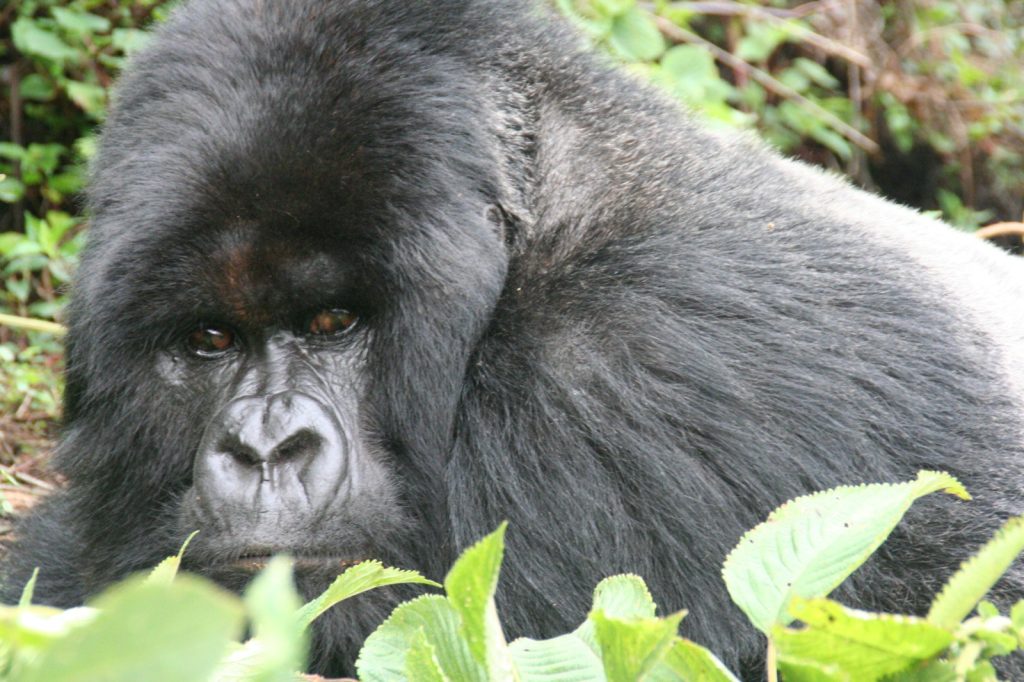
Buhoma suits this route because of the Kihihi airstrip and the Ishasha road. Trackers Safari Lodge and Mahogany Springs sit near the briefing point, and our Bwindi lodges page compares the sectors.
Chimpanzee tracking in Kibale is the second primate day, usually shorter and flatter than a gorilla trek, though the chimps move quickly through the trees and you may jog to keep up. The minimum age is 12; see our Kibale chimpanzee trekking guide. Between the two forests, a Queen Elizabeth safari adds savannah game drives and the Kazinga Channel launch.
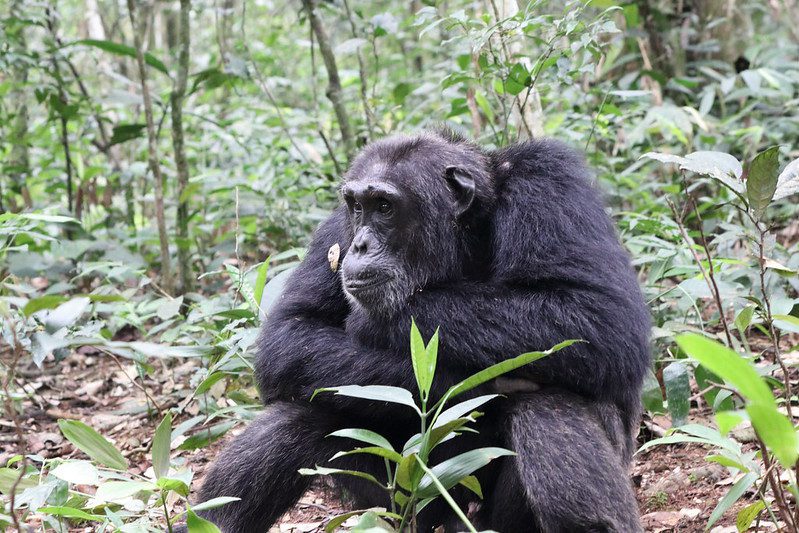
Swapping Queen Elizabeth for Murchison Falls and its Nile launch adds a long road day, so it suits a Uganda only trip better. Our 7 day Uganda safari and 10 day Uganda safari show the longer versions.
Masai Mara Safari Days and the Crossing to the Serengeti
Three nights on a Masai Mara safari form the Kenya core of almost every two week East Africa itinerary. Flying from Wilson Airport turns a five to six hour road trip into well under an hour, and on a three country schedule the time saved is worth more than the fare difference.
Plan the arrival day carefully. A reserve ticket runs for 12 hours, 6 am to 6 pm, so driving in late on arrival still costs a full day. Conservancy camps sidestep this, since their rate covers a conservancy fee and you buy a reserve ticket only on days you cross into the reserve. The Masai Mara safari cost guide explains the trade, our Masai Mara safari guide compares the reserve and the conservancies, and the best safari in Kenya covers whether a second Kenyan park is worth the extra night.
The Mara and the Serengeti are one ecosystem divided by a border, yet you cannot drive straight across, because the Bologonja crossing has been closed to tourist traffic since 1977. That leaves three ways over.
The road works if Day 11 is treated as a pure travel day with a picnic lunch. Borders here are rarely quick, and travellers who have crossed several advise carrying crisp, recent US dollar notes, since older or torn bills are often refused.
Group overland tours that drive this crossing often split it in two, with a night on the Tanzanian shore of Lake Victoria before entering the Serengeti from the west. It costs a day but turns a ten hour slog into two manageable ones.
Serengeti and Ngorongoro Safari Days to Finish the Trip
The Serengeti safari closes the fortnight, and where you sleep depends on the month. From July to October the herds are usually in the north around Kogatende, a short hop from the Mara. From December to March they spread across the southern plains near Ndutu for the calving season. Central Seronera keeps resident lions, leopards and cheetahs all year, the safe pick outside migration months. Our great migration safari packages page tracks the herds month by month, and the Serengeti safari guide explains each region.

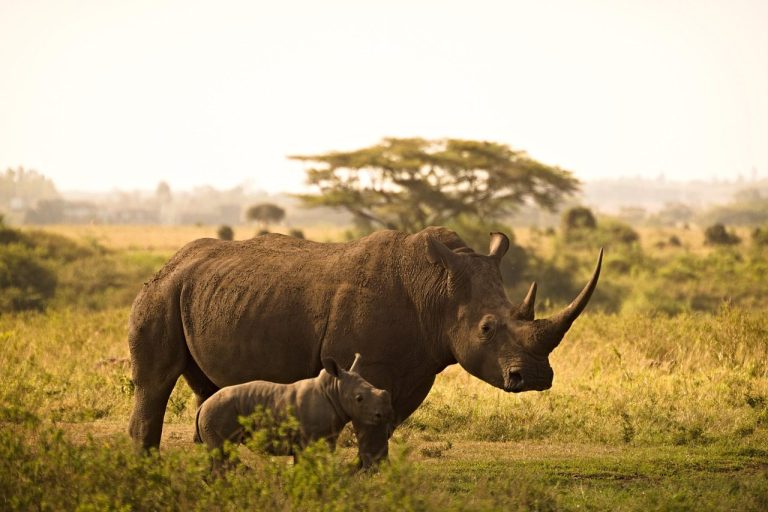
South of the Serengeti, the road to the Ngorongoro Crater safari passes Olduvai Gorge and climbs to the rim, where nights are cold enough for a fleece. A morning descent gives half a day on the crater floor, one of the better places in East Africa to look for black rhino, though no sighting is guaranteed. Kites at the crater picnic sites snatch food from hands, a detail trip reports mention again and again, so eat inside the vehicle. See our Ngorongoro Crater safari guide.
Two optional extras fit this leg. A dawn balloon flight over the Serengeti needs booking with the safari and can be cancelled by wind. A Maasai village visit, usually on the road between the crater and the Serengeti, takes an hour or two; ask your guide which communities run visits fairly. Around Karatu, a coffee farm tour or a morning with the Hadzabe near Lake Eyasi makes an easy half day if the schedule has slack.
One extra day buys Tarangire’s elephants and baobabs, or a half day at Lake Manyara on the way to the crater. Three extra days buy Zanzibar, a short flight from Arusha or Kilimanjaro. Our Tanzania safari packages page, the 15 day Tanzania and Zanzibar itinerary and the 14 day Tanzania safari show those versions.
Four Other Ways to Shape a Two Week East Africa Safari
Each of these trades a little of one thing for more of another.
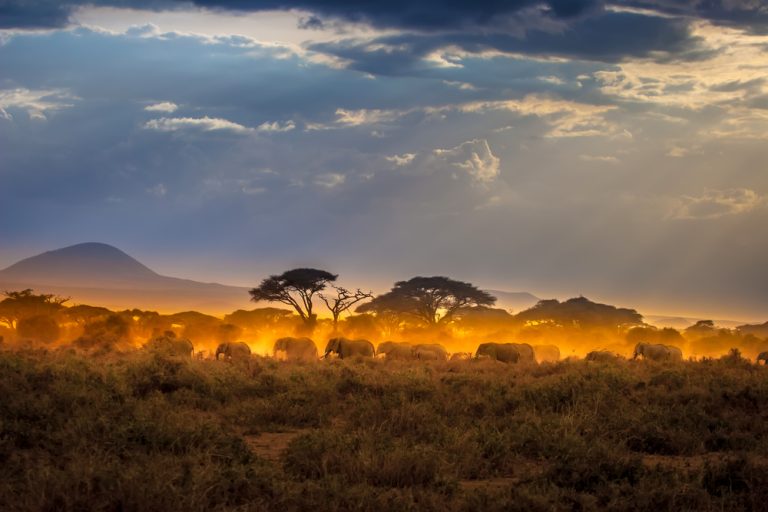
Kenya can also carry more of the trip. Amboseli puts elephants under Kilimanjaro, Lake Nakuru is one of the better Kenyan parks for rhino, and Lake Naivasha adds a boat trip and a walking safari on Crescent Island. Any one of them can replace a Uganda night or two. A road only fortnight, crossing at Busia and Namanga, suits budget travellers but costs two or three days.
Two other shapes turn up again and again in operators’ two week plans. One trades the third country for a beach: a gorilla trek in Uganda or Rwanda, three or four nights in the Mara or the Serengeti, then Zanzibar for Stone Town’s lanes and the reef around Mnemba Island. The other stays west. A primate fortnight across Uganda and Rwanda, taking in Murchison Falls or Queen Elizabeth, Bwindi, Lake Bunyonyi and Volcanoes, gives up the big savannah herds for chimps, gorillas and golden monkeys, with far fewer flights. A few operators also fold in Burundi and its drummers at Gishora, which adds a border crossing but little wildlife.
Another idea: exit through Kigali, four to five hours by road from southern Bwindi; our Uganda and Rwanda gorilla safari page covers that side, and Uganda vs Rwanda gorilla trekking compares the two. If the migration is the main reason for the trip, use Variant A.
Flights, Borders and Visas Between the Three Safari Countries
Regional flights carry most multi country safari trips. Entebbe to Nairobi runs several times a day on Kenya Airways and Uganda Airlines in a little over an hour. Uganda Airlines flies Entebbe to Kilimanjaro direct on selected days, and RwandAir links Kigali with Kilimanjaro. These schedules change more often than long haul ones, so fix the regional flight days first and fit the parks around them.
By road, Busia and Malaba link Kenya and Uganda, and Namanga links Nairobi and Arusha. Both suit travellers with time to spare. See getting to Bwindi for the road and air options on the Uganda side.
Visas decide the order of countries more than most people expect. The East Africa Tourist Visa covers Uganda, Rwanda and Kenya, not Tanzania, and leaving the zone ends it. Keep Tanzania at the start or the end, never in the middle, or you buy the joint visa twice. Kenya’s East African Tourist option has been listed as unavailable on its eTA portal, so travellers landing in Nairobi often take a Kenyan eTA instead. Kenya has also gazetted a health insurance requirement for visitors, which has been challenged in court, so check the eTA portal before you travel. Our East Africa Tourist Visa page explains the first country of entry rule.
Tanzania needs its own visa plus a government inbound travel insurance policy, and one policy covers both the mainland and Zanzibar. A yellow fever certificate is worth carrying throughout, since Tanzania, Zanzibar included, can ask for one from travellers arriving from Kenya or Uganda. Our African safari insurance guide covers the evacuation cover a three country trip needs.
Health deserves a line of its own in the plan. Malaria is present in the lower lying parks of all three countries, so see a travel clinic about tablets well before you fly and pack a strong repellent; routine vaccines plus hepatitis A and typhoid are commonly advised for the region, and the clinic will say what applies to you. If the route runs through Rwanda, its yellow fever rule is the one that bites: a certificate is asked of travellers arriving from risk countries such as Uganda and Kenya, and it counts only from ten days after the vaccination.
Timing a Three Country Safari Around the Migration and the Rains
The best months for a two week East Africa safari are late June to October and mid December to February, the dry seasons the three countries roughly share.
River crossings are never guaranteed, and Bwindi sees rain in every month. See the best time for gorilla trekking in Uganda and the best time to visit Tanzania.
Choosing Lodges, Vehicles and an Operator for a Multi Country Safari Tour
A good quote for a three country safari tour names every night, flight and fee, so you can compare operators line by line.
Lodges come in three broad tiers in all three countries: simple lodges outside park gates, comfortable lodges and tented camps inside or beside the parks, and small conservancy and river camps placed for the migration. Mixing tiers is normal, and a good camp in the Mara or the Serengeti matters more than an upgrade in Nairobi.
Private or group? Small group departures run mostly on the Kenya and Tanzania road loop; three country trips are usually private, because flight days rarely line up for strangers. Prices move most with the season, the camp tier, how many legs you fly and how many share the vehicle. One operator handling all three countries usually costs less than three separate bookings, with one margin and no gaps between handlers. Solo travellers should ask about the single supplement early, since most camps charge one and only some group departures will pair you with a roommate instead. The Kenya safari cost, Serengeti safari cost, Tanzania safari cost and gorilla trekking cost guides break down each country’s share.
Safety Advice and Travel Advisories for the Safari Countries
Official advice differs a lot between the four countries a route might touch, and it changes, so read it before paying a deposit. At the latest check, the US State Department rated Kenya Level 3 and Rwanda Level 3, both Reconsider Travel, Tanzania Level 2, Exercise Increased Caution, and Uganda Level 4, Do Not Travel, citing health, crime, terrorism and unrest. The UK takes a less severe line on Uganda, and most organised gorilla trips continue, yet a Level 4 rating can affect what a travel policy will pay for. Check yours.
On the ground, the real risks on this route are road travel, petty theft in cities and border areas away from the safari circuit. Our pages on whether Uganda is safe to visit and the safest countries in Africa to visit set out the official advice country by country.
Packing and Booking a Multi Country Safari Trip
Pack for the smallest plane. Light aircraft into Kihihi, the Mara and the Serengeti usually allow about 15 kilograms per person in a soft bag, camera gear included. One safari duffel bag and a daypack cover both halves: neutral layers for dawn drives, a fleece for Ngorongoro, waterproof boots and gloves for Bwindi. Our gorilla trekking packing list and what to wear on safari cover the rest. One eSIM rarely works well in every country, travellers report, so a local SIM on arrival is the simpler fix. Many Mara and Serengeti camps run on solar with charging at set hours, so carry a battery pack, and tell the operator in advance if you need electricity overnight for a CPAP machine.
Book the gorilla permit first, then the regional flight days, then the camps. Self drive is not realistic on this route: private cars are barred from the Mara, and switching rentals at two borders costs more trouble than it saves.
Two Week East Africa Safari FAQ
How much does a two week East Africa safari to Uganda, Kenya and Tanzania cost?
As market ranges from current operator listings, per person sharing and excluding international flights: a budget trip with road transfers, simple camps and shared vehicles usually falls around US$5,000 to US$6,500; a midrange private trip with lodges, a gorilla permit and the main regional flights around US$8,000 to US$12,000; and a luxury fly in trip with conservancy and river camps from about US$15,000 to well above US$25,000. Two country versions of the same length usually cost less because they need fewer flights. Regional and light aircraft legs commonly add a few hundred dollars each per person. Treat these as guides, not fixed prices.
Which permits, park fees and visas go into the price?
Uganda’s gorilla permit is US$800 for foreign non residents (US$700 foreign residents, UGX 300,000 East Africans), with a US$600 rate in April, May and November that cannot be rescheduled; Kibale chimp tracking is US$250, or US$200 in those low season months, with a rise to US$300 announced. The Masai Mara charges non resident adults US$100 a day from January to June and US$200 from July to December on a 12 hour ticket. Kenya Wildlife Service publishes US$90 a day for Amboseli and Lake Nakuru, but that schedule was challenged in court, so confirm on the KWS site. Serengeti entry is about US$70.80 to US$82.60 per adult per 24 hours including VAT, depending on season, plus a nightly concession fee, and Ngorongoro charges US$70.80 per adult plus US$295 per vehicle for the crater descent. The East Africa Tourist Visa is US$100, Kenya’s eTA starts at US$30, Tanzania’s visa is US$50 for most nationalities (US$100 for US citizens), and Tanzania’s inbound travel insurance is US$44, covering the mainland and Zanzibar. Check official portals before paying.
Is gorilla trekking cheaper in Uganda or Rwanda on this trip?
Uganda, on the permit alone: US$800 against Rwanda’s US$1,500. Rwanda offers US$1,050 from November to May when the trip includes nights in Nyungwe or Akagera, and its shorter drive from Kigali can save a flight, so compare the whole route rather than the permit line.
How much should I tip on a two week East Africa safari?
Common guidance is about US$20 to US$30 per vehicle per day for each driver guide and US$10 to US$15 per guest per day for lodge staff, often through a shared tip box. On the gorilla trek, a porter charges about US$15 to US$20, plus a tip of about US$5 to US$10, and the rangers and trackers are tipped separately. Carry small, clean US dollar notes.
Is two weeks really enough for three East African countries?
Yes, if you accept about four flights and one long border day. Give each country at least four nights and avoid changing base every day. If you would rather watch animals than travel, two countries in two weeks is the calmer trip.
Which country should come first on the safari?
Let flights and visas decide. Gorillas first suits arrival in Entebbe and puts the hardest day early. Tanzania first suits the July to October migration. Keep Tanzania at one end so you buy the East Africa Tourist Visa only once.
Can I drive from the Masai Mara straight into the Serengeti?
No. The Bologonja crossing is closed to tourists. You drive round through Isebania, changing vehicle there, or fly via Migori and Tarime or through Nairobi and Kilimanjaro.
What would a three week East Africa itinerary add?
A third week lets you slow the same route down rather than add a fourth country: two nights per camp throughout, Murchison Falls or Lake Mburo in Uganda, Amboseli in Kenya, Tarangire in Tanzania, and four or five nights on Zanzibar at the end.
How fit do I need to be for this safari trip?
Most of the fortnight is spent in a vehicle. The gorilla trek is the hard day, on steep, muddy slopes at altitude, and the chimp walk is moderate. A porter and a walking stick help a lot, and rangers can assign a nearer family if you ask at the briefing.
Can children come on a two week East Africa safari?
Yes for game drives and boat trips, but the minimum age is 15 for gorilla trekking and 12 for chimp tracking in Uganda. Younger children stay at the lodge with an adult on those days.
Is it safe to travel to Uganda, Kenya and Tanzania together?
Organised safaris on this route usually run without trouble, but official advice varies. At the latest check, the US rated Uganda Level 4, Kenya and Rwanda Level 3 and Tanzania Level 2. Read your own government’s advice and confirm your insurance covers each country.
When is the best month for a Uganda, Kenya and Tanzania safari?
July to October for river crossings and dry trekking, or January and February for the calving season with fewer vehicles. Avoid April and May unless you are happy with mud and a few closed camps.
How far ahead should I book?
Four to six months for the dry seasons and Christmas, longer for a group or a river camp in August. Secure the gorilla permit first, since it is the item most likely to sell out.
Do I need malaria tablets and vaccinations for this safari?
Plan on malaria tablets, since every country on the route has malaria in its lower parks, and see a travel clinic six to eight weeks ahead for vaccines. Carry a yellow fever certificate if Rwanda or Tanzania is on the route, because both can ask for one from travellers arriving from Uganda or Kenya.