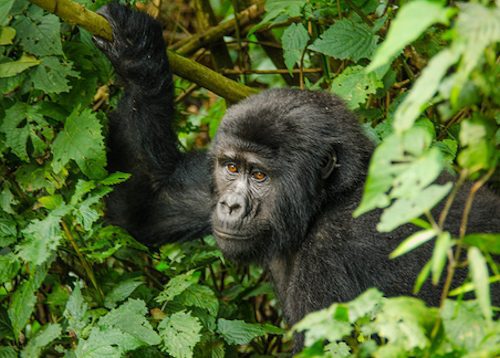
The gorilla trekking cost starts with the permit: US$800 in Uganda, US$1,500 in Rwanda and about US$400 in Congo, where treks are currently closed. A full three day trip with lodges, transport and extras runs from about US$1,200 per person on a shared budget tour to well over US$10,000 on a luxury Rwanda safari. Treks take place in Bwindi and Mgahinga in Uganda and Volcanoes National Park in Rwanda.
Uganda, Rwanda and Congo Gorilla Trekking Permit Costs Side by Side
Country sets the floor for any gorilla trekking safari, because the permit is the one line no operator can discount. Rwanda’s costs close to double Uganda’s for the same hour with a habituated family. Congo’s is the lowest on paper, yet Virunga’s gorilla treks are listed as closed until further notice, so for now it is not a real option.
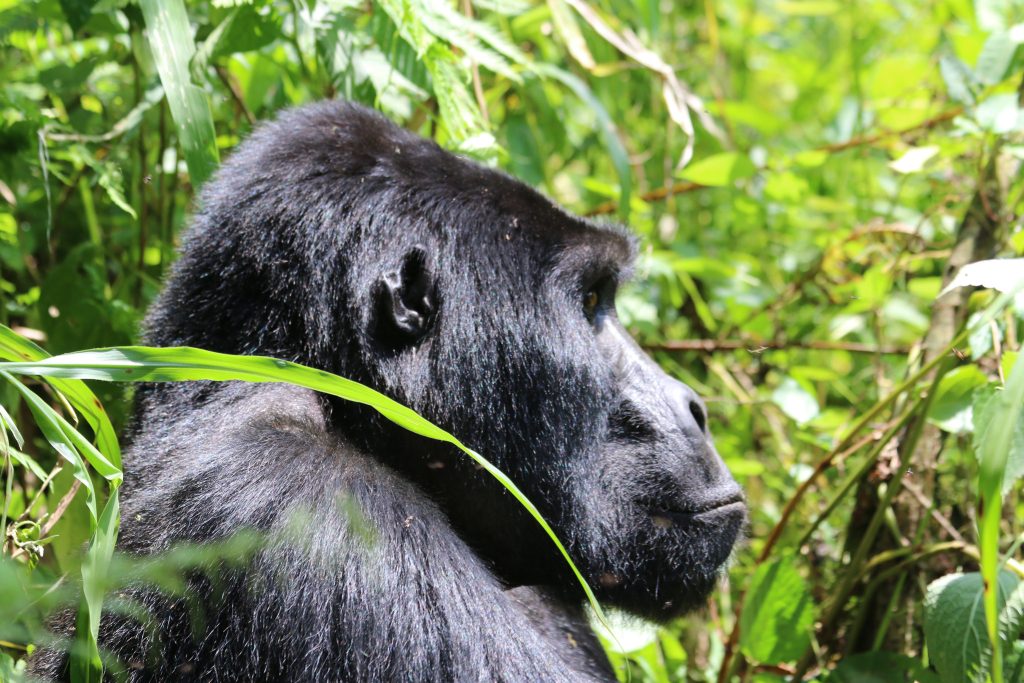
| Country | Standard permit | Low season |
|---|---|---|
| Uganda | US$800 | US$600 |
| Rwanda | US$1,500 | US$1,050 offer |
| Congo (Virunga) | About US$400 | Treks closed |
Uganda’s low rate applies on set dates in April, May and November. Rwanda’s is a 30 percent cut that only works if you add park nights elsewhere, covered in the next section. Put the two side by side and the gap is plain: two Uganda treks in the low season cost US$1,200, still less than one standard Rwanda permit.
Which African country is best for gorilla trekking on cost alone? Uganda, with more families to trek, more budget beds near the trailheads and the only habituation permit. Rwanda wins on time instead, with Volcanoes about two and a half hours from Kigali, while Bwindi is a full day by road from Entebbe. Our Uganda and Rwanda comparison covers the experience side, and the gorilla trekking in Uganda guide explains the parks and sectors.
Congo needs one more line. Its permits have been the cheapest in the region, with lower low season prices reported, but eastern Congo carries the highest level of government travel warnings, and a cheap permit means nothing if the park cannot open. Treat it as watch and wait.
Gorilla Trekking Permit Prices by Visitor Category and Season
Inside each country the price of a gorilla trekking permit moves with your passport, your month and the kind of trek. A tourist on a standard passport pays the top band in both countries, and that is the figure a holiday budget should start from.
| Uganda visitor | Standard | Apr, May, Nov |
|---|---|---|
| Foreign non resident | US$800 | US$600 |
| Foreign resident | US$700 | US$500 |
| East African citizen | UGX 300,000 | Ask UWA |
Operators also report a US$500 band for citizens of other African countries. The low season permits carry a firm catch: they cannot be rescheduled once bought. UWA has also suspended its seven day reservation hold, so every Uganda permit is paid in full at booking.
The gorilla habituation experience in Bwindi’s Rushaga sector costs US$1,500 for foreign non residents and gives up to four hours with a family still getting used to people. UWA has announced a rise to US$1,800, so confirm which rate applies to your trek date before you pay.
Rwanda charges US$1,500 to foreign visitors all year. From November to May, RDB’s low season discount takes 30 percent off, to US$1,050, for travellers who also spend two paid nights in Nyungwe or Akagera with one paid activity, or one night in each on consecutive nights. The rules are tight: one discounted permit per qualifying stay, hotel receipts as proof, and a missed date counts as an expired permit. Promotional rates of about US$500 for African citizens and residents and US$200 for East Africans have been extended, so confirm them with RDB. The gorilla permits page explains booking, and the Rwanda gorilla trekking cost per person guide prices a Rwanda trip line by line.
Gorilla Trekking Safari Lodge Costs per Night
The lodge separates a cheap gorilla safari from an expensive one. Two travellers on the same permit, date and family can still pay bills several times apart, and the room explains nearly all of it.
| Lodge, per person sharing | Low season | High season |
|---|---|---|
| Mahogany Springs, Bwindi | US$325 | US$420 |
| Singita Kwitonda, Rwanda | US$2,720 | US$3,630 |
Those are the lodges’ own published rates. Mahogany Springs in Buhoma includes all meals, bottled water and one drink with dinner; its low season is March, April, May and November. Singita’s rate is per adult, includes VAT, and peaks from June to October and over Christmas. Between them sits most of the midrange: a private cottage, reliable hot water, full board.
Budget is harder to pin to a rate card, because community camps quote by room and change prices often. A useful check comes from a published three day budget package from Kigali at US$1,456 per person for two sharing. Take out the US$800 permit and three days of vehicle, and roughly US$100 a night is left for bed and meals. That is the level of the Buhoma Community Rest Camp beside the gate or the CTPH Gorilla Conservation Camp, with plain rooms and set menus.
Rwanda’s ceiling is far higher. One peak night at Singita costs more than a whole budget Uganda trip, and that is where the country’s pricey image comes from. Musanze town, about thirty minutes from the park office, has the cheaper beds.
Ask what “full board” means. Near the forest it should cover breakfast, dinner and a packed lunch on trek day, because there is nowhere else to eat, yet some budget places quote room only. Several trip reports describe village guesthouses at a fraction of nearby lodge rates and exactly the same gorilla hour. Our Bwindi safari lodges guide sorts the options by sector and tier.
Transport Costs on a Gorilla Trekking Trip: Road, Flights and the Kigali Route
Transport is the cost people underestimate most on a gorilla trekking trip, Uganda above all. Buhoma sits about 450 km from Entebbe, eight to ten hours by road with the last stretch on murram, so a trek from Entebbe means a full driving day each way.
Operators’ own hire pages price a Land Cruiser with driver at about US$120 a day, insurance included and fuel excluded, and up to around US$300 a day for a seven seat safari model. Fuel is the line many quotes leave vague. Diesel in Kampala has been selling at UGX 5,000 to 5,500 a litre, and an Entebbe to Buhoma round trip burns enough for roughly US$190. The driver’s food and bed are normally inside the day rate. Self drive is cheaper per day, though the murram roads, deposit and insurance excess become your problem; the Uganda car hire guide sets out typical terms.
Flying cuts the road to about an hour. Scheduled light aircraft go to Kihihi for Buhoma and to Kisoro for Rushaga and Nkuringo. The airline publishes no fares online; operator fare tables have shown about US$280 one way to Kihihi and US$350 to Kisoro, and recent quotes run higher, so ask for the current fare. Seats are priced per person and bags are tightly limited, which favours couples over families. Charter is the top end, covered on the Uganda helicopter tours page.
The Kigali route is the cheap shortcut for a gorillas only trip: four to five hours from Kigali to Rushaga, Nkuringo or Mgahinga, half the Entebbe drive, which saves a vehicle day of about US$120 plus fuel. Border details are on our gorilla trekking in Uganda from Kigali page.
Watch for the hidden transfer. A Rushaga permit with a Buhoma lodge means hours on the road before dawn on trek day. Booking the lodge in the permit’s sector saves money and sleep, and the getting to Bwindi guide shows how the sectors connect. International flights to Entebbe or Kigali vary too much by origin to quote, yet from Europe or North America they are often the biggest line after the permit.
Hidden Gorilla Trekking Costs: Porters, Tips, Visas, Single Rooms and Extras
Treat the small costs of a gorilla trek as fixed and budget them from day one. Porters wait at every Bwindi briefing point, many from households on the park boundary, and charge about US$15 to US$20 per trek. Paying one is the most direct route for your money into those villages. Trip reports repeat the same story: people who planned to carry their own bag were grateful for the pull up a muddy climb, and many handed over a packed lunch along with the tip.
Carry small, clean US dollar or shilling notes, since old or torn ones are often refused. Drinks beyond the one with dinner, laundry and card surcharges of a few percent appear on many lodge bills; all inclusive lodges such as Volcanoes Safaris’ fold drinks and laundry into the rate, which is part of why they cost more.
Gear is where you can save. Waterproof boots, gaiters, gardening gloves against nettles, a rain jacket and a daypack cover most of it, and the gorilla trekking packing list fills in the rest. For a single trek, renting gorilla trekking gear near the park may beat buying. If Rwanda or Kenya are on the route, the East Africa Tourist Visa at US$100 beats two single visas. Carry your yellow fever card; Uganda has relaxed its entry rule, but Rwanda and Kenya may still ask for it on an onward crossing. Add insurance that covers evacuation from a remote area.
Travellers with limited mobility can be carried in a sedan chair by a porter team, booked ahead and priced separately, and trip reports include visitors in their eighties reaching the gorillas this way. Gorilla trekking for travellers with special needs explains how it works. If an operator only buys the permit for you, expect a handling fee on top of the US$800.
Planning this trip? Tell us your dates, how many of you are travelling and the lodge level you have in mind through our contact page, and we will send free, independent advice on a realistic budget. For priced quotes, compare the licensed operators on our gorilla safari companies list.
Gorilla Safari Package Prices From Three Day Tours to Luxury Trips
Most people buy a gorilla safari package, and “budget” or “luxury” means different things from one operator to the next. The permit and the hour never change between tiers. The room, the vehicle, how many share it and how you move do.
Group size moves every tier. The car and driver cost the same for one passenger or four, so solo travellers pay far more each; in the budget table above, six friends pay about US$280 less per head than a couple. A 1 day gorilla trekking Uganda trip from a lodge near the southern sectors, or Kigali to Volcanoes, costs little more than the permit plus a long day’s transfer, though it is tiring in practice.
Length changes the cost per day. From Entebbe, a 3 day gorilla safari is the shortest trip that makes sense. Add chimpanzee trekking in Kibale or a Queen Elizabeth game drive and the park fees and nights rise, but the permit stays one permit, so each day gets cheaper. A second gorilla trek doubles the permit line; after a long trip it also doubles the chance of a clear, close sighting, which is why plenty of travellers book two. Long overland camping trips across East Africa sell the permit and a short side trip as an extra. The top end is covered in luxury gorilla trekking in Rwanda and Uganda.
Worked Example: A Three Day Bwindi Gorilla Trek Costed per Person
Here is one realistic gorilla trekking trip built line by line: three days from Entebbe to Buhoma by road, two people sharing a private 4×4, two nights at Mahogany Springs, one standard trek, high season. Each figure comes from the sections above.
Change one line and watch the rest. Travelling solo, you carry the whole vehicle (US$550) and the single rate (US$545 a night), which pushes the high season total past US$2,700. Swap the lodge for a community camp and you fall toward the US$1,200 to US$1,450 budget package level. Add a night in Entebbe on arrival, which most flight times force, and allow another hotel night on top.
Why Gorilla Trekking Tours Cost So Much and Where the Permit Money Goes
Gorilla tours are expensive because the product is scarce by design. Each habituated family can be visited by eight people a day for one hour. Bwindi has around twenty open families, close to 150 gorilla trekking places a day across four sectors; Mgahinga sells eight, and Rwanda’s Volcanoes roughly a hundred. At US$800 to US$1,500 a seat, park authorities price them high on purpose: fewer visitors paying more means less disease risk and less disturbance for an endangered animal.
Behind each family sits years of work. Habituation takes two to three years of daily visits before tourists can go, trackers follow every open family every day, vets treat sick gorillas and rangers patrol for snares. Permits pay for it.
Your permit buys one trek: a fixed date, sector and family, that day’s park entry, the ranger guide, the armed escort and the trackers. You keep about 10 metres back in Uganda and 7 in Rwanda. It does not buy a guaranteed sighting; you pay for the day and the attempt, though trackers find the family first and the odds are very high.
In Uganda, UWA passes US$10 from every gorilla permit, plus a fifth of park entry fees, to the parishes next to Bwindi and Mgahinga, where it pays for classrooms, clinics, water tanks and farm projects. You will often see a split online that sends three quarters of each permit to conservation and a tenth to communities. UWA does not publish that formula, so treat it as a rough story. Rwanda shares part of its park revenue with surrounding communities in a similar way. Geography adds the rest: lodges at the forest edge truck in food and fuel and run their own generators and water supply, and that lands in the price of a room.
Cheapest Ways to Go Gorilla Trekking
The cheapest place to go gorilla trekking that is open and stable is Uganda, and the cheapest Uganda trek falls in April, May or November at US$600. Trails are muddier and the permit cannot be moved, but gorillas do not leave in the rain, and lodges such as Mahogany Springs drop their rate too. In Rwanda the cheapest permit is the US$1,050 offer with Nyungwe or Akagera nights; the budget gorilla trekking in Rwanda page explains it.
Going cheap costs comfort and time, not the gorillas. The cheapest routes are laid out in our guide to budget gorilla trekking in Uganda. One saving to skip is the porter: about US$20 that often decides whether a long trek is miserable or fine.
Gorilla Trek Refunds, Cancellations and Checking a Quote
Because a gorilla trek permit is paid in full at booking, the refund terms matter. Operators report UWA’s sliding scale as nothing back inside about the final week, then roughly 25, 50 and up to 70 or 75 percent the further ahead you cancel; sources disagree on the exact bands. A visitor stopped by rangers for illness can usually claim about 50 percent, and a group that tracks all day without finding its family is offered another day or a partial refund. Low season permits cannot be rescheduled, and in Rwanda a missed date on a discounted permit means it has expired.
When one quote sits far below the rest, look for what it leaves out: usually the permit, a believable lodge or a vehicle fit for the road. A three day trip advertised at a few hundred dollars cannot include a US$800 permit. Confirm the company holds a current licence and belongs to the Association of Uganda Tour Operators, which our gorilla safari companies page shows you how to check.
Gorilla Trekking Cost Questions
How much does gorilla trekking cost per person?
The permit is US$800 in Uganda (US$600 in April, May and November) and US$1,500 in Rwanda. A whole three day trip runs from about US$1,200 per person on a shared budget tour to about US$2,100 at a comfortable Bwindi lodge, and past US$10,000 on a luxury Rwanda safari, before international flights.
Why are gorilla tours so expensive?
Only eight people a day can visit each habituated family, for one hour, so the parks sell a few hundred places a day to the whole world and price them high to protect the gorillas. Remote lodges and long transfers add the rest.
Where is the cheapest place to go gorilla trekking?
Uganda, in the April, May and November low season, at US$600 a permit. Congo’s permits have been cheaper still, but Virunga’s treks are closed until further notice and the area carries the highest travel warnings.
Which African country is the best for gorilla trekking?
Uganda for value, choice of families and the habituation option; Rwanda for a short trip with easy access from Kigali and high end lodges. Many travellers fly into Kigali and trek in southern Bwindi to get a bit of both.
Is gorilla trekking worth the money?
For the great majority of people who go, yes, and traveller forums answer it almost with one voice. The doubters are mostly people who dislike hiking in thick forest or expected a zoo view. None live in zoos, so this is the only way to see them.
Does the habituation experience cost more?
Yes: US$1,500 for foreign non residents in Bwindi’s Rushaga sector, with a rise to US$1,800 announced by UWA. Rwanda offers no habituation permit.
Can I buy a gorilla permit myself instead of through a tour company?
For Rwanda you can, through RDB’s online booking portal. In Uganda, no: every visitor goes through a licensed operator that is a recognised member of AUTO, the Association of Uganda Tour Operators, which buys the permit from UWA in your name. Neither country sells permits at the park gate.
How far ahead should I book a gorilla trekking safari?
Three to six months for June to September and December to February, more for a group or a busy sector such as Buhoma. Rainy months are easier, sometimes only weeks ahead. Lock in the permit, then a lodge in that sector, then the flights.
Is gorilla trekking dangerous or unethical?
On the trail it is safe. Every group walks with armed rangers, habituated gorillas are calm with visitors who follow the rules, and charges are almost always bluffs. The ethics hold when the limits hold: eight visitors, one hour, the distance rule, masks and no trekking while sick. Check travel advice for areas near the Congo border.
Is there a minimum age, and how fit do I need to be?
Fifteen, in all three countries, and rangers check passports. Moderate fitness is enough for steep, muddy trails at roughly 1,200 to 2,600 metres; hire a porter and ask for a nearer family if needed. Our page on trekking difficulty and fitness has more.
Is trekking in the wet season worth the lower price?
For many people it is. Gorillas stay put through the rains and treks run daily. Plan for mud, nettles and afternoon storms, and fix your dates, because low season permits cannot be changed. Our guide to the best time for gorilla trekking in Uganda covers each month. Our guide on how to plan a gorilla trekking safari covers the remaining steps.
Which Bwindi sector is cheapest to reach?
From Kigali, Rushaga and Nkuringo are closest. From Kampala, Buhoma has the easiest road and the Kihihi airstrip nearby. In practice the cheapest sector is the one that fits your arrival airport and your lodge.
What should I pack so I do not pay for gear at the park?
Broken in waterproof boots, long trousers and sleeves, gaiters, gardening gloves, a rain jacket, a daypack with a cover, water and snacks. Clothing is covered in the Uganda gorilla trekking packing list, and the gorilla trekking boots guide deals with the one item worth paying more for.
Is Gorilla Trekking Worth the Money? What the Trek Day Is Like
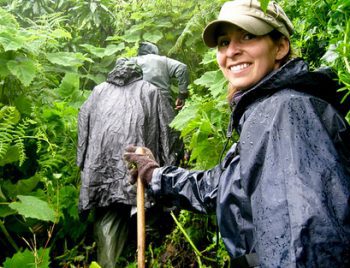
What the US$800 or US$1,500 buys is a single morning, and it rarely goes as planned. The gorilla trekking experience starts with a briefing at the park office around eight, then a walk that might be fifteen minutes from the road or three hours down and up a valley, now and then much longer. Trackers radio ahead, the guide cuts a path through vines and nettles, and then the group stops, leaves bags and sticks behind, and the hour begins.
It passes faster than anyone expects. Photos are harder than people expect, with dim light, thick leaves and other trekkers shifting for a view, so plenty of travellers put the camera down for part of it. Those who called it overpriced in trip reports were mostly people who disliked the hike itself; those who loved it often booked a second trek to see a different family.
Pairing a Gorilla Trek With a Kenya, Tanzania or Rwanda Safari
Short regional flights connect Entebbe and Kigali with Nairobi and Kilimanjaro, which makes it easy to follow Bwindi with a Masai Mara safari during the migration or a Serengeti safari; our Tanzania safari and gorilla trekking guide maps out the combination. Staying in Rwanda, the Rwanda safari cost guide prices Nyungwe and Akagera, while the African safari cost overview sets the countries side by side.