The best dry bag for safari is a light roll top bag of 10 to 20 litres for the camera inside your daypack, plus two or three small 1 to 5 litre bags for phone, passport and spare batteries. That set covers rain on a gorilla trek, spray on a boat safari and dust on game drives. Add a pack liner for the daypack in the wet months; a rain cover alone is not enough in a rainforest.
Dry bags look like a boating item, and most of the bags sold are built for kayaks. On safari they do a different job: they keep water and fine dust away from the few things that cannot be replaced halfway through a trip. This guide explains which sizes to buy, how they sit next to pack liners and rain covers, and where they matter most, from the forest in Bwindi to a mokoro in the Okavango. If you are still building your kit list, the African safari packing list is the place to start.
Dry Bags, Pack Liners and Rain Covers on Safari Trips
Three pieces of kit get confused, and on a safari trip you may need all three. They protect against different things.
A rain cover is a fitted hood of coated fabric that stretches over the outside of a backpack. It sheds light rain and keeps mud off the fabric. It does not seal: water runs down your back, soaks the shoulder straps and wicks into the pack where the cover meets your body. In a downpour, or when a porter carries the pack through wet undergrowth, things inside still get damp.
A pack liner is a large waterproof sack, often 30 litres or more, that sits inside the pack and lines it. Everything goes in the liner, you twist or roll the top, and the pack itself can get wet without the contents following. Liners are light and cheap, and in our view they are the most underrated piece of gear for a rainforest trek.
A dry bag is a smaller sealed sack with a roll top, usually closed with a buckle after three or more folds. It protects one group of items: the camera, the phone, the passport. You can pull it out of the pack, use what is inside, and seal it again. On a boat or in the back of an open vehicle, you can carry it on its own.
For game drives in dry country, one dry bag for the camera is plenty. For Bwindi or Volcanoes in the wet months, use all three. The backpack rain cover for a 30 litre pack keeps the outer fabric clean, which matters more than people expect when the pack goes back into the vehicle and onto a lodge floor.
Dry Bag Sizes for a Safari Trip
Size by what goes in, not by a round number. A dry bag that is too small will not roll three times, and one that is far too large wastes space and lets things rattle around.
| Size | Holds | Use |
|---|---|---|
| 1 to 3 L | Phone, cash | Boats, pockets |
| 5 L | Passport, batteries | Daypack, duffel |
| 10 L | Compact camera kit | Treks, drives |
| 20 L | Body and long lens | Drives, boats |
| 30 L plus | Whole daypack | Pack liner |
Most travellers need two or three bags, not a full set of five. A typical safari dry bag kit is a 5 litre bag for documents and charging accessories, a 10 or 20 litre bag for the camera depending on lens size, and a liner if a trek is on the route. Measure your camera with the longest lens attached, then add room for three folds at the top. A body with a 100 to 400 mm zoom fits a 20 litre bag; a mirrorless body with a short zoom fits in 10.
Weight adds up, so pick thin fabric for anything that lives inside another bag. The light aircraft limit of about 15 kg in East Africa includes the daypack, and our safari duffel bag guide explains how that allowance is shared out.
Bwindi Rainforest Rain and Gorilla Trekking Dry Bags
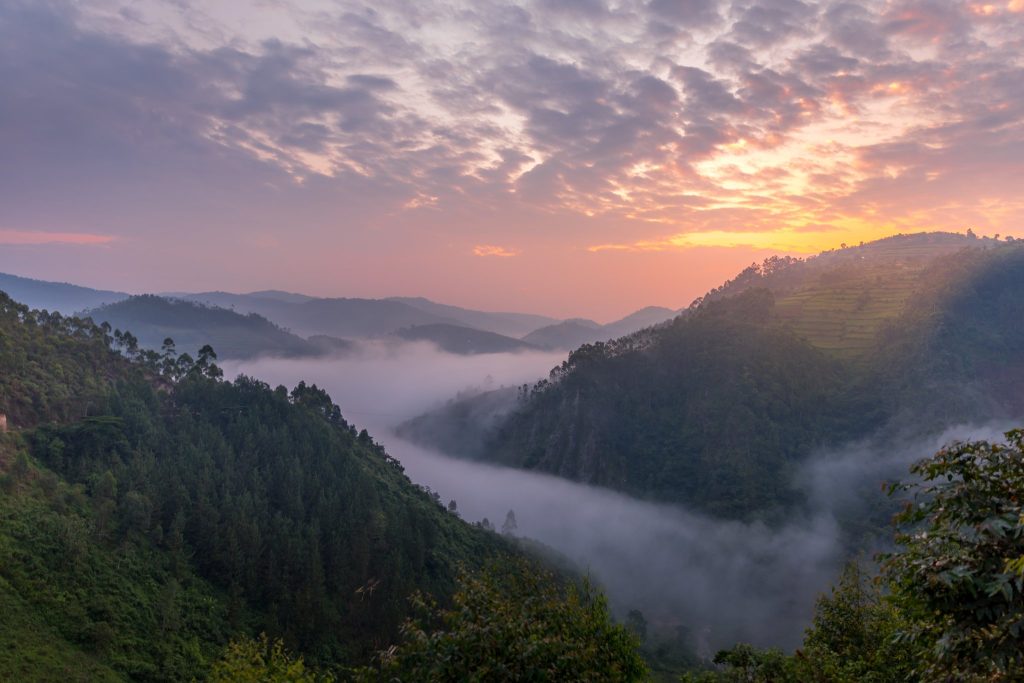
Bwindi Impenetrable National Park is a montane rainforest, and it rains in every month of the year. The wetter spells run from roughly March to May and September to November, but even in June or January a dry morning can turn into an hour of heavy rain under the canopy. Our guide to the best time to visit Bwindi for gorilla trekking sets out the seasons month by month.
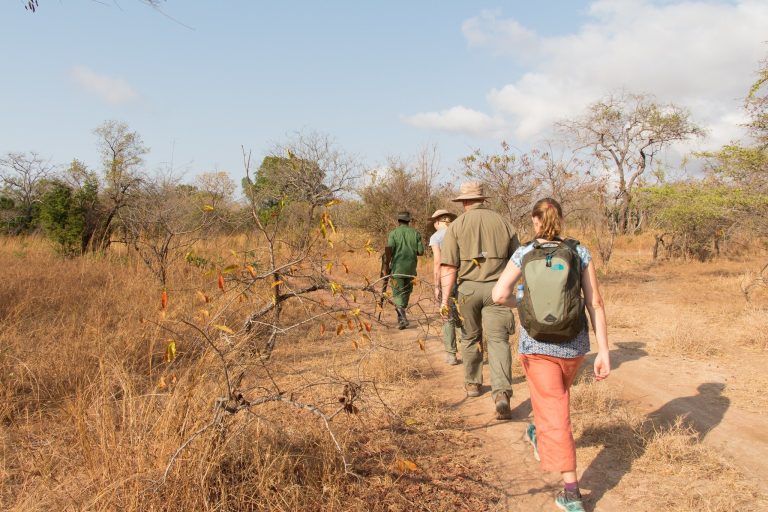
For a gorilla trekking safari, the risk is not one big soaking but hours of wet. Rain, dripping leaves, a stream crossing, a slip into mud, and a porter pushing your daypack through soaked undergrowth. Water gets in slowly, and by the time you sit down with the gorillas the inside of the pack can be wet.
So line the daypack, put the camera in its own roll top bag, and keep a small bag for the phone, permit papers and a spare battery. A dry bag also gives you somewhere to put a soaked fleece or rain jacket on the drive back to the lodge. The detail of how a trekking pack is set up, including straps and porter handling, is in our best daypacks for gorilla trekking guide, and the jacket that goes over the top is covered in the gorilla trekking rain jacket guide. The full forest kit list lives on the gorilla trekking packing list.
Camera and Phone Protection Inside the Trekking Daypack
Cameras fail on trekking and safari trips for two reasons: water getting in from outside and condensation forming inside. A dry bag helps with both, if you use it carefully.
The quick access trick passed around photography forums is simple. Buy the camera dry bag a size larger than needed, drop the camera in with the lens attached, fold the extra fabric under the body rather than rolling it tight, and you can lift it out in seconds when the guide says the gorillas are close. On the walk in and out, roll it fully and clip it.
Condensation is the subtler problem. Sealing a cold, damp camera into a bag with humid forest air traps the moisture, and lenses can fog for an hour. Wipe the camera, let it air for a few minutes if you can, and keep a few rechargeable silica gel packets in the bag. At the lodge, take the camera out overnight so it dries fully.
For heavy rain during the hour with the gorillas, a dry bag is no use, because the camera is in your hands. That is the job of a camera rain cover with an eyepiece, and our safari camera bag and rain cover guide compares the types. If you would rather carry a padded camera insert, a padded camera insert cube fits inside a 20 litre dry bag and gives knock protection too.
Phones are easier. A small dry bag or a clear waterproof phone pouch keeps it working, and many pouches let you use the touchscreen through the plastic. Spare batteries and chargers belong in a separate small bag; see our guide to battery packs and solar chargers for safari for what to carry.
Boat Safari Dry Bags on the Kazinga Channel, Murchison and Lake Bunyonyi
Uganda has more boat safaris than most visitors expect, and all of them put water close to your camera. The difference between them is how much.
Kazinga Channel. The launch trip in Queen Elizabeth National Park runs along the channel joining Lake George and Lake Edward, past hippos, buffalo and waterbirds on the banks. The boats are covered, and the water is usually calm, so spray is rare. The risk is a sudden afternoon shower blowing in under the canopy, and the habit of resting a camera bag on a wet deck. A dry bag at your feet solves both.
Murchison Falls launch. The upstream trip from Paraa to the foot of the falls is the classic Murchison Falls safari boat trip. Near the falls the air fills with fine spray, and the boat can roll a little in the current. Many people get dropped off for the hike to the top, so whatever you carry has to survive a sweaty climb as well. Keep the camera in a dry bag until the boat slows near the gorge.
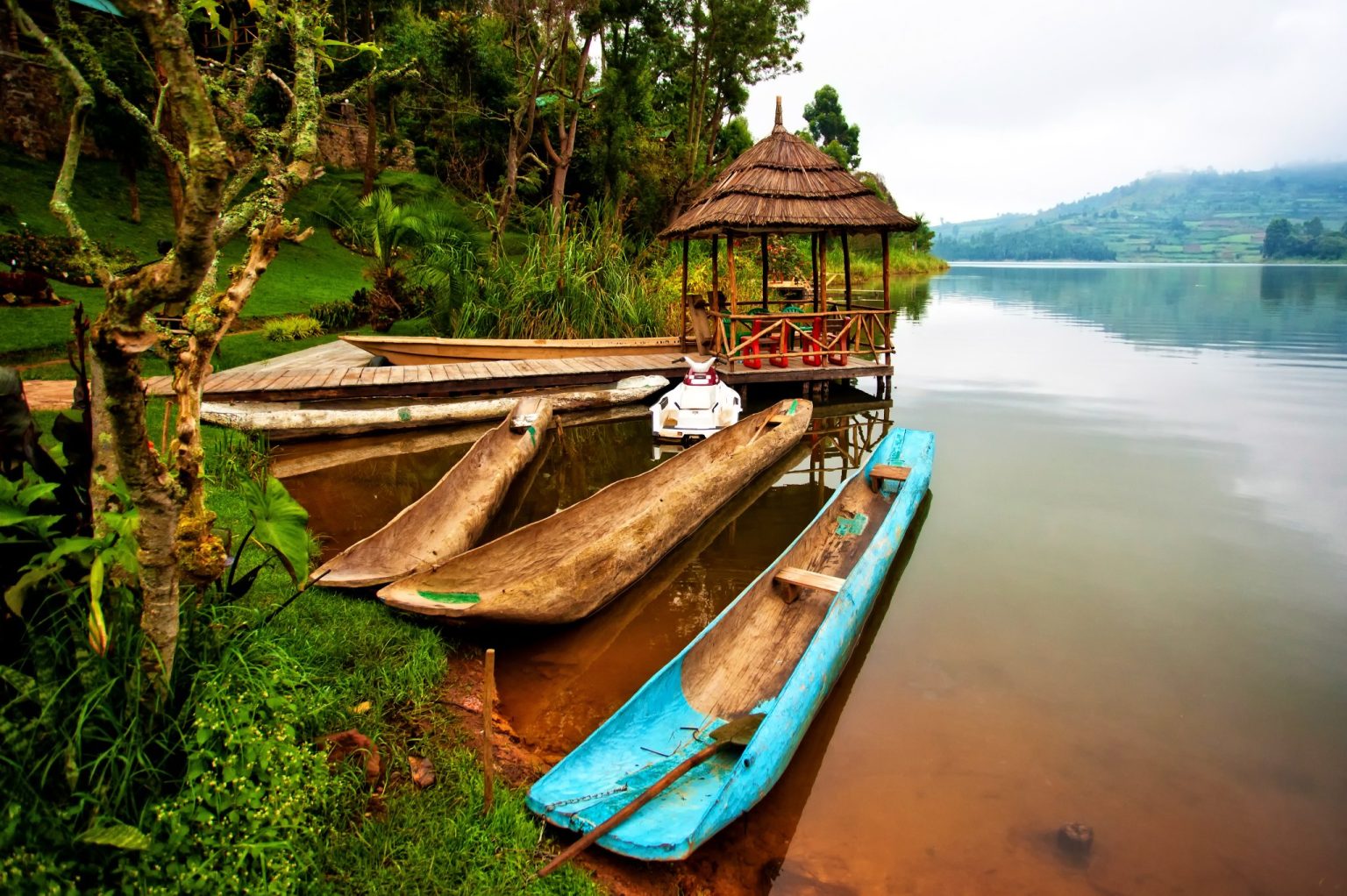
Lake Bunyonyi. Dugout canoes and small motorboats take visitors between islands, often as a rest stop on a 4 day gorilla safari in Uganda. Dugouts sit low and take on a little water in the bottom, so anything placed on the floor gets wet. Hold the dry bag on your lap or clip it to a seat.
For all three, a roll top dry backpack with shoulder straps is easier than a bag with no handle, and a dry bag with a clear window lets you find the lens cap without opening it.
Okavango Mokoro Trips and Delta Boat Safaris
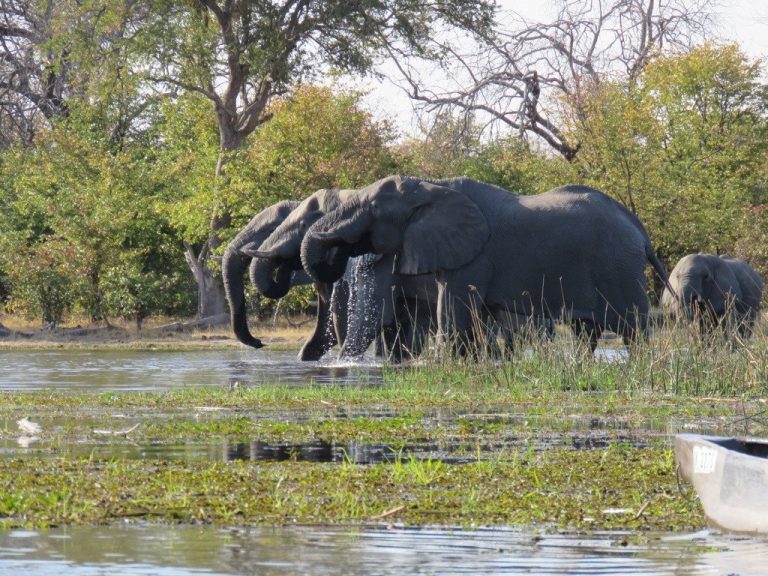
A mokoro safari is the most exposed boat trip on this list. The mokoro is a narrow canoe, traditionally a dugout and now often fibreglass, poled through the shallow channels of the Okavango Delta by a standing guide. You sit almost at water level. Reeds brush water onto your lap, the pole drips as it swings, and when you step in or out the boat tips.
Here a dry bag is not optional. Take the camera, phone and anything electronic in a sealed bag, and do not leave it on the floor of the canoe, which collects water. A lightweight bag is fine because you are protecting against splashes, not a capsize, but buckle it properly every time you put the camera away.
Motorboat trips in the Delta and on the Chobe River are drier, but faster boats throw spray at speed. The same 20 litre bag covers both. Botswana’s light aircraft allowance is set by the operator, so a single multi purpose dry bag is better than several specialist ones.
Game Drive Safari Dust and Dry Bags
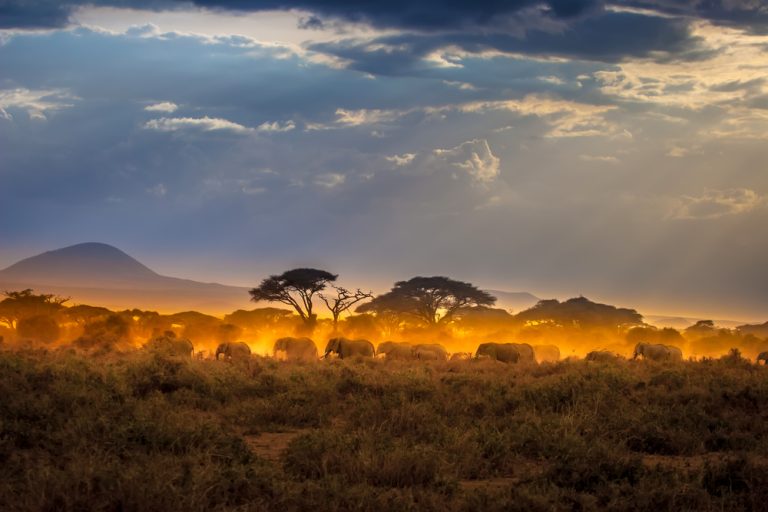
Dust is the threat most people forget. On a dry season game drive safari in the Masai Mara, Serengeti, Amboseli or Tarangire, fine dust from the tracks and from other vehicles settles on everything in an open topped vehicle. It gets into zoom lenses, sticks to sensors during lens changes and works its way into the zips of camera bags.
A roll top dry bag is both dustproof and waterproof, which is why photographers use them on dusty routes. Keep the camera in the bag between sightings on long transfers, and pull it out when the vehicle slows. Change lenses inside the vehicle with your back to the wind, or not at all. A 13 litre lightweight stuff sack also works as a dust bag for binoculars and a spare lens.
Dust also gets into duffels that travel on roof racks or in the back of a vehicle on long road transfers. A large waterproof duffel bag stops that at source; if your duffel is fabric, a big dry bag or liner inside it keeps clothes clean. Our guide to what to wear on safari explains why neutral clothes hide the dust that does get through, and the Masai Mara safari guide covers the dry months when it is worst.
Best Dry Bags for Safari by Type
Brands such as Sea to Summit, Osprey, Exped, Ortlieb and NRS make dry bags in every size, and good unbranded sets do the same job for lighter use. Choose by type.
Ultralight ripstop dry bags. Thin silnylon or coated ripstop, very light, folding to almost nothing. Ideal inside a daypack or duffel, against rain, splashes and dust. Not built for full submersion. A three size lightweight set is the simplest buy for most travellers.
Heavier welded bags. Thick PVC or TPU with welded seams and stronger buckles, sometimes with a carry strap. Better for boats and mokoro trips, where the bag is carried on its own and may sit on a wet floor. A heavier 20 litre roll top bag fits a camera with a long lens.
Dry backpacks. A roll top bag with shoulder straps, good for boat days and as a spare bag on beach extensions in Zanzibar or the Kenyan coast. Too sweaty for a long forest trek.
Small dry pouches. One to five litres, for passports, cash and phones. A small roll top dry bag set or a flat waterproof document pouch covers these.
Dry bags also replace plastic bags, which matters in East Africa: Rwanda, Kenya and Tanzania ban single use plastic carrier bags, and they can be taken from you at the airport. A small dry bag holds wet swimwear, muddy gloves or a damp towel without breaking that rule, and our best packing cubes for safari guide shows where the bags fit in the duffel.
Dry Bag Features to Check Before a Safari Tour
A few details separate a bag that works on a safari tour from one that leaks.
Roll top closure. Look for a stiff strip along the opening and enough fabric to roll at least three times. Fewer folds and the seal is weak. Clip the buckle every time.
Seams. Welded or taped seams keep water out. Stitched seams without tape will leak in steady rain, even if the fabric is waterproof.
Submersion rating. Some heavier bags carry an IPX7 rating, which means they survive immersion to about one metre for a short period. Ultralight bags rarely claim this and should be treated as splash and rain proof only.
Colour and window. Bright colours are easy to find in a dark pack. A clear window or translucent fabric shows what is inside without opening it.
Attachment points. A D ring or lash point lets you clip a bag to a boat seat or the inside of a vehicle. A carry strap helps on boats but is just extra weight on a trek.
Dry Bags for Safari: FAQ
Do I need a dry bag for a safari?
For most trips, yes, at least one. A roll top bag protects your camera and phone from rain, boat spray and fine dust on game drives. If the route includes gorilla trekking, a boat trip or the Okavango, take two or three in different sizes.
What size dry bag is best for gorilla trekking?
A 10 or 20 litre bag for the camera, depending on lens size, and a 5 litre bag for phone, documents and a spare battery. Put both inside a 30 litre pack liner in the daypack, because porters carry packs through wet undergrowth for hours.
Is a dry bag better than a rain cover for a daypack?
They do different jobs. A rain cover keeps the outside of the pack clean and sheds showers, but water still gets in at the back. A dry bag or pack liner keeps the contents dry. In a rainforest use both: liner and dry bags inside, cover outside.
Can I use a dry bag on a bush flight?
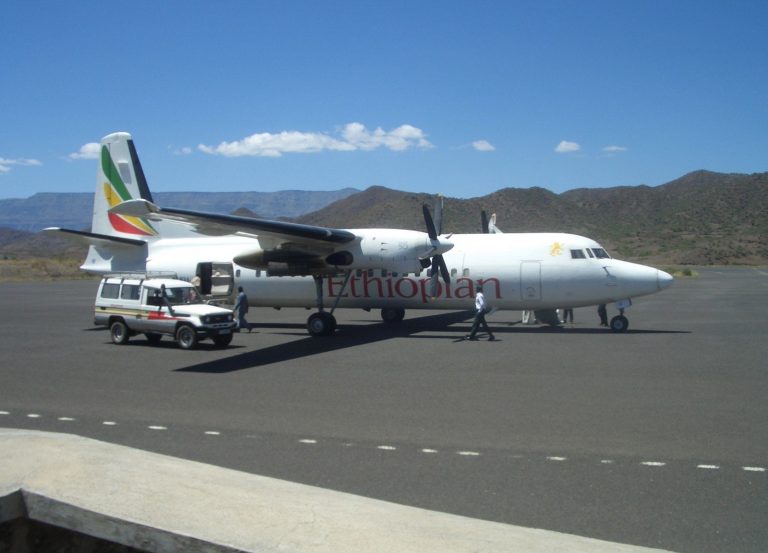
Yes. Dry bags are soft, light and fold flat, which suits the soft bag rules on light aircraft. Keep the camera dry bag in your daypack in the cabin, and use a larger dry bag or liner inside the duffel if it rides on a roof rack or in a cargo pod.
Do dry bags keep out dust on game drives?
A properly rolled and buckled dry bag is both dustproof and waterproof, which is why photographers use them on dry season drives in Kenya and Tanzania. Keep the camera in the bag on long transfers and take it out when the vehicle stops for a sighting.
Are expensive dry bags worth it for a safari?
For rain and dust inside a pack, a light budget set works well. Heavier welded bags from well known makers are worth it for boat trips, mokoro days and anything that will be carried on its own or set down on a wet floor.
More Rain and Luggage Gear for Your Safari
Dry bags fit inside a wider luggage system. The safari gear hub links every guide in one place, from boots and binoculars to the soft duffel bag for safari that carries everything else. For the plugs and charging you will need once your camera is safely dry, the Uganda plug adapter guide covers sockets across East Africa, and the Bwindi gorilla trekking guide explains how the trek itself works.