The best packing cubes for safari are a light set of standard ripstop cubes plus one compression cube, backed by a laundry cube, a small wet bag for swimwear and a shoe bag. That kit turns a soft duffel into labelled drawers, which matters when a light aircraft holds you to 15 kg and you move camp every two or three nights. Compression saves space, never weight, so cubes help you organise rather than overpack.
Most people only think about cubes once the duffel is bought and the clothes are laid out on the bed. If that is where you are, good. If you still need the bag itself, read our guide to the best safari duffel bags first, and use the African safari packing list to decide what goes in before you decide where it goes.
Packing Cubes and the 15 kg Bush Flight Safari Limit
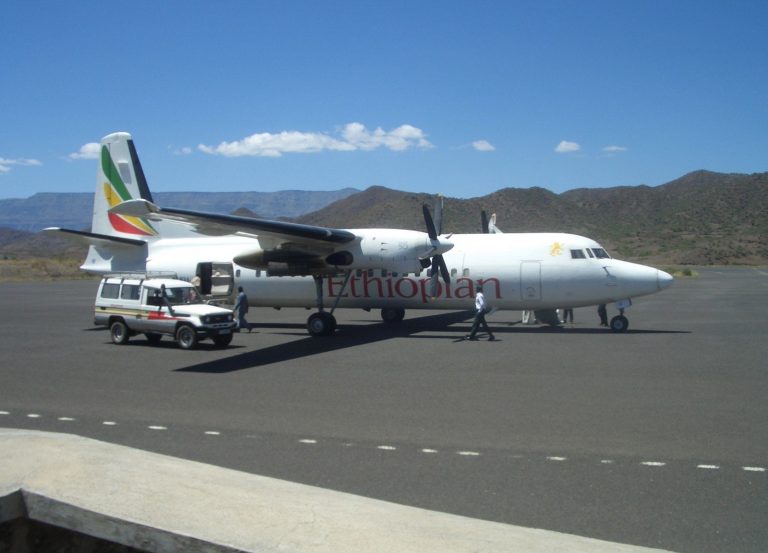
Light aircraft are the reason safari packing cubes earn their place. Scheduled bush flights in Kenya, Tanzania and Uganda allow about 15 kg per person, hand luggage included, and they want it in a soft bag with no frame or wheels so the pilot can squeeze it into a narrow pod. Botswana operators work to similar rules. A hard suitcase gives you corners to pack against. A duffel gives you a sack.
Inside a sack, clothes slide to the bottom, the zip strains in the middle and the one thing you need sits underneath everything else. Cubes give the soft bag a structure it does not have. Four or five rectangles stack like bricks, the duffel holds its shape, and you can lift one block out at the airstrip without spilling the rest onto the tarmac.
Weight is the other half. A cube set adds a little, so pick light fabric: thin ripstop nylon or polyester cubes weigh far less than padded or canvas ones, and you can feel the difference in the hand. Leave out anything rigid. The 15 kg includes the daypack and camera bag, so every gram spent on organisers comes off clothes or lenses.
One thing cubes cannot do is beat the scale. Several travellers on safari forums make the same point to first timers: squeezing three fleeces into one cube still leaves three fleeces’ worth of weight. Pack to the weight limit first, then use the cubes to arrange what survived the cut.
Compression or Standard Cubes for a Safari Duffel
Compression cubes have a second zip running round the edge. Close the main zip, then pull the second one and the cube squeezes down by a third or so, pushing air out of the clothes. Standard cubes have one zip and simply hold things together.
For a safari, a mix works better than a full set of either. Thin cotton shirts, quick dry trousers and underwear barely compress, so standard cubes do the job and weigh less. Bulky items compress well: a fleece for cold mornings on an open vehicle, a packable down jacket for the high crater rim at Ngorongoro or the forest edge in Bwindi, the rain jacket you need for gorilla trekking in the rain. Put those in one compression cube and the duffel gains real space.
There is a catch. A tightly compressed cube is as hard as a brick, and a soft duffel full of bricks stops being soft. Pilots and drivers need to squash the bag into gaps. Compress one cube, maybe two, and leave the rest loose enough to flex.
Best Packing Cubes for Safari by Type
No single brand wins on every safari route, so think in types. Well known makers such as Eagle Creek, Osprey, Peak Design, Thule and Gonex all sell sets that fit a 40 to 70 litre duffel, and the details below matter more than the logo.
Ultralight standard sets. Thin silnylon or ripstop sets in three sizes are the base of most safari systems. Look for sets that fold almost flat and have a grab loop on the end. An ultralight cube set covers clothes for a week or more.
Compression sets. Choose one with a strong second zip and a reinforced seam where the zip turns the corner, because that is where cheap ones split. A travel compression cube set gives you a large and a medium for layers.
Double sided cubes. Two zipped compartments split by a fabric wall, one for clean and one for worn. They save carrying a separate laundry bag and suit couples who share a duffel.
Envelope or folder cubes. Flat sleeves that hold folded shirts snugly so they come out with fewer creases. Useful if you have a smart evening at a lodge or a city night in Nairobi, Kigali or Arusha before the flight home.
Small pouches. A water resistant electronics pouch for chargers and cables, plus a flat passport and document pouch, round off the set. The cables you need for charging batteries and phones on safari and the Uganda plug adapter fit in one pouch, which beats hunting for them by headlamp.
Whatever type you pick, check four things: zips that run smoothly round the corners, ripstop fabric that will not tear if snagged on a vehicle seat, a handle or loop for pulling the cube out, and a shape that matches your duffel. Long narrow cubes suit a barrel duffel better than tall square ones.
Colour Coding Cubes per Person and per Safari Day
Colour coding is where cubes stop being tidy and start saving time. On a family safari or a couple’s trip, give each person one colour. Blue is yours, green is your partner’s, orange belongs to the child. When two duffels get mixed in the back of a vehicle or at a camp, everyone can find their own block without unzipping anything.
The second layer of colour is by day or by stage. Plenty of safari routes split cleanly: three nights at a savannah camp, two in Bwindi, one in a city hotel. Pack a cube for each stage. The trekking cube holds long trousers, gaiters, gloves and a long sleeved shirt for the forest. The savannah cube holds neutral shirts and a fleece for dawn drives. The city cube stays shut until the last night, with a clean outfit for the flight home. Sets sold in mixed colours make this easy; search for packing cubes in different colours rather than buying a black set and guessing.
For short trips, some people go further and pack one small cube per day: shirt, underwear and socks rolled together. It works well for a three or four day gorilla trip where you change lodges every night. On a longer route it adds too many cubes, and the duffel ends up full of fabric.
Laundry Cubes and Dirty Clothes on a Safari Tour
Laundry is the hidden reason safari packing cubes make sense. Most camps and lodges wash clothes, often included in the rate, and many will return them the same day if handed in at breakfast. That means you can pack for five or six days and wash halfway, which is how most travellers stay under the weight limit.
Two things trip people up. Many camps in East Africa do not wash underwear, for cultural reasons, and leave a small sachet of powder in the bathroom instead. So you will rinse your own, and a few biodegradable laundry soap sheets weigh almost nothing. The other is timing: on a moving day there is no laundry, so the dirty pile grows.
A dedicated laundry cube keeps that pile away from clean clothes. A double sided cube does the same in one piece. Some people use a mesh drawstring laundry bag instead, which lets sweaty clothes air out and can be handed straight to the camp staff. Avoid a plastic carrier bag. Rwanda, Kenya and Tanzania have banned single use plastic bags, and bags can be taken off you at the airport on arrival. Fabric cubes and pouches are the easy way round the rule, and forum regulars recommend them for exactly this.
Wet Bags for Swimwear on Safari and Beach Trips
Plenty of safari camps have a plunge pool, and a lot of East African routes end on a beach in Zanzibar or the Kenyan coast. That leaves one problem: a damp swimsuit and a duffel full of dry clothes. A wet bag solves it. It is a small waterproof pouch, usually coated fabric with a zip or roll top, that holds a wet costume or a rinsed pair of socks without soaking the cube next to it.
A swimsuit wet bag with two compartments is handy if two of you share it. Or a set of small dry bags doubles as wet bag, toiletry case and camera cover on boat trips. Our guide to the best dry bags for safari and gorilla trekking covers those sizes in detail.
Wet bags also deal with things you did not expect to be wet: a fleece that got rained on during an afternoon drive, a hat soaked by spray on a launch trip, a towel from a boat day. Empty it and let everything dry the moment you reach the tent. Even good wet bags trap smell after a day or two.
Shoe Bags for Trekking Boots and Safari Footwear
A safari that includes gorilla or chimpanzee trekking means at least one pair of boots that comes back caked in red mud. Most lodges in Bwindi and Volcanoes offer to clean boots overnight, which helps, but they rarely dry completely before you pack. A waterproof boot bag keeps that damp mud off your clothes.
Pick a shoe bag sized for a pair of mid trekking boots, not city trainers. A bag with a vent or mesh end lets damp boots breathe, which matters on a multi day route. Put the shoe bag along the bottom or one end of the duffel so the heaviest, dirtiest item sits furthest from your clothes.
If you only need light footwear, sandals or camp shoes can go in a simple drawstring bag. Our gorilla trekking packing list sets out what footwear the forest needs, and the what to wear on safari guide covers shoes for game drives.
Living Out of Your Duffel in Safari Tents and Lodges
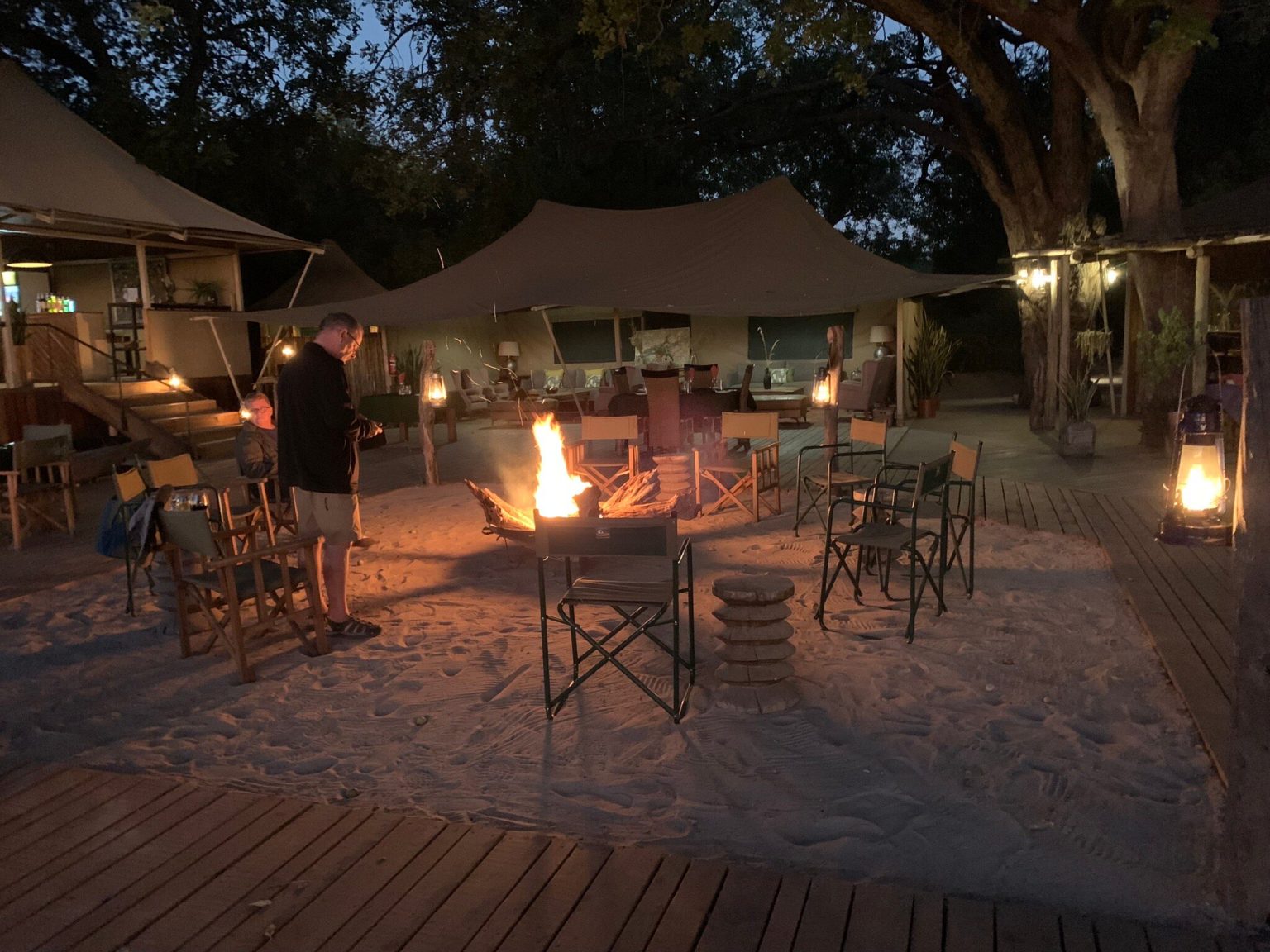
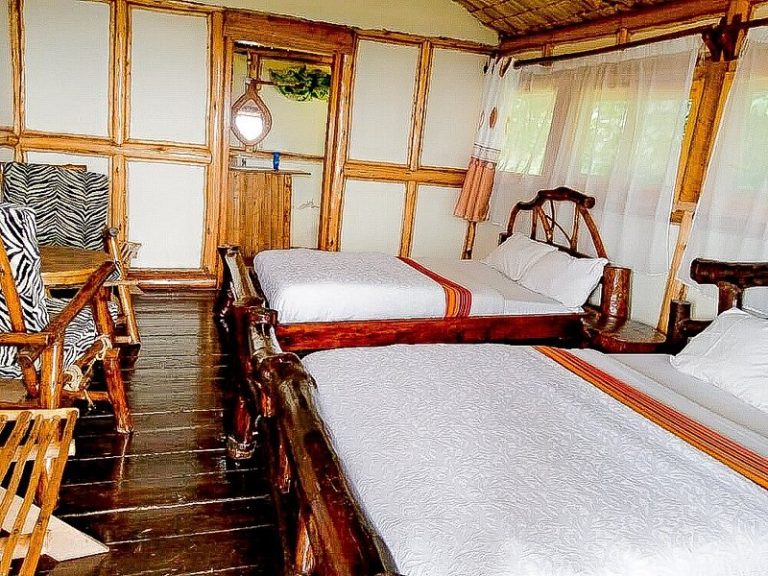
Tented camps look roomy in photos. In practice you get a bed, a luggage rack or stool, perhaps a canvas wardrobe, and a bathroom at the back. If you are moving every two or three nights, unpacking into a wardrobe and packing again wastes the hour before a dawn drive. Most people leave everything in the duffel and pull out cubes as needed.
That is where the system pays back. Lift out the cube for today and the duffel stays packed. At night, the cubes for tomorrow go on top; the clothes you will not touch until the coast stay at the bottom. When you leave, the cubes slot back in and the bag zips shut in a few minutes, even in the dark with a headlamp, while your guide waits at the vehicle.
Tents bring two other habits. Keep cubes zipped, because insects and the odd gecko find open bags. And keep the duffel off the floor on the rack if there is one, since some camps get dust or the occasional ant line. A hanging toiletry bag that hooks onto a tent pole or bathroom rail saves spreading bottles on a damp counter. Our list of the best headlamps for safari covers the other thing you reach for most at night in a tent.
A Packing Cube Plan for a Gorilla and Savannah Safari
Here is how one person’s duffel might be set out for a ten day trip that combines a savannah safari with gorilla trekking, such as the gorillas and Masai Mara combination or a 10 day Uganda safari. It assumes one wash at the midpoint.
Two people sharing one larger duffel can run the same plan in two colours. Keep the camera and binoculars out of this plan altogether. They live in the daypack or a safari camera bag with a rain cover, which goes into the cabin with you, and the daypack for gorilla trekking guide covers what goes in that smaller bag.
Packing Cube Mistakes on Safari Trips
Overstuffing comes first. A cube packed so full that the zip bulges will split, usually on day four in a camp with no repair kit. Leave a finger’s width of slack.
Too many cubes is the second. Seven or eight small cubes in one duffel take longer to search than no cubes at all, and each adds weight. Four or five plus the special bags is plenty for most people.
Third, people pack clothes they will never wear because the cubes made them fit. If you are over 15 kg at home, take things out rather than compressing harder. Our page on what not to wear on safari is a good place to find the cuts.
Finally, wash the cubes after the trip. Dust, sweat and the faint smell of woodsmoke from the evening fire soak into thin fabric, and a set left zipped for months comes out smelling of the last camp.
Packing Cubes for Safari: FAQ
Are compression packing cubes worth it on safari?
One is, a whole set usually is not. Compression saves volume on fleeces and jackets, but it does not reduce weight, and the light aircraft limit is about weight. Use standard cubes for most clothes and a single compression cube for bulky layers.
How many packing cubes do I need for a safari?
Four or five cubes per person suit most trips of one to two weeks: a large and a medium for clothes, a small for underwear, a compression cube for layers and a laundry cube. Add a wet bag, a shoe bag and a couple of small pouches for cables and documents.
Do packing cubes work in a soft safari duffel?
Yes, and they help more there than in a hard suitcase, because a duffel has no frame. The cubes give the bag shape, stop clothes sliding to one end and let you pull out one block at a time. Keep them flexible enough that the duffel can still squash into a small aircraft pod.
Can I use plastic bags instead of packing cubes in East Africa?
Better not. Rwanda, Kenya and Tanzania ban single use plastic carrier bags, and bags can be confiscated on arrival. Fabric cubes, mesh laundry bags and coated wet bags do the same jobs without breaking the rules.
Should my packing cubes be a particular colour for safari?
Colour matters inside the bag, not outside it. Bright cubes make sorting easy, so pick a different colour for each person or each stage of the trip. Clothing colours for game drives and the forest are a separate question covered in our safari clothing guides.
Do expensive packing cubes last longer on safari?
Better zips and ripstop fabric do last longer, and safari is hard on gear because of dust and constant packing. Budget sets work fine for a single trip. If you travel often, spend more on the compression cube, which takes the most strain, and keep the rest simple.
The Rest of Your Safari Luggage
Cubes are one part of a luggage system. The duffel, the daypack and the camera bag carry the rest, and all three count towards the same 15 kg. Our safari gear hub brings every guide together, from the soft safari duffel to trekking boots, while the African safari packing list is the full checklist by trip type. For destination planning, the Okavango Delta safari guide and the Masai Mara safari guide explain the fly in routes where the weight limit bites hardest.