Safari clothes for men come down to a short kit: two or three long sleeved shirts in khaki, olive or stone, a pair of zip off trousers, a fleece plus a windproof layer for cold dawn drives, a brimmed hat with a chin strap and light closed shoes. Quick drying synthetic or merino fabric beats heavy cotton, and dark blue, black and camouflage stay at home. Everything fits one soft 15 kg bag, since almost every camp does laundry.
That holds for a vehicle safari in Kenya, Tanzania, Uganda, Botswana or South Africa. Below, each piece gets its own section: what to read on the label, which product types to buy, how many to pack and which brands men keep going back to. Our general guide to what to wear on safari covers both sexes, the safari clothes for women page has the women’s version, and the wider kit list sits on the African safari packing list.
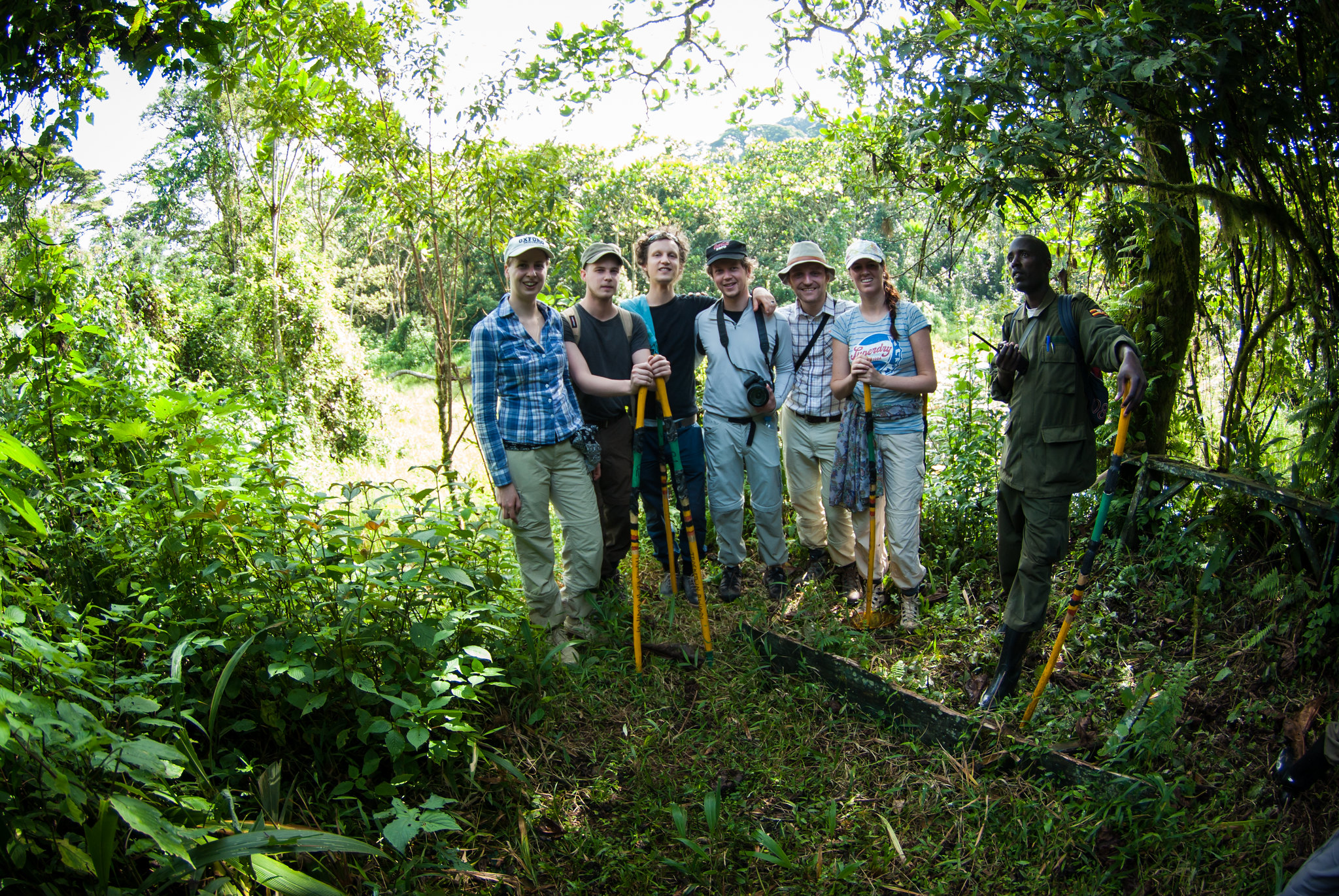
Safari Clothes for Men: Colours, Fabrics and the Label Check
Most men already own half a safari wardrobe. The trick is knowing which half. A typical safari day runs from a dawn game drive that can sit close to 5C in an open vehicle to an afternoon in the low 30s, with dust on every track and the sun high overhead, since most East African parks lie near the equator and well above 1,000 metres. Clothes that cope with all of that share four traits, worth checking on the label before anything goes in the basket.
Do animals actually care what colour you wear? In a vehicle, barely. Wildlife reacts to movement, shape and noise far more than to the shade of a shirt, which is why guides say the bright jacket matters most on a walking safari, where you are on foot and in plain view. Colour still decides how many insects land on you and how filthy you look by day three, so the neutral palette earns its place even on a pure drive trip.
The khaki habit itself is old. British troops in India dyed uniforms a dust colour in the 1840s, and the shade followed soldiers and hunters to East Africa before the cinema turned it into a look. You do not need to dress like a film extra. A plain olive shirt from an outdoor brand does the same job as a costly safari label.
Some shirts and trousers arrive with a factory permethrin finish, sold under names such as Insect Shield, BugsAway or NosiLife. Worth it in malaria areas. Our guide to insect repellent and permethrin clothing for Africa explains what the treatment stops and what it does not.
Men’s Safari Shirts for Game Drives and Bush Walks
Shirts do the hardest work on a game drive safari, so buy them first. A collared, button front shirt with long sleeves keeps the sun off forearms and the back of the neck when the roof hatch is open for four hours, keeps mosquitoes off at sundowners and passes for smart casual at dinner. Roll up tabs let you cool down without taking it off.
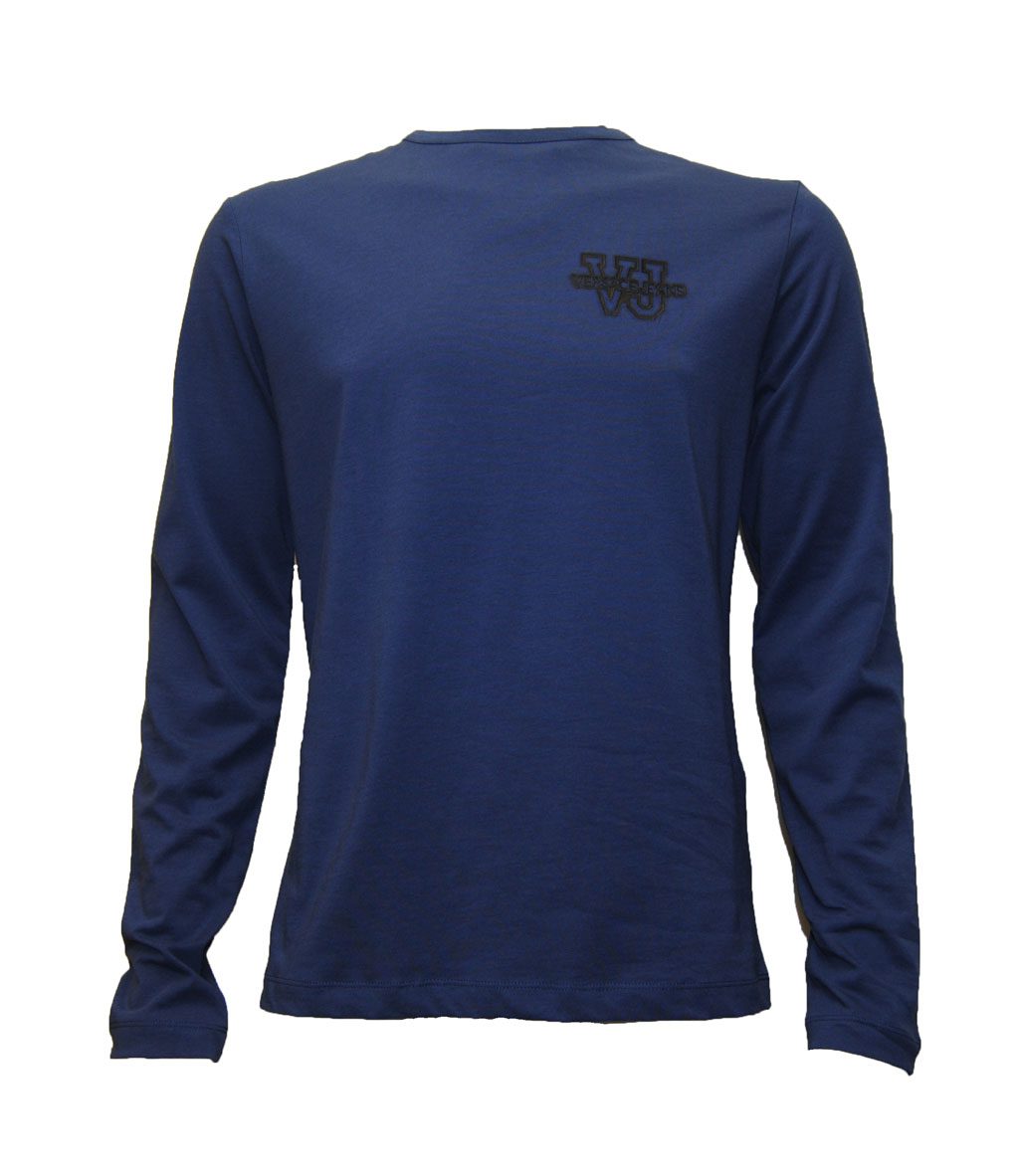
Start with a men’s long sleeve UPF 50 vented shirt in khaki or olive. These are fishing shirts in origin: a mesh lined back vent, two chest pockets, sleeve tabs and a light nylon or polyester weave that dries in about an hour in the sun. Columbia’s PFG range is the familiar example, and plenty of men wear nothing else on safari.
Prefer cotton? A cotton safari field shirt with epaulettes is the traditional option sold by outfitters and country clothing brands, with button flap pockets and a slightly heavier hand. It looks right at a lodge dinner and in photographs. It also weighs more and dries slower, so take one rather than three if you fly between camps.
For the Okavango, the Masai Mara in the rains or any malaria area where you will be out at dusk, an insect repellent treated long sleeve shirt from makers such as Craghoppers, ExOfficio or Royal Robbins adds a factory permethrin layer. Repellent on bare skin is still needed. The treated cloth just means fewer bites through the sleeve.
Under the shirt, or alone in the heat of the day, pack one or two lightweight merino wool T shirts in grey, sand or olive. Merino from Smartwool, Icebreaker and similar makers goes two or three days before it smells, which is handy when the laundry is a day behind.
Short sleeves have a place in camp and on hot afternoons. The open roof is the problem: trip reports keep describing men who burned their forearms on day one and wore long sleeves for the rest of the trip. For more shirt detail, including vented against field cuts, see our guide to the best safari shirts.
Safari Trousers, Shorts and Jeans: What Works on a Game Drive
If you buy one new item, make it zip off trousers. Full length for the cold morning drive, shorts by the time the vehicle stops for a bush breakfast, legs back on when the mosquitoes rise at dusk. One garment covers the whole temperature swing, and the safari pants guide compares cuts and fabrics in more depth.
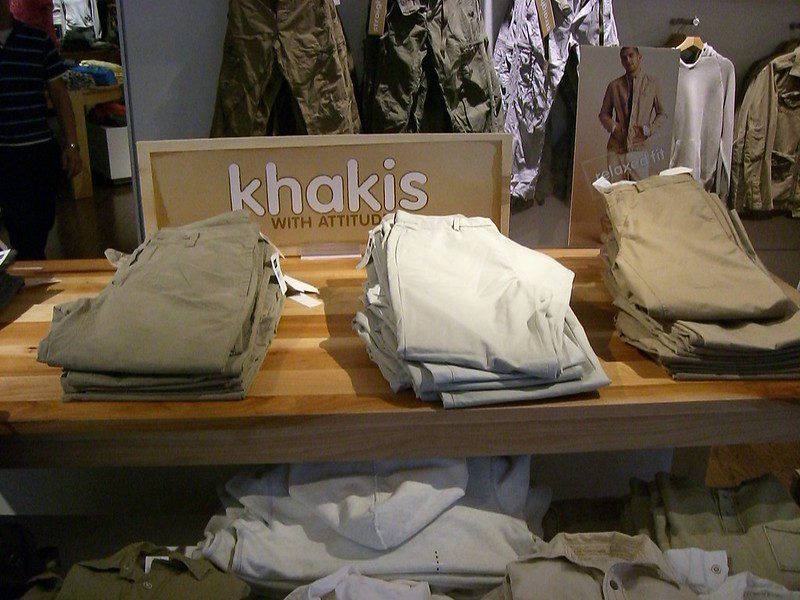
Choose men’s convertible zip off hiking pants in stone, khaki or olive. Columbia, Craghoppers, prAna and KUHL all make them. Sit down in the fitting room. Zips that land on the kneecap rub raw after a day in the vehicle, and a single zipped pocket is the difference between keeping and losing a phone.
Many men add a pair of lightweight stretch travel trousers for the flight and lodge dinners, since zip off legs can look technical at a smarter camp. Outdoor Research, Arc’teryx and prAna sell slim, quick drying chinos that pass for smart casual. A photographer’s favourite in the same family is nylon trousers with Insect Shield treatment, such as the Royal Robbins Bug Barrier line.
On walking safaris in Zambia’s South Luangwa, Tanzania’s Ruaha or anywhere with thorny scrub, a pair of cotton canvas six pocket safari trousers earns its weight. Thick canvas shrugs off acacia hooks that would snag thin nylon.
Shorts are for camp, the pool and hot dry season afternoons. One pair of quick dry cargo shorts covers it. Guides on a walk usually ask for long trousers, because of grass seeds, ticks and thorn.
Jeans start arguments on every safari forum. They are heavy, slow to dry and hot by late morning, and blue denim is the colour tsetse flies like best. If you must, wear one pair on the plane for a city night in Nairobi, Arusha or Kampala and keep them out of the bag weight.
Warm and Wet Layers for Dawn Drives and the Rainy Season
Cold surprises more men on a safari trip than heat does. The vehicle leaves camp around six, the roof is up, the speed adds wind chill, and most of the Serengeti and the Masai Mara lie between about 1,400 and 2,000 metres. On the Ngorongoro Crater rim, above 2,200 metres, nights are cold in any month, and between June and August southern Africa can bring frost on a Botswana or Kruger morning.
Layers solve it without bulk. First a light full zip fleece jacket in olive or brown from Patagonia, The North Face, Columbia or a supermarket outdoor range. Full zip is easier to vent as the sun climbs than a pullover.
Over it goes a packable insulated puffer jacket that stuffs into its own pocket and cuts the wind; synthetic fill copes with damp better than down. Some men skip the puffer and take a light quilted vest instead, worn over a long sleeved shirt so the sleeves keep the arms warm. Add a beanie and thin gloves for a southern African winter.
The rains change the shell. In East Africa the long rains fall roughly March to May and the short rains around November, while Botswana, Zambia and southern Tanzania are wet from about late November to March. Swap the puffer for a packable waterproof shell in those months. Temperatures can drop sharply once the rains settle in, so the fleece stays in the bag too. Our page on the best rain jacket for gorilla trekking covers what to look for, and the same jacket works in the vehicle.
Hats, Buffs, Sunglasses and Vests for a Men’s Safari Kit
A safari hat needs a brim all the way round, since the vehicle turns and the sun reaches your ears and neck from every side. Caps cover the face and little else. Go for a wide brim UPF 50 sun hat with a chin strap; at speed on the plains a hat without one is gone, and nobody stops to collect it.
Crushable canvas bush hats and nylon boonies from Tilley, Sunday Afternoons or Columbia all pack flat. Felt and straw hats look fine in photos, though they crush in a soft bag and run hot by noon.
A neck gaiter or buff with UV protection is the cheapest useful thing on the list. It shades the neck at noon, pulls up over the nose on a dusty track and doubles as a thin hat at dawn. A cotton bandana does much the same. Polarised sunglasses on a cord cut glare off grass and water and do not go over the side when you lift binoculars.
The safari vest is optional and loved by photographers. A multi pocket safari travel vest holds batteries, memory cards, lens cloth and sunscreen within reach, and adds a little warmth at dawn. Without camera kit, a jacket with zipped pockets does the same job. Our camera and binoculars guide covers what goes in those pockets.
Safari Footwear for Men: Game Drive Shoes, Walking Boots and Sandals
On a vehicle safari you walk very little: tent to vehicle, round a picnic site, up to a viewpoint. Heavy leather boots are wasted weight. A pair of lightweight trail walking shoes in brown or tan from Merrell, Salomon or New Balance covers game drives, short walks, the flight and dinner. Closed toes matter for thorns, the odd scorpion and the ant columns that cross camp paths at night.
Walking safaris and any gorilla or chimpanzee trek ask for more: ankle support, a lugged sole and some waterproofing, plus short gaiters in sandy country. That is a separate purchase, covered in our guide to gorilla trekking boots. Whatever you choose, break it in at home.
Socks next. Take one pair of cushioned merino hiking socks for every two or three days; Darn Tough and Smartwool versions dry overnight and resist odour. Then sandals or slides for the room, the shower and the pool, ideally a pair with a back strap that will not slip on gravel paths after dark.
Men’s Safari Outfits From the Flight to the Campfire
A typical safari day asks for four or five looks, all from one small bag. Here is how the pieces combine.
On a fly in trip the same outfits apply, just with fewer repeats in the bag.
How Many Safari Clothes Men Need for a 15 kg Bush Flight
Laundry, more than trip length, sets the numbers. Almost every lodge and tented camp in East and southern Africa washes clothes, often included in the rate, and returns them the same or next day. Many camps in Kenya and Tanzania will not wash underwear for cultural reasons and leave powder in the bathroom instead, so quick drying pairs you can rinse in the shower save hassle.
A sensible men’s safari packing list with camp laundry looks like this:
| Item | 7 to 10 days | 14 days plus |
|---|---|---|
| Long sleeve shirts | 2 to 3 | 3 to 4 |
| T shirts | 2 | 3 |
| Zip off trousers | 2 | 2 |
| Shorts | 1 | 1 to 2 |
| Fleece | 1 | 1 |
| Warm jacket | 1 | 1 |
| Socks | 4 | 5 to 6 |
| Underwear | 4 to 5 | 6 |
| Hat | 1 | 1 |
| Shoes | 2 pairs | 2 pairs |
Add quick dry swim shorts if a camp has a pool or the trip ends on Zanzibar or the Kenyan coast.
Bush planes load bags into narrow pods, so wheels and rigid frames are out. A duffel of 40 to 60 litres is the usual size; the safari duffel bag guide compares bags that fit the limits, and a set of compression packing cubes keeps a clean shirt reachable without emptying the bag on the tent floor. Keep one clean outfit sealed for the flight home, and a change of clothes in your hand luggage in case the checked bag goes astray on the long haul leg.
Electric razors and hair clippers deserve a thought. Many camps run on solar panels and batteries, with charging in the main area rather than the tent, so a manual razor or a shaver that charges by USB from a battery pack is the easier choice. Sockets differ by country; our Uganda plug adapter guide covers East Africa.
Best Safari Clothing Brands for Men by Budget and Style
Three kinds of maker supply men’s safari kit, and most men mix them. Outdoor brands such as Columbia, Craghoppers, Royal Robbins, ExOfficio, prAna, KUHL, Patagonia and Little Donkey Andy make technical shirts and trousers that dry fast and are easy to buy online. Specialist outfitters such as The Safari Store and Tag Safari cut field shirts, six pocket trousers, vests and leather hats for the bush, often with built in insect treatment. Heritage country brands such as Orvis, Filson and Barbour sell cotton field shirts, waxed hats and canvas duffels that last for decades.
These picks recur across the ranking guides and the makers’ own ranges. Specs change between seasons, so check fabric and UPF on the label before buying.
Spend first on what faces the sun and the cold: one good shirt, the zip off trousers and the warm layer. Supermarket T shirts, plain socks and an old fleece in a muted colour fill the gaps.
Men’s Safari Mistakes: Clothes and Kit to Leave at Home
Plenty of men pack for a film set rather than a game drive. The commonest errors, from guides and trip reports alike, are below; our full guide to what not to wear on safari covers the rest.
Safari Clothes for Men: Frequently Asked Questions
What should a man wear on safari?
Long sleeved shirts in khaki, olive or tan, zip off trousers, a fleece and a light windproof or puffer jacket for dawn drives, a wide brim hat with a chin strap, closed walking shoes and sandals for camp. Pick quick drying synthetic or merino fabric, avoid dark blue, black, bright white and camouflage, and keep it all to one soft bag.
What to wear on safari for men in hot weather?
Layers you can strip back. By late morning that means a vented shirt with the sleeves rolled, the zip off legs removed or quick dry shorts, a brimmed hat and sunscreen. Keep the fleece in the daypack, because the air cools fast after sunset.
Can men wear shorts on safari?
Yes, in camp and on hot afternoon drives. Wear long trousers on dawn drives, at dusk when mosquitoes appear, and on any walking safari, where guides usually require them against thorns, grass seeds and ticks.
Is cotton or synthetic better for men’s safari clothes?
Both work in the dry season. Synthetics and merino dry overnight and weigh less, which matters on bush flights and in the rains. Cotton feels softer in dry heat and suits a field shirt for dinner, but stays damp for a day once wet.
Who makes the best safari clothes for men?
For value, Columbia, Craghoppers, Royal Robbins, ExOfficio and prAna. For insect treated fabric, Craghoppers NosiLife, ExOfficio BugsAway and Royal Robbins Bug Barrier. For traditional field shirts and six pocket trousers, specialist safari outfitters. For long lasting cotton and leather, heritage brands such as Orvis, Filson and Barbour.
Do men need to dress up for dinner at safari lodges?
No. Clean long trousers and a collared shirt cover any bush lodge. City hotels in Nairobi, Arusha or Kampala may be a touch smarter, and Stone Town on Zanzibar expects shoulders and knees covered away from the beach.
How much do men’s safari clothes cost?
Prices vary by brand and sales. As a rough guide, a vented long sleeve outdoor shirt runs about US$30 to US$100, zip off trousers about US$40 to US$120, a fleece US$40 to US$150 and a wide brim sun hat US$20 to US$80. Specialist safari labels sit at the top of those ranges. A full men’s kit bought new often totals a few hundred dollars, less if you already own a fleece and walking shoes.
Is insect treated clothing worth buying for a safari?
In malaria areas, yes, for the sleeves and trousers you wear at dusk. Factory permethrin lasts through many washes, or you can treat your own clothes with a permethrin spray at home and let them dry before packing. It does not replace repellent on skin, and the CDC notes it has not been shown to stop tsetse flies.
What should a man wear to a safari themed party?
A khaki field shirt, chinos or cargo shorts, a bush hat and boots look right. Ready made safari costume sets exist, though real field clothes are better value and you can wear them on an actual safari afterwards. For a desert safari outside Dubai, loose light trousers, a long sleeved cotton shirt and a scarf for blown sand work well.
Are the same clothes fine for gorilla trekking?
Mostly. The shirts, trousers and fleece cross over, but a gorilla trek in Bwindi or Volcanoes also needs waterproof boots, gardening gloves for nettles, gaiters and a rain jacket. The section below lists the additions.
Adding a Gorilla Trek to a Men’s Safari Wardrobe
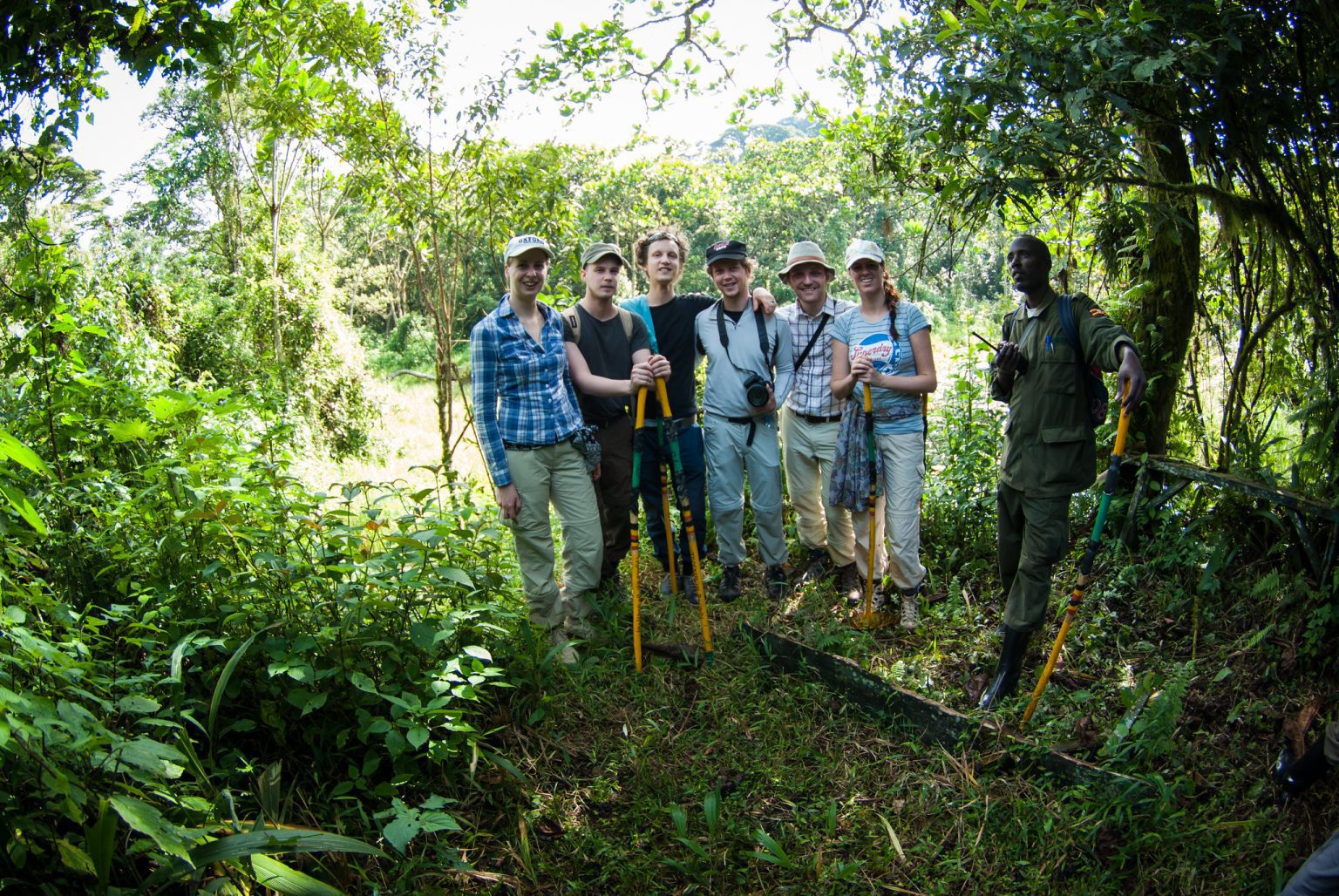
Plenty of men pair a savannah safari on the Masai Mara or in the Serengeti with a gorilla trekking safari in Bwindi or Volcanoes National Park in Rwanda, and the gorilla and Masai Mara itinerary shows how the two fit together. The wardrobe above covers most of it. Steep, wet ground and stinging nettles add four things: waterproof boots, gloves for the nettles, gaiters and a rain jacket in a daypack. Trekkers must be 15 or older (12 for chimpanzee tracking in Uganda), and you keep about 10 metres from the gorillas in Uganda and 7 metres in Rwanda.
If you would rather not buy kit you may use once, some lodges near the park hire it out; see renting gorilla trekking gear. Forest clothing is covered in what to wear for gorilla trekking and the full kit in the gorilla trekking packing list. Travelling as a family? The kids safari clothes and gear guide covers children. Every other guide sits under the safari gear and clothing hub.