A good travel first aid kit for an Africa safari is a compact, water resistant kit with wound and blister care, tweezers, oral rehydration salts and a few over the counter basics, plus your own prescriptions. Buy a small ready made base kit, add the safari extras, and carry it in your daypack. Malaria tablets, vaccines and any antibiotics come from a doctor or travel clinic, never from a shop shelf.
Safari days happen hours from a pharmacy. Lodges keep basic first aid and guides carry kits, but neither will have your child’s allergy medicine or the right dressing for the blister forming on day two of a gorilla trek. Everything below is general travel information, not medical advice.
What Goes in a Travel First Aid Kit for an Africa Safari Trip
Most people asking what they need in a travel first aid kit want a checklist they can take to the pharmacy. Here it is, grouped by job rather than by product, so you can tick off what your ready made kit already covers and buy only the gaps.
That list matches what pharmacy guides, the Red Cross style camping checklists and wilderness medicine writers broadly agree on, with the Africa extras added. The rest of this page explains which items matter most on a safari, which brands to start from, and how to pack it.
What a Safari First Aid Kit Has to Handle on the Trip
Start with the problems, not the products. A safari first aid kit rarely deals with anything dramatic. What it sees, over and over, is small stuff that ruins a day if nobody can fix it on the spot.
Distance changes everything. In the Masai Mara, the Serengeti or the forests around Bwindi, the nearest proper clinic can be one to several hours away on unpaved roads. A kit does not replace that clinic. It stops a blister becoming an infected wound by day four, or a bad night becoming a dangerous level of dehydration.
Bwindi adds one more reason. Rangers turn away trekkers who look unwell, to protect the gorillas from human illness. A cold or a stomach bug that a few tablets would have settled can cost you the trek you planned the whole trip around.
Ready Made Travel First Aid Kits or Build Your Own for Safari
You have two routes, and most experienced travellers end up mixing them.
A ready made kit gives you a labelled, organised case with the wound care basics sorted. Outdoor medical brands such as Adventure Medical Kits, Surviveware and Lifesystems make travel sized kits with compartments by job, which matters when you are digging for a plaster in a moving vehicle. A compact, organised travel first aid kit is the right base for most people. For a trip that mixes international flights with remote stays, a dedicated travel series medical kit from an outdoor medical brand adds medication space and a short instruction guide.
If you are flying in through Johannesburg or Cape Town, South African pharmacy chains such as Clicks, along with specialist first aid suppliers, sell home and travel kits in zipped bags with bandages, burn gel and an eye pad. They are bigger and heavier than outdoor kits, which suits a self drive vehicle better than a daypack.
The catch with most ready made kits is that they are built for hikers in Europe and North America. They carry too few blister dressings for a trekking trip, no rehydration salts, and nothing for your personal medicines.
Building your own means buying an empty first aid organiser bag with labelled compartments and filling it from a pharmacy. It takes more time and lets you match the kit to the trip. It also uses up the half used plasters and creams already in your bathroom.
The sensible middle path: buy a small ready made kit for the wound care core, then add the safari extras in the sections below. Big drugstore kits with a headline piece count are mostly hundreds of tiny plasters. Ignore the number. Wilderness medicine writers make the same point from the other end: a small kit of items you know how to use beats a large one stuffed with things you do not.
How to Choose a Travel First Aid Kit for Safari Trips
Five things separate a kit that helps on safari from one that sits unopened.
For trekking and walking safaris, where the kit rides in a daypack all day, an ultralight watertight first aid kit is a good fit. Families and self drivers can take something bigger, since it lives in the vehicle. If your trip includes Kilimanjaro or the Rwenzori, go up a size and read our Kilimanjaro gear list as well, because mountain days carry different risks.
| Trip type | Kit size | Add most |
|---|---|---|
| Lodge safari | Small | Rehydration, eyes |
| Gorilla trek | Ultralight | Blisters, thorns |
| Family trip | Medium | Kids’ medicines |
| Self drive | Large | Bandages, burns |
| Mountain climb | Medium | Blisters, tape |
Wound, Blister and Thorn Care for Gorilla Trekking and Walking Safaris
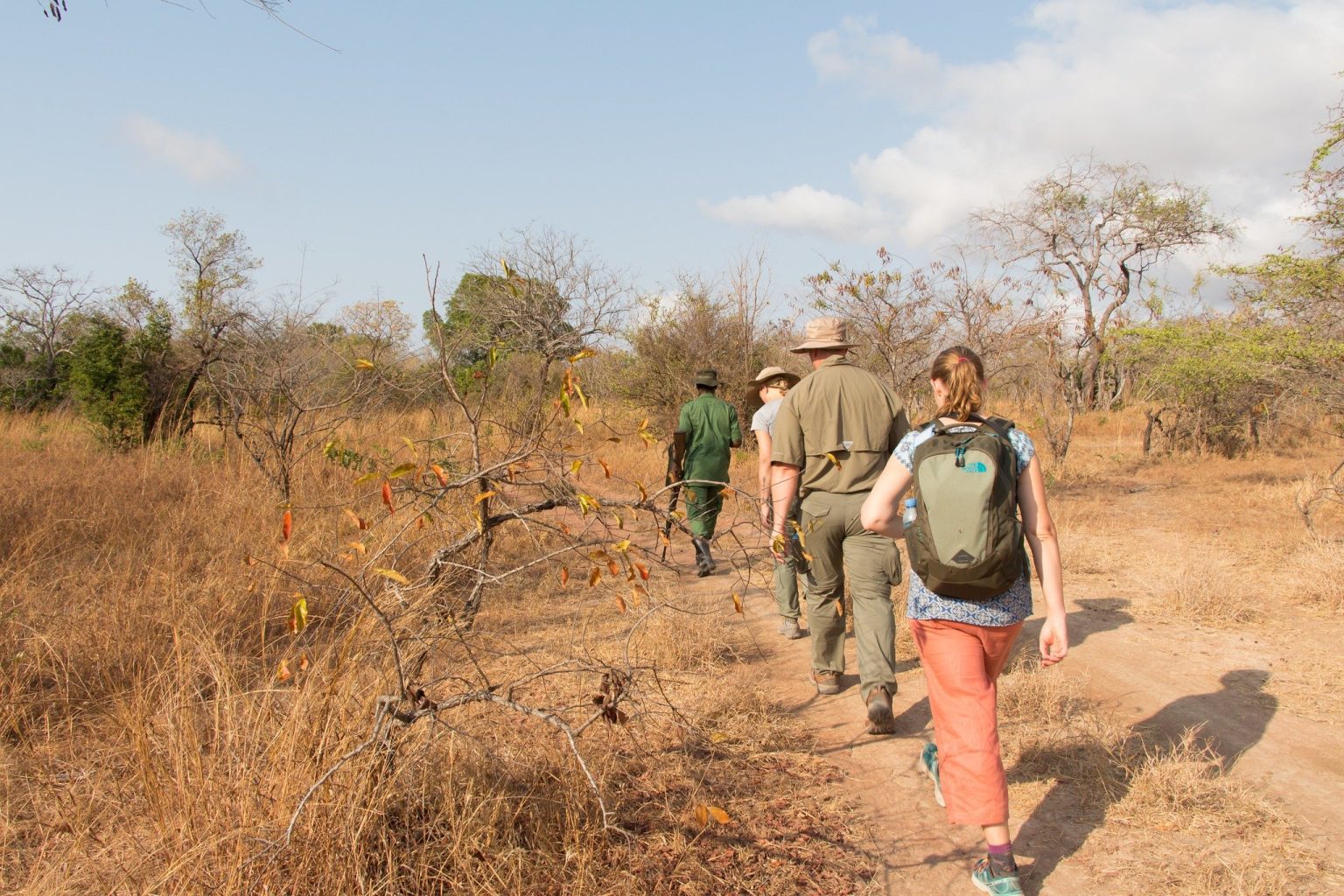
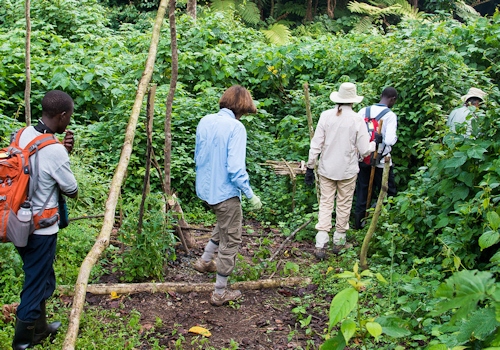
On a gorilla trekking safari, wound care is most of the job. Trails in Bwindi and Mgahinga are steep red clay, roots and dense growth, and treks run from under an hour to most of a day. Trekkers who come back with problems usually have blisters from new or wet boots, nettle stings through thin trousers, and scratches on hands from grabbing vines.
Blister care comes first. Pack more than a ready made kit includes: a box of hydrocolloid blister plasters for blisters that have formed, plus a roll of blister prevention tape for hot spots before they open. Tape a known trouble spot in the morning, before the trek, not halfway up the hill. Breaking boots in at home does more than any plaster; the gorilla trekking boots guide covers fit.
For cuts, the basics are plasters in mixed sizes, sterile gauze pads, medical tape, a few wound closure strips, antiseptic wipes and a small tube of antiseptic cream. A box of nitrile gloves in a travel pack lets you help someone else without worry. Clean a cut with plenty of safe drinking water before you dress it; the water bottles and filters for Africa guide covers treating it.
Thorns and splinters need good tweezers. The flimsy ones in budget kits bend. A pair of fine point tweezers with a tick remover handles acacia thorns, splinters from walking sticks and the odd tick picked up on a grassland walk. Small first aid trauma shears cut tape and clothing more cleanly than nail scissors.
A twisted ankle on a muddy descent is the next most likely trekking injury. An elastic crepe bandage gives support for the walk out, and a triangular bandage makes a sling for a fall onto an outstretched hand. An instant cold pack helps with swelling when there is no ice for hours.
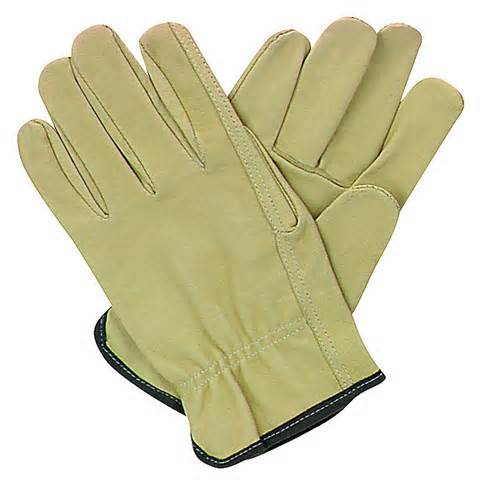
Prevention beats all of it. Gardening style gloves for gorilla trekking stop most hand scratches and nettle stings, gaiters keep ants and mud out of boots, and trousers tucked into socks block the rest. Porters can carry your daypack and give a hand on the steep sections, which saves knees and backs.
Medicines for a Safari Medical Kit, Malaria and Yellow Fever
Medicines are where a travel kit moves from plasters to judgement, so this section stays general. Ask a pharmacist or doctor which products and strengths suit you, your other medicines and any children travelling. This page gives no doses.
What meds should you bring to Africa? Travel health sources, including the CDC’s travel health kit list, commonly suggest these over the counter categories for a trip like a safari:
Oral rehydration salt sachets deserve a special mention. They are the item travellers most often wish they had packed more of, because heat and a stomach upset together drain you fast, and water alone does not replace what you lose. A small digital thermometer in a hard case earns its place too, since a fever reading is the first thing a doctor asks for by phone.
Malaria is the reason to book a travel clinic. Most safari areas in Uganda, Rwanda, Kenya and Tanzania carry a malaria risk, and the right tablets depend on your health, your route and your other medicines. The CDC’s destination pages and the NHS Fit for Travel country pages both set out the risk area by area; read them, then take the decision to a doctor or travel clinic, ideally a month or more before departure. A fever during or after a trip to a malaria area needs medical attention the same day, and telling the doctor where you have been matters. The same doctor’s appointment covers standby antibiotics, malaria test kits or standby treatment for remote overland trips, altitude medicine for Kilimanjaro, and anything for children or pregnancy. Your doctor may prescribe some of these for the kit; that is their call, not a shopping list.
Yellow fever is the paperwork question. Uganda’s immigration service announced in October that the yellow fever certificate is no longer a condition of entry, but Rwanda asks for one from travellers arriving from Uganda, and border practice can lag behind a notice. Some airlines and other borders on a multi country route may still ask too. Carry the card itself, in your document pouch rather than the first aid bag, and see a travel clinic early, since the vaccine needs time to count before you cross.
Bring prescription medicines in their original packaging with a copy of the prescription, plus a few days’ extra in case a flight is delayed. A waterproof weekly pill organiser is handy once you arrive, but keep the original boxes in your bag for border checks. Some countries restrict medicines that are sold freely at home, including certain codeine products and sleeping tablets, so check the embassy or high commission of each country on your route.
Bites, Stings, Dust and Sun on a Safari Game Drive
Prevention is the main tool here, and most of it sits outside the first aid bag. Use a repellent with DEET or picaridin at around 20 percent on skin from dusk, treat clothing with permethrin, and sleep under the nets lodges provide. Our best insect repellent for Africa guide compares the options in detail.
For the bites that get through, sting and bite relief wipes calm the itch from tsetse flies and ants, and an antihistamine helps when there are many. Tsetse bites hurt but are mostly a nuisance in the parks visitors use. Avoid dark blue and black clothing in tsetse areas, since those colours attract them.
Animal bites and scratches are different and rare. Monkeys and baboons around lodges are the usual culprits, often after food. The WHO advises washing any bite or scratch from a mammal straight away with soap and running water for at least 15 minutes, then getting medical care the same day, because rabies vaccination after exposure is time sensitive. Keep food out of sight at lodges and never feed animals.
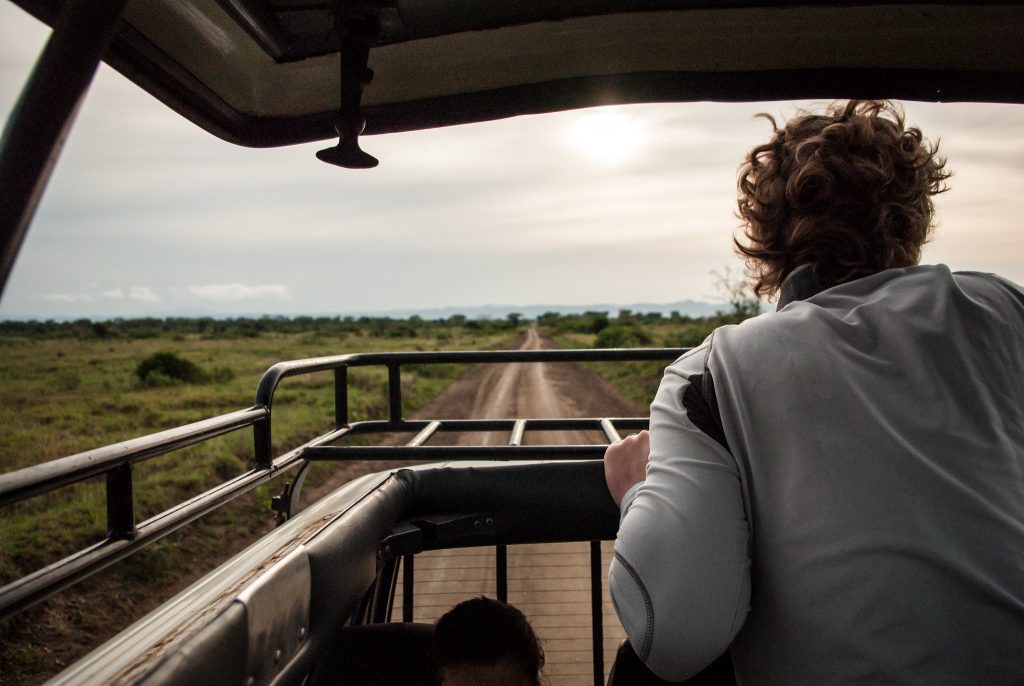
Dust is an open vehicle problem. Single use sterile saline eye wash pods rinse out grit far better than water from a bottle, and contact lens wearers should pack glasses as a backup. A buff over nose and mouth on dusty roads helps everyone.
Sun protection rounds it out: a high SPF broad spectrum sunscreen, an SPF lip balm, and an aloe or after sun gel for the shoulders that met the sun through the roof hatch. A good safari hat does more than any cream.
A Bigger First Aid Kit for Self Drive and Overland Safari Trips
A self drive safari through Uganda, Namibia or Botswana changes the maths. You are the guide, the nearest help may be a long drive away, and the kit lives in the vehicle, so weight stops mattering. Overland travellers in southern Africa build kits closer to a small expedition box.
Add a hydrogel burn dressing for campfire and stove burns, which are common on camping trips, plus a rolled aluminium splint for a suspected fracture, extra conforming and triangular bandages, eye pads, and a CPR face shield. Overland guides also suggest a sterile needle and syringe travel kit for a clinic where supplies run short; hand it to the health worker, and never use it yourself.
Trauma items such as tourniquets and haemostatic dressings appear in wilderness medicine kits, and they only help in trained hands. If you plan a long remote drive, a wilderness first aid course before you go is worth more than any item in the box. Check use by dates before every trip, and confirm your insurance covers each country on the route.
A Travel First Aid Kit for Family Safaris With Children
Children need their own section of the kit, packed separately so nobody reaches for an adult product by mistake. Children’s versions of pain and fever relief and antihistamine, in the forms your child will take, are the core. Ask your pharmacist or doctor about doses by weight before you go, and about any malaria tablets.
Add colourful plasters, which make a scraped knee less of an event, a child sized supply of rehydration sachets, and a children’s sun and bite routine. The CDC advises that adults apply repellent to a child’s face from their own hands and avoid oil of lemon eucalyptus or PMD products under age three. Our safari gear for kids guide covers clothes, binoculars and the rest of the family kit, and the family safari in Africa page covers ages and countries. Children must be 15 to trek gorillas and 12 for chimpanzee tracking in Uganda, so younger ones stay at the lodge or join a nature walk.
On a family trip, one kit per daypack beats one big kit in the vehicle. When the children are on a nature walk and you are on a gorilla trek, both groups have what they need.
Packing the Kit for Flights, Game Drives and Treks
A kit only helps where it is. On a gorilla trek or a game drive, a kit left in the lodge room is no use, and one buried in the checked bag on a long flight is no use either.
Split it. Keep a small grab pouch in your daypack with plasters, blister dressings, antiseptic wipes, tweezers, pain relief, antihistamine, rehydration sachets, hand gel and any emergency medicine such as an adrenaline auto injector or inhaler. The rest, refills and spares, rides in the main bag. On the trek, your porter usually carries the daypack, so tell them where the pouch is.
For flights, carry prescription medicines and the grab pouch in hand luggage. Liquids, gels and creams in hand luggage follow the usual small container rules on most international routes, so choose tubes and sticks over bottles. Small round ended scissors and tweezers are usually allowed in cabin bags, but rules differ by airport, so put sharp tools in checked luggage if in doubt. A pack of small waterproof dry bags keeps the whole kit dry in a wet season daypack, and replaces the plastic bags Rwanda confiscates on arrival.
Keep hand gel with at least 60 percent alcohol in the pouch, the level the CDC suggests where soap and water are not available. A foil emergency thermal blanket weighs almost nothing and helps on cold mornings at altitude or during a long wait for help on a self drive trip.
Before you leave, check expiry dates, replace anything used, and write a short card with your blood group, allergies, medicines, insurance policy number and emergency contacts. Tuck it in the kit. A pocket wilderness first aid guide is worth the space if nobody in the group has first aid training. After the trip, restock straight away, so the kit is ready for the next one.
The gorilla trekking packing list and the African safari packing list show where the kit fits in the rest of your luggage, and the gorilla trekking daypack guide covers the bag it rides in.
Medical Care and Evacuation on Safari in East Africa
A first aid kit handles the small things. For anything bigger, what matters is how fast you can reach a doctor, and that depends on where you are.
Around Bwindi, Bwindi Community Hospital sits in Buhoma, close to the park’s northern trekking sector. Lodges and guides know the way. Larger towns such as Kabale, Mbarara and Kampala have bigger hospitals, and Nairobi and Kigali are the usual referral points for serious cases. In the big Kenyan and Tanzanian parks, lodges and safari companies work with air ambulance services that fly patients out from bush airstrips.
Air evacuation is expensive, which is why insurance matters more than any item in the kit. Buy a policy that covers medical evacuation from remote areas and every activity on your trip, including gorilla trekking and any mountain climbing. Our African safari insurance guide explains what to check. Ask your safari company what first aid training its guides have and how it handles an evacuation from each lodge. The Uganda safety guide covers the wider picture.
Travel First Aid Kit for Safari: Frequently Asked Questions
What do you need in a travel first aid kit?
Plasters in mixed sizes, blister dressings, gauze, tape, antiseptic wipes, tweezers, gloves, a crepe bandage, oral rehydration salts, pain relief, an antihistamine, anti diarrhoea and motion sickness tablets, bite cream, eye wash, hand gel and a thermometer. Add your prescriptions and anything your doctor or travel clinic prescribes, including malaria tablets.
What meds should I bring to Africa?
Your usual prescriptions with a few days’ spare, plus over the counter basics: pain and fever relief, an antihistamine, rehydration salts, anti diarrhoea and motion sickness tablets, and a bite cream. Malaria tablets and any standby antibiotics come only from a doctor or travel clinic, who will check the CDC or NHS Fit for Travel guidance for your route.
Do I need a yellow fever card for Uganda and Rwanda?
Uganda announced in October that the certificate is no longer a condition of entry, but Rwanda asks for one from travellers arriving from Uganda, and practice at borders can lag. Carry the card on any trip that includes both countries.
Do I need a first aid kit if my safari lodge has one?
Yes, a small one. Lodges and guides carry basic kits, but they will not have your usual medicines, enough blister dressings for a trekking group, or children’s medicines. Your own kit also travels with you on game drives and treks, where the lodge’s kit does not.
How much do first aid kits cost?
Compact ready made travel kits from outdoor medical brands usually cost somewhere around US$20 to US$80, and larger expedition or trauma kits can run past US$150. Expect roughly another US$20 to US$40 on safari extras such as blister plasters, rehydration salts and good tweezers. In South Africa, pharmacy chains such as Clicks and specialist first aid suppliers sell home and travel kits priced in rand; one supplier’s home and travel kit lists at about R389. Prices vary by retailer and sale.
Can I buy first aid supplies and medicines in Uganda or Kenya?
Basic plasters and common medicines are sold in pharmacies in Kampala, Nairobi, Kigali and Arusha. Choice falls away fast outside cities, and there are concerns about the quality of some medicines sold in the region, so bring what you need from home.
Can I take a first aid kit in hand luggage?
Usually, yes. Keep liquids and creams in small containers, carry prescriptions in original packaging with a copy of the prescription, and put scissors or other sharp tools in checked luggage if you are unsure of the rules on your route.
What first aid do I need for gorilla trekking?
Mostly blister care, plasters, antiseptic wipes, tweezers for thorns and an antihistamine for nettle stings and bites, carried in your daypack. Gloves and gaiters prevent most problems. Rangers can turn away visibly ill trekkers to protect the gorillas, so pack cold and stomach remedies too.
Where do malaria tablets fit in a safari first aid kit?
In the kit, but only after a doctor or travel clinic has chosen them for you. The right tablet depends on your health, other medicines and route, and some need to start before you arrive. Book that appointment a month or more before your safari.
Plan Your Gorilla Trek or Safari With the Right Kit
A first aid kit is one piece of a well packed trip. The Bwindi gorilla trekking guide explains the sectors and the trek day, Masai Mara and Serengeti safaris pair naturally with gorillas, and the rest of our gear guides, from safari binoculars to portable chargers and solar panels and plug adapters, sit in the safari gear and clothing section. The what to wear for gorilla trekking guide and the gorilla trekking rain jacket page cover the clothes that go with it.