The best tourist destinations in Rwanda are Volcanoes National Park around Musanze for gorilla trekking, the Lake Kivu towns of Rubavu and Karongi, Nyungwe Forest for chimpanzees, Akagera for a Big Five safari, the royal heritage towns of Huye and Nyanza, and Kigali. Most visitors arrive at Kigali International Airport and tour three or four of these regions by road. Rwanda is small, so no region is more than six hours from the capital.
This guide works like a map. It moves around the country region by region, starting in the volcanoes of the northwest, following Lake Kivu south, crossing to Nyungwe and the southern heritage towns, then heading east to Akagera and back to Kigali. For each region you get what is there, which town to base yourself in and what kind of traveller it suits. If you would rather plan by activity, our guide to Rwanda safari activities by traveller type sorts them that way, and our full guide to things to do in Rwanda takes each trek, drive and tour one by one. This page stays with the places themselves.
Pressed for a shortlist? These are the ten places that turn up again and again on visitor itineraries, on the Rwanda Development Board’s own destination pages and in traveller reviews, ordered by how many first trips include them rather than by any official score.
Below them sit places that reward a second visit or a special interest: Kibeho for pilgrims, Rusizi for the southern lake, Rugezi for birders, and the memorial churches at Nyamata and Ntarama.
Volcanoes National Park and Musanze: Gorilla Trekking Safari Country
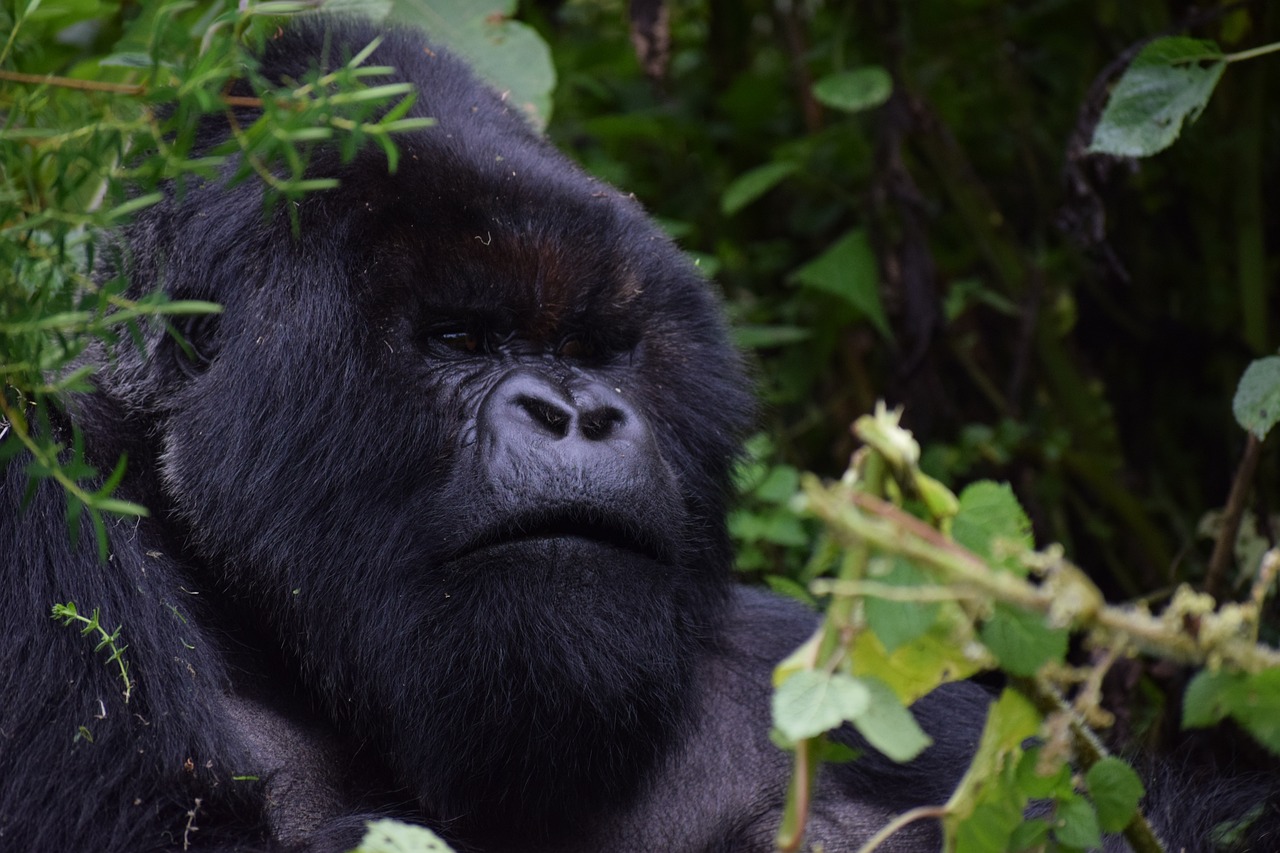
Volcanoes National Park is the reason most people put Rwanda on their map, and it sits in the far northwest, about two to two and a half hours from Kigali on tarmac. The park protects around 160 square kilometres of the Virunga volcanoes on the borders with Uganda and Congo, joined to Mgahinga on one side and Virunga National Park on the other. Its gorilla trekking safaris start each morning at 7am at the Kinigi park headquarters, where rangers send groups of up to eight people to habituated families for one hour at a distance of about seven metres. Visitors short on time can do it as a 1 day gorilla trek from Kigali.
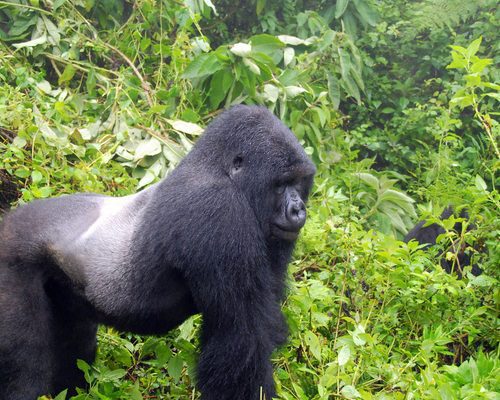
The park holds more than gorillas. Golden monkey tracking runs in the bamboo zone below Mount Sabyinyo, the Dian Fossey tomb hike climbs to the old Karisoke research camp, and the volcanoes themselves can be climbed: Bisoke in a day to its crater lake, Karisimbi over two days at 4,507 metres. In Kinigi, the Ellen DeGeneres Campus of the Dian Fossey Gorilla Fund explains the research story, and the Gorilla Guardians Village, long called Iby’Iwacu Cultural Village, shows rural life with drumming and dance. Every early September the Kwita Izina gorilla naming ceremony fills the hills above Kinigi.
Musanze town, still often called Ruhengeri, is the working hub of the region, with banks, markets and simpler hotels. Just outside it the Musanze Caves run as a lava tunnel about two kilometres long. Drive east and the road reaches the Twin Lakes of Burera and Ruhondo, ringed by some of the steepest terracing in the country, where canoe trips and island camping make a quiet day after the treks. North of Burera lies Rugezi, a high altitude marsh and Ramsar site known to birders for Grauer’s swamp warbler and grey crowned cranes. Near Musanze, the community run Red Rocks centre hosts art, crafts and village visits.
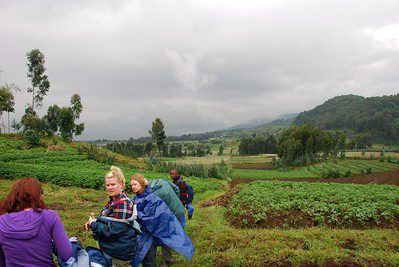
Lodges cluster in Kinigi, closest to the 7am briefing, along the Musanze to Kinigi road, and on the ridges above the Twin Lakes. Our pages on Volcanoes National Park, Rwanda gorilla trekking and luxury lodges near Volcanoes go deeper. Best for: first time visitors, primate lovers, hikers.
Rubavu and the Northern Shore of Lake Kivu: Lakeside Tours
Rubavu, the town most maps still call Gisenyi, sits on the northern tip of Lake Kivu, about an hour to an hour and a half from Musanze and right on the border with Goma in Congo. It is the liveliest of the lake towns, with sandy public beaches, lakefront hotels along a palm lined road and a small port where fishing boats come in each morning.
Lake Kivu is a deep lake of more than 2,000 square kilometres in the Albertine Rift, and it has no hippos or crocodiles, so swimming off the beaches and hotel jetties is normal. From Rubavu you can take a boat tour along the shore, kayak to quieter coves, or visit the Nyamyumba hot springs south of town, where locals bathe in water that is scalding in parts. The Pfunda tea estate just inland runs factory tours. Watch your belongings on the busy public beaches, a point several visitor reviews raise.
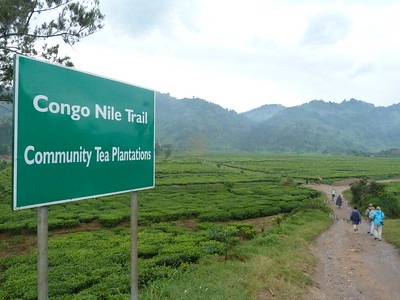
Rubavu is the northern start of the Congo Nile Trail, which follows the shore south for about 227 kilometres. It also makes a sensible overnight between the gorilla parks and the south of the country. Best for: beach time after trekking, families, travellers heading on to Gishwati or Karongi.
Karongi, Rusizi and the Lake Kivu Islands: Boat Trips and the Congo Nile Trail
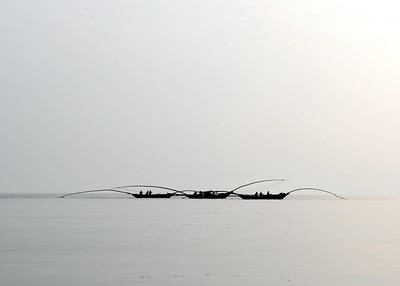
Halfway down the lake, Karongi (Kibuye) is quieter and greener than Rubavu, set on a bay scattered with islands. This is the place for Lake Kivu island trips: boats run to Napoleon Island, named for its hat shape, with a colony of fruit bats that lift off together when disturbed, to Amahoro Island for swimming, and past the smaller islands where cattle graze. In the evening, fishermen row out in groups of three boats lashed with long eucalyptus poles and sing as they go. Afternoon wind can make the water choppy, so morning boats are calmer.
Above Karongi, the Bisesero genocide memorial remembers people who resisted on the hilltops in 1994; it is one of four memorial sites inscribed on the UNESCO World Heritage List in 2023. The Gisovu tea estate lies in the hills between the lake and Nyungwe. Back in town, the small Museum of the Environment covers the lake’s geology, its dissolved methane and the energy the country now draws from it, and its rooftop garden grows plants used in traditional medicine. Give it an hour on a wet afternoon.
At the southern end, Rusizi (Kamembe, once Cyangugu) faces Bukavu across the water and sits closest to Nyungwe. Few visitors stay long, but it is the natural base for the Bugarama hot springs and a gateway into the forest from the west. The Congo Nile Trail links all three lake towns through coffee farms, banana groves and fishing villages, and most travellers hike or cycle one stage rather than all of it, often Rubavu to Karongi with a night around Kinunu, a coffee growing hillside about halfway along with simple guesthouses and lake views. Best for: slow travel, cyclists, walkers, anyone who wants a quieter lake.
Gishwati Mukura National Park: Chimpanzee Trekking in Rwanda’s Newest Park
Gishwati Mukura National Park lies inland from Lake Kivu, between the volcanoes and Nyungwe, and is Rwanda’s newest and smallest national park. It joins two forest fragments that were badly cleared for farming and grazing and are now being replanted. Gishwati opened to visitors in December 2020; Mukura has mostly stayed closed to tourism.
Its main attraction is a chimpanzee trek following a small community of roughly 20 to 30 animals, with golden monkeys, L’Hoest’s and blue monkeys in the same forest and more than 200 bird species recorded. Guided walks lead to a waterfall and up to the park’s highest viewpoint, and community visits around the forest edge show the tea and dairy farming that surround it. Visitor numbers are low and lodging inside the park is very limited, so book early and treat any chimp sighting as a bonus. Best for: travellers who have done Nyungwe, or who want chimps on a northern route.
Nyungwe Forest National Park: Rainforest Primate Safari in the Southwest
Nyungwe Forest National Park covers about 1,019 square kilometres of mountain rainforest in the southwest, on the ridge that divides the Congo and Nile river basins. African Parks has managed it with the Rwanda Development Board since 2020, and UNESCO inscribed it as a World Heritage Site in 2023. The main road from Huye to Rusizi runs straight through it, so even a drive across shows tree ferns and colobus monkeys from the car.
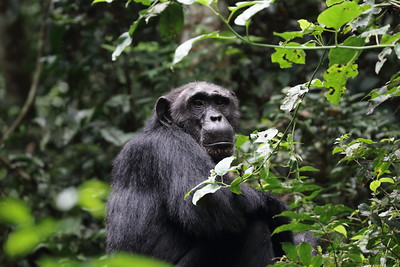
Nyungwe holds 13 primate species. Chimpanzee tracking runs from Uwinka in the main forest and in Cyamudongo, a separate patch to the west reached by an early drive from Gisakura. The canopy walk, a suspension bridge near Uwinka, crosses a forested valley at treetop height. Long hiking trails reach the Isumo waterfall, the Bigugu summit and the Kamiranzovu swamp, and more than 300 bird species include many Albertine Rift endemics. Large troops of Angolan colobus feed near the Gisakura tea estate on the western edge.
Lodges sit in two areas, around Gisakura in the west and around Uwinka and Kitabi in the centre and east, so pick by which chimp trek you plan to do. From Kigali the drive is five to six hours, and from Huye about two. Rain falls in every month. Best for: chimp trackers, birders, serious hikers.
Huye, Nyanza and Kibeho: Royal Heritage, Museum and Pilgrimage Tours in the South
The southern towns of Nyanza and Huye lie on the main road between Kigali and Nyungwe, which makes a heritage tour an easy stop on the drive. Nyanza is about two hours from Kigali; Huye is roughly half an hour beyond it.
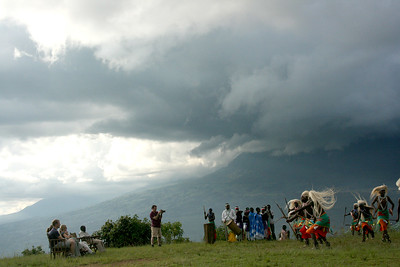
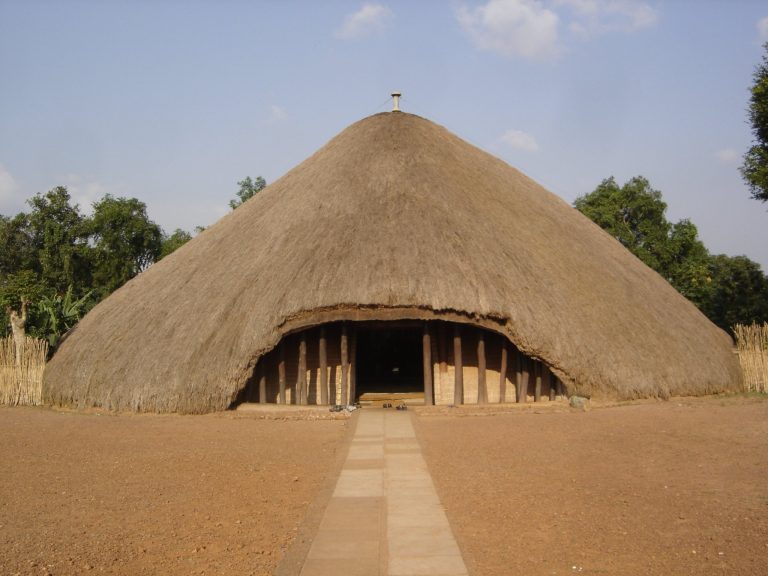
Nyanza was the seat of Rwanda’s kings, and the King’s Palace Museum shows two sides of that history: a rebuilt thatched royal palace in the traditional style, and the colonial era residence of King Mutara III Rudahigwa. Keepers still tend the herd of Inyambo cattle with their long curved horns and sing to them in the old court manner. On a nearby hill, the Rwesero Art Museum occupies a palace built for the king but never lived in.
Huye, still known as Butare, is the university town of the south. Its Ethnographic Museum, opened in 1989, is the best museum in Rwanda for traditional life, with galleries on farming, hunting, weaving, architecture and dance, and dance shows that can be booked ahead. Coffee cooperatives around Maraba take visitors in the harvest season. Under an hour west, the Murambi memorial, another of the UNESCO listed sites, is far more graphic than Kigali’s, and many visitors read about it first before deciding to go. Best for: history and culture, a break on the way to Nyungwe.
Further south, in Nyaruguru district near the Burundi border, Kibeho is Rwanda’s main Christian pilgrimage site. Three schoolgirls reported visions of the Virgin Mary here from November 1981, and the Catholic Church later recognised them, so the Shrine of Our Lady of Kibeho now draws pilgrims from across Africa and beyond. The largest crowds come for the Assumption on 15 August and the anniversary on 28 November. Kibeho has guesthouses run by religious communities and little else, so most visitors come as a day trip from Huye. The village also carries the memory of killings at its church in 1994 and at a camp nearby the following year, which a small memorial records.
Akagera National Park and the East: Big Five Savannah Safari
Akagera National Park is Rwanda’s only savannah park and its only Big Five safari destination, set against the Tanzanian border about two and a half hours east of Kigali. It covers roughly 1,122 square kilometres of grassland, acacia woodland, lakes and papyrus swamp. African Parks has managed it with the Rwanda Development Board since 2010; lions returned in 2015 and eastern black rhinos in 2017.
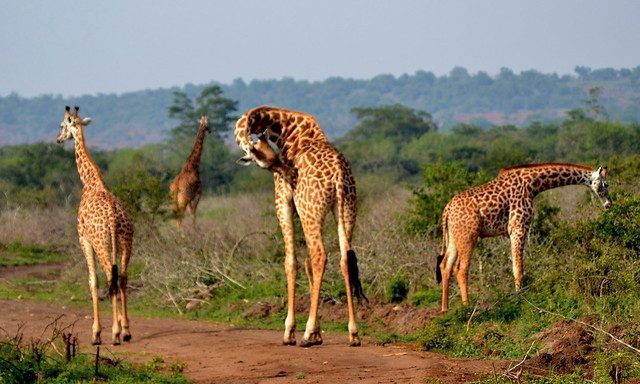
Game drives on the northern plains turn up elephants, buffalo, giraffes, zebras and topi on most days; lions, rhinos and leopards take more patience. Lake Ihema in the south has boat trips past hippos and Nile crocodiles, and close to 500 bird species are recorded in the park, with the shoebill an occasional prize in the swamps. Lodges and tented camps sit inside the park, so one or two nights works far better than a long day trip. The south, around Lake Ihema and the main gate, is busiest; the far north, where the Magashi area looks over Lake Rwanyakazinga, has fewer vehicles and the open grassland that most guides rate as the best game viewing in the park. Tsetse flies in the southern woodland favour dark clothing.
Elsewhere in the east, Lake Muhazi, a long narrow lake about an hour from Kigali, is a weekend spot for city residents with lakeside restaurants, boats and birdlife. The eastern towns of Nyagatare and Kibungo rarely see tourists, though both sit near the park. Best for: first safaris, families, photographers.
Kigali and Bugesera: City Tours, Memorials and Wetlands
Kigali spreads across a series of ridges in the centre of the country, and almost every Rwanda trip starts and ends here. It is clean, orderly and safe to walk in by day, plastic bags are banned, and motorbike taxi riders carry a spare helmet for passengers.
The Kigali Genocide Memorial at Gisozi is the city’s most important site, where more than 250,000 victims of the 1994 genocide against the Tutsi are buried and the exhibitions explain how it happened and how the country rebuilt. It opens daily from 9am to 5pm, and only from 1pm on the last Saturday of the month because of Umuganda community work. Beyond it, the city has the Inema Arts Center and Niyo gallery for contemporary art, Kandt House Museum, the Rwanda Art Museum in the former presidential palace at Kanombe, Kimironko Market for fabric and tailors, the Caplaki craft village, the lively Nyamirambo neighbourhood with its women’s centre walking tours, and horse riding on Mount Kigali.
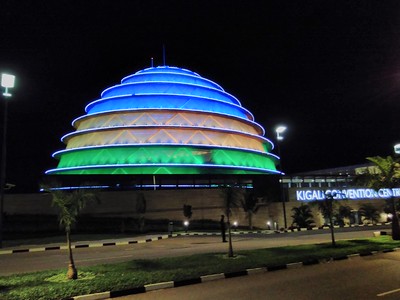
Evenings belong to Biryogo, next to Nyamirambo, where a car free street fills with grills, brochettes and fried sambaza from the lake after dark. On the eastern edge of the city, the Nyandungu eco park has turned a degraded wetland into walking and cycling paths, a medicinal plant garden and quiet birding close to the airport road. Film fans still stop at the Hôtel des Mille Collines, the hotel behind the story of Hotel Rwanda, for a drink by the pool, and the domed Kigali Convention Centre lights up the skyline at night.
On the airport side of the city, Umusambi Village is a restored wetland where rescued grey crowned cranes live, an easy morning stop on the road to Akagera. South of Kigali in the Bugesera district, the church memorials at Nyamata and Ntarama are about an hour away and often visited together on a half day tour. Best for: every traveller, for at least one day.
Routing a Rwanda Trip Between Regions
Rwanda’s main destinations fall into a loop. Head northwest from Kigali to the volcanoes, west to Rubavu, down the lake to Karongi, across to Nyungwe, back through Huye and Nyanza, and you return to the capital having seen five regions in about a week. Akagera sits outside the loop to the east, so most people add it at the start or the end.
| From Kigali to | Drive time | Region |
|---|---|---|
| Kinigi | 2 to 2.5 hours | Northwest |
| Rubavu | 3 to 3.5 hours | West |
| Karongi | About 3 hours | West |
| Nyanza | About 2 hours | South |
| Nyungwe | 5 to 6 hours | Southwest |
| Akagera | About 2.5 hours | East |
Rubavu to Karongi and Karongi to Nyungwe are slow, winding roads, so allow more time than the distance suggests, and avoid driving after dark when fog sits on the hills. A boat along Lake Kivu replaces part of the drive for travellers who prefer the water. Most visitors book a driver guide through a licensed operator; for an example of how a week can be laid out, see 7 Days Rwanda Safaris, and compare others on our list of Rwanda safari companies. Seasons matter too: the dry months of June to September and mid December to February suit hiking and game drives, while the wetter months are greener and quieter. Our best time for gorilla trekking guide covers the region month by month.
Linking Rwanda’s Destinations with Bwindi and the Rest of Africa
The northwest borders Uganda, so Volcanoes and Musanze are a short hop from Mgahinga and the southern sectors of Bwindi Impenetrable Forest through the Cyanika crossing, while the Katuna crossing north of Kigali suits Bwindi’s northern sectors. Our guide to gorilla trekking in Uganda from Kigali covers both, and Uganda vs Rwanda explains the trade offs. The East Africa Tourist Visa covers Rwanda, Uganda and Kenya together.
Further afield, Kigali has short flights to Nairobi for a Masai Mara safari and to Kilimanjaro for the Serengeti, and west of Rubavu lies Congo, covered on our Congo gorilla trekking page.
Best Tourist Destinations in Rwanda: Frequently Asked Questions
Which Rwanda destination should I choose if I only have a few days?
Volcanoes National Park and Kigali. Two nights near Kinigi cover a gorilla trek and golden monkeys, and a day in Kigali covers the Genocide Memorial and the city. Add Rubavu on Lake Kivu if you have a fourth or fifth day.
How much are the gorilla permit and park fees at Rwanda’s main destinations?
A gorilla permit in Volcanoes National Park costs US$1,500 for foreign non residents, falling by 30 percent to US$1,050 from November to May if you also stay two nights in Nyungwe or Akagera with a paid activity. On the trek you spend one hour with the family at about seven metres, and trekkers must be 15 or older. Golden monkey tracking is US$100. Nyungwe and Akagera each charge international entry of US$100 for one night, US$150 for two and US$200 for three, with Nyungwe chimp tracking at US$150. The Kigali Genocide Memorial is free to enter, with donations welcome. Details are on our Rwanda gorilla permits page.
What does a week touring Rwanda’s destinations cost?
Operator quotes for seven days with gorillas, chimps and Lake Kivu commonly run about US$3,500 to US$5,000 per person on a budget and US$5,000 to US$8,000 mid range. Our Rwanda safari cost guide has the breakdown.
Is Rubavu or Karongi better for Lake Kivu?
Rubavu has beaches, more hotels and the shortest drive from the volcanoes. Karongi is quieter, with the best island boat trips. Travellers going on to Nyungwe often stay in Karongi; those returning to Kigali after the gorillas prefer Rubavu.
Is Nyungwe or Gishwati better for chimpanzees?
Nyungwe has the larger habituated communities and more reliable sightings, plus the canopy walk and long trails. Gishwati is smaller and quieter, with a small chimp group and few visitors, and fits a northern route between the volcanoes and Lake Kivu.
Which UNESCO World Heritage Sites can you visit in Rwanda?
Nyungwe National Park, and the four genocide memorial sites at Kigali (Gisozi), Nyamata, Murambi and Bisesero, all inscribed in 2023.
Is Rwanda a good tourist destination?
Yes, especially for a first trip to Africa. In one small, well paved country you get mountain gorillas, chimpanzees, a Big Five savannah, a large freshwater lake and some of the most important history on the continent, with short drives between them. The trade off is price, since the gorilla permit costs more than in Uganda, which is why many travellers pair the two. For activity ideas at each place, see our guide to things to do in Rwanda.
Is it safe to visit Rwanda right now?
Rwanda is one of the safest countries in Africa for visitors, with low crime, good roads and visible police, and the parks, lake towns and Kigali run as normal. Usual care applies in busy markets and on public beaches. Fighting in eastern Congo has at times affected the areas around Goma and Bukavu, across the border from Rubavu and Rusizi, so check your government’s current travel advice before you go and do not plan a crossing into Congo without it. Our page on safe countries to visit in Africa gives the wider picture.
Can you wear blue in Rwanda?
Yes. No rule stops visitors wearing blue anywhere in the country. The advice exists because tsetse flies in Akagera and some lowland woodland are drawn to dark blue and black, and their bites are painful, so on game drives wear khaki, olive or tan. In Kigali, wear what you like within ordinary modest dress, and cover shoulders and knees at memorials and churches.
What are the Big 5 in Rwanda?
Lion, leopard, elephant, buffalo and rhino, and all five live in Akagera National Park, the only place in Rwanda to see them. Elephants and buffalo are seen on most drives; lions and both black and white rhinos take time and a park guide helps; leopards are the hardest. Volcanoes and Nyungwe have none of the Big Five on show, though forest elephants and buffalo leave signs on some Virunga trails.
Do I need a driver to tour Rwanda’s regions?
No, but most visitors use one. Roads are paved and well signed, so self drive is possible, but a driver guide handles the early runs to gorilla briefings, the slow lake roads and park paperwork, and avoids night driving in hill fog.