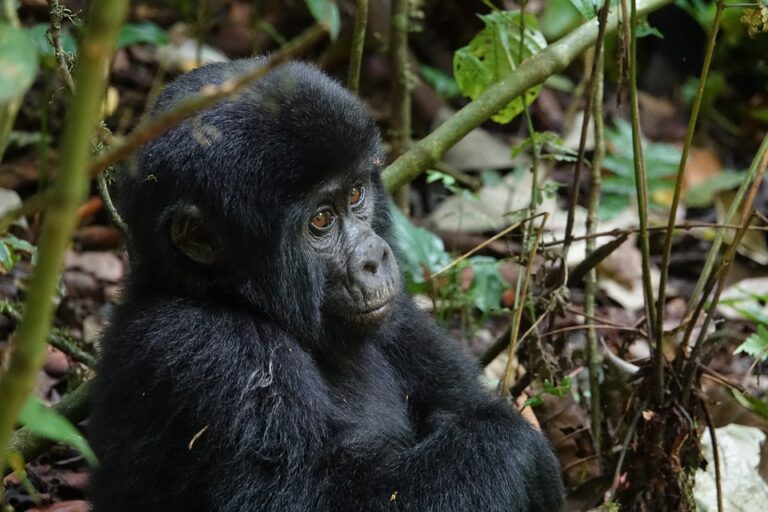
1 day gorilla trekking in Uganda works, but only if you start close to the gorillas: in Kigali across the Rwandan border, or in the Ugandan towns of Kisoro and Kabale. A one day gorilla tour from Kigali means a pickup in the small hours, a dawn border crossing, the trek and a late drive back. Every one of these day trips goes to Bwindi Impenetrable National Park or Mgahinga Gorilla National Park in southwest Uganda.
Short on days and set on seeing mountain gorillas? Plenty of travellers are, and the day trip exists for exactly that reason. This guide walks through how the day really runs, where it tends to go wrong, and how to judge a package, so you can decide calmly whether one day is enough or whether a single extra night is worth it.
Can You Do 1 Day Gorilla Trekking in Uganda? Where the Day Trip Works
You can. A one day gorilla trekking safari in Uganda has two hard conditions, though. Your start point has to lie within four or five hours of a trekking sector, and you have to be standing at the ranger briefing by about 7.30am to 8am Ugandan time. Groups leave once the briefing ends. Late arrivals lose the day, and the permit is not refunded.
Those two conditions cut the map down fast. Entebbe, where most international flights land, is the wrong side of the country. What is left is a short list: Kigali, the Rwandan capital, a few hours south of the border; Kisoro, a small town under the Virunga volcanoes; and Kabale, the highland town beside Lake Bunyonyi.
When an operator advertises a “1 day gorilla trek Uganda”, the Kigali version is nearly always what they mean. It is the one marketplaces list by the dozen, because Kigali has good air links and a Uganda permit costs far less than Rwanda’s. Travellers already sleeping in Kisoro or Kabale during a longer Uganda trip get a much gentler day, with an hour or two of driving each way instead of four or more.
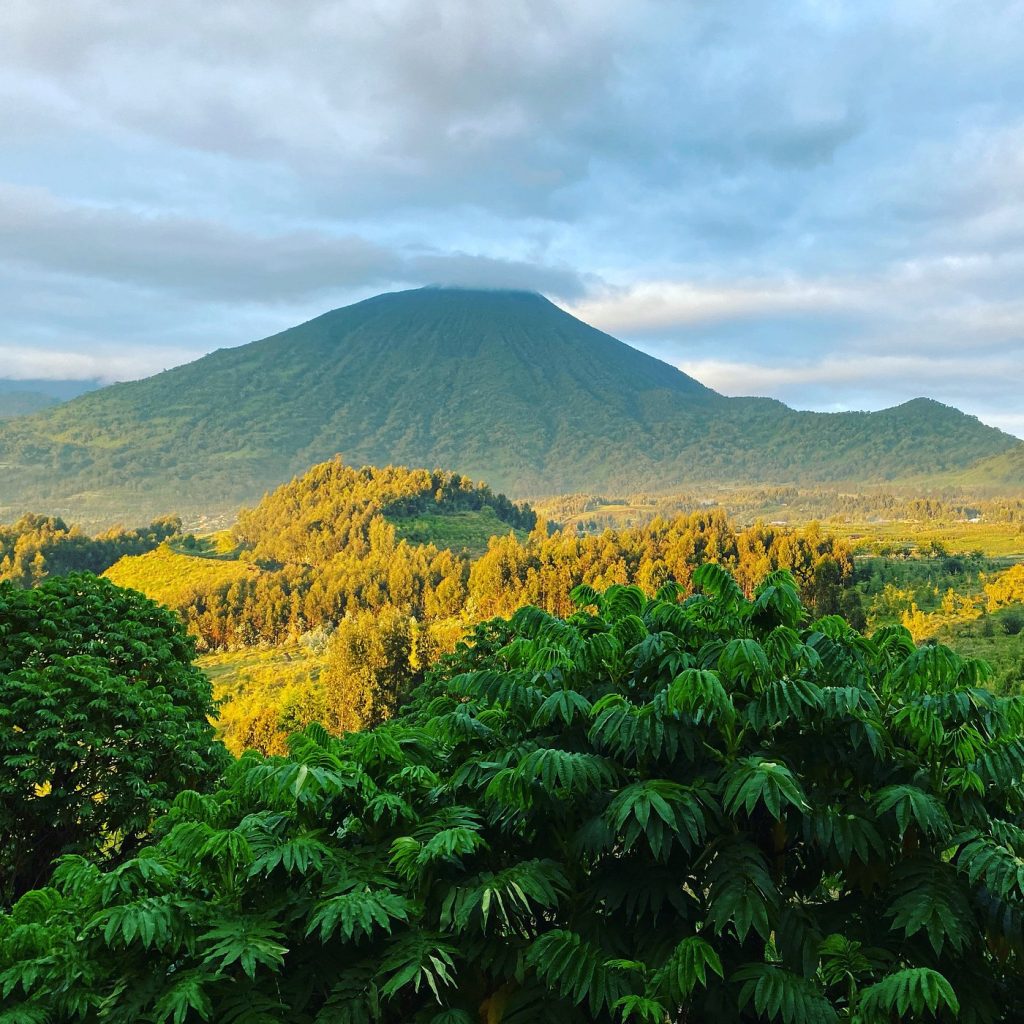
Some context on where you are going helps. Bwindi is a mountain rainforest gazetted as a national park in 1991 and listed by UNESCO as a World Heritage Site in 1994. It holds close to half of the world’s mountain gorillas: the 2018 census counted 459 there out of 1,063 in total, and results of the newer count are still awaited. Mgahinga, next door on the slopes of the Virungas, protects a smaller share of the same population.
1 Day Gorilla Trekking Tour from Kigali, Hour by Hour
The 1 day gorilla trekking tour from Kigali follows the same basic shape whichever company runs it. One detail catches people out: Uganda’s clock is one hour ahead of Rwanda’s, so a 7.30am briefing in Rushaga is 6.30am back in Kigali.
The border row is where the plan is weakest. Cyanika, the crossing nearest Rushaga, Nkuringo and Mgahinga, does not run all night, and published opening hours differ from one source to the next. If it opens after the time your driver needs to be through, a 7.30am briefing in Rushaga is out of reach. Katuna, on the main road to Kabale, is widely reported to stay open overnight, so some companies use it and accept a longer drive. Before you pay, ask which crossing the company uses, what time it opens, and when one of their groups last went through at that hour.
The end of the day is the second pinch point. A family that has wandered far can turn the trek into most of the afternoon, and Cyanika shuts in the evening. If the driver cannot get you back across in time, he either takes the long way round through Katuna or stops for the night in Kisoro. Several operators quietly offer a Kisoro night on request for exactly this reason. Distances, visa rules and the vehicle paperwork for the crossing are set out in our Kigali to Bwindi route guide.
Same Day Gorilla Trek from Kisoro, Kabale or Lake Bunyonyi
Start from a bed in southwest Uganda and the same day gorilla trek turns into an ordinary early morning. Travellers on a longer Uganda trip often sleep in Kisoro, on Lake Mutanda or on Lake Bunyonyi and treat the gorillas as a day out from there. Our Uganda safari guide lays out those longer routes.
Kisoro. Mgahinga’s Ntebeko gate is about half an hour away. Nkuringo takes an hour or a little more over the hills; Rushaga takes one and a half to two hours, more after rain. Leaving at 5am to 6am gets you to the briefing with time to spare, and back in town by mid or late afternoon is normal. Kisoro has an airstrip with scheduled flights from Entebbe, so some people fly in the day before, sleep in town or at a lakeside base such as Lake Mulehe Safari Lodge, and trek the next morning.
Kabale and Lake Bunyonyi. Ruhija, high on Bwindi’s eastern ridge, is roughly two hours from Kabale when the road is dry. Rushaga is two to three hours on hill roads. Nkuringo is the long one at three to four hours, which makes it a poor pick from this side. Many visitors sleep on the lake and drive in at first light.
Strictly speaking, this still counts as a one day trek: one morning, one permit, home the same afternoon. The long travel simply moves to the day before, where it does far less damage.
Why a One Day Gorilla Safari from Entebbe or Kampala Falls Apart
People landing at Entebbe ask about a gorilla day trip from Kampala all the time. By road, it cannot be done. Every Bwindi sector is eight to ten hours away, and nobody can drive that through the night, trek, and drive back safely.
Scheduled flights do not fix it. Aerolink Uganda’s morning departures from Entebbe land at Kisoro or Kihihi after the briefing has started, and the return flights leave the airstrips in the morning too, long before any trek ends. So the shortest scheduled fly in trip is three days: fly in, trek, fly out. Our getting to Bwindi page sets out the flights and road transfers.
A private helicopter charter is the only way to squeeze it further, and even then the advice is to arrive the day before. Helicopters fly by daylight, mist often fills Bwindi’s valleys at dawn, and a weather hold on trek morning costs you the permit. On a clear afternoon a helicopter can lift you out after the trek, which makes two days from Entebbe workable for those with the budget.
Flying into Entebbe with only a few days? A 3 day gorilla trekking safari by road or air is usually the better answer.
Picking the Sector for a One Day Gorilla Trek in Bwindi or Mgahinga
The sector printed on your permit decides whether a one day gorilla tour is comfortable, tight or impossible. Bwindi’s four trekking sectors sit hours apart by road, so a permit in the wrong one cannot be rescued on the day.
Uganda Wildlife Authority sells each permit for a fixed date and sector, and since UWA suspended its short reservation hold, permits are paid in full when booked. A day trip has no spare morning, so the operator should confirm the sector before planning anything else. Our guide to booking Uganda gorilla permits covers the rules, cancellations and refunds.
On the Gorilla Trek Itself: Briefing, Rules and the Hour with the Family
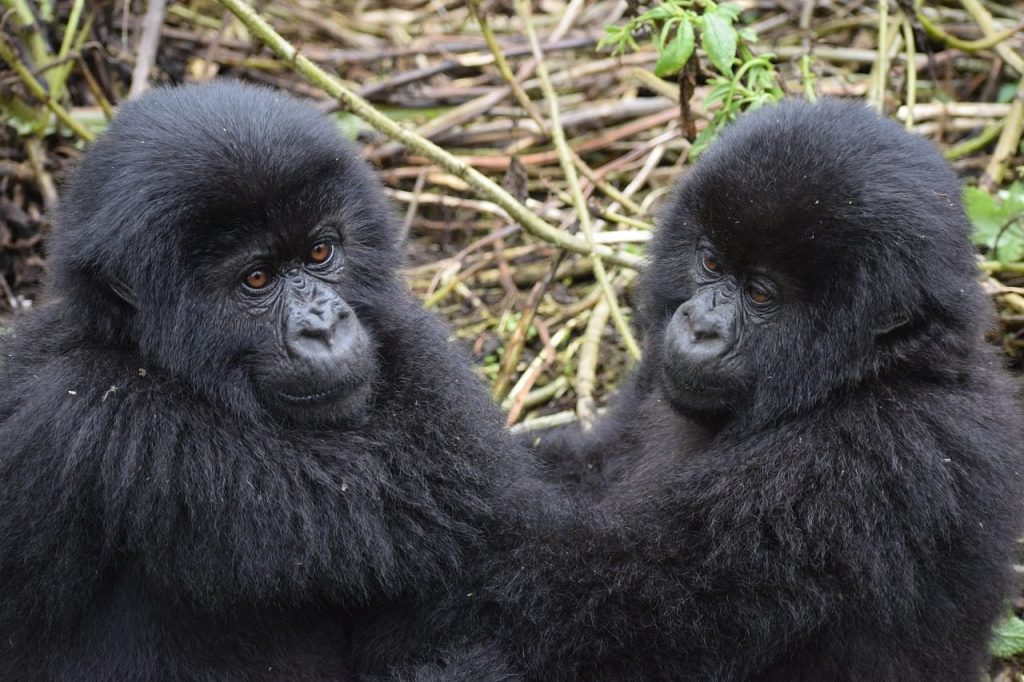
Once you reach the sector office, the gorilla trek runs exactly as it does for someone on a ten day safari. Rangers check permits against passports, explain the rules, and split the morning’s visitors into groups of up to eight, one group per gorilla family. Trackers left at dawn to find the spot where the family nested.
Say at the briefing that you have a long drive afterwards, and mention any knee, back or heart trouble. Rangers sometimes place less mobile visitors with a family seen nearer the trailhead. Nothing is promised, but it costs nothing to ask.
The rules are short. Keep at least 10 metres from the gorillas, the distance in UWA’s current tariff, though you will still see many operators quote 7. Wear a face mask once you are near the family; gorillas catch human colds and flu, and recent visitors describe masks as compulsory. No eating or drinking close to them, no flash, voices low, and if you need the toilet in the forest a ranger shows you how to dig and cover it well away from the trail. If a gorilla walks toward you, step back slowly or stay still and let the ranger guide you.
Then comes the walk. It might take twenty minutes. It might take five hours. Bwindi’s trails are steep, muddy and often off path, with a ranger ahead cutting through vines with a machete. Sightings on a habituated family are very likely because trackers locate the group first, and on the rare day a family cannot be found, UWA’s rules provide for a partial refund or another attempt. Along the way you may hear or glimpse other forest life: black and white colobus, L’Hoest’s monkeys, turacos and other Albertine Rift birds.
The hour with the family goes faster than anyone expects. Rangers count it from the moment the group reaches the gorillas, then lead everyone back out. At the sector office you receive a trekking certificate before the drive home.
Comparing 1 Day Gorilla Trekking Packages: What to Check
Day trip listings look alike on the surface, so the useful work is in the detail of each 1 day gorilla trekking package. A licensed operator’s quote should spell out each line below. If one is missing, ask before paying.
Some cheap listings for a one day trek leave the permit out of the headline figure, which makes them look like bargains beside quotes that include it. Compare like with like. Reviews help too, if you read them for the right things: how early the pickup really was, which border the driver used, and what happened when a trek ran long. Check the licence as well. Uganda operators should hold a Uganda Tourism Board licence, and Rwanda based ones a Rwanda Development Board licence. Our lists of gorilla safari companies and Rwanda safari companies explain how to check both.
Risks of a Same Day Gorilla Trek and How to Cut Them
Any gorilla trekking trip carries some uncertainty. On a day trip, every small delay lands on the same thin margin, so it pays to know where the margin goes.
The length of the trek. Gorillas move, and nobody can promise a short walk. One group finds its family within minutes; the next walks most of the day. An operator who guarantees a quick trek is guessing.
Tiredness. Trekking at altitude on two or three hours of broken sleep in a moving car is harder than it sounds. Trip reports often mention sleeping the whole way back, and a few mention people too worn out to enjoy the hour itself. Hire a porter at the trailhead. They carry your pack, steady you on the descents, and the fee goes to families living beside the park.
Your flight home. Never book an international departure from Kigali for the same night. Getting back near midnight is possible, and a slow border or a long trek pushes it later still. Fly the next day.
Illness. Rangers turn away anyone with a cough, cold or fever. On a longer trip you might move to another day. On a day trip there is no other day, though the permit rules allow a partial refund when a warden confirms you were too ill to trek.
Paperwork. You need a Ugandan eVisa or the East Africa Tourist Visa, applied for online before travel, and a passport valid for six months. Carry your yellow fever certificate for the return into Rwanda, since border officials can ask for it. Our East Africa Tourist Visa page covers the application.
Personal safety. The trek itself is closely managed, with armed rangers and trackers who know the family, and serious incidents involving visitors are very rare. The bigger day trip risk is the road: long hours in the dark on mountain bends. Choose an operator with well kept vehicles and a driver who is not also expected to work the next morning. For wider travel advice, see our page on whether Uganda is safe to visit.
Clothing, Packing and Fitness for a Long Gorilla Trekking Day
Pack the night before. A 2am gorilla trekking start leaves no time to hunt for gloves in the dark, so wear the trekking clothes in the car and keep a dry layer in the bag for the drive back.
Trip reports agree on the core kit: broken in waterproof boots, long trousers tucked into socks or gaiters, a long sleeved shirt, gardening gloves against stinging nettles and thorny vines, and a rain jacket whatever the month. Add two litres of water, snacks beyond the packed lunch, insect repellent, a face mask, and a small dry bag for your phone or camera. Mornings in the hills are cold, especially in June and July, so a fleece earns its space. The full Uganda gorilla trekking packing list covers the rest.
Colour matters more than people think. Greens, browns and khaki blend into the forest and hide mud. Dark blue and black are best left at home for a different reason: they attract tsetse flies in Uganda’s savannah parks, so if the day trek is part of a wider safari, neutral colours save trouble later. Bright white just turns brown.
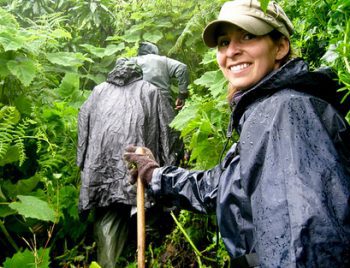
Fitness counts for more on a day trip than on a relaxed itinerary, since there is no rest day on either side. A few weeks of hill walking at home does more good than gym sessions. Older travellers and anyone with limited mobility can still trek: rangers try to match them with a nearer family, and a carried sedan chair with a team of porters can be booked through your operator well in advance, though that is far easier to arrange on an overnight trip. Our page on trekking difficulty and fitness explains what the trails demand, and the best time for gorilla trekking guide shows when the roads and trails are driest.
Is a One Day Gorilla Trek Worth It? Reviews and the Overnight Alternative
For the right traveller, yes. If one free day is truly all you have, and you are fit, flexible and able to sleep in a car, a one day trek gets you the same hour with the same gorillas as someone on a long safari. Reviews of good day trips are full of people who were glad they went for it rather than skipping the gorillas altogether.
For most people, though, one extra night changes the whole day. A 2 day gorilla trekking trip from Kigali drives down by daylight, sleeps near Rushaga or Nkuringo at a lodge such as Chameleon Hill Lodge on Lake Mutanda, and treks rested. Three days add an unhurried return and remove the border deadline altogether. Our guide to Uganda gorilla trekking tours compares the trip lengths side by side, and the budget gorilla trekking in Uganda page shows the cheapest ways to do it.
If time is the only thing that matters and Uganda’s lower permit price is not deciding it, Rwanda’s Volcanoes National Park is a few hours from Kigali on good roads with no border, and our one day gorilla trek from Kigali guide covers it. At the other end of the scale, the four hour gorilla habituation experience in Rushaga gives you far longer with a family. And if you are combining gorillas with the plains, Uganda’s southwest sits a short regional flight from Kenya’s Masai Mara, a pairing many longer trips use.
1 Day Gorilla Trekking Uganda: Questions, Safety and Costs
How much does it cost to go gorilla trekking in Uganda on a one day trip?
The UWA gorilla permit is US$800 for foreign non residents, US$700 for foreign residents and UGX 300,000 for East African citizens. A low season rate of US$600 (US$500 for foreign residents) applies in April, May and November; those permits are paid in full and cannot be rescheduled. Operator listings for a same day trip from Kigali or Kisoro, with the permit, transport, driver guide and meals included, commonly fall around US$950 to US$1,500 per person for two sharing, and solo travellers pay more. Listings far below that usually leave the permit out. Treat these as typical ranges and confirm the current permit rate before paying.
What else should I budget for on a one day gorilla trek?
A Uganda single entry eVisa is US$50, or US$100 for the East Africa Tourist Visa covering Uganda, Rwanda and Kenya, which suits a trip that starts and ends in Kigali. Porters are paid on the day, commonly around US$15 to US$20, plus tips for rangers, trackers and your driver guide. A sedan chair for limited mobility costs several hundred dollars and must be booked ahead. For the cheapest overall routes, see our budget gorilla trekking page.
Is gorilla trekking worth the money?
Most people who go say yes. The permit buys an hour with a wild mountain gorilla family, which very few places on earth can offer, and the fee pays for rangers, monitoring and vets, with a share going to communities around the park. On a one day trip the value depends on your stamina: if you arrive exhausted, the hour is harder to enjoy, which is the main argument for an overnight.
Is it safe to gorilla trek in Uganda?
Yes. Treks are led by armed UWA rangers and trackers who know each family, groups are small, and serious incidents involving visitors are very rare. Gorillas sometimes bluff charge; crouch, look down and follow the ranger. On a day trip the bigger risk is long night driving, so pick a licensed operator with a rested driver and check current travel advice before you go.
Can you wear blue in Uganda?
Yes, in towns and in the forest. In Uganda’s savannah parks, though, dark blue and black attract tsetse flies, so most safari travellers stick to khaki, olive and brown. For the gorilla trek itself, greens and browns blend in and hide the mud.
How long is the drive from Kigali to Bwindi for a day trek?
Roughly three and a half to four hours to Mgahinga, four to five to Nkuringo, and four and a half to six to Rushaga via the Cyanika border, including the crossing. Ruhija via Katuna takes about five to six hours. Allow more after heavy rain.
Can I see gorillas in one day from Entebbe?
Not on a normal trip. The road takes eight to ten hours, and scheduled flights land after the morning briefing. The shortest practical fly in trip from Entebbe is three days, or two if a private helicopter collects you after the trek.
What are the chances of seeing gorillas on a one day trek?
Very high on a habituated family, because trackers find the group before you set off. On the rare day a family is not located, UWA’s rules allow a partial refund or another attempt, though another attempt is rarely possible on a day trip.
How far ahead should I book a one day trek?
As early as you can for June to September and December to February, when southern permits sell out months ahead. In the wetter months, late permits sometimes appear, but you take whatever sector and family are free, and the sector decides whether the day trip works at all.
Can children or older travellers do a one day gorilla trek?
Children only from age 15, the UWA minimum. Older travellers can trek if they are reasonably fit; rangers try to allocate a nearer family, and a porter makes a big difference. For a family with younger children, a longer trip with a lodge base works better, since one parent can stay behind while the other treks.
What happens if the trek runs late and the border closes?
Your driver will either take the longer Katuna route, which is reported to stay open overnight, or stop for the night in Kisoro and cross in the morning. Ask before booking who pays for that night and which route the company uses.