On safari, do not wear dark blue or black, which draw biting tsetse flies, bright white, which turns brown in an hour, or neon on a walk. Leave camouflage at home, since several African countries ban it. Skip jeans, heavy cotton, heels, flimsy flip flops and anything too tight to sit in for four hours, and never bring a hard suitcase onto a bush plane. Neutral, loose, quick drying layers in one soft bag avoid all of it.
This page is the “avoid” list, item by item, with the reason behind each rule and the swap that works better. For the full picture of what to pack, read our main guide to what to wear on safari, and for every gear guide on the site, the safari gear and clothing hub.
Safari Colours Not to Wear: Navy, Black, Bright White and Neon
Colour is where most packing mistakes start, and the reasons are practical rather than fashion. On a game drive safari in an enclosed vehicle the animals barely notice your shirt, since they react to movement and noise first. Insects and dust are another matter.
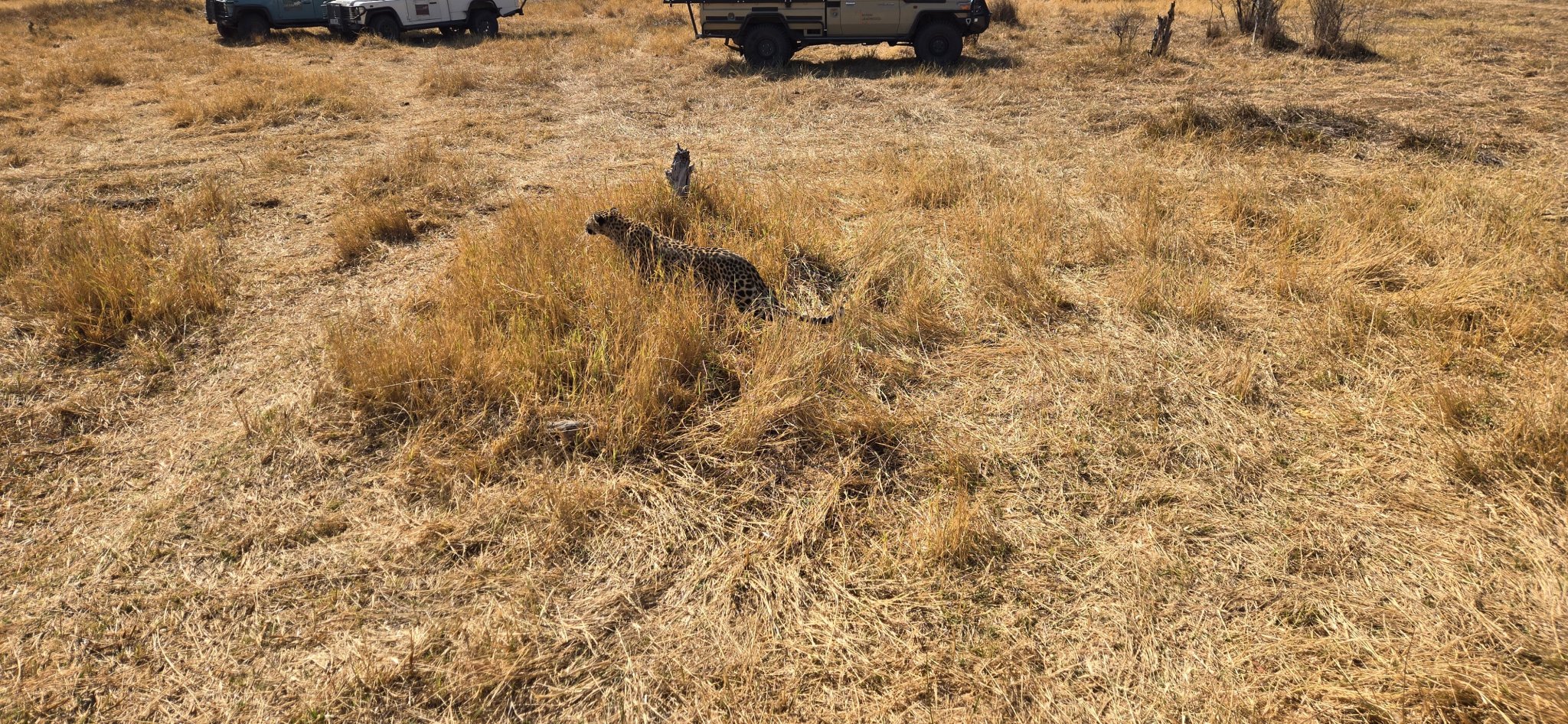
Does one navy item ruin the trip? No. Several Tanzania forum threads describe travellers who wore a dark blue fleece and were bitten more than anyone else in the vehicle, which is the realistic cost. Lighter, greyish blues are less of a problem than navy, and denim blue is close to the colour of a tsetse trap. If your only warm layer is dark, buy a cheap olive or brown full zip fleece instead. Dark daypacks and camera bags count too.
Camouflage on Safari: The Print That Can Get You Fined
Camouflage clothing is the one item on this list with legal consequences. In several African countries military patterns are reserved for the armed forces, and police and airport officials can confiscate the item, fine the wearer or detain them.
The ban covers more than shirts. Camouflage caps, shorts, phone cases, daypacks and children’s T shirts have all been taken from travellers at borders. Safari outfitters sell plenty of khaki and olive that gives the same bush look without the print.
One more Uganda point that few packing lists mention: red and yellow are strongly linked to political parties there, and the same official advice suggests not wearing them near political events. On a game drive nobody minds. In Kampala around a rally, a plain neutral shirt is the safer choice.
Safari Fabrics That Fail: Jeans, Heavy Cotton and Fussy Synthetics
Jeans are the fabric question every safari forum argues about, and the case against them is simple. Denim is heavy in a 15 kg bag, hot by late morning, slow to dry after rain and, in the classic indigo, the colour tsetse prefer. If you love them, wear one pair on the plane for a night in Nairobi or Arusha and leave them in the hotel when the bush flight leaves. Light stretch travel trousers in tan or roll up hiking trousers for women look similar at dinner and dry overnight; the safari trousers guide compares them.
Heavy cotton twill is the other trap. It feels lovely in dry heat, then holds sweat and rain and stays damp for a day on a line in a tent. A light cotton shirt is fine; a thick canvas jacket bought for the look is not.
Shiny or crinkly synthetics, such as rustling windbreakers and glossy sportswear, are a smaller problem. They can glint in the sun and rustle on a walk, and cheap polyester that does not wick turns clammy on a hot afternoon drive. Look for a matte finish and a vented back, such as a UPF 50 vented button up shirt in khaki. Our best safari shirts guide explains what to read on the label.
Tight, Skimpy and Revealing Safari Outfits: Comfort and Local Dress Codes
A safari outfit spends most of the day sitting on a bench seat that bounces over corrugated tracks. Skinny jeans, tight leggings worn alone and stiff waistbands dig in by the second hour. Loose trousers with some stretch, a waist you can forget about and sleeves that roll up work better, and they keep the sun and mosquitoes off at the same time.
Skimpy clothing has two problems. Strappy tops and short shorts leave skin open to the equatorial sun and to mosquitoes at dusk, and they can cause offence away from the lodge. Covering shoulders and knees is the polite norm in villages, markets, mosques and towns across East Africa, and on Zanzibar the authorities can fine visitors who wear shorts or sleeveless tops away from the beach resorts. A light neutral cotton scarf fixes most of this in seconds, and wide leg linen trousers in khaki or olive stay cool in town.
Underwear matters more than people expect. The tracks are rough, so many women swap an underwired bra for a wireless medium impact sports bra for drives. Our safari clothes for women page covers the rest of the women’s kit, and the safari clothes for men page does the same for men.
Safari Footwear Not to Wear: Heels, Flip Flops and Brand New Boots
Footwear mistakes are the ones that actually hurt on a safari trip.
The swap is two pairs. One pair of broken in lightweight breathable trail shoes in brown or grey, worn on the plane, plus lightweight walking sandals with a back strap for camp and the shower.
Safari Luggage Not to Bring: Hard Suitcases, Plastic Bags and Overpacking
A hard suitcase is the classic first safari mistake. Light aircraft that fly into the Masai Mara, the Serengeti, the Okavango and many Ugandan airstrips load bags into small, awkward pods, so they ask for soft bags without wheels or rigid frames, commonly capped at about 15 kg per person in East Africa including hand luggage. Some pilots refuse a hard case; others make you repack on the airstrip. A soft duffel such as The North Face Base Camp Duffel in medium fits, and our safari duffel bag guide compares others.

Plastic carrier bags are next. Kenya, Rwanda and Tanzania ban them, and Tanzania asks arriving air passengers to hand them over at the airport. Clear zip bags for airline liquids are usually allowed. Pack shoes and dirty laundry in fabric bags or compression packing cubes instead. Our guide to the best packing cubes for safari shows how to sort a soft bag by day and keep laundry apart.
Then there is simple overpacking. Almost every lodge and camp washes clothes daily, so a week’s safari needs three or four outfits, not seven. The one exception to “less is better”: never put everything in the checked bag. Long haul luggage does go missing, so keep one safari outfit, medicines and anything irreplaceable in your hand luggage.
Accessories to Leave Behind on Safari: Jewellery, Perfume, Food and Gadgets
Some safari accessories add worry rather than value.
Expensive and sentimental jewellery has no job to do on a game drive. Rings slip off with sunscreen, earrings vanish in the grass at a picnic stop, and you spend the trip checking on them. Simple pieces you would not miss are plenty for dinner.
Strong perfume, cologne and heavily scented lotions draw insects and, at close range on a walk, the attention of animals with far better noses than ours. Unscented products are the safer choice, from deodorant to a fragrance free SPF 50 mineral sunscreen.
Food in the tent is a camp rule, not a wardrobe one, yet it belongs here. Snacks and fruit in a bag attract monkeys, baboons, honey badgers and occasionally elephants, so most camps ask guests to keep food out of tents. Hand any snacks to the camp staff.
Hairdryers, straighteners and big electrical kit are worth leaving behind too. Many camps run on solar panels and batteries that cannot handle a heating element, and charging often happens in the main area. Drones are banned or need a permit in national parks across East Africa.
The Safari Costume Trap: Pith Helmets, Formalwear and Matching Outfits
Instagram makes a safari wardrobe look like a period film: pith helmet, belted bush jacket, riding boots, everything in matching khaki. Guides and bloggers who have done many safaris tend to say the same thing: nobody dresses like that, and you do not need to. Most people on a drive wear ordinary outdoor clothes in muted colours.
The costume pieces fail on practical grounds. Pith helmets and stiff felt hats crush in a soft bag and blow off without a chin strap, unlike a packable wide brim UPF 50 hat with a chin strap; our safari hats guide has more. Heavy canvas jackets weigh a kilo. Riding boots look smart and do nothing a trail shoe cannot.
Formalwear is the other overreach. Suits, cocktail dresses, ties and dress shoes stay in the case at a bush camp, where smart casual is the top of the dress code and many guests eat in the clothes they wore on the afternoon drive. Packing one nicer outfit for a city hotel is plenty.
Workout clothes and spare “just in case” outfits are the quiet extras. Several packing diaries list exercise kit that never came out of the bag, because two game drives a day leave little time for a run.
What Not to Wear on a Gorilla Trek or Walking Safari
On foot, the rules tighten. A walking safari in Zambia or Zimbabwe, or a gorilla trekking safari in Bwindi, puts you in plain view of animals and in thick vegetation.
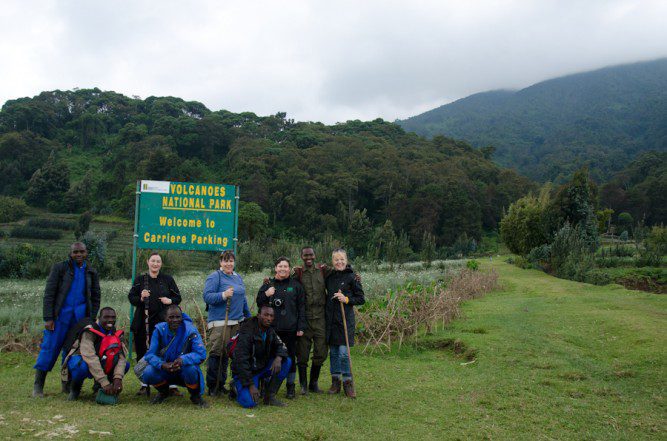
Gorilla trekking is open from age 15 and chimpanzee tracking in Uganda from 12, so families should check children’s clothing against the same list; our kids safari clothes and gear guide covers age by age kit. The full forest wardrobe is in what to wear for gorilla trekking.
What Not to Wear on Safari: FAQ
What colours should you not wear on safari?
Avoid dark blue and black, which attract tsetse flies; bright white, which shows dust and glare; and neon or very bright colours on walking safaris. Camouflage print is a legal issue rather than a colour choice and stays at home. Khaki, olive, sand, stone and soft green are safe everywhere.
Can I wear black on safari?
In a closed vehicle in South Africa, Namibia or Botswana, where tsetse are rare on most routes, a black top does little harm beyond heat. In Tanzania, Uganda, Kenya, Zambia and Zimbabwe, black and navy draw tsetse flies, so it is better left at home.
Can I wear jeans on safari?
You can, but most people regret it. Denim is heavy, hot and slow to dry, and blue denim attracts tsetse. Wear one pair on the plane if you like and switch to light travel trousers for drives.
Is camouflage illegal on safari?
In some countries, yes. Uganda bans military style clothing, including camouflage, for everyone including children, and Zimbabwe bans civilian camouflage clothing. Other countries and many lodges restrict it. Leave every camouflage item at home, including caps and bags.
What happens if you wear shorts or a sleeveless top in Zanzibar town?
Away from the beach resorts it can cause offence, and UK travel advice says Zanzibari authorities can fine visitors US$700 or more, with higher fines for guides and tour operators. Cover shoulders and knees in Stone Town and villages.
Can I bring a hard suitcase on a safari?
Not on most light aircraft transfers, which take soft bags of about 15 kg in East Africa. On a road safari a hard case may travel, though it is awkward in a vehicle. A soft duffel works for every kind of trip.
Do I need to buy special safari clothes?
No. Ordinary outdoor clothes in muted colours work for a vehicle safari. What matters is avoiding the items on this page and packing warm layers for dawn drives.
What to Pack Instead for an African Safari
Once the wrong items are out, the right list is short: long sleeved shirts and quick drying trousers in neutral colours, a fleece and windproof layer, a brimmed hat with a chin strap, broken in trail shoes, sandals with a back strap, a swimsuit and one soft bag. Treat clothes with permethrin clothing spray before you fly if you are heading into malaria areas, and read our insect repellent guide for skin products. A UPF 50 neck gaiter handles sun and dust in one.
The main guide to what to wear on safari builds the full wardrobe, with outfits by time of day and by destination, and the African safari packing list covers everything beyond clothes. Combining a savannah trip with gorillas? The gorilla and Masai Mara itinerary shows how the two fit, and the gorilla trekking packing list adds the forest kit.