A Rwenzori packing list starts with knee high gumboots, gaiters, full rain gear and dry bags, then adds warm layers and a sleeping bag rated to about minus ten for the high huts. Treks on the Central Circuit or the Kilembe trail to Margherita Peak run seven to nine days from Kasese, and the guiding team usually supplies crampons and ropes. Uganda’s Mountains of the Moon are wetter and muddier than Kilimanjaro, so the kit list differs.
Gumboots for Rwenzori Trekking: Why Wellies Beat Hiking Boots in the Bog
Footwear is where Rwenzori trekking parts company with every other African mountain. Between roughly 3,000 and 4,000 metres the trail crosses bogs of black, sucking mud, most famously the Bigo Bog on the Central Circuit, where boardwalks cover the worst stretches and tussocks, roots and knee deep mud cover the rest. A leather or fabric hiking boot fills with water in the first hour and stays wet for a week.
So the standard kit is a pair of knee high rubber boots with a lugged sole. Guides and porters wear them, and almost everyone who has done the trek says the gumboots were the best decision they made. Rubber does not care how deep the bog is. You rinse them in the next stream and walk on.
They have limits. Gumboots give little ankle support and feel sloppy on rock, so most trekkers carry a pair of waterproof hiking boots as well, for the drier rock sections, the higher camps and the summit day, where crampons have to strap onto a stiff sole. Our boots guide covers the waterproof mid boots that suit this second role. Porters carry the spare pair in your duffel.
Fit matters more than brand. Buy them a half size large to fit thick socks, look for a firm, deep lug and a snug calf so the boot does not pull off in the mud. Gumboots can be rented in Kasese and at the trailheads, but large sizes run out first, so bring your own if your feet are big. Wear them over neoprene boot socks or thick wool socks, which stop rubbing and keep feet warm when water gets in over the top.
Gaiters and Socks for the Rwenzori Hiking Trails
Mud gets in over the top of a gumboot faster than you would think, and a good pair of gaiters stops most of it. For Rwenzori hiking choose knee high waterproof gaiters that close fully over the boot top; ankle gaiters are too short here. With hiking boots they matter even more, since the stream crossings and wet grass on the lower trail soak trouser legs within minutes. The gaiters guide explains straps, closures and sizing.
Socks are the other half. Pack four or five pairs of cushioned merino wool hiking socks, since wool stays warm when damp and nothing dries in the huts. Keep one pair sealed in a dry bag for sleeping only. Our socks guide covers liners and blister care, and a tube of foot cream or anti chafe balm helps feet that stay wet for days.
Rain Gear for Rwenzori Trekking: Jacket, Trousers and Pack Cover
Rain falls in the Rwenzori in every month. Even in the drier windows of December to February and June to August, trekkers report rain on most days, and the upper valleys sit in cloud for long stretches. Plan the whole Rwenzori trek on the basis that you will be wet, and buy rain gear that is truly waterproof rather than showerproof.
Bring your own shell even if you rent other kit. Rental jackets in Kasese have often been through many wet treks, and a worn coating turns a waterproof into a sponge. Our rain jacket guide compares fabrics and fit.
Dry Bags and the Packing System on a Rwenzori Trek
Everything on a Rwenzori trek travels in two bags. You carry a daypack of around 30 litres with water, rain gear, a warm layer, lunch and snacks. Porters carry a soft duffel with the sleeping bag, spare clothes and camp gear, and operators cap each porter’s load, commonly at about 20 kg, so ask your operator for your personal limit before you pack.
Neither bag stays dry on its own. Porters walk through the same rain and bog you do, and duffels sit on wet hut floors. Line the duffel with a large dry bag or a waterproof duffel, then sort the contents into a lightweight dry bag set in three sizes: the sleeping bag in one, camp clothes in another, electronics and documents in a small one. Inside the daypack, a waterproof pack liner keeps the warm layer dry.
The rule experienced trekkers follow: keep one complete set of dry clothes for the huts and never wear it on the trail. Wet trekking clothes go back on each morning, cold and clammy, and that is normal. Our dry bags guide explains sizes and fabrics, and our duffel bag guide covers soft bags that porters can carry.
Layers for a Rwenzori Climbing Trip: Forest Heat to Glacier Cold
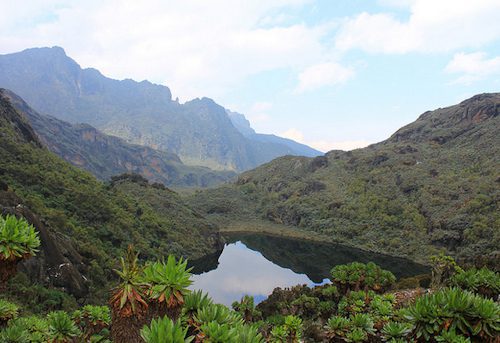
A Rwenzori climbing trip starts in warm, humid forest at about 1,600 metres and ends on a glacier above 5,000 metres, so the layering has to cover both. Cotton has no place in the bag: it soaks, stays wet and chills you. Build the system from wool and synthetics.
Temperatures drop below freezing at Elena hut and Margherita Camp, and the huts are unheated. Damp gets into everything, so the layers you carry must still work when they are a little wet. That is why synthetics and wool win here, where Kilimanjaro’s drier air lets more people rely on down.
Sleeping Bag and Hut Night Gear for the Rwenzori Trek
Nights are the coldest part of a Rwenzori trek, and the cold is a wet cold. Camps on both routes are wooden huts with bunks, little or no electricity higher up and no heating; Elena sits at about 4,540 metres and Margherita Camp at about 4,485. A four season bag rated to around minus ten Celsius is the sensible choice for summit itineraries. The down mummy sleeping bag rated to 0F on our Kilimanjaro list is warm enough, but a down bag must stay in its own dry bag all week.
Add a thermal sleeping bag liner, which adds a few degrees and keeps a rented bag clean, plus soft camp shoes or sandals so your feet can dry out at night. Ask your operator whether huts have foam mattresses; most do, but a light inflatable pad helps on a hard bunk.
Margherita Peak Climbing Gear: Crampons, Helmet and Rope Kit
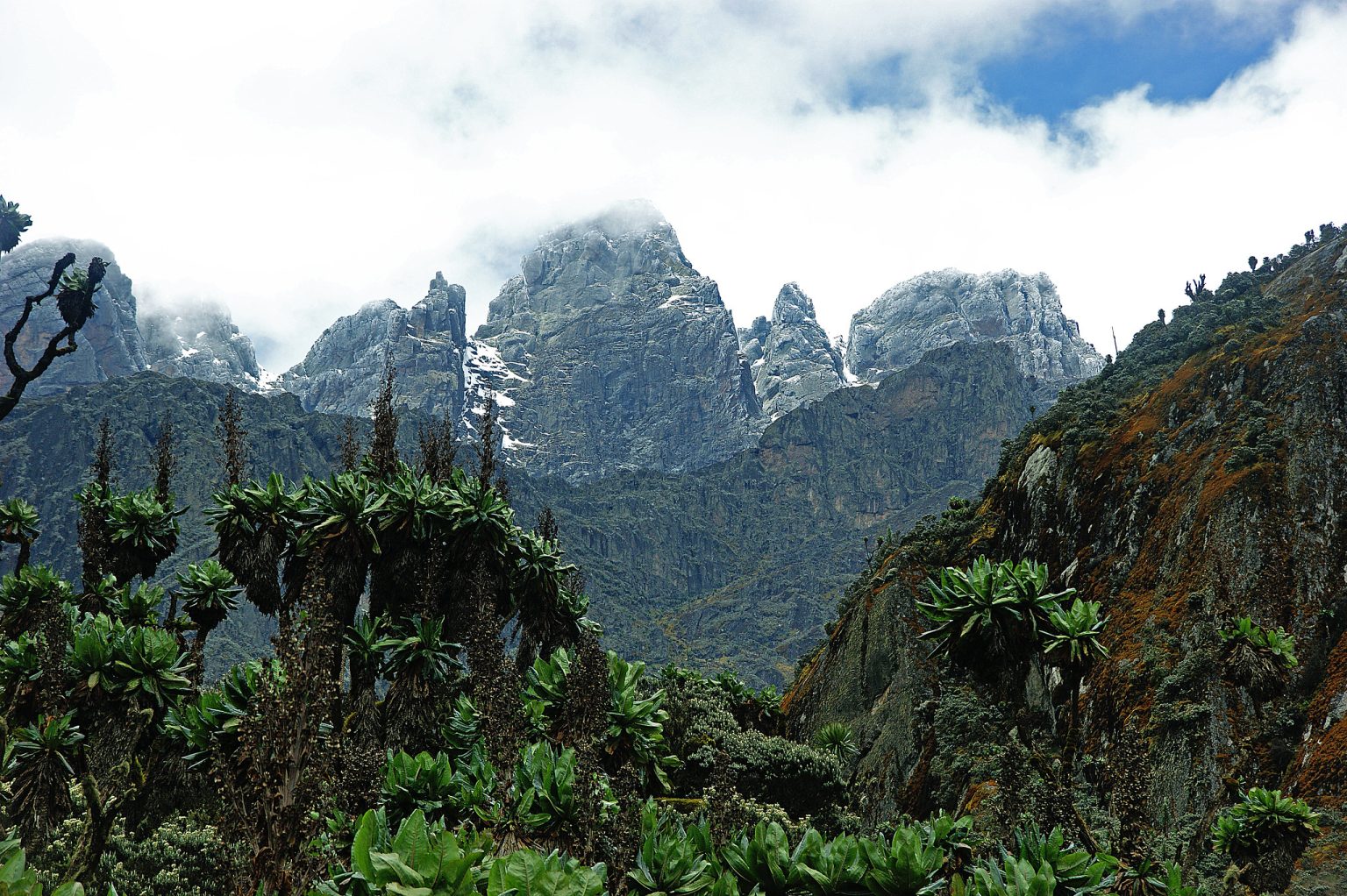
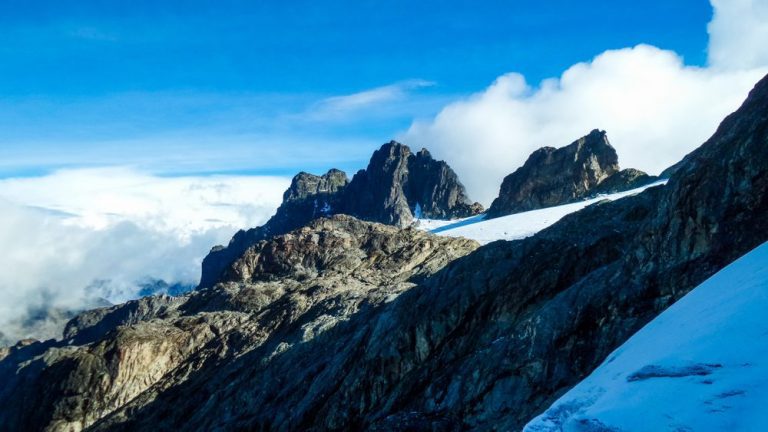
Below the summit, a Rwenzori trek needs no technical kit. The Central Circuit, the Kilembe trail to Mutinda or Bamwanjara Pass, and the shorter loops are walking routes. Margherita Peak climbing is different: the final day crosses the Stanley Plateau and the Margherita Glacier on crampons, roped to your guide, with fixed ropes on the rock and a short exposed scramble to the top at 5,109 metres. The ice has shrunk a great deal over the last century, but the glacier sections remain.
The summit kit is crampons, an ice axe, a climbing helmet, the rope and a climbing belt with leg loops to clip into it. On most Margherita packages the guiding team supplies the ropes and carries the technical hardware, and crampons, axes and helmets are either included or rented through the operator. Confirm in writing which items are included and which you must rent or bring, since the arrangement varies by company and route.
Your own part is the boot. Strap on crampons need a firm sole with a defined heel; a soft trail shoe will not hold them, and gumboots are not used on the glacier. Waterproof mid or full height boots with a stiff sole are what most trekkers wear, and some bring their own crampons for a better fit. Carry Category 4 glacier sunglasses with side shields for the snow, and practise walking in crampons if your guide offers a session at the high camp.

What RMS and RTS Supply on a Rwenzori Trekking Expedition
Each main route is run by its own concession. Rwenzori Mountaineering Services, owned by the Bakonzo community, operates the Central Circuit from Nyakalengija. Rwenzori Trekking Services runs the Kilembe trail from Kilembe near Kasese. Whichever you book, directly or through a safari company, the concession provides the guides, porters, cooks and hut space for a Rwenzori trekking expedition.
The safest step is a written kit list from your operator before you fly, naming each item as included, rentable or bring your own. If an operator is vague about the condition of its rental gear, treat that as a warning. Our page on Rwenzori Mountains National Park compares the two routes, camps and trekking days in full.
Renting Rwenzori Hiking Gear in Kasese
Kasese is the place to fill the gaps for Rwenzori hiking. Independent shops near the Rwenzori Mountaineering Services office rent sleeping bags, liners, gaiters, poles, rain gear, gumboots and summit hardware, and the concessions and many operators keep their own stock. Kampala shops are rarely stocked for mountaineering, and Fort Portal has little or nothing, so do not plan to hire on the way.
Quality varies widely. Check rented kit the evening before you start: unroll the sleeping bag and read its rating, look for loft that has gone flat, try the jacket for leaks at the seams, extend each pole, and walk around in the gumboots with your trekking socks on. Rent the bulky one off items, the bag and summit hardware above all. Own the items that touch your body all day: rain shell, base layers, socks and boots that fit.
Small Items and Health Kit for the Rwenzori Trekking Adventure
The small things make a long, wet Rwenzori trekking adventure easier. Huts have little or no electricity for charging, so bring a rechargeable headlamp with a red light mode, a spare, and a compact battery pack in a dry bag. Summit day starts around two or three in the morning. Our headlamps guide explains brightness and waterproof ratings.
Water on the mountain comes from streams and should be treated or boiled. Carry two litres or more, with water purification tablets as a backup to the cook’s boiled supply; the water bottles and filters guide covers the options. Trekking poles earn their place on the long, slippery descents, and many trekkers say the Rwenzori downhill days hurt more than the climbs.
For the first aid kit, pack blister plasters, tape, painkillers, rehydration salts, any altitude medicine your doctor prescribes, and antiseptic for cuts from rock and roots. Add sunscreen and lip balm for clear mornings near the snow, insect repellent for the forest, a small towel, toilet paper and hand sanitiser. Keep your passport, insurance details and cash in a waterproof pouch. Insurance must cover trekking above 4,000 metres and evacuation; our safari insurance guide explains what to check.
Rwenzori Kit Compared With Kilimanjaro and Bwindi Treks
Plenty of people pack for the Rwenzori using a Kilimanjaro list, and most of it carries over: the layers, the bag, the headlamp, the poles. The differences are the mud, the wet and the summit. Our Kilimanjaro gear list is the starting point, the Kilimanjaro backpack guide covers daypack fit, and the safari gear and clothing guide holds the rest of our kit advice.
| Item | Rwenzori | Kilimanjaro |
|---|---|---|
| Footwear | Gumboots and boots | Hiking boots |
| Rain | Daily | Lower days |
| Summit kit | Crampons, rope | None |
| Insulation | Synthetic | Down |
| Nights | Huts | Tents |
The Rwenzori sits in the middle of Uganda’s western circuit. Queen Elizabeth National Park is about an hour south of Kasese for a gentle recovery game drive, and the same boots, gaiters, rain jacket and daypack then serve a Bwindi gorilla trekking safari further south. Our getting there guide covers road and air links to Kasese, and the Kilimanjaro trekking guide helps if you are choosing between the two mountains.
Rwenzori Packing and Trekking FAQ
Do I need gumboots for the Rwenzori?
On the Central Circuit, yes: the Bigo Bog and the trail around Bujuku are deep mud, and rubber boots are the standard choice for trekkers and guides. The Kilembe trail is drier, but most trekkers still wear them on the boggy sections and switch to hiking boots on rock and for the summit.
Do I need my own crampons and climbing gear for Margherita Peak?
Usually not. The guiding team supplies the ropes on summit packages, and crampons, ice axes and helmets are either included or rented through the operator or in Kasese. You need boots with a stiff sole that crampons can strap onto. Get the arrangement in writing before you travel.
What sleeping bag do I need for the Rwenzori trek?
One rated to about minus ten Celsius for treks that reach Elena hut or Margherita Camp, where nights drop below freezing in unheated huts. For foothill and short treks below about 3,500 metres, a bag rated near minus five is usually enough.
How many days does it take to climb the Rwenzori?
Seven to nine days on the Central Circuit and about eight on the Kilembe trail, including the summit day. Pack for the full length, plus one spare day, since weather can hold a summit team at the high camp.
Is it safe to trek the Rwenzori Mountains?
Treks run with licensed guides and Uganda Wildlife Authority rangers. The main risks are cold, altitude and slips on wet rock and roots, which good boots, poles, dry layers and a gradual itinerary reduce. Check your government’s latest advice for areas near the Congo border before you travel.
How much does it cost to rent Rwenzori gear in Kasese?
One Kasese operator’s published rental list puts most items at about US$5 to US$10 per item per day, with sleeping bags, crampons, ice axes and boots at the upper end, and a full set of core items for a seven day Central Circuit trek at roughly US$150 to US$300. Rates vary by shop and condition, so confirm prices when you book.
Can I use my Kilimanjaro gear on the Rwenzori?
Most of it. Add gumboots, knee high gaiters, more dry bags and spare socks, swap or protect down layers against damp, and confirm the summit hardware with your operator.