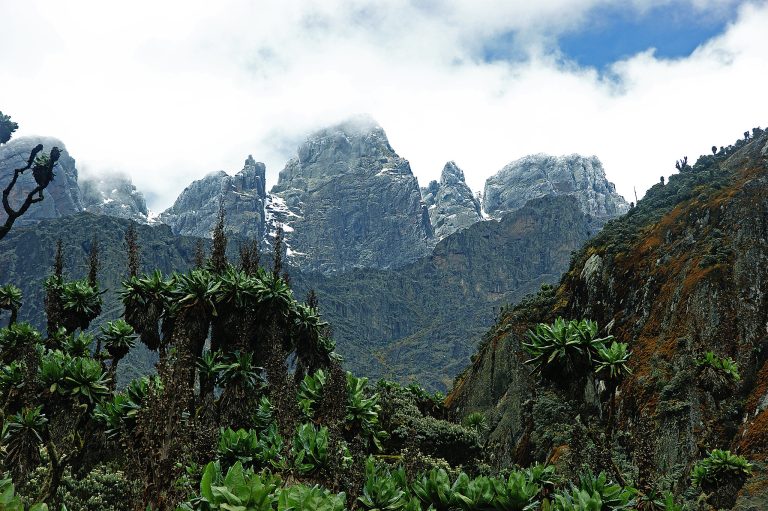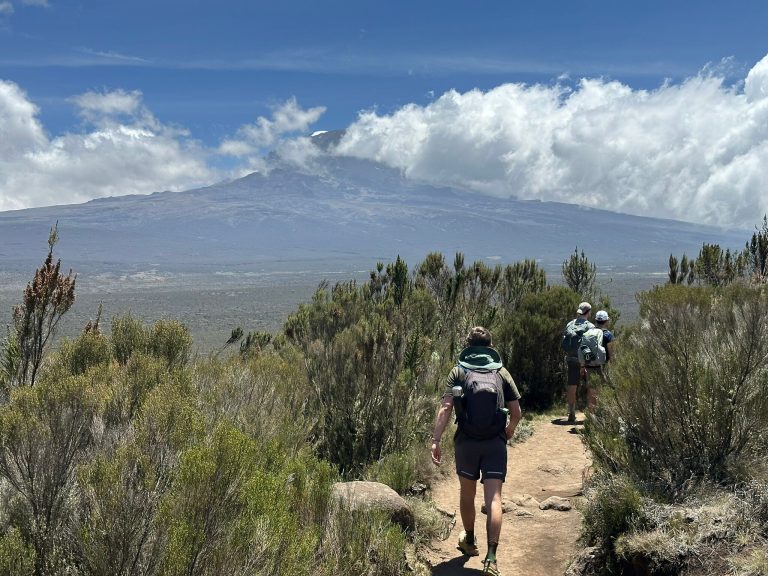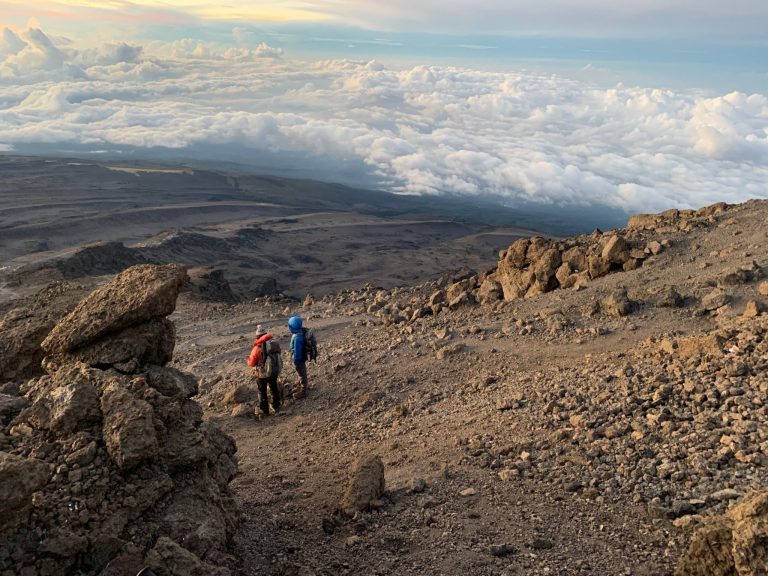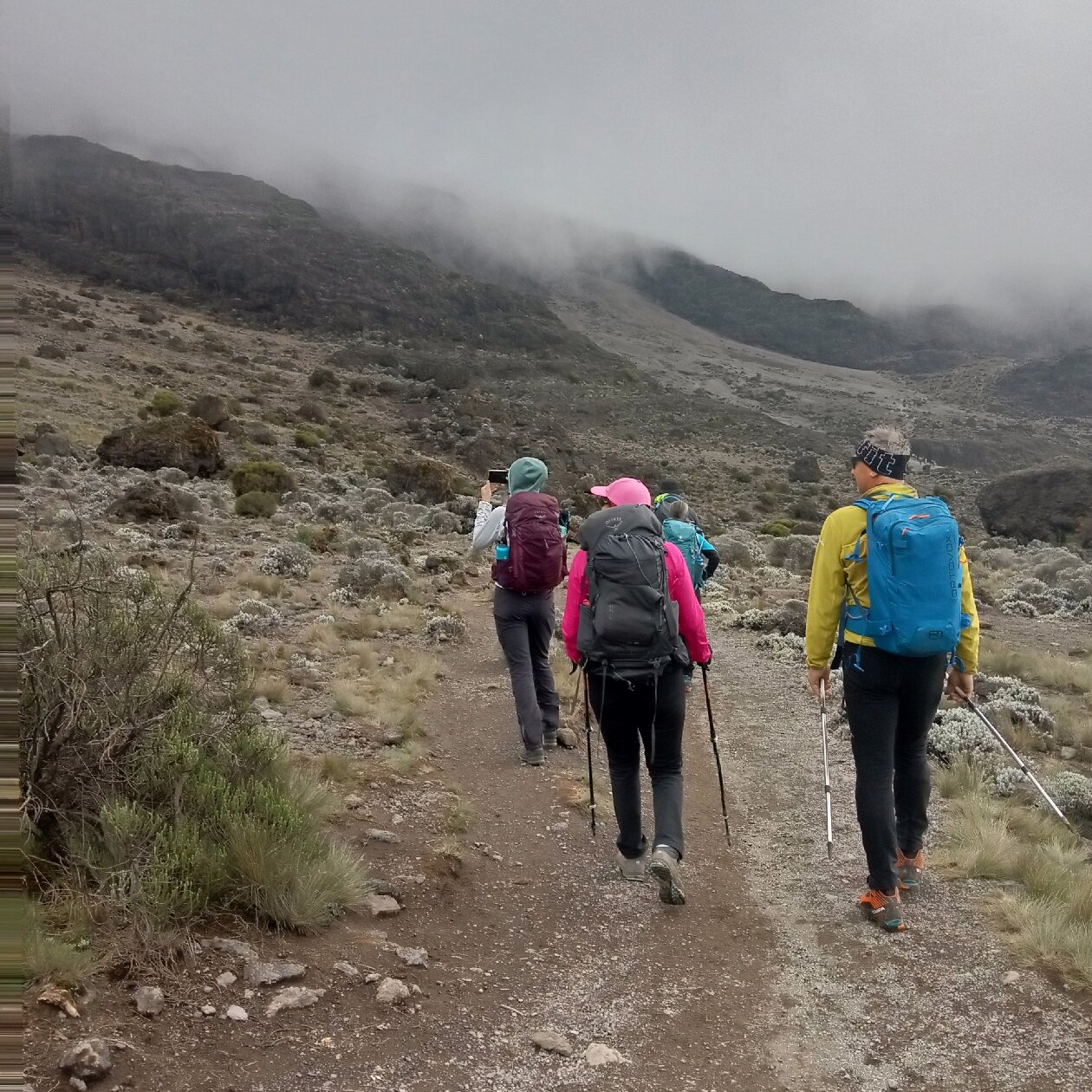
The best backpack for Kilimanjaro is a 30 to 35 litre hiking daypack with a padded hip belt, a sleeve for a water bladder and a rain cover, because porters carry everything else in a soft duffel. On a guided climb you carry only water, layers, rain gear and snacks between camps. Kilimanjaro, Tanzania’s 5,895 metre summit, crosses rainforest, moorland and freezing alpine desert, so the pack must cope with heat, rain and summit night cold.
Daypack Size for Kilimanjaro Climbing: Why 30 to 35 Litres Works
Ask five operators what size of Kilimanjaro daypack to bring and you will hear five answers, anywhere from 20 litres to 60. The low end comes from people who climb in warm months and travel light. The high end usually comes from people who never separated the daypack from the main bag, and a 60 litre rucksack on your back for six or seven days is a mistake you feel by the second afternoon.
Thirty to thirty five litres is the size this climb rewards. It swallows a rain shell, rain trousers, a fleece, a warm hat and gloves, three litres of water, lunch and a small first aid pouch, with room left for the down jacket on summit night. A 20 litre pack does not. Stuff a puffy jacket into a small pack beside a full bladder and the zip strains, the rain trousers end up tied to the outside, and you stop at every break to repack.
Go much bigger and the problem flips. A 45 or 50 litre pack invites you to carry things the porters should have, and an empty pack that size flaps, sits badly and adds a kilo of frame you do not need. Several climbers asking about 60 litre packs on trekking forums get the same answer from people who have done it: far too big. Our Kilimanjaro gear list sets the same 30 to 35 litre target for the whole kit.
One exception. Very small or light framed climbers can manage with 25 to 28 litres if they use a bladder and pack a compressible jacket, but leave yourself spare room rather than none.
Hip Belt, Back Length and Fit on the Kilimanjaro Trek
Fit decides whether a daypack is pleasant or miserable by day four of a Kilimanjaro trek. A loaded daypack weighs roughly five to eight kilos on this climb, mostly water and layers, and that load should sit on your hips, not your shoulders.
Women’s packs are cut with shorter backs, narrower, curved shoulder straps and a more conical hip belt, and plenty of women find them sit better than a unisex size. Try both if you can.
Then test it. Load the pack with the gear you will actually carry, water included, and walk three or four hours of hills at home. Several trip reports say the hot spot on the collarbone or the belt that slips only showed up on a long training walk, never in the shop. That is far better found at home than at 4,000 metres. If you are also buying footwear, our boots for Kilimanjaro guide uses the same rule: break in everything on long walks first.
Hydration on a Kilimanjaro Trek: Bladder Sleeve, Bottles and the Summit Night Freeze
Guides on every route push climbers to drink three to four litres a day, because altitude dries you out faster than the cool air suggests. A pack with a hydration bladder sleeve and a hose port makes that easy, since you sip while walking instead of stopping to dig out a bottle. A 2 or 3 litre hydration reservoir fits the sleeve of almost any 30 litre hiking pack.
There is a catch, and it comes on the last night. Above about 5,000 metres in the small hours, the drinking tube and bite valve freeze, often within the first hour. Climbers who relied on a bladder alone describe reaching Stella Point thirsty with three litres of ice on their backs. Blowing the water back into the bladder after every sip slows the freeze; a neoprene insulated tube cover slows it more. Neither is a guarantee.
So carry a bottle as well. Pack one or two wide mouth one litre bottles in insulated sleeves, filled with warm water from the cook tent, stored upside down inside the pack (ice forms at the top first) and wrapped in a spare sock. Wide mouths freeze shut more slowly than narrow ones. Our water bottles and filters guide covers treatment tablets and filters if your operator does not boil all the water.
Rain Cover and Pack Liner for Kilimanjaro’s Rainforest Hiking Days
The first day of most Kilimanjaro hiking routes climbs through montane rainforest, and the afternoon cloud on the moorland can turn to drizzle in any month. A built in or separate backpack rain cover keeps the outside dry and the straps from soaking. Covers blow off in wind on the higher ground, though, so tie the cord to a strap.
Inside, use a liner. A waterproof pack liner or a couple of roll top dry bags guarantees your warm layer is dry when the temperature drops at camp. Do not plan on a bin bag: Tanzania bans plastic carrier bags and visitors’ bags can be checked on arrival, so nylon liners and dry bags are the safe option. Our dry bags guide explains sizes, and a 10 litre bag for the down jacket and a small one for phone and passport cover most climbers.
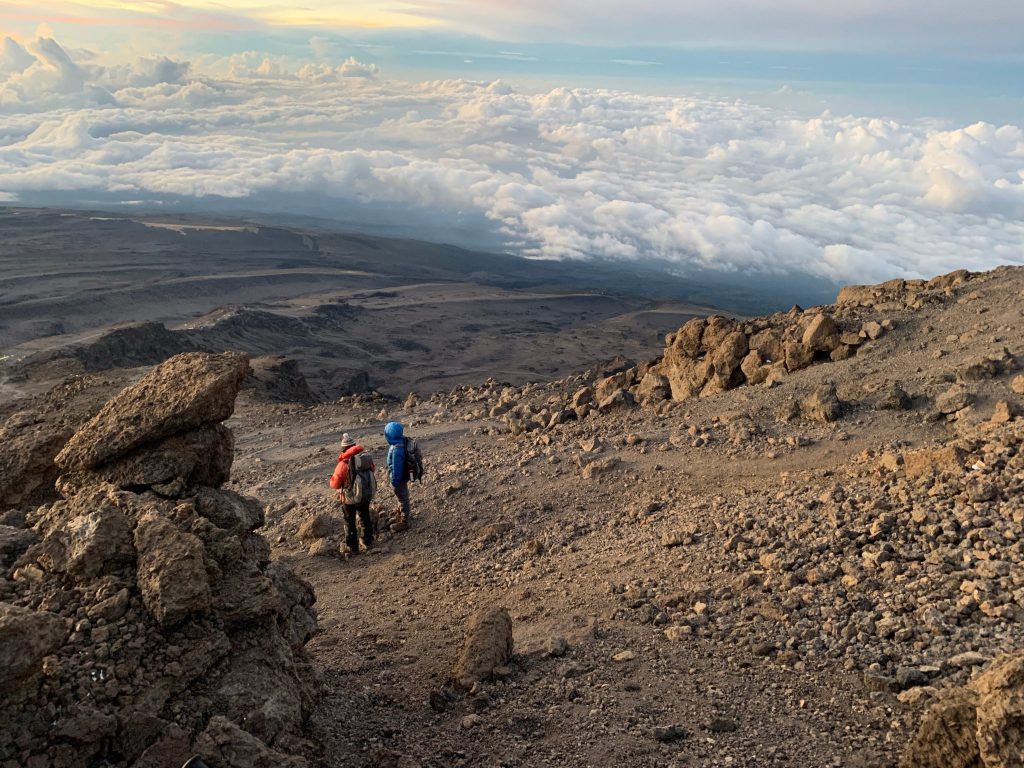
Daypack Models Worth a Look for Kilimanjaro Climbing
No single pack is needed for Kilimanjaro climbing. What matters is the 30 to 35 litre size, a real hip belt, a bladder sleeve and a rain cover, and plenty of packs from Osprey, Gregory, Deuter and Black Diamond tick every box. The searches below are set to the right size class; check the size chart against your back length before you buy.
Avoid city backpacks, laptop bags and frameless packs with thin straps. They look fine in the hotel and hurt by the afternoon.
What Goes in Your Daypack on Each Day of the Kilimanjaro Trek
Porters set off after you and overtake you within an hour, and your duffel reaches camp long before you. Whatever you might want between breakfast and the afternoon has to be on your back, because you will not see the main bag until camp. The contents shift as the Kilimanjaro trek climbs through its zones.
Keep the small things where you can reach them. A rechargeable headlamp with a red light mode lives in the lid pocket from day one, since a late arrival into camp happens on most climbs. Our headlamps guide and travel first aid kit guide cover both in detail.
Summit Night Daypack for the Final Kilimanjaro Trek to Uhuru
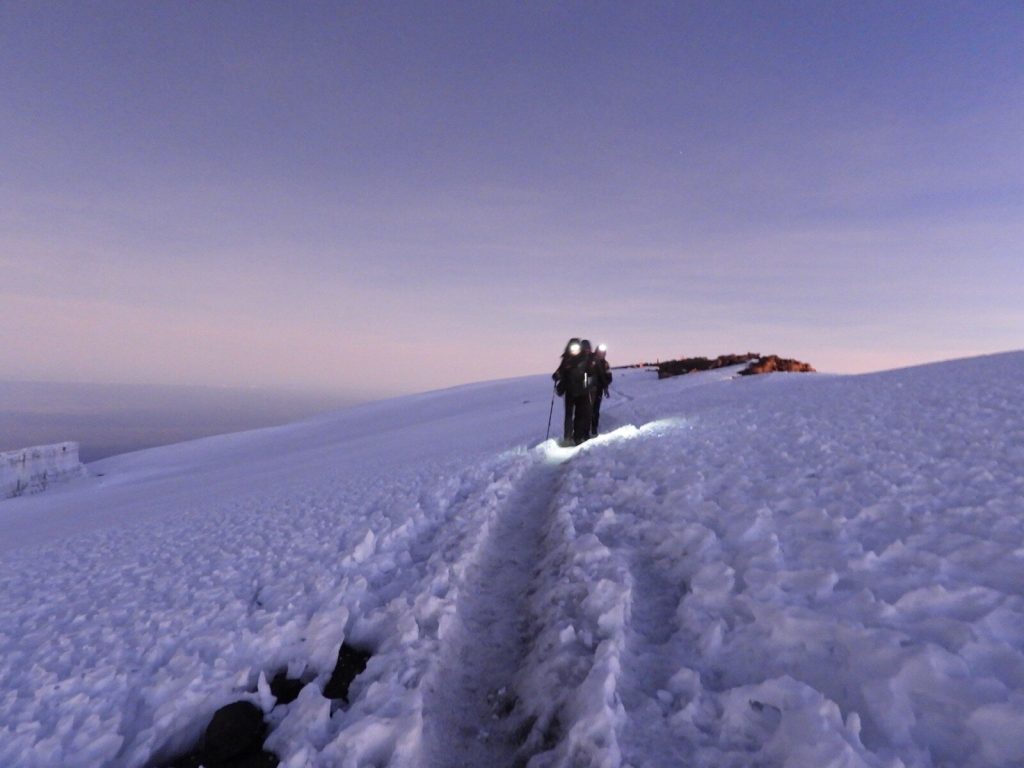
Summit night is the one time the daypack matters most. Most routes leave high camp around midnight for Uhuru Peak, six to eight hours of slow climbing in the dark, with temperatures well below freezing and wind on the crater rim. You wear most of your layers, so the pack holds what you add at the rim and what keeps you safe.
Many climbers hand the daypack to their assistant guide or a summit porter for the last stretch above Stella Point, which is one reason to keep the pack light and well organised. Pack it the evening before, with the headlamp on top. Our trekking poles guide explains why poles help most on this descent.
The Porter Duffel on a Kilimanjaro Trek: Size, Weight Limit and Packing
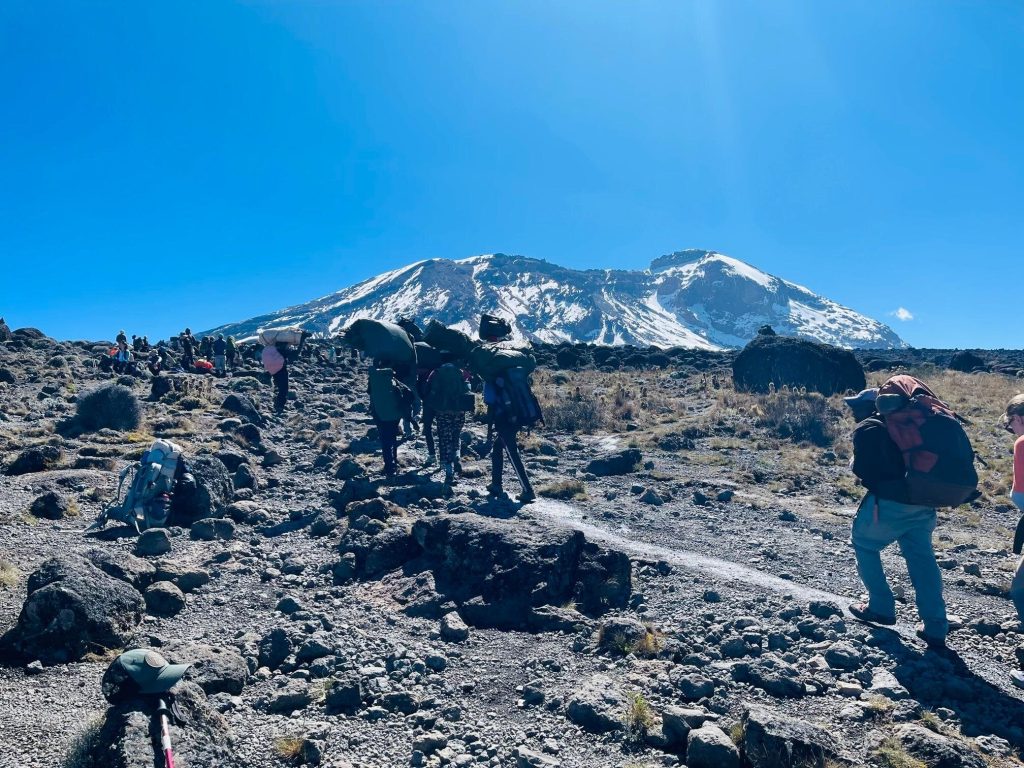
The second bag on a Kilimanjaro climb is the soft duffel the porters carry, and it has rules. Operators commonly cap the duffel at about 15 kg including the sleeping bag, and bags are weighed at the park gate; some allow up to 20 kg, others charge for an extra porter if you go over. The cap exists because the Kilimanjaro Porters Assistance Project, now the Kilimanjaro Responsible Trekking Organization, sets a 20 kg ceiling on what a porter carries for the company, and your bag shares that load with food and camp gear.
Use a soft duffel of 70 to 90 litres, never a wheeled case or hard shell, since porters carry bags on their heads or strapped inside their own packs. A 90 litre waterproof duffel with backpack straps fits a sleeping bag and down jacket without crushing, and the North Face Base Camp duffel in medium is a tough choice that will also serve later trips. Weigh it at the hotel with a digital luggage scale; repacking at the gate in front of a queue is no fun.
| Bag | Who carries | Size |
|---|---|---|
| Daypack | You | 30 to 35 L |
| Duffel | Porter | 70 to 90 L |
| Hotel bag | Stays in Moshi | Any |
Rivers and rain soak through soft bags, so line the duffel too, with the sleeping bag in its own dry bag. Clothes for the safari or flight home stay in the third bag at your Moshi or Arusha hotel. Our safari duffel bag guide compares the main duffel makers on weight and toughness if you want one bag for the mountain and the bush flights afterwards.
Renting a Backpack or Duffel in Moshi for Your Kilimanjaro Trip
Renting suits bulky kit you will use once, and on a Kilimanjaro trip the duffel is the easiest item to borrow. Some operators issue a duffel to every climber, and most will source one from a rental shop in Moshi or Arusha and deliver it to your hotel with the rest of your hire gear. Ask when you book.
The daypack is different. Rental daypacks exist, but they are often old, sized for nobody in particular and without a working rain cover, and fit is the whole point of a daypack. Buy your own, train with it, and you also have the right pack for later trips. If you must rent, check the hip belt buckle, every zip and the bladder sleeve the evening before, and bring your own liner. Our Kilimanjaro packing list sets out which items are worth hiring and which to own.
Using Your Kilimanjaro Daypack for Gorilla Trekking and Safari Flights
A 30 litre daypack bought for the mountain is also the right pack for a gorilla trekking safari in Bwindi, where trails are steep and wet and you carry water, a rain jacket and lunch. Our gorilla trekking daypack guide covers the slightly smaller packs some trekkers prefer in the forest, and our rain jacket guide fits the same shell to both trips.
If the climb is part of a longer trip with a Kilimanjaro climb and safari, note that light aircraft into the parks usually limit soft bags to about 15 kg. The daypack often doubles as cabin luggage; our travel backpack for Africa guide covers carry on packs, and the safari gear and clothing guide gathers the rest. For the climb itself, see our Mount Kilimanjaro trekking guide for routes and our socks guide for the layer between boot and foot.
Kilimanjaro Backpack and Trekking FAQ
What size backpack do I need for Kilimanjaro?
A daypack of 30 to 35 litres for yourself, plus a soft duffel of 70 to 90 litres that the porters carry. Smaller daypacks struggle with summit night layers and water; packs over 40 litres add weight and tempt you to overload.
Do I carry my own luggage on Kilimanjaro?
Only the daypack. Porters carry your duffel, tents, food and cooking gear, and you see your duffel each afternoon at camp. Carrying everything yourself is rare and only possible with certain operators.
How much weight can the porters carry for me?
Operators commonly allow about 15 kg for your duffel, sleeping bag included, and some allow up to 20 kg. Bags are weighed at the gate, and an extra porter is needed if you go over. Check the exact limit in writing with your operator.
Is a hydration bladder a good idea on Kilimanjaro?
Yes for the lower days, since it helps you drink enough. On summit night the tube usually freezes, so carry at least one insulated bottle as well and keep it inside the pack.
Does my daypack need a rain cover?
Yes. Rain is common in the rainforest and possible on the moorland, and a cover keeps the pack and straps from soaking. Use a liner or dry bags inside too, since covers leak at the back and can blow off.
How much does a Kilimanjaro daypack or duffel cost to buy or rent?
Prices vary by brand and change often, so we do not list them; the Amazon links above show current prices. Duffels are often lent free by operators or hired cheaply in Moshi alongside sleeping bags and jackets, and our Kilimanjaro cost guide lists typical local hire rates for the main gear.
Can I use my Kilimanjaro daypack as airline cabin luggage?
A 30 to 35 litre pack fits most international cabin limits. Carry your boots, rain jacket and medicine in it on the flight, so a delayed checked bag does not stop the climb.