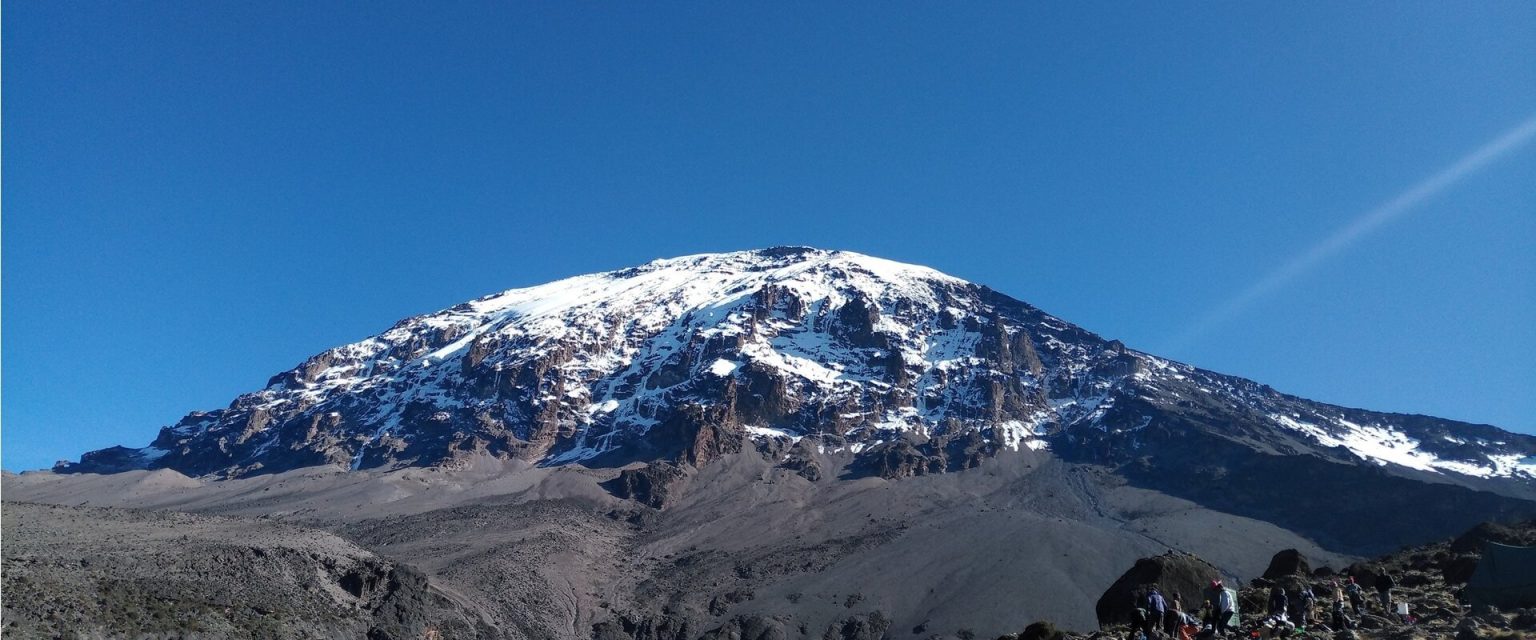
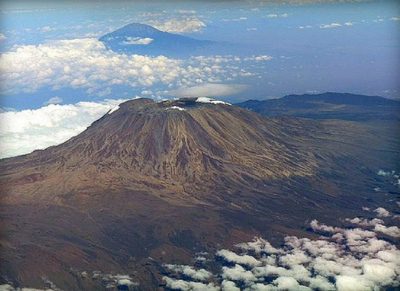
A Kilimanjaro climb and safari combined trip usually runs ten to fourteen days: six to eight days on the mountain, a rest night in Moshi or Arusha, then two to five days of game drives in Tarangire, the Ngorongoro Crater or the Serengeti. Most travellers book both halves as one package through a licensed Tanzanian operator. Kilimanjaro, Africa’s highest mountain at 5,895 metres, stands in northern Tanzania within a few hours’ drive of those parks.
That closeness is why so few people fly to Tanzania for the climb alone. This page is about joining the two well: which order, which route, how many rest days, what to do with your luggage, what a package costs and what a combined quote should cover. We are an independent guide and do not sell climbs or safaris. Route detail lives in our Kilimanjaro trekking guide and climbing fees in the cost to hike Kilimanjaro; the package prices below are built from those pages and our Tanzania safari cost figures. Our guide to the best African safari countries sets Tanzania beside the alternatives.
Kilimanjaro Climb and Safari Combined: How the Trip Fits Together
Geography makes this Kilimanjaro and safari package easy. Kilimanjaro International Airport sits between Moshi, the climbing town at the foot of the mountain, and Arusha, the safari capital, roughly an hour and a half apart by road. The climbing gates lie on Moshi’s side. The northern circuit parks start west of Arusha. So one airport, one short transfer and one operator can cover the lot. Our Tanzania safari guide describes each northern circuit park.
Climb First, Safari Second: Ordering a Kilimanjaro and Safari Trip
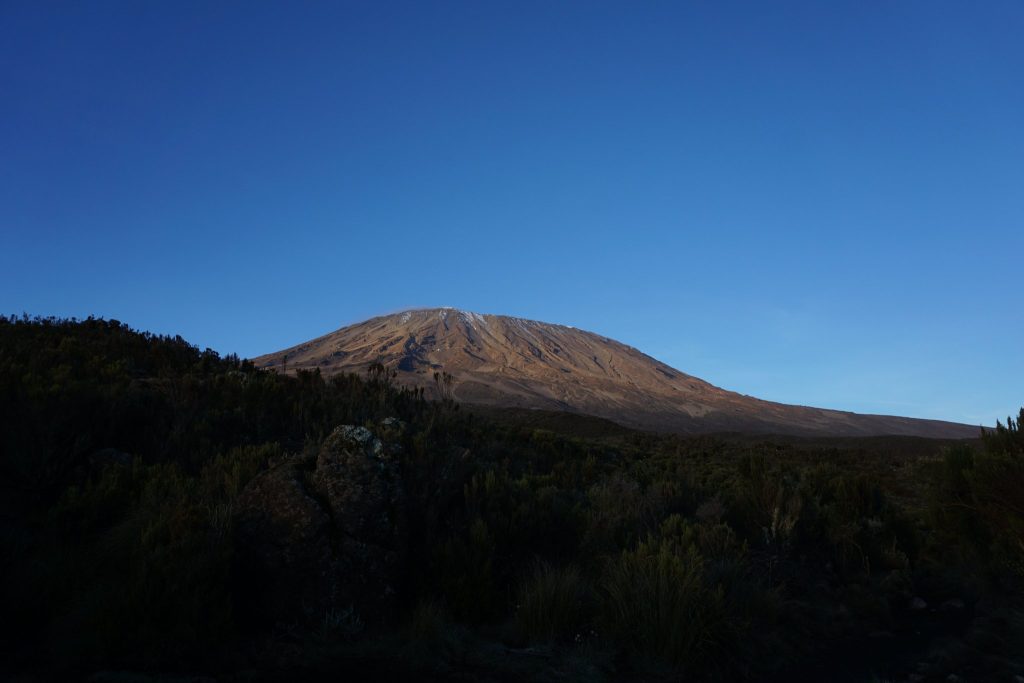
Almost every operator, and nearly every trip report, puts the Kilimanjaro trek first. The reasons are practical. You arrive at the gate rested, with healthy legs and no stomach bug picked up on the road. A northern circuit safari is not restful in the way people expect: early starts, long hours on corrugated roads and fine dust in everything. Doing that before summit night spends energy you will want at 5,000 metres.
Then the descent. After a week of camping, the long walk down to Mweka gate and a hot shower, sitting in a pop up roof Land Cruiser watching elephants is exactly the right level of effort for stiff legs. Many climbers say their thighs hurt for two to four days after the summit. On safari, nobody asks anything of them.
Is there ever a case for the safari first? A few. If your flights land late or you are jet lagged, a two day safari can absorb that before the mountain. A night on the Ngorongoro rim at about 2,300 metres or a walk in Arusha National Park on the slopes of Mount Meru gives the body a small head start on altitude, and some operators sell a Meru climb as a deliberate warm up for Kilimanjaro. And if your safari dates are fixed by the migration, the climb may have to fit around them. For most people, though, climb first is the better order.
Some group departures build the whole trip on the reverse order. They start in Nairobi, spend a day in Amboseli for the classic view of elephants under Kilimanjaro, cross into Tanzania at Namanga, run the crater and the Serengeti, and finish with the climb from Moshi. It suits travellers who want Kenya in the mix, at the price of reaching the gate after a week of dusty roads.
One honest negative: some climbers feel flat after the summit, and a few find the first safari day hard work simply because they are exhausted. That is what the rest night is for.
Choosing a Kilimanjaro Route for a Climb and Safari Package
The safari changes very little about route choice. The temptation is to shorten the climb so the safari can be longer, and that is the trade most worth resisting. Altitude, not fitness, turns most climbers back, and shorter itineraries have lower summit rates. If something has to give, cut a safari day, not a mountain day. Acute mountain sickness, with headache, nausea and broken sleep, is common above about 3,500 metres. Its rare severe forms, fluid on the lungs (HAPE) or on the brain (HACE), mean going down at once, which is why a good crew checks everyone with a pulse oximeter each evening and carries oxygen.
Every route ends its descent near Moshi, usually around midday or early afternoon on the last day, which is why the transfer to a hotel and the rest night slot in so neatly. Our Mount Kilimanjaro trekking page compares the routes camp by camp.
Fitness still matters, mostly for the descent and for enjoying the days. Climbers who do best have spent two or three months walking hills with a loaded daypack, building up to back to back long days, and have worn in the boots they will climb in. Summit night is six to eight hours up loose scree in the cold, then a long walk down; a safari a day later asks nothing more than sitting, which is the point of this order.
Sample Kilimanjaro and Safari Itineraries from 10 to 18 Days
These four Kilimanjaro safari itineraries cover what most operators sell. Days include arrival and departure.
Shorter variants exist, including eight day packages built on a five day Marangu climb. They look efficient and often go wrong at altitude. The 3 day Tanzania safari, 4 day safari tour and 5 day Tanzania safari pages show the safari halves day by day, and the 6 day wildlife safari suits anyone with three weeks.
What a Kilimanjaro and Safari Package Costs
A Kilimanjaro and safari package costs the two halves added together, plus the gap nights and tips. On operators’ own price pages, a climb with a licensed Tanzanian company runs about US$2,060 to US$3,300 per person, premium operators charge about US$3,850 to US$4,550, and Western guided expeditions start near US$5,950. Park fees sit inside every one of those prices: about US$956 with VAT for a seven day Machame climb and about US$1,097 for eight days on Lemosho.
The safari half runs about US$220 to US$460 per person per day camping and US$340 to US$515 on a mid range lodge safari, park fees included, while luxury days rarely fall below about US$900. Group size moves it most: a couple on a private trip pays noticeably more each than four or six sharing a vehicle, partly because the Ngorongoro crater fee of US$295 per vehicle is split between everyone inside.
Worked total: seven day Machame climb and three day lodge safari, per person, two sharing.
Step up to an eight day Lemosho climb with a mid range specialist, about US$2,980 including two hotel nights before the climb and one after, and add a private four day lodge safari at US$340 to US$515 a day. The total lands near US$4,700 to US$5,700 per person once tips and entry costs go on. At the top, one Western outfitter prices its Machame climb at US$5,950 alone or US$9,100 with its own safari, so the safari part of that package costs about US$3,150.
Check what the gap costs. Some climb prices include hotel nights either side and some do not, and a second rest night in Arusha is usually extra. Ask too whether the safari quote assumes a shared or private vehicle, since the cheapest combined packages are almost always group departures on fixed dates. Our Tanzania safari cost page sets out the safari tiers in full.
Which Safari Parks Suit Tired Legs After the Kilimanjaro Trek
Post climb, the best safari after Kilimanjaro keeps road days short and nights comfortable. That points to the parks nearest Arusha.
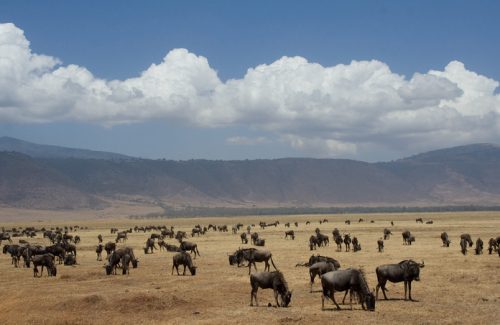
Tarangire is two hours from Arusha on tarmac and at its best from June to October, when elephants gather along the river; that overlaps neatly with the main climbing season. Lake Manyara is gentler, good for birds and an easy half day; flamingos gather when the lake level suits them, and its tree climbing lions show up on some drives and not on others. The Ngorongoro Crater gives the most animals in the fewest hours, with black rhino a real chance, though never a promise. Our Ngorongoro safari tours page compares the short crater formats that climbers usually book.
The Serengeti needs three days or more to justify the drive, which is seven to eight hours from Arusha, past the turning for Olduvai Gorge and its small museum on the early human fossils found there. If your legs or patience are short, fly one leg: a light aircraft to a Serengeti airstrip turns a day of road into an hour. The Serengeti safari guide explains which area suits which month, and the great wildebeest migration guide shows where the herds usually are.
Short on time? Arusha National Park works as a single day add on from town, with colobus monkeys in the forest, buffalo in Ngurdoto Crater and Mount Meru overhead. At the other end of the scale, a dawn hot air balloon safari over the central or northern Serengeti is the extra climbers ask about most: about an hour aloft, breakfast in the bush after landing, and no flight if the wind is wrong. Around Karatu, a coffee farm tour, a Maasai village visit or a morning with the Hadzabe near Lake Eyasi fills a slow half day for legs that still ache.
One piece of advice comes up again and again from people who have done it: after a week in a tent, choose lodges with a hot shower for the safari, even if you would happily camp otherwise. A budget camping safari straight after the mountain is the combination people most often regret.
Rest Days, Luggage and Logistics Between Mountain and Safari
Plan at least one full night at low altitude between the descent and the first game drive. Two is kinder if you can spare them. The first night lets you shower, sleep in a bed, sort a mountain of filthy kit and eat properly. The second is a buffer if bad weather or a slow group pushed the summit back a day.
Luggage is the logistics question nobody answers until you ask. On the mountain, porters carry one duffel per climber, commonly capped at about 15 kg including the sleeping bag and weighed at the park gate. The Kilimanjaro Responsible Trekking Organization sets a ceiling of 20 kg for the load a porter carries for the company, which is why your own limit sits lower and why your safari clothes cannot come up with you. Caps vary, and some group operators set the climber’s bag well under 15 kg, so check the figure before you pack. Most Moshi hotels and climbing operators store extra bags while you climb; ask for that in writing. Pack two bags from the start: a duffel for the mountain, and a separate bag with clean safari clothes left at the hotel. Ask whether the hotel offers a quick laundry service on your return, since everything you wore on the mountain will need it.
If your safari includes a light aircraft leg, the luggage limit is usually around fifteen kilograms in a soft bag, so heavy climbing gear may need to stay at the Arusha or Moshi hotel until you fly home. Our safari duffel bag guide covers bags that work for porters and bush planes.
What if you turn back early? It happens. A climber who descends with altitude symptoms usually waits at the hotel while the group finishes. Ask the operator in advance whether an early descent means extra hotel nights at your cost, or whether the safari can start a day sooner. A single operator running both halves makes that switch much simpler.
Tipping is the other bit of mountain logistics that catches people out. Crews are usually tipped at a short ceremony at the last camp or back at the hotel, often in envelopes, with the lead guide sharing out a group total. Bring clean, recent US dollar notes or Tanzanian shillings, since older or torn bills are often refused, and set the safari tips aside separately. Climbers who reach Stella Point or Uhuru Peak collect a summit certificate at the gate on the way down.
Best Months for a Kilimanjaro Climb and Safari Trip
The good months for Kilimanjaro climbing and for northern circuit safaris largely overlap, which is another reason the combination works.
| Months | Mountain | Safari | Verdict |
|---|---|---|---|
| Jan to Mar | Dry, cold top | Ndutu calving | Very good |
| Apr to May | Long rains | Green, quiet | Poor |
| Jun to Oct | Dry, busy | Dry, peak | Best |
| Nov | Short rains | Greening | Fair |
| Dec | Mostly dry | Calving starts | Good |
June to October brings the driest trails and the easiest game viewing, with river crossings in the northern Serengeti from about July. It is also when trails and lodges are busiest. January to March is the second window, colder at the summit but with the wildebeest calving on the short grass plains around Ndutu, a short drive from the crater. April and May bring heavy rain on the mountain and some closed camps; climbs still run, mostly on Rongai and Marangu, and some safari prices drop. Many climbers aim for a summit night near the full moon, which lights the scree without headlamps. See best time to visit Tanzania for more.
One Operator or Two: Booking a Kilimanjaro and Safari Package
You can book a Kilimanjaro and safari package from one company or split it between a climbing specialist and a safari company. Both work. One operator means one contract, one airport pickup, the rest night arranged for you and a single contact if the climb runs short or long. Two operators let you choose a climbing outfit known for its crew standards and a safari company known for its guides, which are not always the same business. If you split it, make sure someone owns the handover: who collects you from the hotel on the morning the safari starts.
Group or private? Group departures on fixed dates cost least and suit solo travellers, who meet climbing partners that way. A private climb lets you set the pace and add an acclimatisation day, and a private safari lets you stay with a sighting. Many travellers mix them: a group climb, then a private safari.
Whichever way you go, check the basics. The company should hold a current Tanzanian tour operator licence and give you the number. For the climb, ask what each porter earns and whether the company is a partner of the Kilimanjaro Responsible Trekking Organization, formerly the Kilimanjaro Porters Assistance Project. For the safari, ask how long the guide has worked the northern parks.
Book early for the dry months. Good crews, full moon dates and the best safari lodges fill months ahead. Our Tanzania safari packages guide explains how to compare safari quotes line by line, and the Tanzania safari cost page breaks down the safari half.
Packing for the Climb and the Safari in One Bag
Packing for a climb and safari trip is easier than it looks, because most mountain layers carry straight over. The fleece and windproof shell you wore at Barafu are exactly what you need on a dawn descent into the Ngorongoro Crater, where the rim is cold. Broken in boots, gaiters and a rain jacket work in the forest zone and on any walking safari.
The climbing kit that does not carry over is the bulky stuff: a sleeping bag rated well below freezing, a heavy down jacket, mittens. Renting those in Moshi keeps your luggage light for the safari and any bush flight. Rent the bulky items you will use once, and buy anything that has to fit your body, boots above all. For the safari half, add neutral coloured shirts and trousers, a wide brimmed hat, sunscreen and binoculars; dark blue and black attract tsetse flies in Tarangire.
Our Kilimanjaro gear list covers the mountain kit, best hiking boots for Kilimanjaro explains fit and soles, and trekking poles save your knees on the descent. For the safari, see what to wear on safari, the African safari packing list and safari binoculars.
Adding Zanzibar or Bwindi Gorilla Trekking to a Kilimanjaro Safari Trip
Zanzibar is the classic finish: a short flight from Kilimanjaro or Arusha, warm water and Stone Town’s lanes for a few slow days. The 15 day Tanzania safari and Zanzibar holiday shows how a beach finish fits.
For a third leg with a very different feel, fly from Kilimanjaro to Entebbe or Kigali for gorilla trekking in Bwindi. The trails there are steep and muddy rather than high, so your climbing boots and rain shell come along. Permits sell out in the busy months, so secure Uganda gorilla permits first and fix the climb dates around them. Our Tanzania safari and gorilla trekking guide covers the flights, Rwanda gorilla trekking is quicker from Kigali, and the gorilla safari companies page lists operators for that leg. Check that your travel insurance covers trekking to 6,000 metres and the safari.
Kilimanjaro and Safari Package FAQ
How much does a Kilimanjaro climb and safari package cost?
Add the two halves. Climbs cost about US$2,060 to US$3,300 per person with a licensed Tanzanian company and from about US$3,850 with premium operators. Safaris run about US$220 to US$460 per person per day camping and US$340 to US$515 in mid range lodges, park fees included. A seven day Machame climb plus a three day group lodge safari comes to roughly US$4,300 to US$4,600 per person with tips and entry costs, and an eight day Lemosho climb with a private four day safari about US$4,700 to US$5,700, before international flights.
Which park fees sit inside a combined quote?
On the mountain, the conservation fee is TZS 178,850 a day (based on US$70), camping TZS 127,750 a night (US$50) and a one off rescue fee TZS 51,100 (US$20), with 18% VAT usually added; a seven day Machame climb pays about US$810 before VAT and about US$956 with it. On safari, the Ngorongoro Conservation Area charges US$70.80 per adult per 24 hours and a crater service fee of US$295 per vehicle, the Serengeti charges TZS 178,850 (about US$70) a day and Tarangire and Manyara TZS 127,750 (about US$50). With VAT, Serengeti entry comes to US$82.60 in the high season and US$70.80 from mid March to mid May.
What should I budget for tips and extras on both halves?
Kilimanjaro crew tips usually total about US$200 to US$400 per climber. On safari, common guidance is US$20 to US$30 per vehicle per day for the driver guide and US$10 to US$15 per guest per day for lodge staff. The Tanzania visa is US$50 for most nationalities and US$100 for US citizens, the government inbound travel insurance is US$44, and renting a sleeping bag, down jacket, poles and rain gear in Moshi typically adds about US$55 to US$100. A shared Serengeti balloon flight runs about US$599 to US$700 per person with breakfast.
Should I climb Kilimanjaro before or after the safari?
Before, for most people. You reach the gate fresh and free of road dust and stomach bugs, and the safari becomes a rest for sore legs. A short safari first only makes sense to absorb jet lag or fit fixed migration dates.
How many days do I need for a Kilimanjaro and safari trip?
Twelve to fourteen days covers a seven or eight day climb, a rest night and three to five safari days. Ten days is possible but leaves no slack. Add four days for Zanzibar or three or four for gorillas in Bwindi.
How long should I rest between the climb and the safari?
At least one night in a hotel at low altitude, two if you can. Expect stiff thighs for a few days; game drives suit that well, but a very early start the morning after the descent does not.
How fit do I need to be for a Kilimanjaro and safari package?
Fit enough to walk five to seven hours a day for a week, then a long summit night. No climbing skill is needed. Altitude, not fitness, stops most people, so a longer route helps more than extra gym time. The safari half needs no fitness at all.
Where do I leave my safari clothes during the climb?
Most Moshi hotels and climbing operators store bags while you are on the mountain. Pack a separate safari bag from the start and confirm storage in writing when you book.
Do you fly or drive between Kilimanjaro and the safari parks?
Mostly you drive. Tarangire is about two hours from Arusha and the crater a little further, so short safaris stay on the road. The Serengeti is seven to eight hours away, which is why many packages fly one leg by light aircraft, commonly US$300 to US$500 per person one way.
Can I combine a Kilimanjaro climb with a Kenya safari?
Yes. Amboseli sits just across the border with the best views of the mountain, and some group trips start in Nairobi, cross at Namanga and finish with the climb. A Masai Mara safari after the climb means a flight via Nairobi, so allow a full travel day.
Can families do a Kilimanjaro and safari trip?
Yes, with limits. The park has long set a minimum age of 10 for summit attempts, and families usually pick a longer route at a private pace. Younger children can join the safari while others climb; our family safari in Africa guide covers the safari side.
Can I add the migration to a Kilimanjaro and safari package?
Yes. From July to October the herds are usually in the northern Serengeti, and from about December to March on the calving plains near Ndutu. Both need at least two Serengeti nights, so plan fourteen days or more. Sightings are likely in the right area, never guaranteed.