A Masai Mara safari cost starts at about US$370 per person for a three day shared road trip from Nairobi between January and June and climbs past US$2,800 per person for two nights at a fly in conservancy camp in August, with the reserve ticket alone at US$100 or US$200 per adult per day. Most travellers book a Mara safari package through a licensed Kenyan operator. The Maasai Mara National Reserve lies in southwest Kenya on the Tanzanian border.
Figures below come from Narok County and Mara Conservancy fee schedules and camps’ own rate sheets. For Amboseli, Samburu and the coast, read our Kenya safari cost guide; for camps, wildlife and river crossings, see the full Masai Mara safari guide.

Masai Mara Safari Park Fees: Reserve Tickets and the 12 Hour Rule
Two bodies set the Masai Mara safari park fees. Narok County runs the main reserve east of the Mara River, and the not for profit Mara Conservancy runs the Mara Triangle to the west on the same visitor rates. Neither is a Kenya Wildlife Service park. The Narok County Finance Act and the Mara Conservancy’s fee table both charge non residents per person per day:
| Visitor | Jan to Jun | Jul to Dec |
|---|---|---|
| Adult | US$100 | US$200 |
| Child 9 to 17 | US$50 | US$50 |
| Child 0 to 8 | Free | Free |
| Student group | US$50 | US$50 |
Where you sleep does not change the rate. Kenyan citizens pay KSh 1,500 per adult in the low band and KSh 3,000 from July, East African residents KSh 2,500 and KSh 5,000. The Triangle gives the student rate to organised groups and authorised research only, so a backpacker with a student card pays the adult fee.
Both schedules define a reserve day as 6am to 6pm, whatever time you drive in. That is the 12 hour rule: no 24 hour pass, nothing carried overnight. Arrive at four in the afternoon and you pay a full day, so budget operators often sleep the first night outside the gate. Leaving by mid morning on departure day without a game drive usually avoids a new ticket, but confirm the cut off with your camp.
Vehicles add KSh 1,000 a day under six seats and KSh 1,500 for six to twelve. The Triangle takes card or mobile money only. So a three day road trip in August with two reserve days carries US$400 of tickets per adult before a bed is paid for; in March, US$200.
Conservancy Safari Fees and What the Extra Money Buys
Around the reserve sit private conservancies on land leased from Maasai families: Mara North, Olare Motorogi, Mara Naboisho, Ol Kinyei, Lemek and Enonkishu among them. On a conservancy safari a nightly conservancy fee replaces the reserve ticket, and most of it reaches the landowners as lease payments.
Gamewatchers, which runs the Porini camps in Olare Motorogi and Ol Kinyei, lists US$130 per person per night on its current offers plus a US$5 wildlife habitat payment, and its offers for the following season show US$150 for most conservancies. The fee is normally inside the camp rate, though a few camps list it separately.
That money buys space: capped vehicles at sightings, off road driving, night drives and walks, none allowed in the main reserve, where forum regulars describe a dozen or more vehicles round a leopard in August. The Triangle sits in between, limiting viewing to ten minutes once more than five cars arrive.
Distance is the catch. A crossing day from a northern conservancy means a long drive plus that day’s US$200 ticket; Porini’s Lion Camp package includes one reserve day only from July to September.
Masai Mara Safari Camp and Lodge Prices by Tier
Accommodation is where a Mara safari budget is won or lost, priced per person per night on full board almost everywhere.
Inside a tier, position matters: some mid range lodges have a hundred rooms, and a cheap camp an hour from the best game burns fuel and morning light, so a dearer river camp can be better value in August. Our safari lodges section compares properties. Our African safari cost guide compares the Mara with parks across the continent.
Masai Mara Safari Package Prices: Budget Road Trips to Fly In Camps
Most Masai Mara safari packages from Nairobi fall into three price bands.
Many Kenya quotes squeeze the Mara into a circuit with Amboseli and Nakuru and a new lodge every night; three Mara nights is about the minimum. Some couples book a lodge package and a driver guide separately for about the same money, losing the operator’s backup if a vehicle breaks down. A good quote names the camps rather than saying “or similar”, the vehicle model, every reserve day and conservancy night, flights with the bag limit, supplements and exclusions. Sample plans are in our 3 day Kenya safari, budget Kenya safari and luxury Kenya safari guides.
Road or Fly In Safari: Transport and Vehicle Costs from Nairobi
The Masai Mara road safari takes five to six hours each way on a rough last stretch past Narok, at no extra cost. Budget trip reviews keep naming flat tyres, vans without working air conditioning and rushed returns, so ask for the vehicle model and pack snacks.
A fly in Mara safari swaps the drive for a short hop from Wilson Airport. Safarilink’s booking page shows fares a little over US$320 one way before airstrip taxes, so a return seat costs roughly US$650 to US$700. Bags are capped at 15 kilograms including hand luggage and cameras, in a soft holdall, with excess sold by the kilo.
The pop up roof van is the budget standard; a 4×4 Land Cruiser copes better with April and May mud, and some budget operators now run them at van prices with eight guests. A vehicle to yourself costs US$385 a day at Governors’ from January to June and US$512 from July to October, for up to six guests, and US$375 a day at Porini. Split between a family of five, that line shrinks fast.
Masai Mara Safari Prices by Season
Season moves a Masai Mara safari price twice over: the ticket changes on 1 July and 1 January, and camp rates follow demand.
| Months | Herds | Reserve adult | Governors’ Camp |
|---|---|---|---|
| Jan to Mar | Serengeti | US$100 | US$623 |
| Apr to May | Serengeti | US$100 | US$453 |
| June | Moving north | US$100 | US$623 |
| Jul to Oct | In the Mara | US$200 | US$998 |
| Nov to 20 Dec | Heading south | US$200 | US$623 |
| 21 to 31 Dec | Serengeti | US$200 | US$998 |
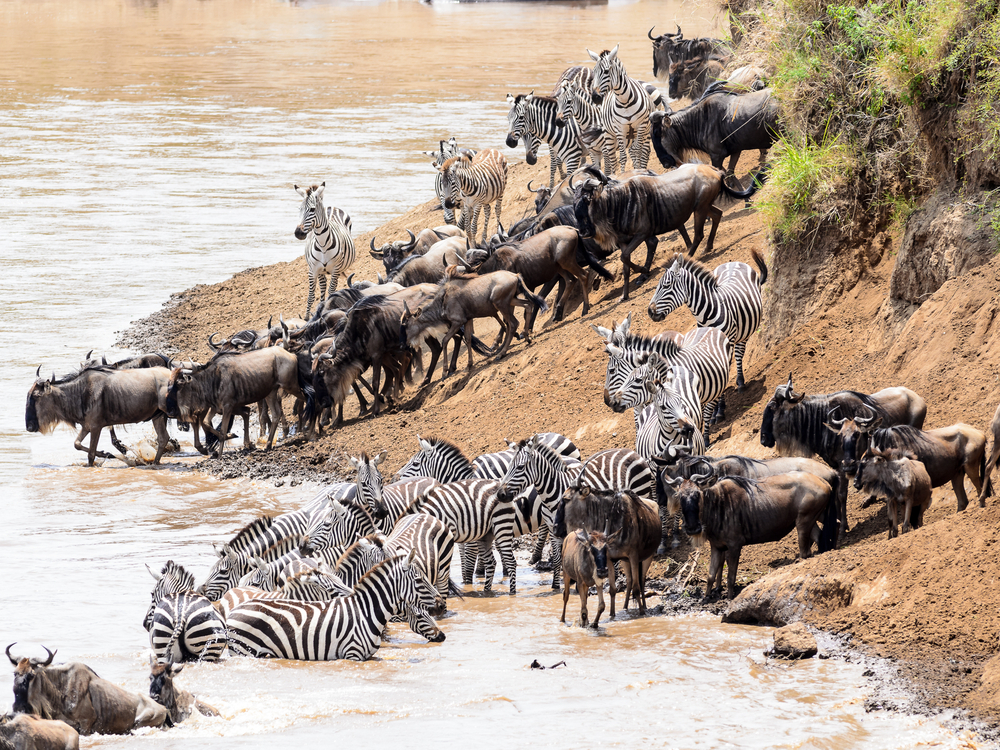
Camp rates are per person sharing from the current Governors’ rate sheet. January to March is dry with the lower ticket. April and May bring mud and the lowest rates, and Porini’s Mara camps usually shut from mid April to the end of May. June keeps the low ticket as the first herds may arrive. July to October is dearest on every line, and crossings are never promised. In November camp rates fall but the ticket stays at US$200 until December ends, and Porini adds US$40 a night on the Christmas and New Year dates.
Worked Totals: What a Masai Mara Safari Costs Per Person
Two real trip shapes, built line by line from published rates, per person sharing in August.
The gap is the bed, the crowding, the flight and the night drives, not the game, which overlaps more than the price suggests.
Hidden Costs on a Mara Safari: Tips, Visas, Extras and Single Supplements
Below the luxury tier, drinks and laundry are charged by the item. Bring newer, undamaged US dollar notes, as old or torn ones are often refused. Our African safari packing list, the safari clothing guide and the camera and binoculars guide cover what to buy before you fly.
Ways to Pay Less on a Masai Mara Safari Tour
Timing saves most. Moving a three day trip from August to March cuts US$200 per adult in tickets, and at Governors’ Camp the April and May rate of US$453 is less than half the August rate. June is the quiet sweet spot.
Sleep outside the gate and enter at dawn, and travel solo in a shared group, where the single supplement can be US$30. Families should ask for child rates: under nines enter free, and Governors’ charges children under 16 from US$294 a night; our Kenya family safari guide has more. Honeymooners can ask about camp offers; Porini takes 50 percent off the bride’s stay on four nights or more outside August and September.
Self drive saves less than people expect: private cars cannot game drive in the main reserve, though the Triangle allows a 4×4 with the usual tickets plus the vehicle fee. Whatever you choose, compare three itemised quotes on the same camps and nights.
Masai Mara or Serengeti Safari Costs, and Adding Gorilla Trekking
The Serengeti usually costs more for a short trip: about US$70.80 to US$82.60 per 24 hours including VAT, depending on season, plus a concession fee of up to US$60 a night before VAT inside the park, with camps far from Arusha. The Bologonja border is closed to tourists, so travellers link the two by air or through Namanga or Isebania. See our Serengeti safari cost page, the Tanzania safari cost guide and the great wildebeest migration guide.
July to October is also the dry season in Bwindi, so the Mara pairs well with gorilla trekking. A Uganda permit costs US$800 for foreign non residents, US$700 for foreign residents and UGX 300,000 for East Africans (US$600 and US$500 in April, May and November, paid in full and not reschedulable); Rwanda charges US$1,500, or US$1,050 on the RDB offer from November to May with Nyungwe or Akagera nights. Our gorilla and Masai Mara safari plan, the Bwindi gorilla trekking guide, the Uganda gorilla permits page, the Rwanda gorilla trekking guide and the East Africa tourist visa page cover that leg.
What a Mara Safari Is Like, and Whether It Is Worth the Money
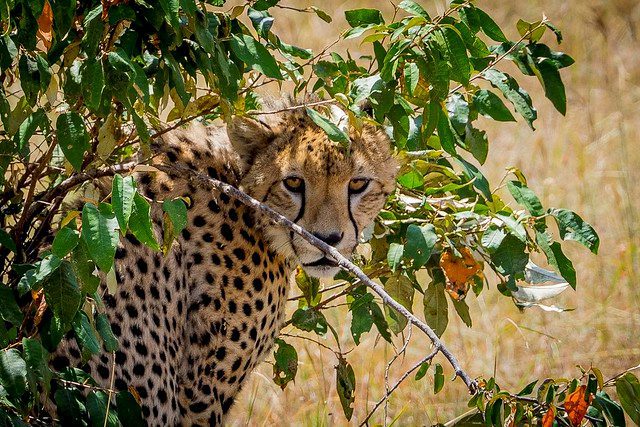
For most first timers a Masai Mara safari is worth the money, even on a US$570 package, because you drive the same plains as guests paying ten times as much. Lions, elephants and plains game are commonly seen all year; cheetahs and leopards often are, though nothing is guaranteed.
Dawn drives are cold, so pack a fleece. Days run out early, back for a late breakfast or a picnic in the field, out again until the 6pm gate. The hour at a crossing, if you get one, goes faster than anyone expects.
Masai Mara Safari Cost FAQ
How much does a 3 day Masai Mara safari cost?
A shared road safari from Nairobi costs about US$370 to US$600 per person from January to June and US$570 to US$970 from July to December, park fees included, depending on the camp. A two night fly in conservancy package runs US$1,930 to US$2,800 per person sharing with flights.
What is the 12 hour rule for Masai Mara?
A reserve ticket is valid from 6am to 6pm on the day you enter, whatever time you arrive, and does not carry overnight, so each day inside costs US$100 or US$200 per adult. Leaving by mid morning without a game drive usually avoids another charge; confirm the cut off with your camp.
Is Maasai Mara expensive?
It can be cheap or very dear. A shared road trip at about US$370 in the low season is one of Africa’s cheapest big game safaris, while conservancy and river camps in August run about US$975 to US$1,600 per person per night.
Which is cheaper, Serengeti or Masai Mara?
For a short trip, usually the Mara. Its US$200 peak ticket is the higher daily fee, but the Serengeti adds up to US$60 a night in concession fees to its US$70.80 to US$82.60 entry, depending on season, and needs more days and driving.
How much is a Masai Mara safari per person per day?
Budget packages work out at about US$120 to US$190 per person per day with tickets, mid range lodge packages about US$200 to US$320, and fly in conservancy or river camps US$640 to US$1,600 a night.
Are park fees included in Masai Mara safari packages?
Usually, not always. Some budget quotes leave out the tickets to look cheaper, and luxury camps such as Governors’ charge park fees on top of the room rate. Ask for fees as a separate line.
Do children pay Masai Mara park fees?
Children of eight and under enter free; from nine to seventeen they pay US$50 a day all year. Some conservancy camps do not take children under eight.
How much should I tip on a Masai Mara safari?
Camp guidance runs US$10 to US$20 per guest per day for the driver guide and US$5 to US$10 for the staff box, paid at the end of the stay.
How much is the Kenya eTA?
The government sets the fee and has changed it more than once, so check the official eTA portal before you apply, well ahead of your flight.
How many days do I need in the Masai Mara?
Three nights gives two full days of drives and a fair chance at the big cats. In migration months, four nights near the river gives better odds of a crossing.