
To plan a Kenya safari, settle your travel month and the number of days first, then pick a route around the Masai Mara, book camps and any bush flights, and only then sort the eTA, insurance and packing. Most travellers book through a licensed Nairobi operator who handles vehicles, park tickets and transfers. Kenya’s main safari areas are the Masai Mara, Amboseli, Samburu and Laikipia, Tsavo and the coast.
Plenty of first time visitors feel swamped by the choices: reserve or conservancy, drive or fly, July crossings or quieter January plains. It gets easier once you take the decisions in order. This page is the planning hub for Kenya on the site. It walks through each step with a trip builder, a migration and rains planner, a fee chart and a booking timeline, and every step ends with the detailed guides for that decision.
Kenya Safari Itineraries and How Many Days to Allow
How long should a Kenya safari itinerary be? Three days covers the Masai Mara alone, with two nights there and the drive or flight either side. Five to seven days usually adds Amboseli for elephants below Kilimanjaro, or Lake Nakuru and Lake Naivasha on the Rift Valley floor. Ten days or more opens the dry north, the Tsavo parks or a few nights on the coast. The trip builder below matches your days, budget, month and interests to the trip shapes on this site and gives a rough daily cost from our Kenya cost research.
Kenya Safari Trip Builder
Pick your trip length, budget, month and what you most want to see. The best matching itinerary is highlighted in the table, with a rough daily cost per person.
Best match
7 day Kenya safari
Fits 6 to 8 days, with the migration and the Big Five.
- Rough daily cost
- US$200 to US$320 per person, two sharing, a day on a mid range lodge road safari, park fees included
- Masai Mara reserve ticket
- US$100 a day from January to June, US$200 from July to December
Next step: send this trip shape to two or three licensed operators from the safari company section and compare the quotes.
Not a fit for your choices (4)
| Trip shape | Days | Route | What it looks like |
|---|---|---|---|
| 3 day Kenya safari in the Masai Mara | 3 | Nairobi and the Mara | Two nights in or beside the Mara, by road in five to six hours each way or by light aircraft from Wilson Airport in under an hour. |
| Amboseli safari of 2 to 3 days | 2 to 3 | Nairobi and Amboseli | Elephant herds on open plains below Kilimanjaro, about four to five hours by road from Nairobi or a short flight. |
| 5 day Kenya safari: Mara, Nakuru and Amboseli | 5 | Amboseli, Lake Nakuru, the Mara | A night in Amboseli, a night at Lake Nakuru for rhinos and two in the Mara, with two long road days. |
| 7 day Kenya safari | 7 | Amboseli, Nakuru or Naivasha, the Mara | Six nights on a loop from Nairobi: two in Amboseli, one on a Rift Valley lake and three in or beside the Mara, often flying the Mara leg. |
| Kenya family safari | 7 to 14 | Nairobi, Laikipia or Amboseli, a Mara conservancy, Diani | Shorter drives, a private vehicle and conservancy camps that take children, with the elephant orphanage in Nairobi and a beach finish. |
| Gorillas and Masai Mara safari | 7 to 12 | The Mara, then Uganda or Rwanda | Three or four nights of Mara game drives with one or two gorilla treks, linked by a short regional flight from Nairobi. |
| 10 day Kenya safari: Samburu, the Mara and the coast | 10 | The Mara plus the north, the south or the coast | Three or four Mara nights plus Samburu and Laikipia, Amboseli and Tsavo, or a few days at Diani or Watamu, flying the longest legs. |
| Two week East Africa safari | 13 to 16 | Uganda, Kenya and Tanzania | Gorillas in Bwindi, the Masai Mara, then the Serengeti and Ngorongoro, four or five nights in each country with the long gaps flown. |
Daily costs are per person sharing, from published operator and camp rates in our Kenya cost research; flagship camps cost more. The Mara ticket is the Narok County rate for non resident adults. Treat every figure as indicative and confirm with your operator before you pay. Wildlife sightings are never guaranteed.
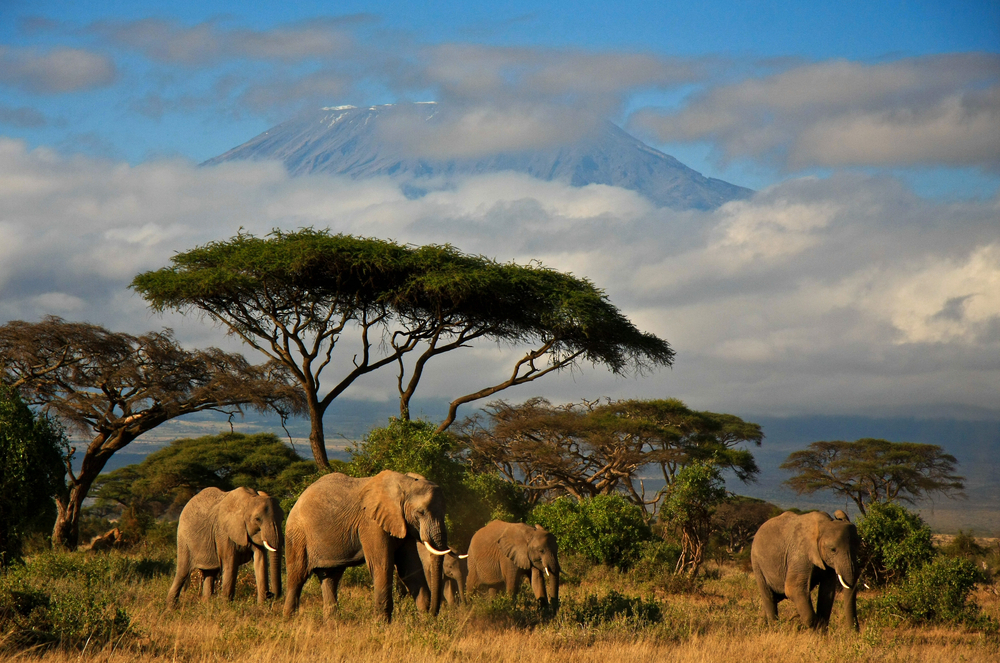
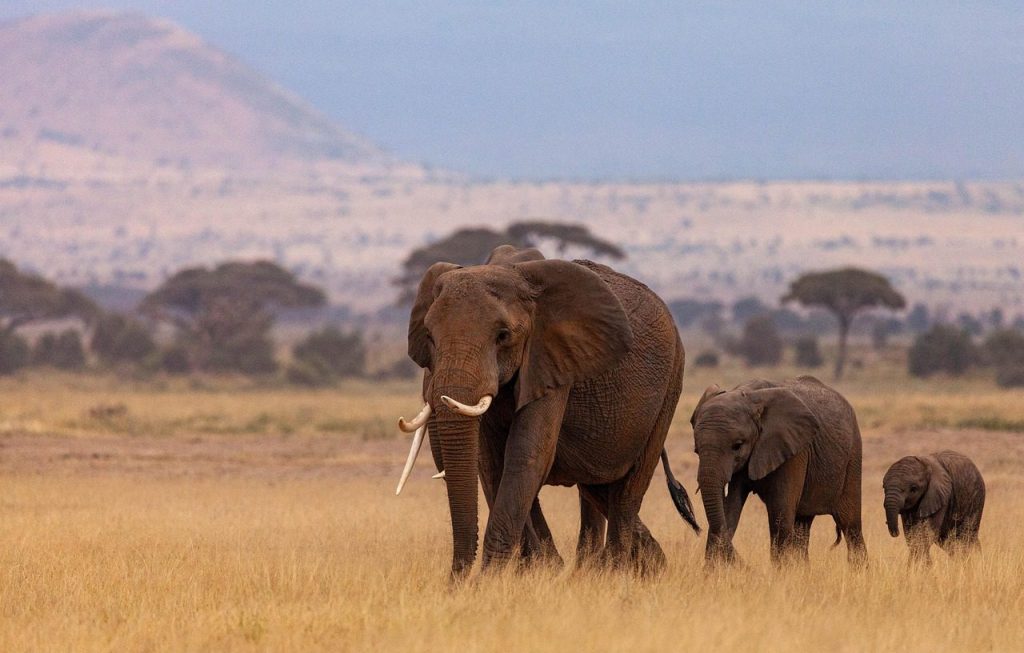
The routes fall into a few families. The Masai Mara sits at the heart of nearly every first trip, for lions, cheetahs and leopards all year and the migration herds from about July to October. Amboseli, south toward Tanzania, is the park for elephants with Kilimanjaro behind them when the cloud lifts. Further north, Samburu and Laikipia bring dry country species you will not see in the Mara, such as Grevy’s zebra, reticulated giraffe, gerenuk and Beisa oryx, plus rhino conservancies like Ol Pejeta and Lewa. Tsavo East and West are huge and lightly visited, with red dusted elephants, and they sit on the road and railway to the coast. The coast itself, at Diani, Watamu or Lamu, is where many safaris end.
Distance is the trap. Nairobi to the Mara is five to six hours by road, the last stretch rough, and Amboseli is four to five hours in the other direction. A road loop of four parks can spend two or three whole days driving, which is why a common middle path drives the Rift Valley lakes and flies out of the Mara. If the itinerary feels rushed on paper, it will feel worse in the vehicle; drop a park before you drop a night.
More route and park guides
Compare the best Kenya safari parks
Kenya Safari Booking Timeline: Twelve Months to One Week Out
Here is the whole Kenya safari plan set against the calendar. Migration and Christmas travellers should start at the top, because the camps on the Mara River fill first. For January to June, six months is usually enough, and late deals turn up for April, May and early June.
Kenya Safari Booking Timeline
Work down from your travel date. Each point says what to settle then and why. Gold markers are the bookings that sell out.
Twelve months out
Fix the month. If river crossings are the point, aim for August or September; for lower rates and easy big cat viewing, January to March or June. If gorillas are part of the trip, the gorilla permit date comes first and Kenya fits around it.
Nine to twelve months out
Shortlist two or three licensed operators and ask each for a quote on the same route. For July to October and the Christmas fortnight, commit to Mara river and conservancy camps now; the best placed ones fill six months to a year ahead.
Six months out
Camps confirmed in writing, deposit paid, bush flight seats held, and international flights booked into Nairobi. Check the contract lists every park, reserve and conservancy fee.
Four months out
Buy travel insurance with a high medical evacuation limit and cancellation cover that matches your deposits. Look at AMREF Flying Doctors evacuation cover on top if you will be far from Nairobi.
Six to eight weeks out
Visit a travel clinic about malaria tablets, which most of the safari circuit needs, plus yellow fever and routine vaccines.
Three weeks out
Apply for the Kenya eTA on the official portal only. Standard processing is about three working days, and applications open up to three months before travel, so this leaves room for a query.
Two weeks out
Weigh your packed soft bag against the 15 kg bush flight limit, hand luggage included. Get small, recent US dollar notes for tips.
One week out
Reconfirm pickups and flight times with your operator. Take plastic carrier bags out of your luggage, since Kenya bans them, and print the eTA approval, insurance and flight details.
When to Go on a Kenya Safari: Migration Months and the Rains
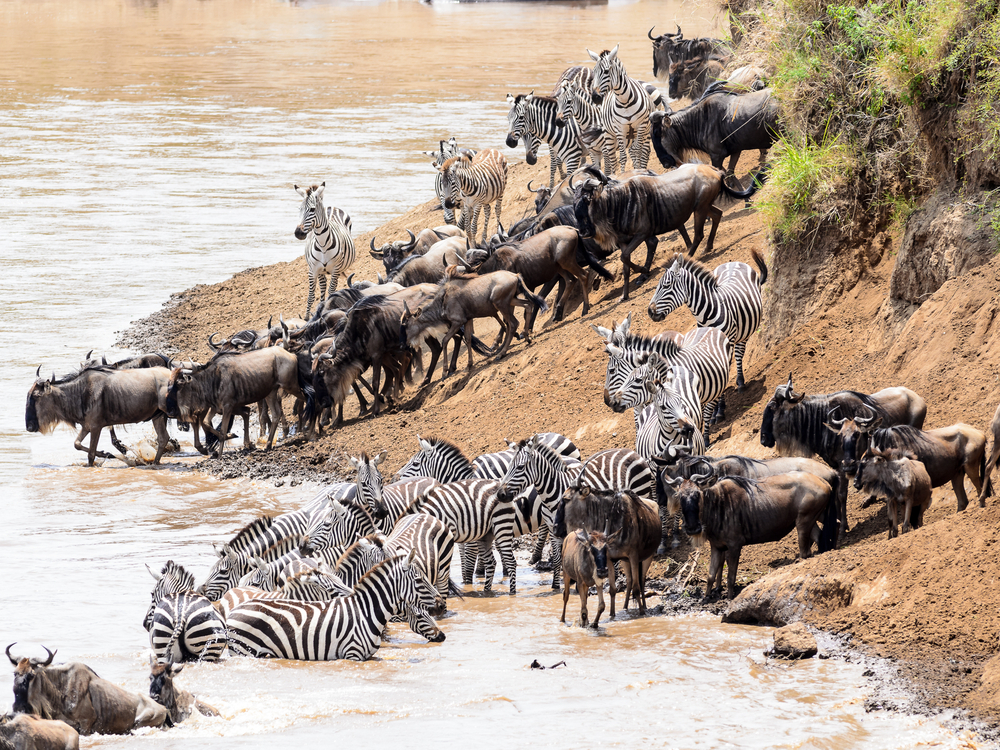
A Kenya safari works in every month, so the real choice is between herds, rain, crowds and price. Kenya has two dry windows, roughly January to March and June to October, and two rainy seasons: the long rains of April and May and the short rains around November. The wildebeest migration usually reaches the Mara from Tanzania in July, and most river crossings fall between July and October.
Mara Migration and Rains Month Planner
Rain, the migration herds, crowds and the Mara ticket all move on different calendars. The strip shows all four for every month. Pick a month for the detail.
In words: rain is heaviest in April, with a second wet spell in November, and lightest from June to September. The herds are usually in the Mara from July to October, most of all in August and September, and the last leave in November. Crowds peak in August. The Mara ticket is US$100 from January to June and US$200 from July to December.
August on a Kenya safari
Peak crossings, peak demand
Most animals are on the Kenyan side and crossings come most often. Camps charge their top rates and fill months ahead.
- Rain
- Low
- Migration herds
- Across the Mara, crossings most often
- Crowds
- Peak
- Mara reserve ticket
- US$200
Month by month table
| Month | Verdict | Rain | Migration herds | Crowds | Mara ticket | What it means for you |
|---|---|---|---|---|---|---|
| January | Dry, good value | Low | In the southern Serengeti | Moderate | US$100 | Mostly dry, resident lions and cheetahs easy to find, and the lower Mara ticket. |
| February | Driest of the early months | Lowest | Calving in the Serengeti | Moderate | US$100 | A strong month for Amboseli views of Kilimanjaro and for Samburu. |
| March | Dry, then rain arrives | Rising | In the Serengeti | Quiet | US$100 | Early March is still good value; showers build toward the end of the month. |
| April | Long rains, lowest rates | Highest | In the Serengeti | Quietest | US$100 | Deep mud on black cotton soil and some camps closed, but the lowest rates where camps stay open. |
| May | Wet, easing late | High | In the Serengeti | Quiet | US$100 | Green country and empty sightings; a few camps reopen at the end of the month. |
| June | Dry and quiet | Low | Grumeti, the first may reach the Mara late | Moderate | US$100 | The rains have eased, camps are not yet on peak rates and the Mara ticket is still US$100. |
| July | Herds arrive | Low | Arriving, first crossings | Busy | US$200 | The leading herds enter through the southern reserve and the Mara Triangle; early July can be patchy. |
| August | Peak crossings, peak demand | Low | Across the Mara, crossings most often | Peak | US$200 | Most animals are on the Kenyan side and crossings come most often. Camps charge their top rates and fill months ahead. |
| September | Crossings, slightly fewer vehicles | Low | In the Mara, frequent crossings | Busy | US$200 | Many guides prefer it to August: herds keep crossing back and forth and the crowds thin a little. |
| October | Shoulder season | Low, rising late | Heading south, last crossings early | Moderate | US$200 | The last crossings tend to come in the first fortnight, and camp rates and traffic fall away. |
| November | Short rains | High | Last herds leave | Quiet | US$200 | Green and quiet with lower camp rates, though the Mara ticket stays on its high band. |
| December | Mixed, busy at Christmas | Easing | In the Serengeti | Busy late | US$200 | Early December is quiet; the Christmas and New Year fortnight books out like August. |
Rain and crowd levels are relative, drawn from the long term pattern and safari demand, not millimetre totals. Herd movements follow the rain and shift by weeks from one year to the next, and crossings are never guaranteed on a given day. Mara ticket: Narok County rate for non resident adults. Last checked October.
For a crossing, stay at least three or four nights near the river between mid July and mid September; two nights is a gamble, and guides often wait hours on the bank for herds that turn back. The long rains are a different trade. April and May bring calves, migrant birds and the lowest camp rates, but black cotton soil in the Mara and Amboseli turns to deep mud and a few camps close. Amboseli’s Kilimanjaro views are clearest in the dry months, while Samburu and the north are at their best when the rivers shrink and animals gather on the Ewaso Nyiro.
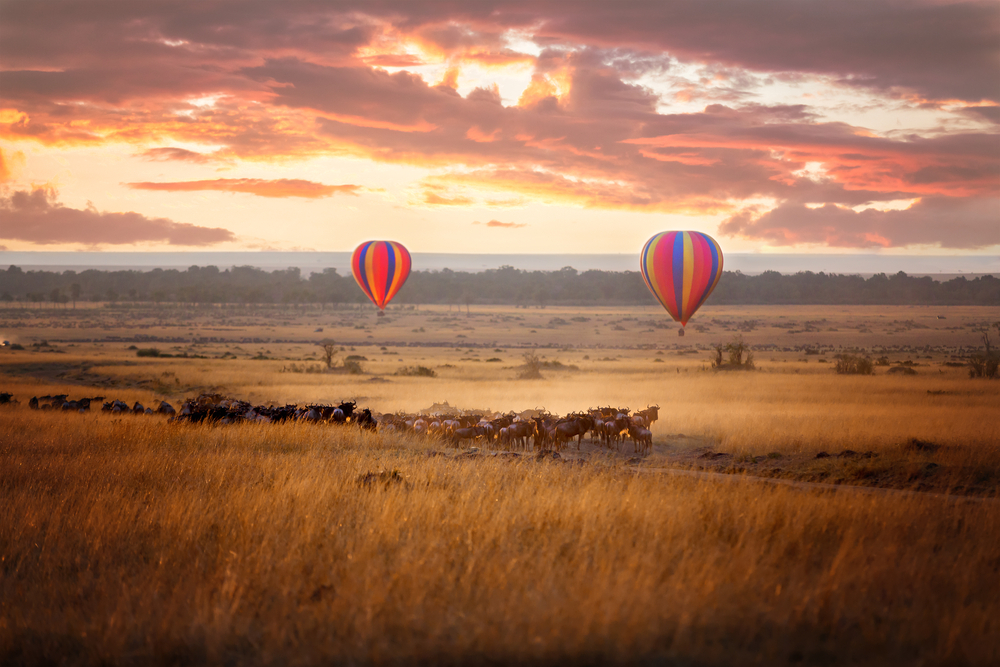
For the whole loop through Tanzania and Kenya, month by month, see our guide to the great wildebeest migration.
Season and migration guides
Plan a Masai Mara migration safari
Kenya Safari Budget: Park Fees, Mara Reserve Tickets and Conservancies
The Kenya safari budget splits into five parts: camps, transport, park or conservancy fees, flights and the small things nobody quotes. Season matters more than anything else you control. Fees are set by three kinds of landlord, and that is what most first timers miss.
Kenya Park and Conservancy Fees Compared
Per adult, non resident rates, per day or per night. The Mara reserve ticket doubles in July, and a conservancy night costs more than most park tickets but replaces the reserve ticket on days you stay inside it.
So which is better, the reserve or a conservancy? Stay inside or beside the Mara reserve for the river crossings and the lowest price. Choose a conservancy for capped vehicle numbers, off road driving to sightings, night drives and guided walks, none of which the main reserve allows. Many travellers split their nights between the two. On every quote, ask for park fees as their own line: some budget operators leave them out of the headline price, which moves the biggest cost to later rather than removing it. Our page on Masai Mara safari cost goes camp by camp through the reserve.
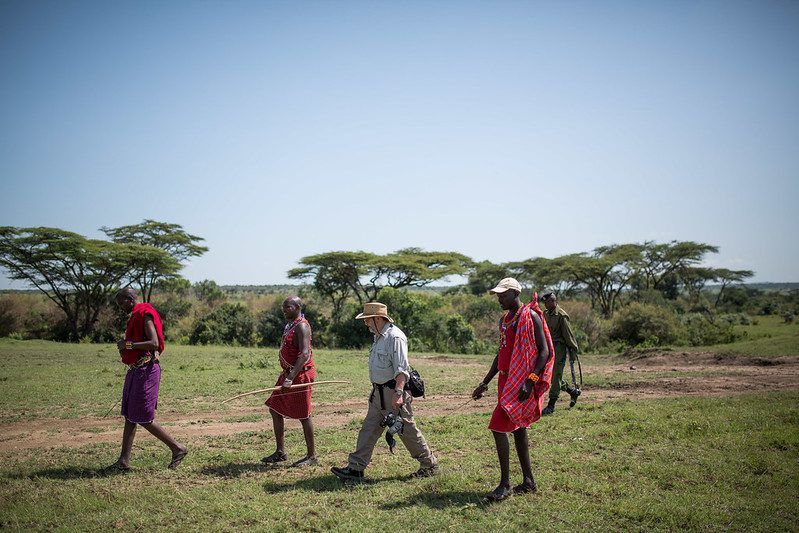
Kenya cost guides by budget
Choosing a Kenya Safari Company and Comparing Tour Quotes
Most visitors book a Kenya safari tour through a Kenyan ground operator, or through an agent at home who uses one. A local operator usually costs less because there is one margin, not two; an agent at home adds a markup but may bring consumer protection under your own country’s package travel rules. Either way, the company should hold a licence from Kenya’s Tourism Regulatory Authority, and membership of the Kenya Association of Tour Operators is a good sign.
Shape matters too. A shared or joining safari puts you in a minibus or Land Cruiser with other travellers on fixed dates, which is the cheapest way into the Mara and suits many solo travellers. A private safari gives you the vehicle and guide alone, which costs more for a couple and very little more per head for a family of four. Ask whether every guest gets a window seat.
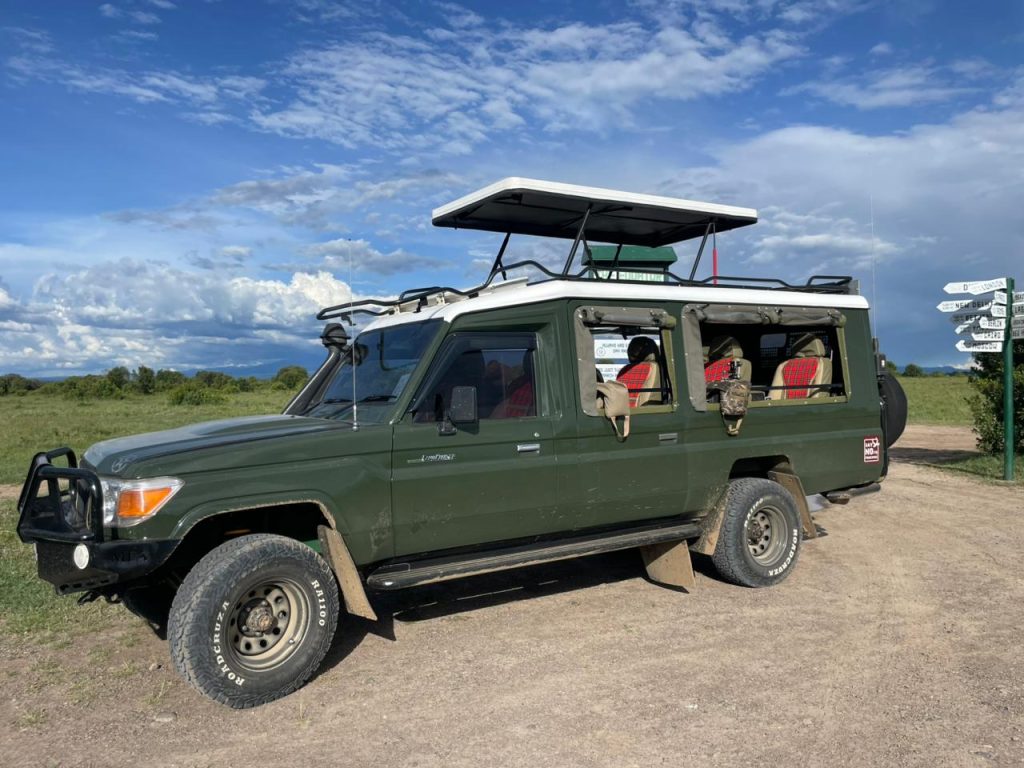
If you are joining Kenya to gorillas, one company running both countries keeps the handover simple; our directory of gorilla safari companies lists operators who sell the combination. We are an independent guide and do not sell tours, so these lists are a starting point for your own checks.
Operator guides for the wider trip
Compare Kenya safari companies
Kenya Safari Lodges and Tented Camps by Region
Where you sleep shapes the safari experience more than the camp’s thread count. In the Mara, a budget camp near Talek or Sekenani gate is cheap partly because it sits outside the reserve, so you drive in each morning and pay the reserve ticket every day you use it. A camp on the Mara River costs far more for the same standard of tent, because you pay for position. In Amboseli and Tsavo, the large lodges inside the parks are mostly mid range, while conservancy camps outside the boundary save the park ticket on days you stay put.
Where to Stay on a Kenya Safari
The main lodge and camp choices by region, with what each base means for your days.
| Region | Typical stay | Good to know |
|---|---|---|
| Mara reserve and gates | Budget tented camps by Talek and Sekenani; classic river camps | Plan the first night outside the gate if you arrive in the afternoon, so the 12 hour ticket starts fresh. |
| Mara conservancies | Small all inclusive tented camps | Fewer vehicles, walks and night drives; most guests fly in. |
| Amboseli | Lodges inside the park; camps in Selenkay and other conservancies | Rooms facing Kilimanjaro are worth asking for. |
| Laikipia and Samburu | Conservancy lodges, family houses, riverside camps | Higher and cooler in Laikipia, with horse, camel and walking options. |
| Tsavo | Mid range lodges and tented camps | Easy to pair with the coast by road or the Madaraka Express train. |
| Nairobi | City hotels; a tented camp inside Nairobi National Park | Allow a night here if your international flight lands late. |
Mixing tiers works. Two nights somewhere simple on a transit stop, then the money spent where you will spend the most time, gives a better trip than one middle standard all the way through. Families should check age bands camp by camp, since some conservancy camps do not take children under eight; our family safari in Africa guide covers age limits across the region.
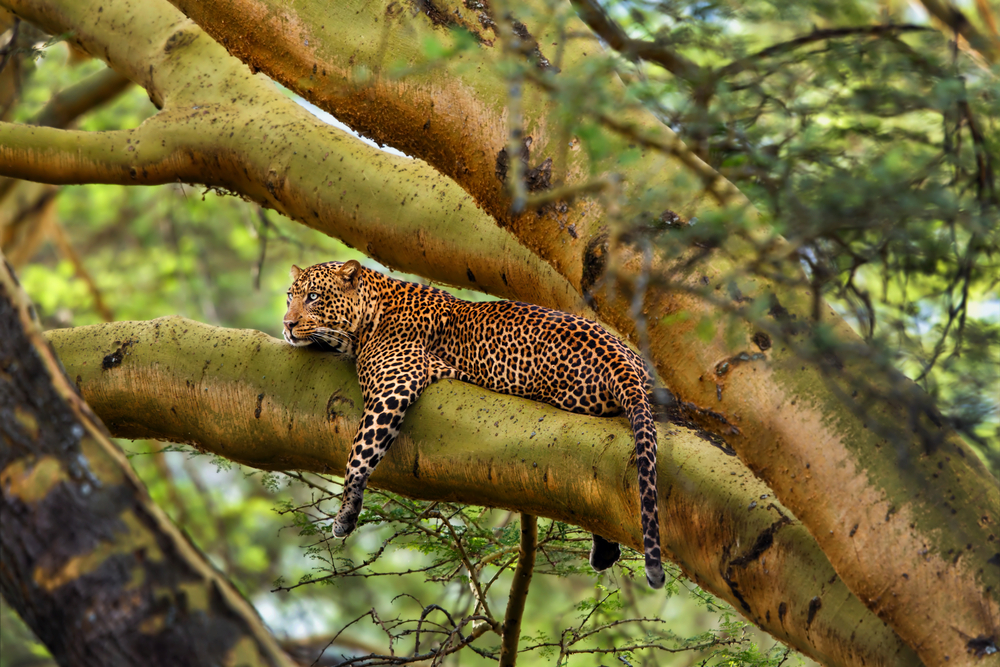
Camps and lodges across Africa
Read the Masai Mara camp guide
Getting to Kenya for Your Safari: Nairobi, Safarilink and Road Transfers
Almost every Kenya safari trip starts at Jomo Kenyatta International Airport in Nairobi. Light aircraft leave from Wilson Airport across the city, so a morning bush flight after a late international arrival means a night in Nairobi first. Coast trips can also start at Mombasa.
That night in Nairobi is easy to turn into a useful day. The Sheldrick Wildlife Trust elephant orphanage opens a late morning visiting hour when keepers bring the young elephants out to feed, and tickets are booked online in advance. The Giraffe Centre in Karen lets you feed endangered Rothschild giraffes from a raised platform, and Nairobi National Park, on the city’s southern edge, gives a first game drive with the skyline behind the plains. All three sit within about half an hour of each other in the Karen and Lang’ata suburbs, so a spare day before or after the safari covers them at an easy pace.
Which is better, flying or driving? On a trip with three or more parks, flying often pays for itself: it turns a long transfer into an extra game drive and saves paying for a vehicle and driver to sit idle. On a short Mara only trip, driving costs less and shows you the Rift Valley escarpment on the way. Pack for the plane either way, with a soft duffel bag for 15 kg bush flights and a carry on backpack that fits the aircraft.
Kenya eTA, Health, Insurance and Money for a Safari
Every visitor who is not exempt needs a Kenya eTA, an electronic travel authorisation approved before you board, infants included. Apply only on the official etakenya.go.ke portal; lookalike sites charge more and third party applications can be refused. The East Africa Tourist Visa has been shown as unavailable on Kenya’s side, so a Kenya and Uganda or Rwanda trip usually means a Kenyan eTA for the Kenya leg; our guide to the East Africa Tourist Visa tracks where that stands.
Kenya has also gazetted a rule that foreign visitors hold health insurance with set minimum cover, uploaded with the eTA, and its enforcement was challenged in the High Court. Check the portal for the current position before you buy. Whatever the outcome, pick a policy with a high medical evacuation limit and cancellation cover for prepaid camps; our guide to African safari insurance explains the small print, and the official safety advice by country covers Kenya’s current travel guidance.
On health, malaria is present across Kenya below about 2,500 metres, which covers the Mara, Amboseli, Tsavo, Samburu and the coast, so see a travel clinic six to eight weeks ahead. The yellow fever vaccine is recommended for most of the country, and a certificate is required if you arrive from a risk country. Pack a safari first aid kit and a repellent and permethrin treated clothing for evenings.
Money is simple. Camps and park fees are paid through your operator before you travel, while tips and small purchases need cash. Carry clean, recent US dollar notes, since older ones are often refused, and expect a surcharge on card payments at some camps. M Pesa mobile money works everywhere if you buy a local SIM. Sockets are the UK style Type G, covered in our travel adapter for Uganda, Kenya and Tanzania guide.
Kenya Safari Packing for Game Drives and 15 kg Bush Flights
A Kenya safari packing list is built around two facts: the 15 kg soft bag limit on bush flights and the cold early starts in an open vehicle. Mornings in the Mara highlands and Laikipia can be chilly before the sun warms the plains, so layers beat one heavy coat. Neutral colours such as khaki, olive and tan work best on drives, and dark blue or black can draw tsetse flies in some areas.
Start with our African safari packing list, then read what to wear on safari and what not to wear on safari. Conservancy guests heading out on foot should read what to wear on a walking safari. For the Mara’s distances, good binoculars for safari matter more than anything else you carry; our safari camera and binoculars field guide explains magnification and settings.
Gear guides for a Kenya safari
Kenya Safari Add Ons: Diani and Watamu Beaches, Gorillas in Uganda or Rwanda
A few nights on the coast is the most common way to finish a Kenya safari holiday. Diani Beach, about 30 kilometres south of Mombasa, has a long white sand beach with calm water inside the reef at low tide, and flights from Nairobi land at Ukunda a few minutes away. Watamu and Malindi to the north have a marine park with good snorkelling and a quieter feel, and Lamu, the old Swahili island town with no cars, is a culture stop more than a beach one. From the coast, Tsavo East is the practical short safari, two to three hours by road from Mombasa. Couples planning a bush and beach trip can compare pairings in our Africa honeymoon safari guide.

There are no gorillas in Kenya, yet the Mara and a gorilla trek make one of East Africa’s most popular pairings. Our page on why there are no gorillas in Kenya explains the geography. After the Mara, most people fly from Nairobi to Entebbe or Kigali, then drive or fly to the gorilla parks. For Uganda gorilla trekking in Bwindi, the permit is the item that sells out, so book it first and build the Kenya leg around the date; the Uganda gorilla permit guide explains how. Rwanda’s Volcanoes National Park is quicker to reach from Kigali, and our Rwanda gorilla trekking guide covers that side. The timing lines up well: the Mara’s migration months of July to October fall in the long dry season for gorilla trekking. Every trekker must be 15 or older.
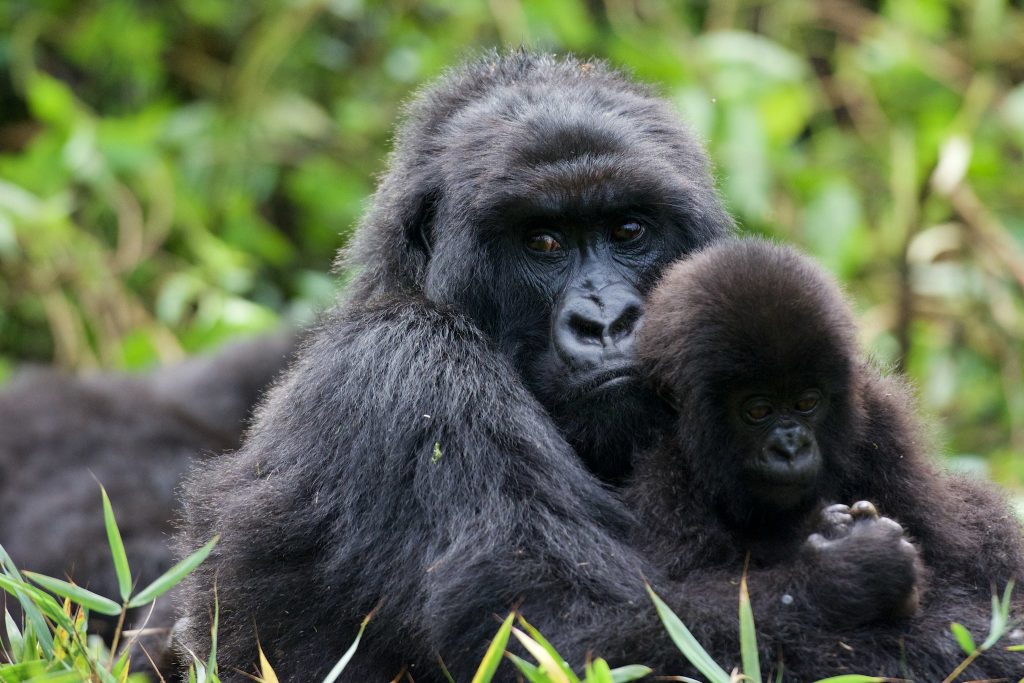
Plan gorillas and the Masai Mara
Responsible Kenya Safari Travel: Conservancies, Wildlife Rules and Communities
Responsible safari travel in Kenya starts with where your money lands. The Mara conservancies lease land from Maasai families, and the fee built into each camp night is paid to those landowners, which is what keeps the land open to wildlife rather than fenced for farming. Staying a night or two in a conservancy is one of the most direct ways a visitor can support that model.
On drives, ask your guide to keep a respectful distance and to leave when a sighting gets crowded; in the Mara reserve, vehicles must stay on tracks, and off road driving is a conservancy privilege with its own rules. Never ask a guide to break them for a photograph. Keep noise down, take all litter out, and leave plastic carrier bags at home, since Kenya bans them. On a village visit, agree the fee before you go and ask before photographing people. Tip the guide and camp staff directly in cash at the end of the stay.
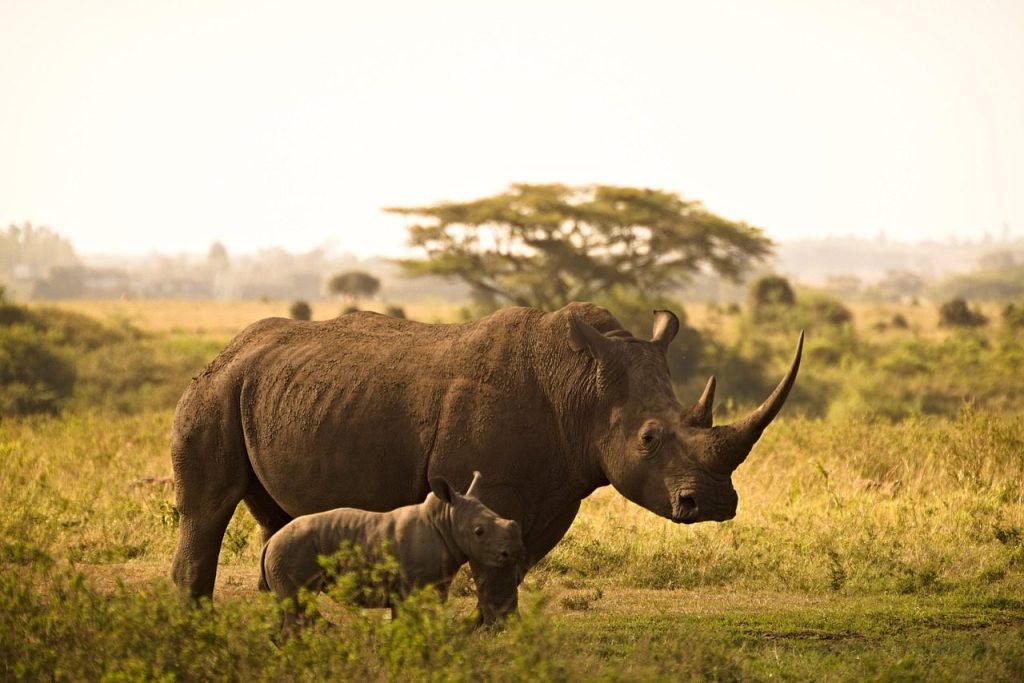
Rhino protection is where fees show most clearly. Lake Nakuru, Ol Pejeta and Lewa keep armed ranger units with their rhinos day and night, paid for in part by visitors. Every guide on the site that touches Kenya sits in the Kenya safari guides section.
Kenya Safari Planning FAQ
How far ahead should I plan a Kenya safari?
For July to October and the Christmas fortnight, start six to twelve months ahead, since the best placed Mara river and conservancy camps fill first. For January to June, three to six months is usually enough, and April, May and early June often bring late offers.
How many days do you need for a Kenya safari?
Three days covers the Masai Mara alone. Five to seven days adds Amboseli or Lake Nakuru, and ten days or more opens Samburu, Laikipia, Tsavo or the coast. Add three or four days for a gorilla trek in Uganda or Rwanda.
How much does a Kenya safari cost?
On published rates, a shared budget road safari runs about US$120 to US$190 per person a day with park fees, a mid range lodge road safari US$200 to US$320, and fly in conservancy or river camps about US$430 to US$998 a night, with flagship camps at US$1,850 to US$2,750. The Mara ticket is US$100 a day from January to June and US$200 from July to December, and the Kenya eTA costs US$30. Bush flights from Nairobi to the Mara run about US$283 to US$350 each way with taxes. Tips usually add US$15 to US$30 per person a day.
When is the best time for a Kenya safari?
For the migration, late July to mid October, with August and September the surest weeks for river crossings. For dry weather and lower prices, January to March and June. April, May and November are the rainy months, with the lowest rates and the most mud.
Is it better to stay in the Mara reserve or a conservancy?
The reserve is better for river crossings and a lower total. Conservancies cap vehicles and allow walks, night drives and off road driving, with the conservancy fee built into the camp rate. Splitting nights between the two gives you both.
What is the 12 hour rule for the Masai Mara?
The Masai Mara National Reserve sells a ticket that lasts 12 hours, from 6am to 6pm, instead of the 24 hour ticket used in Kenya Wildlife Service parks. It does not carry over to the next morning, so an afternoon arrival still pays a full day, and a camp outside the gates pays a new ticket for every day you drive in. Ask your operator to show how many reserve days the quote includes.
Should I fly or drive between Kenya’s parks?
Fly if you are visiting three or more parks or have limited time, since each flight turns a five or six hour drive into under an hour. Drive on a short Mara only trip or a budget safari. Either way, keep to a 15 kg soft bag.
Do I need a visa for Kenya?
Most visitors need an eTA approved before boarding, applied for on the official etakenya.go.ke portal; standard processing is about three working days. East African Community citizens and some other nationalities are exempt, so check your passport on the portal.
Is Kenya safe for a safari?
The parks, conservancies and main safari routes see large numbers of visitors without trouble, and most people travel with an operator who handles transfers. Read your government’s current advice, avoid walking in cities at night, and keep valuables out of sight in Nairobi.
Can I wear red or white on a Kenya safari?
Yes, nothing bans either colour, and red is the colour of the Maasai shuka you will see all over the Mara. White is simply impractical, since the fine dust in a pop up roof vehicle turns it grey within an hour, and bright colours stand out to animals on a conservancy walk. Khaki, olive and tan hide the dirt, while dark blue and black can draw tsetse flies. Leave camouflage at home too.
How do you go to the bathroom on a Kenya safari?
Camps and lodges have their own bathrooms, in most tented camps too, usually with a flush toilet and a hot shower. On a game drive the guide stops at a lodge, a park gate or a picnic site with toilets, or picks a safe open spot, checks it first and gives you privacy. Carry tissues, hand sanitiser and a small bag, because nothing can be left behind in the parks.
What does a typical day on a Kenya safari look like?
Most days start with tea or coffee before dawn and a game drive at first light, when the cats are active and the air is cool. Some camps come back for breakfast, others serve it out on the plains. The hot middle of the day is for lunch and a rest, and the afternoon drive runs until the light fades, often with a sundowner in the conservancies. In the migration months many guests take a full day out with a picnic lunch, since the herds can be far from camp.
Can children go on a Kenya safari?
Yes. Kenya has no national minimum age, but each camp, conservancy and activity sets its own. Balloon flights usually need children aged about seven or eight and over, some conservancy camps take only children aged eight and up, and a private vehicle helps with short drives and rest stops.
Can I add gorilla trekking to a Kenya safari?
Yes. Fly from Nairobi to Entebbe or Kigali after the Mara and allow three or four days. A Uganda gorilla permit costs US$800 for foreign non residents, or US$600 in April, May and November, and Rwanda’s costs US$1,500. Trekkers must be 15 or older.
Can I plan a Kenya safari without a tour operator?
Partly. You can book camps and bush flights yourself and self drive in KWS parks such as Nairobi National Park and Lake Nakuru, and the Mara Triangle admits private 4x4s. Private cars are barred from Narok County’s side of the reserve, so most travellers use a licensed operator for the Mara.