Good safari pants are lightweight, quick drying nylon or polyester trousers with a little stretch, a UPF rating, a zipped pocket and a neutral colour such as khaki, olive or stone, built to shrug off sun, dust and thorny brush. Convertible zip off pairs from Columbia, Craghoppers, prAna or Outdoor Research suit most game drive safaris in Kenya, Tanzania and Botswana, and long ripstop pairs handle gorilla treks in Uganda and Rwanda. Two pairs cover a week.
For the full outfit, read our guide to what to wear on safari; for the forest, the gorilla trekking clothing guide. On steep forest trails, trekking poles help as much as the right trousers.
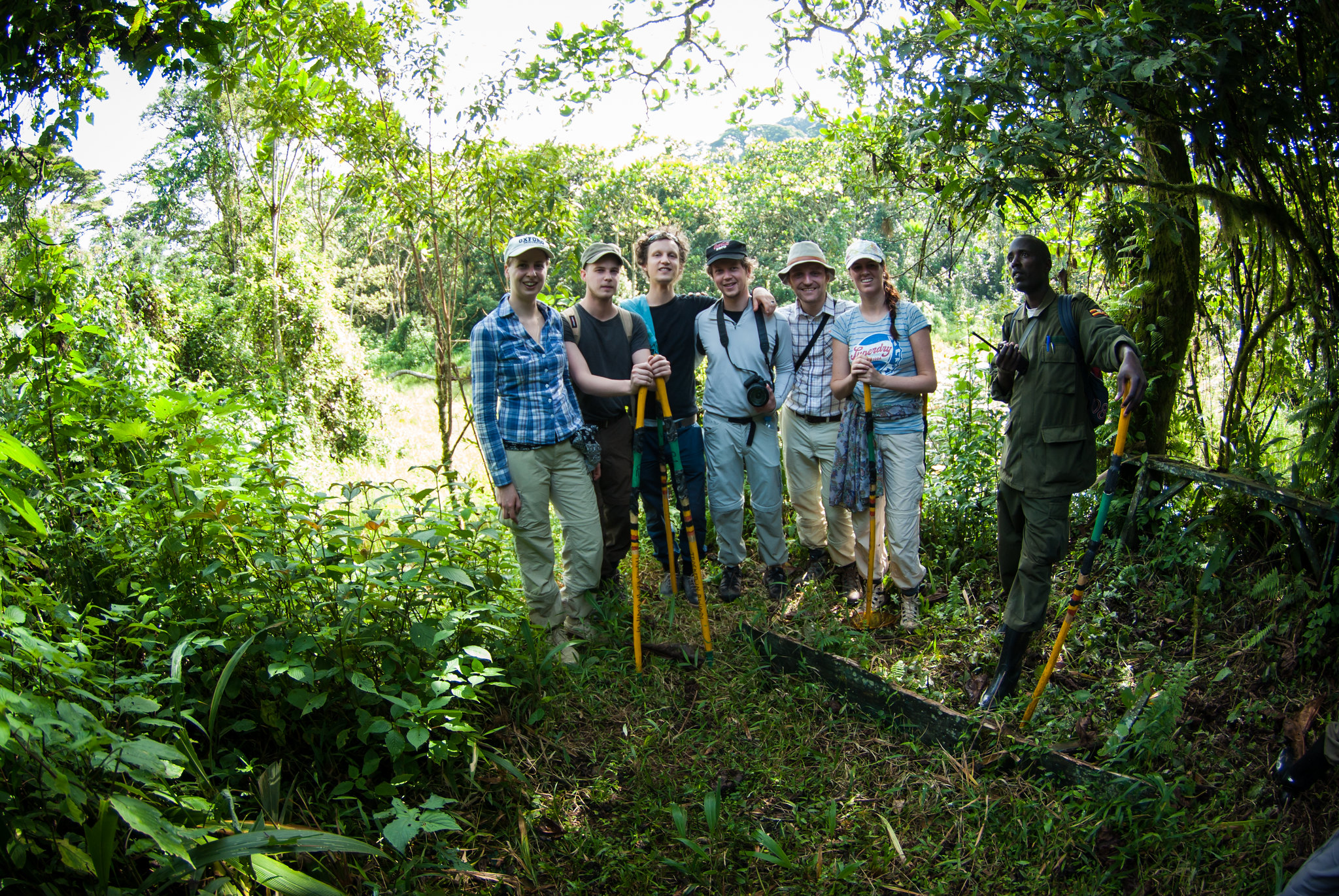
What Makes Good Safari Pants: Fabric, Weight and Drying Speed
Fabric decides almost everything about a pair of safari trousers. The right material breathes at midday, dries overnight after a wash, sheds dust and rolls small. Thin synthetic travel fabrics manage all four; cotton manages one.
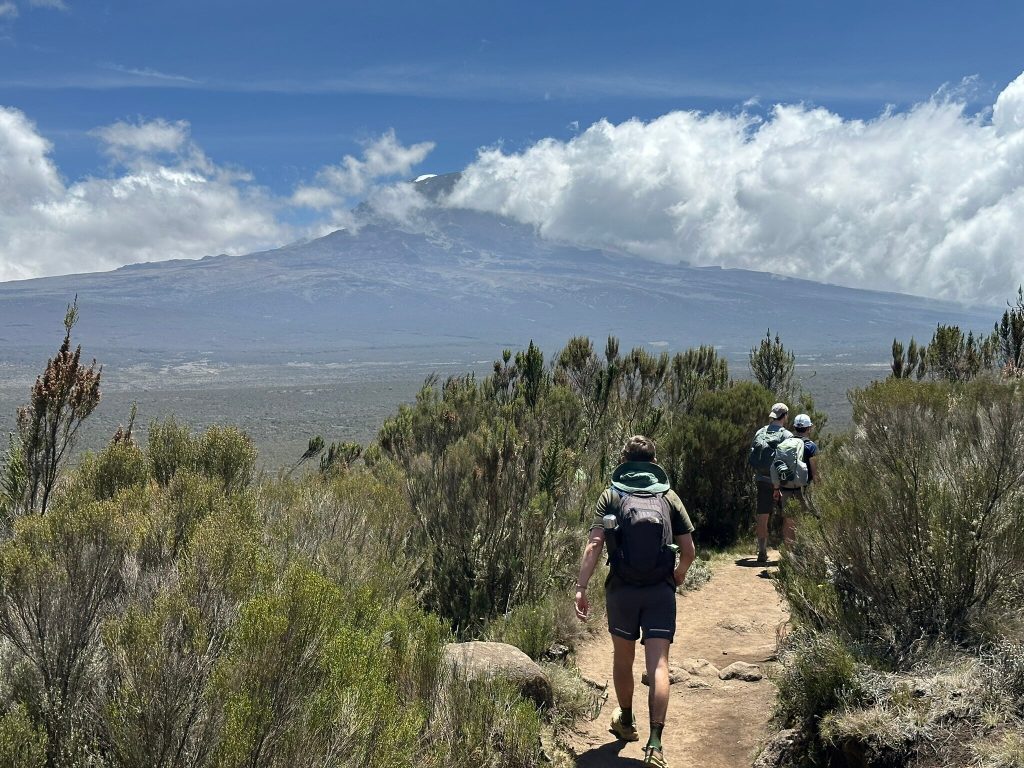
Cotton feels soft and costs less. It also holds sweat, turns clammy when the evening cools and blocks little sun when thin, which is why nearly every guide in camp ends up in synthetics. The exception is hunting and long walking safaris, where some people still prefer a dense cotton or polycotton for its resistance to thorns.
Convertible Safari Trousers Versus Straight Leg and Roll Up Pants
Convertible safari trousers, with legs that zip off above the knee, are the classic pick for a reason. A day that starts at 8°C on a Serengeti dawn drive and reaches 30°C by lunch is easy in a pair you can turn into shorts without changing. They also save space, since one pair replaces trousers plus shorts. Some women’s styles carry two zips, giving a capri length too.
They have flaws. The zip crosses the thigh, and on cheaper pairs it presses into your leg after hours in a vehicle, so look for a zip backed by a fabric flap. Zip offs look more technical at dinner. And if you wash the shorts more often than the legs, the two halves fade to slightly different shades; a few makers colour code the zips so the left and right legs go back on the right side quickly.
Straight leg travel pants look neater, have no zip to rub and give fuller coverage on walks. Roll up pants sit in between, with a button tab that holds the leg at mid calf for river crossings, hot afternoons or wet grass. For a first safari, one convertible pair plus one straight leg pair covers every situation.
Safari Pants Details Worth Paying For: Pockets, Gussets, Hems and Vents
Once the fabric is right, small details decide whether you still like your safari pants on day ten.
Before you fly, test any new pair at home: sit, squat and climb a step. Trousers that pinch at the knee or slide down at the back in a chair will do the same in a vehicle for six hours. A lightweight travel belt with a non metal buckle solves the second problem.
Best Safari Pants by Type and Budget, With What Each Suits
Rather than chase one model, pick the type that suits your safari and fit, then compare makers. Each link opens an Amazon search for that style so you can check current versions, colours and inseams. Maker specs change between seasons, so confirm fabric and UPF on the listing.
Safari Pants for Women: Cuts, Inseams and Outfit Ideas
Women’s safari pants come in more cuts than men’s, and brands size very differently, so check each chart against a pair you already like. Curvier figures often find straight hiking trousers gape at the waist when they fit the hips, so look for a contoured waistband or stretch fabric with a mid or high rise. Inseam matters too: short, regular and long lengths exist, and a cuff that reaches the top of your boot or sock is what keeps insects out on walks. Taller women can search for long inseam hiking pants.
For the look many women want, women’s lightweight khaki cargo pants with a high waist and a belt pair well with a linen shirt, and wide leg linen trousers in khaki or olive are cool in camp and on travel days. Keep the wide leg pairs for the lodge, though: they flap, catch on thorns and let insects in on a walk. A skort or safari shorts suit hot afternoons in the vehicle. So what are good women’s pants for a safari? One convertible or stretch pair in olive, one roll up or cargo pair, and something soft for camp. Our safari clothes for women guide puts whole outfits together.
Leggings deserve a separate word. Thick, opaque leggings in olive or charcoal are comfortable on travel days and in camp, and some women wear them on game drives. Thin running leggings let mosquitoes bite straight through and give no protection from thorns or nettles, so they do not replace trousers on walks or treks.
Safari Trousers for Men and Children
Men’s safari trousers are easier to find. The main complaint is chafing on long walks and descents, which a gusseted crotch and smooth synthetic fabric solve better than cotton. A pair of quick dry travel chinos doubles as dinner trousers and a game drive pair. Hunting safari clients tend to choose tougher pants, since light ones can tear on a week of thorn scrub; dense ripstop or polycotton lasts longer. Our safari clothes for men guide covers the rest of the kit.
Children grow out of everything, so cheap and practical wins. Kids’ convertible hiking pants handle the heat swing and dry fast after spills. Remember the age limits on the primate treks in Uganda: 15 for gorillas and 12 for chimpanzees. Our family safari guide covers the rest.
Choosing Safari Pants for Game Drives, Walking Safaris, Gorilla Treks and Kilimanjaro
Each safari activity asks something different of your trousers, though one well chosen pair can cover several.
Game drive safaris in the Serengeti, Masai Mara or Okavango reward comfort when seated: stretch, a soft waist and a reachable pocket. Thin convertibles are ideal, since nothing tears in a vehicle.
Walking safaris in Zambia, Zimbabwe and the Kruger wilderness trails need full length legs, a closeable hem and a tougher weave against thorns and grass seeds. Guides expect muted colours on foot. Insect treated trousers make most sense here.
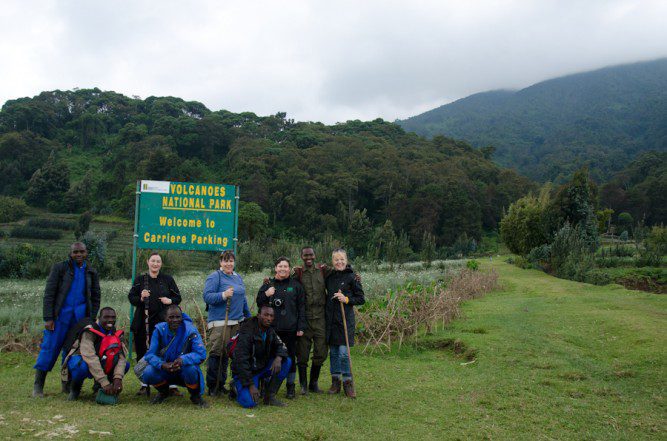
Gorilla treks are the hardest test. On a gorilla trekking safari in Bwindi or Rwanda’s Volcanoes National Park, you push through nettles and wet undergrowth on steep clay, so long, quick dry ripstop trousers tucked into tall socks or under gaiters are the standard, with gloves for grabbing vines. Zip offs are fine as long as the legs stay on. Skip bright colours and camouflage. In the wet months, add packable rain pants with side zips that go on over boots, along with a rain jacket. Porters can be hired at the trailhead to carry your daypack. The full forest kit is in our gorilla trekking packing list. Our guide to the best safari shirts covers the top half.
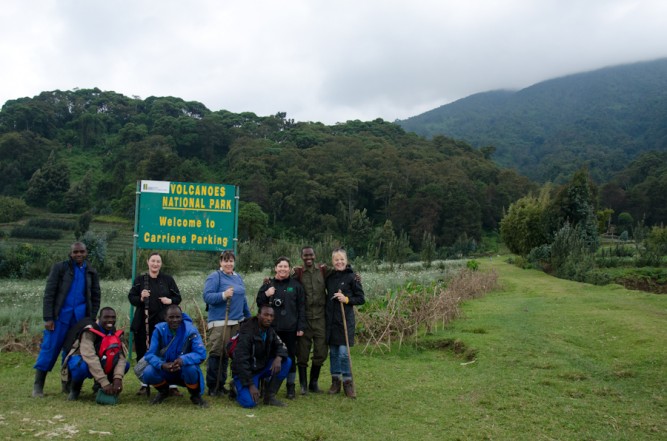
Climbing Kilimanjaro as part of the trip? The same lightweight trekking trousers work on the lower slopes, with thermal leggings underneath and waterproof overtrousers higher up.
Season matters too. East Africa’s short rains fall around November and the long rains from about March to May; in those months, pick the fastest drying pair you own. In the dry months, roughly June to October, dust is the issue, and darker khaki or olive hides it better than pale stone.
| Trip | Best type | Key feature |
|---|---|---|
| Game drives | Convertible | Stretch, pockets |
| Walking safari | Insect treated | Closeable hem |
| Gorilla trek | Ripstop long | Quick dry |
| Hunting safari | Heavy trekking | Thorn proof |
| Green season | Light stretch | Fast drying |
| Camp dinner | Travel chino | Neat look |
Safari Pants Colours, Insect Treated Fabric and Camouflage Rules
Khaki, olive, tan, stone, sand and soft brown are the right colours for safari pants. They hide red dust and grass stains, and on walking safaris they help you blend in. Which colours not to wear on an African safari? Bright white looks grubby within the hour, and red or loud prints stand out on foot. Dark blue and black attract tsetse flies in parts of the Serengeti, Tarangire, the Mara, the Okavango and much of Zambia and Zimbabwe, so leave navy trousers for the city.
Camouflage is a real problem. Military pattern clothing is widely reported as restricted for civilians in several countries, Uganda, Tanzania and Zimbabwe among them, and it is discouraged across the region. Plain khaki is fine; camo cargo pants are not.
On insect treatment: factory treated fabrics usually keep working through many more washes than clothes you spray at home, which typically need retreating after a handful of washes. If you already own suitable trousers, a permethrin clothing spray applied before you travel and left to dry fully gives similar protection. Treated clothing works alongside repellent on exposed skin and antimalarials where advised, not instead of them. Our guide to insect repellent for Africa covers the skin side.
Trousers That Struggle on a Safari Trip, Including Fashion Safari Pants
Some trousers cause trouble on safari again and again. Jeans top the list. Denim is hot by late morning, cold when damp, heavy against a small plane baggage limit and slow to dry after laundry. Wear them on the flight if you must, then switch.
Search “safari pants” and you will also find fashion pieces: wide leg high rise trousers in heavy upcycled denim, linen palazzo pants and belted utility styles from lifestyle labels. They look good in photos and at a city hotel. In a vehicle or on a trail, heavy denim and flowing hems bring the same problems as jeans, so treat them as travel day or dinner wear rather than the pair you track wildlife in.
Linen trousers breathe well, yet they crease badly, tear on thorns and do little against mosquitoes; keep them for Zanzibar and lodge evenings. Heavy cotton tactical and military style cargo trousers are hot and slow to dry. White trousers and anything in camouflage print belong at home. So do brand new trousers you have never sat in for an hour. The full list of what not to wear on safari goes beyond trousers.
Shorts suit the vehicle and camp at midday, not walks, dusk or any primate trek such as the Kibale chimpanzee trek.
Where to Buy Safari Pants and Who Sells Safari Clothing
Three kinds of shop sell safari clothing. Specialist safari outfitters, many started by former guides, sell zip off and cargo trousers in safari colours with insect treatment and UPF 50+ as standard, and they sort women’s cuts and leg lengths clearly. African made and hunting brands sell tougher cotton and polycotton trousers with big thigh pockets. Mainstream outdoor makers such as Columbia, Craghoppers, prAna, Outdoor Research, Royal Robbins and Fjallraven sell travel trousers that do the job, through outdoor chains such as REI and online stores including Amazon. L.L.Bean also carries safari pants for women and men. Buy at home, with time to wear a new pair before the trip; shops in Nairobi, Arusha and Kampala have few sizes.
How Many Pairs to Pack and Caring for Safari Pants in Camp
Most camps offer laundry, often daily, so you need fewer trousers than you think.
Light aircraft between airstrips in Kenya and Tanzania usually allow about 15 kg per person in a soft bag, so lightweight trousers that pack small are a real advantage. Pack them in a soft safari duffel bag, and wear your heaviest pair on the flight.
Synthetic safari pants are easy to care for. Wash in cool water, skip fabric softener, which clogs technical fibres and can weaken water repellent finishes, and hang them in shade rather than on a hot stone or a lodge radiator. UPF ratings are built into the fabric and survive normal washing. Insect treated trousers last longest washed on their own, without hot water or harsh detergents. A travel laundry soap sachet lets you sink wash a pair overnight when camp laundry is slow in the rains.
Our African safari packing list covers everything else that goes in the bag, the safari hat buying guide deals with headwear, and the safari gear and clothing section has guides to boots, rain jackets and cameras and binoculars.
What are the best safari pants for a first safari?
A pair of lightweight, quick dry nylon convertible trousers with UPF, a little stretch and a zipped pocket, in khaki or olive, plus one straight leg pair for walks and dinner. That combination covers game drives, cold mornings, hot afternoons and most walking.
Who sells safari clothing?
Specialist safari outfitters, African made and hunting clothing brands, outdoor makers such as Columbia, Craghoppers and prAna, outdoor chains and online stores including Amazon. Buy before you travel, since shops in East Africa have limited sizes.
What colors not to wear on an African safari?
Avoid navy, dark blue and black, which attract tsetse flies, bright white and loud colours, which show dust and stand out to animals on foot, and camouflage, which is restricted for civilians in several countries. Khaki, olive, tan and stone are safest.
What should a woman wear on a safari?
Loose layers in neutral colours: one convertible or stretch pair of safari pants, one cargo or roll up pair, long sleeved shirts, a fleece for cold mornings, a wide brimmed hat and closed shoes. Thick leggings or wide leg linen trousers work for camp and travel days.
How much do safari pants cost?
List prices change often, but as a rough guide budget convertible and hiking pants sit around US$30 to US$90, mid range stretch travel pants from outdoor brands around US$90 to US$130, and insect treated or heavy trekking trousers around US$120 to US$200 or more. Mid range pairs are plenty for a vehicle safari.
Are convertible zip off pants worth it on safari?
For most people, yes. They handle the big temperature swing between dawn and midday without a change of clothes and give you shorts for camp. Choose a pair with a covered zip so it does not rub when you sit for hours, and wash both halves together so they fade evenly.
Can I wear jeans on safari?
You can, but they are a poor choice. Denim is hot, heavy, slow to dry and uncomfortable when damp. Lightweight synthetic trousers do the same job far better and weigh less in a 15 kg bush flight bag.
Are leggings OK for an African safari?
Thick, opaque leggings are fine for travel days, camp and some game drives. Thin leggings let mosquitoes bite through and give no protection on walking safaris or gorilla treks, so pack proper trousers too.
Do I need insect repellent trousers for a safari?
Not for every trip. They help most on walking safaris, in tsetse fly areas and in malaria zones at dusk. For a vehicle safari, ordinary long trousers plus repellent on exposed skin is usually enough.
Should safari pants be waterproof?
No. Fully waterproof trousers are too hot for daily wear. Pick a breathable pair with a water repellent finish, and carry packable rain overtrousers in the wet months or for gorilla trekking.
Do convertible pants look out of place at dinner in a safari lodge?
Not really. Dress at safari camps is casual, and clean trousers of any kind are normal. If you prefer a neater look, a straight leg travel chino in stone or olive works on drives and at dinner.