The best safari shirts for Africa are long sleeved, button front shirts in khaki, olive, sand or stone, cut loose from a light synthetic, merino or tightly woven cotton, with a UPF rating, a vented back and sleeves that roll up. On a game drive in Kenya, Tanzania or Botswana, or a gorilla trek in Uganda, that one shirt type keeps off sun, dust and biting insects and dries overnight after camp laundry. Two or three are enough for a week.
Plenty of travellers already own something close. For the full outfit from hat to boots, our what to wear on safari guide covers the rest of the wardrobe; this page stays with the shirt.
What Makes a Good Safari Shirt for Game Drives and Treks
A good safari shirt shows its worth after ten hours in an open vehicle, not on a shop hanger. Sleeves come first. Long ones stop the equatorial sun burning your forearms, keep mosquitoes off at dusk and, on a gorilla trek, blunt the sting of the nettles. Roll them up at noon; roll them down when the light goes.
Next, heat. A button front opens in the midday heat and closes when the sun drops. A vented yoke across the back, usually a mesh panel under a flap, moves air without letting light through. Pullover sun shirts pack smaller, yet tugging one over your head in a moving Land Cruiser, hat and sunglasses on, is clumsy.

Safari Shirt Fabrics Compared for Heat, Dust and Camp Laundry
Fabric matters more than the label on a safari trip. The right one breathes when the afternoon reaches the high twenties Celsius, dries on a line overnight, shrugs off red dust and folds small into a soft bag. Here is how the usual options stack up.
| Fabric | Dries | Sun cover | Best for |
|---|---|---|---|
| Nylon blend | Very fast | High | Game drives |
| Polyester | Very fast | High | Humid parks |
| Merino wool | Fast | Medium | Cold mornings |
| Heavy cotton | Slow | Medium | Walks, thorns |
| Light cotton | Medium | Low | Dry season |
| Linen | Fast | Low | Camp, towns |
Nylon and polyester blends are what most outdoor makers use for vented shirts. They dry in an hour or two in shade, shrug off creases after a day rolled in a duffel, and many carry a sun rating built into the weave. Odour is the catch. Two days of game drives can leave a cheap polyester shirt smelling, hence the antimicrobial finishes.
Merino wool fixes the smell. A light merino long sleeve stays fresh for several days, feels warm at a 6am departure and still fine by lunch. It snags on thorns, though, and costs more.
Cotton splits opinion. Travel writers mostly warn against it because it holds sweat and dries slowly, and in a wet rainforest they are right. Hunters and walking safari regulars often swear by a heavier, pre washed cotton bush shirt, since it stands up to thorns, survives hot camp irons and, woven tight, is harder for a biting fly to get through. Light cotton and linen are pleasant at a lodge, yet thin cotton blocks little sun and linen creases the moment you sit. For a dry season vehicle safari any of them works. For gorilla trekking in Bwindi, pick synthetic or merino every time.
Check the weight too. Light travel shirts sit roughly in the 80 to 130 grams per square metre range. Much heavier runs hot by late morning; much lighter turns see through and snags.
UPF Sun Protection Ratings on Safari Shirts
UPF, the Ultraviolet Protection Factor, tells you how much of the sun’s UV a fabric lets through. It is the clothing version of SPF, and on a safari in East Africa it counts: the big parks sit close to the equator and often above 1,500 metres, so skin burns faster than the cool morning air suggests.
Two caveats. A rating applies to dry, relaxed fabric, so a sweaty, tight shirt protects less than its label claims. And a rating from a chemical finish fades in the wash, while one from a dense weave lasts. A thin white cotton tee, by comparison, can let through a fifth of the UV.
Brands such as Columbia, ExOfficio, Craghoppers, Royal Robbins and Coolibar all sell UPF 50 vented button up shirts in safari colours. Pair the shirt with a wide brimmed hat and a UPF neck gaiter and your skin is covered from the collar up. Sunscreen on the hands and face still matters.
Insect Protection: Permethrin Treated Safari Shirts and Tsetse Flies
Insect repellent clothing splits opinion on safari travel forums more than any other shirt feature, so here is the plain picture. Most “bug” shirts are treated with permethrin, an insecticide that kills or repels mosquitoes and ticks on contact with the fabric. It goes on cloth, never skin, and it does nothing for bare hands, neck or face. A DEET or picaridin repellent still goes on exposed skin at dusk.
There are two routes. Factory treated shirts carry the permethrin bonded into the fibres. Insect Shield licenses its treatment to several makers, and ranges such as ExOfficio BugsAway, Royal Robbins Bug Barrier and Craghoppers NosiLife are built around a treated fabric; specialist safari outfitters sell their own treated shirts too. Look for an Insect Shield treated long sleeve shirt, or compare ExOfficio BugsAway shirts and Craghoppers NosiLife shirts, if you want the treatment to outlast the trip. The cheaper route is to treat shirts you already own with a permethrin clothing spray a few days before you fly. Home treatment washes out faster, so do it close to departure and let the clothes dry fully outdoors before packing.
Now tsetse flies. They live in parts of the Serengeti, Tarangire, the Okavango and much of Zambia and Zimbabwe, and the bite hurts. Research on tsetse traps shows the flies are drawn to blue and black, so a navy shirt is a poor pick in fly country. Against tsetse, treatment helps little, and hunters report the flies biting straight through thin nylon. A tighter weave, a light colour and a loose fit do more. Ticks are the other hunting camp complaint; keep sleeves down in long grass.
Best Safari Shirts by Type and Budget for Every Safari Trip
You do not need one of each. Pick the two or three that match your safari itinerary and fill the gaps with what you own; each link opens an Amazon search for current versions.
Best Safari Shirts for Women and Men
Safari shirts for women differ more than the shop photos suggest. Unisex shirts run long in the shoulders and boxy at the hips, so women’s vented shirts come with a fitted waist and shorter sleeves. A long sleeved women’s linen shirt in khaki or tan is a favourite with travel writers for camp and the vehicle, and a women’s cotton safari shirt with epaulettes gives the classic look in a tougher fabric. A short sleeved camp shirt, a neutral tank top or two and perhaps a shirtdress for travel days cover the rest. Our safari clothes for women guide goes through full outfits.
Men’s safari shirts follow the bush shirt pattern: two chest pockets, epaulets, a straight hem worn out, and room across the back for lifting a long lens. Shooters’ versions add a padded shoulder patch. Most packing lists settle on two long sleeved vented shirts, one short sleeved shirt and a couple of tees. The safari clothes for men guide covers the full kit.
Children need less. A cheap long sleeved quick dry shirt or a kids’ UPF 50 sun shirt in a muted colour handles game drives, and it does not matter when it comes back stained. Age limits apply on the primate treks: 15 for gorilla trekking and 12 for chimpanzee tracking in Uganda, so younger children stay on the savannah side of the trip.
Choosing Safari Shirts for Game Drives, Walking Safaris and Gorilla Trekking
The right safari shirt depends on what you will do in it. The same shirt can be perfect in the Masai Mara and wrong in Bwindi.
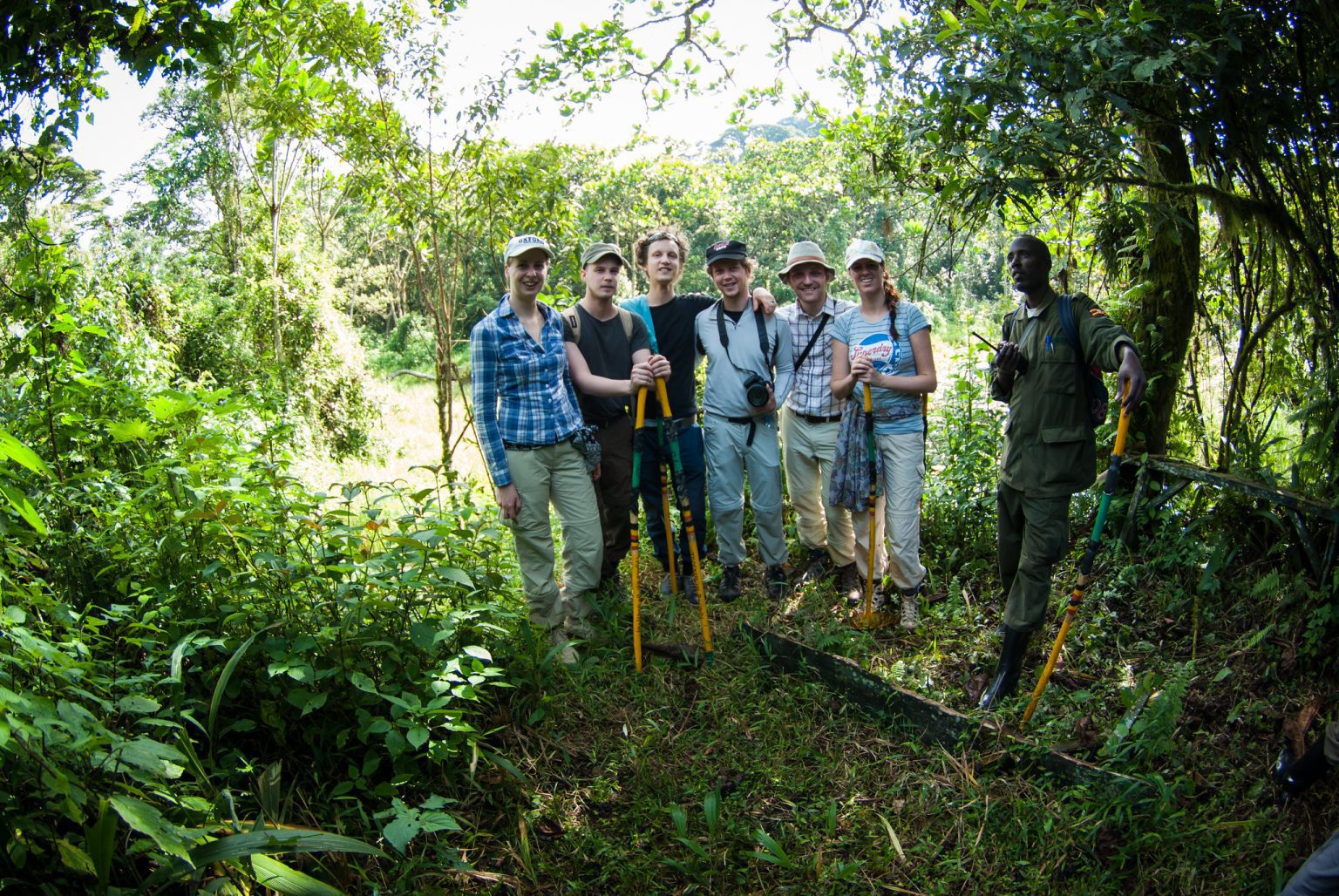
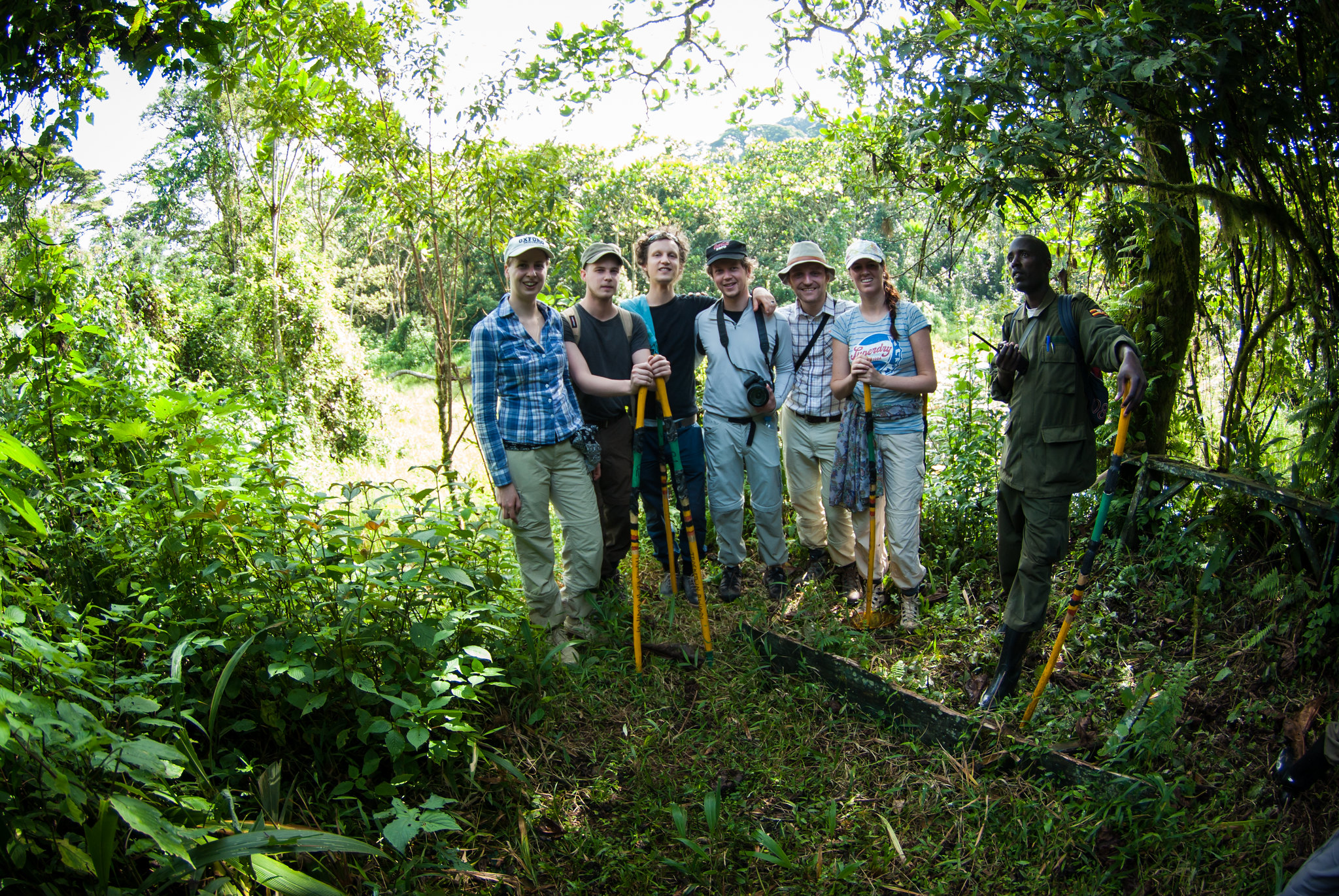
If your trip combines a savannah safari with gorillas, buy for the forest. A trekking shirt does everything a game drive shirt does; the reverse is not always true. Porters can be hired at the trailhead in Bwindi to carry the daypack, which leaves your arms free and the shirt cooler.
Shirts for a Hunting Safari and Walking in Thorn Country
On a hunting safari you spend whole days on foot behind a tracker, often in tsetse country, and the shirt takes a beating. Hunters’ choices help anyone planning long walks in dry thorn bush.
The usual pick is a heavier cotton bush shirt in olive or drab khaki. Names that recur on hunting forums include Westley Richards’ Expedition shirt (thick, warm and expensive), Jonsson from South Africa, Tag Safari’s African made cotton shirts and 5.11 Tactical long sleeves. Lighter technical shirts such as the Sitka Equinox and Kuiu Gila have fans too, though they may need a jacket at dawn. Compare 5.11 Tactical long sleeve shirts or a cotton hunting shirt with a shooting patch. Heavy shirts feel hot in a vehicle by late morning; they earn their keep on foot.
Safari Shirt Colours and What Not to Bring on an African Safari
Colour rules for a safari shirt are simple. Khaki, stone, sand, olive and soft brown hide dust, blend into dry grass and suit every park. Mid greens work in the rainy season and in forest. A pale blue chambray is fine in a vehicle away from tsetse areas.
Leave these at home:
Beyond shirts, leave out hard sided suitcases (small planes need a soft bag such as a safari duffel), plastic carrier bags, which Kenya, Tanzania and Rwanda ban, and hair dryers that overload a camp’s solar system. For the rest of the wardrobe, see what not to wear on safari.
Where to Buy Safari Shirts and Which Brands to Look At
No single safari clothing brand wins. Specialist safari outfitters sell shirts in the right colours with insect treatment and UPF 50+ as standard. African made labels sell the heavier cotton shirts with epaulets most people picture. Columbia, Craghoppers, ExOfficio, Royal Robbins, Patagonia and prAna sell vented travel shirts that do the same work and are easy to find in outdoor chains or online. High street shops suit a linen camp shirt, not the main game drive shirt.
Nairobi, Arusha, Kampala and Johannesburg have outdoor stores, and lodge shops sell logo tees, but sizes run out and prices are rarely lower. Buy before you fly, early enough to wash and wear each shirt once at home, which shows up scratchy seams and short sleeves while you can still swap them.
How Many Safari Shirts to Pack and How to Care for Them in Camp
Most safari lodges and tented camps run a laundry service, often daily, and clothes come back within a day, though some camps will not wash underwear. That keeps the shirt count low.
Light aircraft that hop between airstrips in Kenya and Tanzania limit bags to around 15 kg including hand luggage, and many southern African routes allow about 20 kg. Every spare shirt has a cost. Our African safari packing list and gorilla trekking packing list show where the shirts fit into the full bag.
Camp laundry has its own habits. Clothes are usually dried outdoors and then ironed, partly because some flies in tropical Africa lay eggs on damp washing. Hot irons are hard on thin synthetics, so check the care label before you hand over a technical shirt and ask for a cool iron, or wash those yourself in the shower with a travel laundry soap and hang them in the tent on a braided travel clothesline. Cotton bush shirts do not mind the iron.
Skip fabric softener on treated or UPF shirts, since it coats the fibres, and remember home sprayed permethrin fades with every camp wash. Keep one clean shirt in your daypack on travel days; bags do go missing on regional connections. For what fills those chest pockets, see our safari camera and binoculars guide and the binoculars for safari picks; the safari gear and clothing section holds guides to boots, daypacks and our guide to safari pants and convertible trousers for the lower half.
What is the best shirt to wear on an African safari?
A long sleeved, button front shirt in khaki, olive or stone, made from a light quick drying synthetic or merino, with a UPF rating, a vented back and roll up sleeves. Hunters in thorn country often prefer a heavier cotton bush shirt.
What clothes should I wear on an African safari?
Loose layers in neutral colours: two or three long sleeved safari shirts, a couple of tees, two pairs of light trousers, a fleece or light jacket for cold mornings, a wide brimmed hat and comfortable closed shoes. Add a rain jacket, gloves and gaiters for gorilla trekking.
What not to bring on an African safari?
Camouflage, navy, black and bright colours, heavy denim, smart evening clothes, hard sided suitcases, plastic carrier bags and high wattage hair tools. Too many clothes is the most common mistake, since camps do laundry.
What is the best clothing brand for a safari?
No single brand wins. Specialist safari outfitters and African made labels sell shirts built for the bush, while Columbia, Craghoppers, ExOfficio, Royal Robbins and Patagonia sell vented travel shirts that work just as well on a vehicle safari. Fabric, colour and fit matter more than the label.
Where can I buy clothes for an African safari?
Specialist safari clothing shops, outdoor chains and online stores such as Amazon carry safari shirts in the right colours. Buy at home before you travel; shops in Nairobi, Arusha or Kampala have limited sizes.
How much do safari shirts cost?
Prices vary by brand and fabric. As a rough guide, plain synthetic long sleeve shirts from mainstream outdoor brands often sell for around US$25 to US$50, vented UPF safari shirts from established brands commonly run about US$45 to US$90, and merino, heavy cotton bush shirts or factory permethrin treated shirts usually sit at the upper end or above, often US$70 to US$130. A permethrin spray to treat shirts you already own is much cheaper. Check current listings, since prices change often.
Are insect repellent safari shirts worth it?
In malaria areas and during the rains, yes, as one layer of protection. Permethrin treated fabric repels mosquitoes and ticks that land on the shirt, but it does nothing for bare skin and is less reliable against tsetse flies. Keep using repellent on hands, neck and face, and take antimalarials if your doctor advises them.
Can I wear a white shirt on safari?
At the lodge, on the flight or at dinner, yes. On game drives it turns red with dust within the hour, and on walking safaris it stands out, so keep white for camp.
Can I wear short sleeves on a safari game drive?
Yes, around camp and in the vehicle at midday with sunscreen. Switch to long sleeves at dusk for mosquitoes, on walking safaris, and always on gorilla and chimpanzee treks, where nettles and ants make long sleeves a must.
Is UPF 50 better than UPF 30 for a safari shirt?
Yes, though both are good. UPF 30 blocks about 97 percent of UV and UPF 50 about 98 percent. Fit and wetness often matter more: a loose dry shirt protects better than a tight sweaty one with a higher label.