The best jacket for safari is not one jacket but two light layers: a fleece or packable synthetic insulated jacket for cold dawn game drives, worn under a thin windproof and waterproof shell, both in khaki, olive or brown. Together they weigh little, fold into a soft duffel and cover a freezing open vehicle at 6am, an evening fire in camp and a green season downpour.
Most people pack for heat and get caught by the cold. A moving Land Cruiser with the roof up is a wind tunnel, and plenty of first timers spend their first morning drive wrapped in the camp blanket. This guide covers which warm layer to choose, when you need a rain shell, what to wear for a gorilla trek, colours, and how jackets fit a 15 kg bush flight allowance. For the full outfit, start with our guide to what to wear on safari or the wider safari gear and clothing guide.
Why a Safari Game Drive Gets Cold: Open Vehicles, Altitude and Dawn
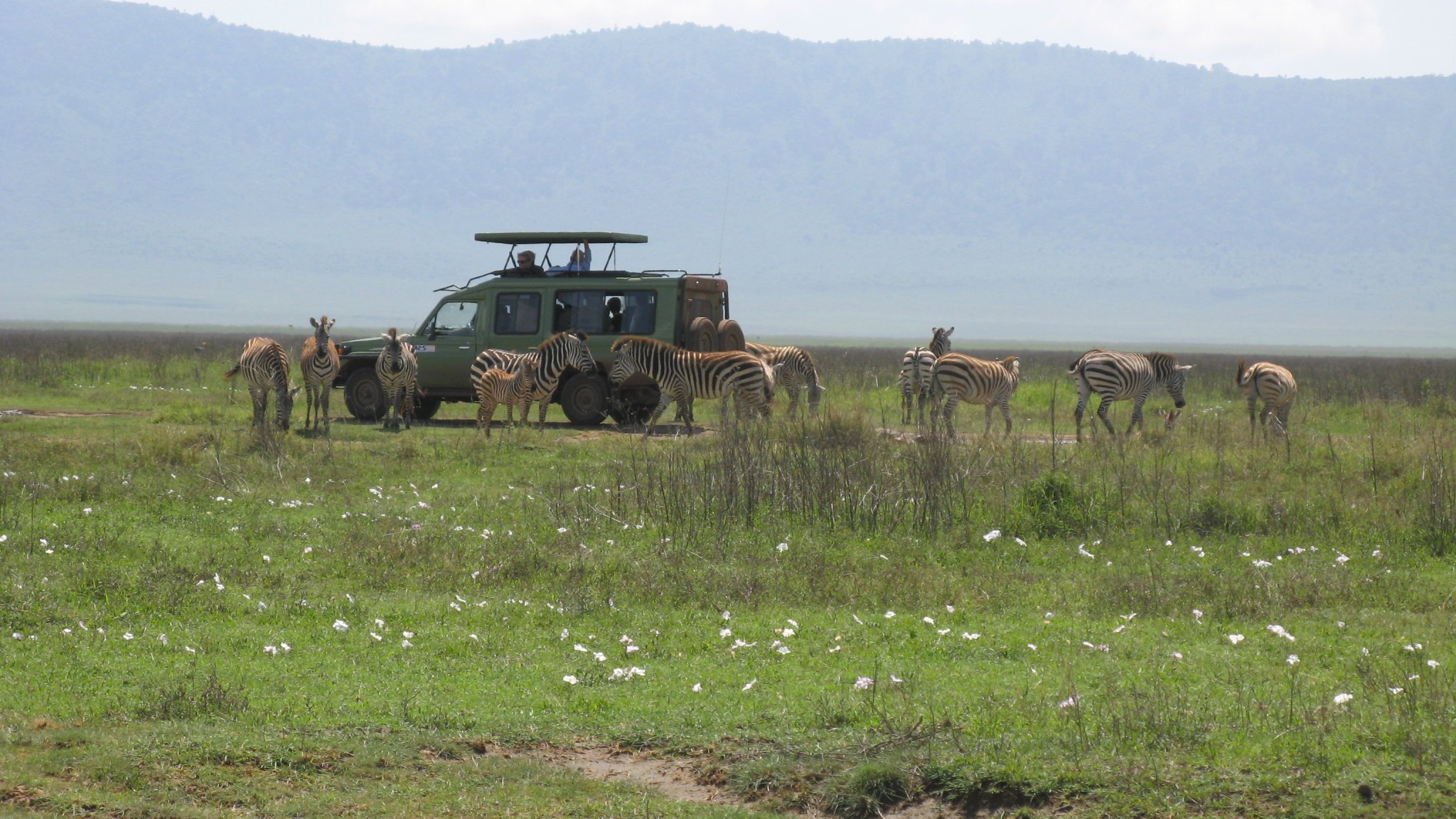
Africa’s heat is real, but a safari game drive keeps different hours. Gates open around sunrise, the best cat activity comes in the first two hours of light, and evening drives run back to camp after dark. Those are the coldest hours of the day.
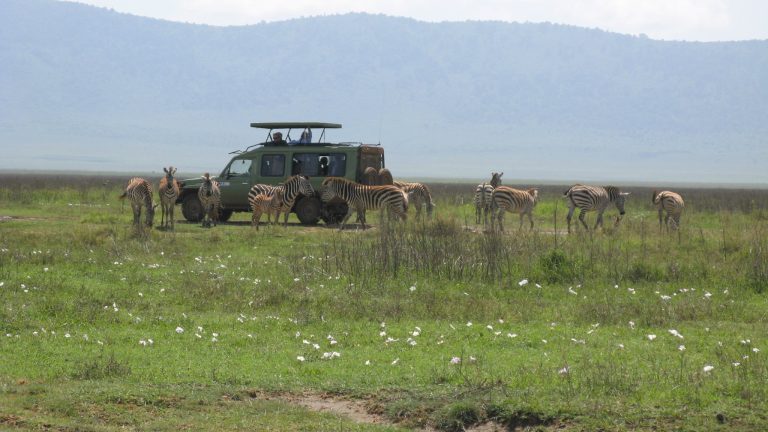
Three things pile on top of the clock. First, altitude. The Serengeti plains and the Masai Mara sit at roughly 1,500 metres, which is high enough for crisp dawns, and the Ngorongoro Crater rim is above 2,200 metres. Then the vehicle. Open sided Land Cruisers in Botswana and South Africa, and the pop up roofs used across Kenya and Tanzania, let the wind straight through once you are moving at road speed. Plus the season: in the southern winter, June to August, mornings in the Okavango Delta and the Kruger start close to freezing before afternoons climb into the mid 20s Celsius.
So the jacket that matters is the one you wear for the first ninety minutes of the day. It comes off by mid morning and goes back on at sundown. Trip reports from July safaris in Tanzania say the same thing again and again: a fleece or light coat, several thin layers, and a scarf or buff for the neck.
Many camps keep blankets or ponchos in the vehicles. Handy, but a blanket over your knees does nothing for your shoulders while you lift binoculars.
Fleece, Packable Down or Softshell for a Safari Game Drive
The warm layer is the heart of your safari jacket system, and three types compete for the job. Each wins in different conditions.
| Layer | Warmth | When damp | Packed size |
|---|---|---|---|
| Light fleece | Moderate | Stays warm | Medium |
| Down puffer | High | Loses loft | Very small |
| Synthetic puffer | High | Stays warm | Small |
| Softshell | Low | Sheds drizzle | Medium |
Fleece is the safe default for an East African safari. It breathes, it dries fast, it does not mind dust, and it stays warm when the morning air is damp. A light or midweight full zip fleece, often sold as 100 or 200 weight, is enough for dawn drives in the Serengeti and the Mara when a shell goes over the top. Choose a full zip so you can vent it as the sun comes up without stripping in the vehicle. Good options include a 200 weight full zip fleece or, for men who want the classic bush colour, a lightweight olive fleece.
Its weak point is wind. Air moves straight through the knit, so on a fast drive across the Ngorongoro rim a fleece alone feels thin. That is why the shell matters.
Packable down gives the most warmth for its weight and packs smaller than anything else, which makes it the pick for Botswana, Zimbabwe, Zambia and South Africa in the June to August winter, and for the Ngorongoro rim. Trip reports from southern winter safaris keep making the same point: Africa is not always hot, and the down jacket people almost left at home ended up on every morning drive. Down hates water, though. It clumps and stops insulating when soaked, so in the rains or in the forest it needs a shell over it. A women’s packable down jacket in olive is a common choice, and the men’s equivalent is easy to find. Climbers heading up Kilimanjaro need far more warmth, which our guide to the best down jacket for Kilimanjaro covers.
Synthetic insulated jackets sit between the two. Brands such as Patagonia, with its Nano Puff jacket, and The North Face with its Thermoball range use synthetic fill that keeps most of its warmth when damp. If you want one puffer that covers a dry winter drive in Botswana and a misty morning in Uganda, synthetic is the more forgiving buy. A men’s packable insulated puffer folds to the size of a water bottle.
Softshell jackets are stretchy, wind resistant and shed light drizzle, and they look tidy at dinner. They are warm enough on their own only for mild evenings. On a cold drive you still want a fleece underneath, so a softshell earns its place mainly as a combined windproof and smart outer layer for travellers who do not want a crinkly rain jacket. Look for a lightweight softshell jacket in olive if that suits you.
Do you need both a fleece and a puffer? Near the equator, at the altitude of most savannah parks, one or the other is enough, with a shell. In the southern winter, or if you feel the cold badly, carry both and layer them. A sleeveless option works too: a quilted vest or fleece gilet keeps your core warm while leaving your arms free for a camera.
The Field Jacket Question: Classic Safari Jackets Against Technical Layers
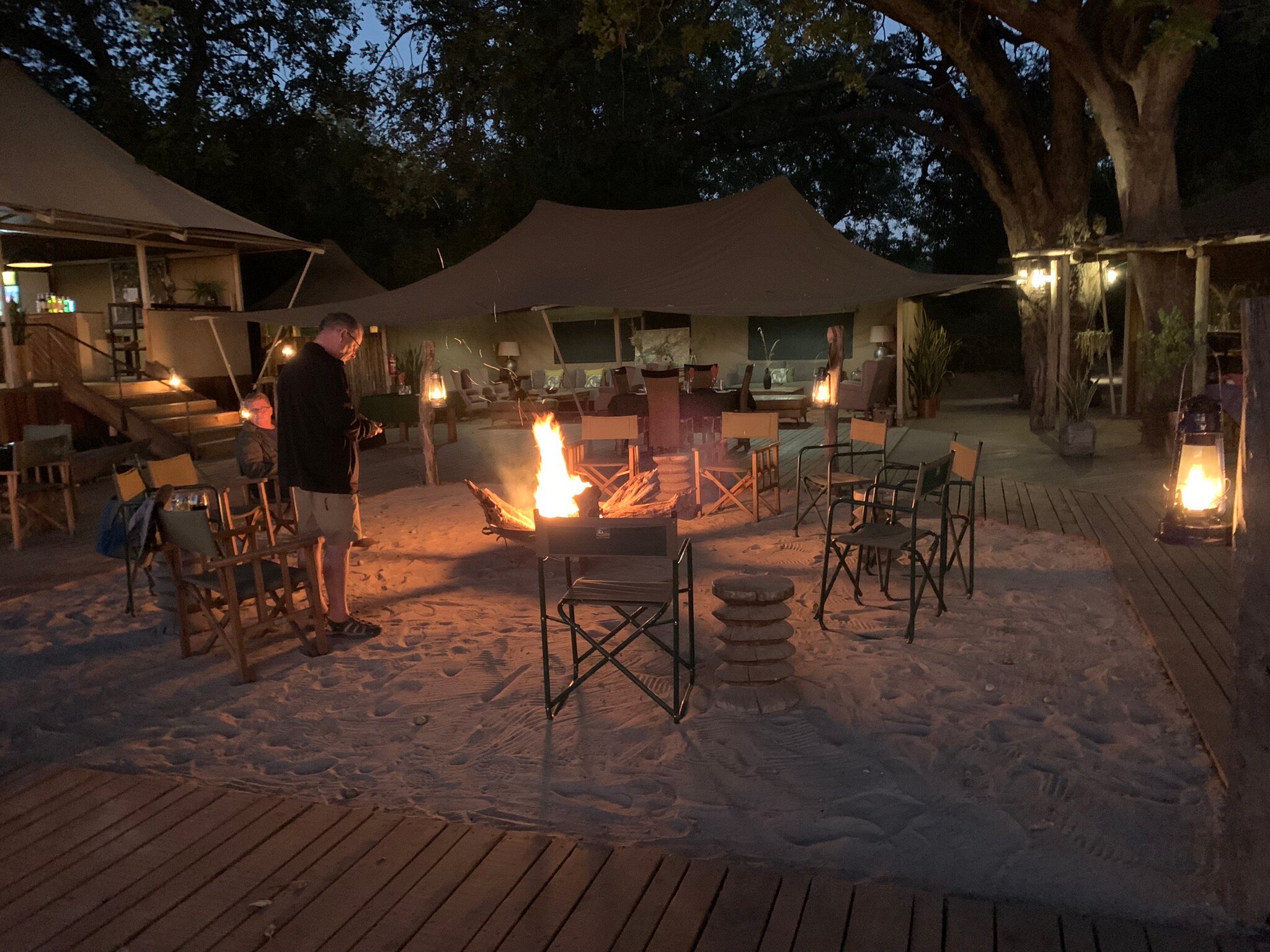
Search for a safari jacket and you will mostly find the fashion item: a belted cotton bush jacket with four patch pockets and epaulettes, the look menswear writers love. It has a practical ancestor, and it still works on a dry season safari as a light outer layer that blocks sun, thorny brush and dust.
Cotton twill or poplin is breathable and quiet when you move, which matters on a walking safari when the guide asks for silence. The pockets are useful for a phone, lip balm and lens cloth. Where it falls short is warmth and rain. A cotton jacket is cold when wet and slow to dry, and it gives little insulation on a dawn drive. Waxed canvas versions resist showers but are heavy and hot by midday.
Our view: treat a field jacket as an optional extra that replaces a long sleeved shirt on cool afternoons, not as your warm layer. If you like the look, a women’s belted safari utility jacket or a multi pocket safari vest gives you the pockets without the bulk. Our safari shirts guide covers the long sleeved layer underneath.
Rain Jackets for Green Season Safaris
A proper rain shell is the one jacket nearly every safari traveller should pack. In the dry season it is your windproof, and on a green season safari it keeps you dry. East Africa’s long rains run roughly March to May and the short rains roughly November to December, while in Botswana, Zambia and the Kruger most rain falls between about November and March. Rain in these months tends to come as afternoon storms rather than all day drizzle, but a storm in an open vehicle soaks you in minutes.
Look for a fully waterproof and breathable jacket with taped seams, a hood with a stiff peak you can adjust, and pit zips to let heat out on muggy afternoons. Packability matters more than technical ratings. A 2.5 layer shell weighing a few hundred grams that lives in your daypack is more useful than a heavy mountain jacket that stays in the tent. Popular choices include the Marmot PreCip Eco, the Columbia Watertight, or any olive waterproof breathable rain jacket.
Some travellers rely on the ponchos that camps keep in their vehicles. That works on a covered drive. On a walking safari, a boat trip or a gorilla trek you are on your own, and a jacket that fits in a daypack beats a flapping poncho on a forest slope.
The Jacket for Gorilla Trekking in Bwindi and Volcanoes
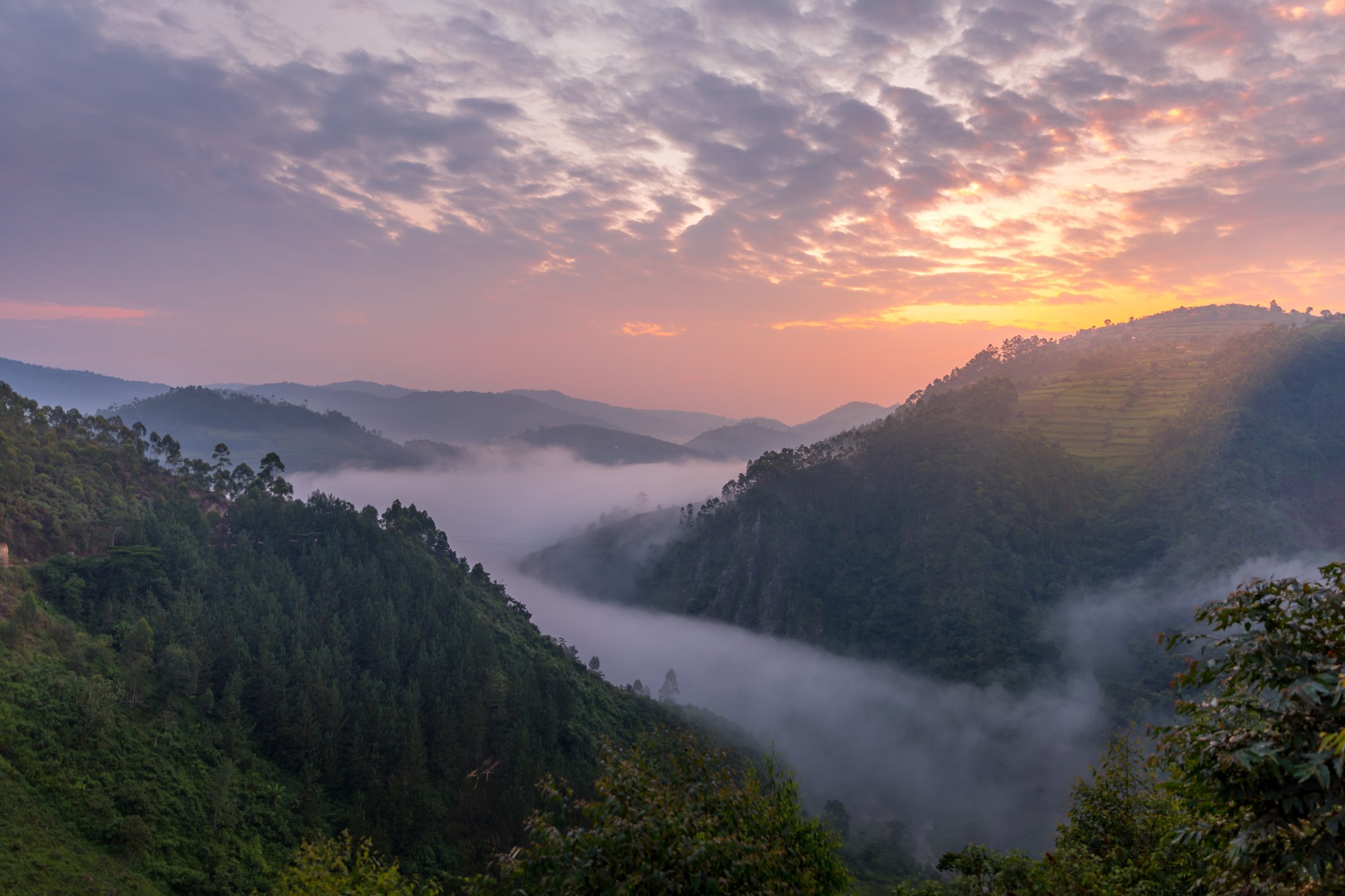
A gorilla trekking safari asks something different of a jacket. Bwindi Impenetrable National Park ranges from about 1,160 to 2,607 metres, and Volcanoes National Park in Rwanda starts higher still. Trek mornings begin cool and damp at the briefing, then you climb steep, muddy slopes through dense vegetation, often in rain, and warm up fast.
Leave the puffer in the lodge. Down is useless once soaked, and you will be too warm in it within twenty minutes of walking. The kit that works is a thin fleece or long sleeved base layer, with a breathable waterproof shell on top that you can unzip, open at the pits or stuff into your daypack when the sun comes out. Choose a shell with a tough face fabric, since stinging nettles and bramble catch thin jackets, and plain sleeves without dangling toggles.
The same rain jacket can serve both halves of a combined trip: windproof on a Masai Mara game drive, rain shell in Bwindi. We cover forest shells, fabrics and fit in depth in our best rain jackets for gorilla trekking guide, so read that before you buy for the forest. Pair the jacket with waterproof gorilla trekking boots and gaiters against mud and safari ants, and see the gorilla trekking packing list for the rest. If you are still planning the trek, our Uganda gorilla trekking guide explains sectors and permits.
Safari Jacket Colours: What Blends In and What to Avoid
The colour rules for a safari jacket are simple, and they matter more for jackets than for anything else because the jacket is the outer layer animals and insects see.
Rain jackets are the trickiest piece to find in safari colours, since many come in blue, red or black. Olive, dark green, grey and brown shells exist from most outdoor brands, so it is worth searching by colour. A grey or charcoal jacket is a fair compromise if you cannot find green. A neutral neck gaiter finishes the outfit and keeps dust and wind off your throat.
Packing Jackets for a 15 kg Bush Flight Safari
On a fly in safari, the light aircraft sets the rules. Airlines serving the Serengeti, the Mara and Uganda’s parks typically allow 15 kg per person in a soft bag, hand luggage included, and operators in Botswana usually allow 20 kg. Jackets are bulky, so they need a plan.
Wear your bulkiest layer on the plane. Long haul cabins are cold anyway, and a puffer or fleece worn on board costs nothing from the allowance. Pack the shell flat at the bottom of your duffel or stuff it into its own pocket. Most packable down jackets weigh well under half a kilo, and a light fleece is similar, so a fleece plus a shell is roughly the weight of a pair of trainers.
What to skip: a heavy ski jacket, a long winter coat, waxed cotton, and a second rain jacket. Our safari duffel bag guide covers bag sizes and airline limits, and the African safari packing list shows where the jackets fit in the full kit.
A Jacket System by Safari Destination and Month
Here is how the layers line up across the main safari trip destinations. Use it with the dates on your itinerary.
Travelling as a family? Children feel the cold on open vehicles faster than adults, so pack them a fleece and a shell too. Our kids safari gear guide lists sizes and options, including a kids full zip fleece. For the full outfit by gender, see safari clothes for women and safari clothes for men, plus safari pants and safari hats.
Safari Jacket Questions Travellers Ask
What is the best jacket for safari in Africa?
For most trips, a light fleece or packable synthetic insulated jacket plus a thin waterproof shell, both in a neutral colour. The fleece handles cold dawn drives, the shell blocks wind in the vehicle and rain in the wet season, and together they fit in a soft duffel.
Is a fleece or a down jacket better for safari?
Fleece for East Africa in the dry season and for anywhere damp, because it stays warm when wet and dries fast. Packable down for the southern winter in Botswana, Zambia, Zimbabwe and South Africa, and for the Ngorongoro rim, where the extra warmth earns its place. Many travellers on those trips carry both.
How cold does a morning game drive get?
Colder than most people expect. In the Serengeti and the Mara a dawn drive feels cool to chilly, and wind on a moving vehicle makes it worse. On the Ngorongoro rim and in Botswana or the Kruger between June and August it can start close to freezing, before warming to the mid 20s Celsius by the afternoon.
Do I need a rain jacket on safari in the dry season?
Usually yes, because the same shell doubles as a windproof on open vehicles and covers you on a gorilla trek, where rain is possible in any month. In the wet season it is the most useful jacket you will pack.
Can I use the same jacket for gorilla trekking and game drives?
Yes. A breathable waterproof shell works on a cold game drive over a fleece, and on a gorilla trek over a thin base layer. Leave down jackets at the lodge for the trek, since they soak through and overheat on steep forest slopes.
What colour jacket should I wear on safari?
Khaki, olive, tan, brown or grey. Avoid dark blue and black in tsetse areas, skip camouflage, and expect white to show dust quickly.
Should I wear my jacket on the plane?
Yes. Wearing your bulkiest warm layer on the flight saves space in your duffel and weight against a 15 kg bush flight allowance, and long haul cabins and early morning airstrips are often cold.