The best shoes for safari are light, closed trail shoes or sturdy trainers in brown, grey or olive, plus a pair of sandals for camp. On a game drive safari you spend most of the day seated in a vehicle, so heavy boots are rarely needed. Pack proper hiking boots only for walking safaris over rough ground, gorilla trekking in Bwindi or Rwanda, and Kilimanjaro.
Footwear is where safari packing lists go wrong in both directions. Some people haul heavy leather boots on a vehicle safari and never need them; others arrive for a gorilla trek in canvas trainers and slide down the first muddy slope. This guide sorts out what each type of safari trip asks of your feet, then covers camp shoes, socks, colours, breaking shoes in and how footwear fits a 15 kg bush flight bag. For the rest of your outfit, see what to wear on safari and the full safari gear and clothing guide.
Shoes for Game Drive Safaris: Trainers, Trail Shoes or Boots
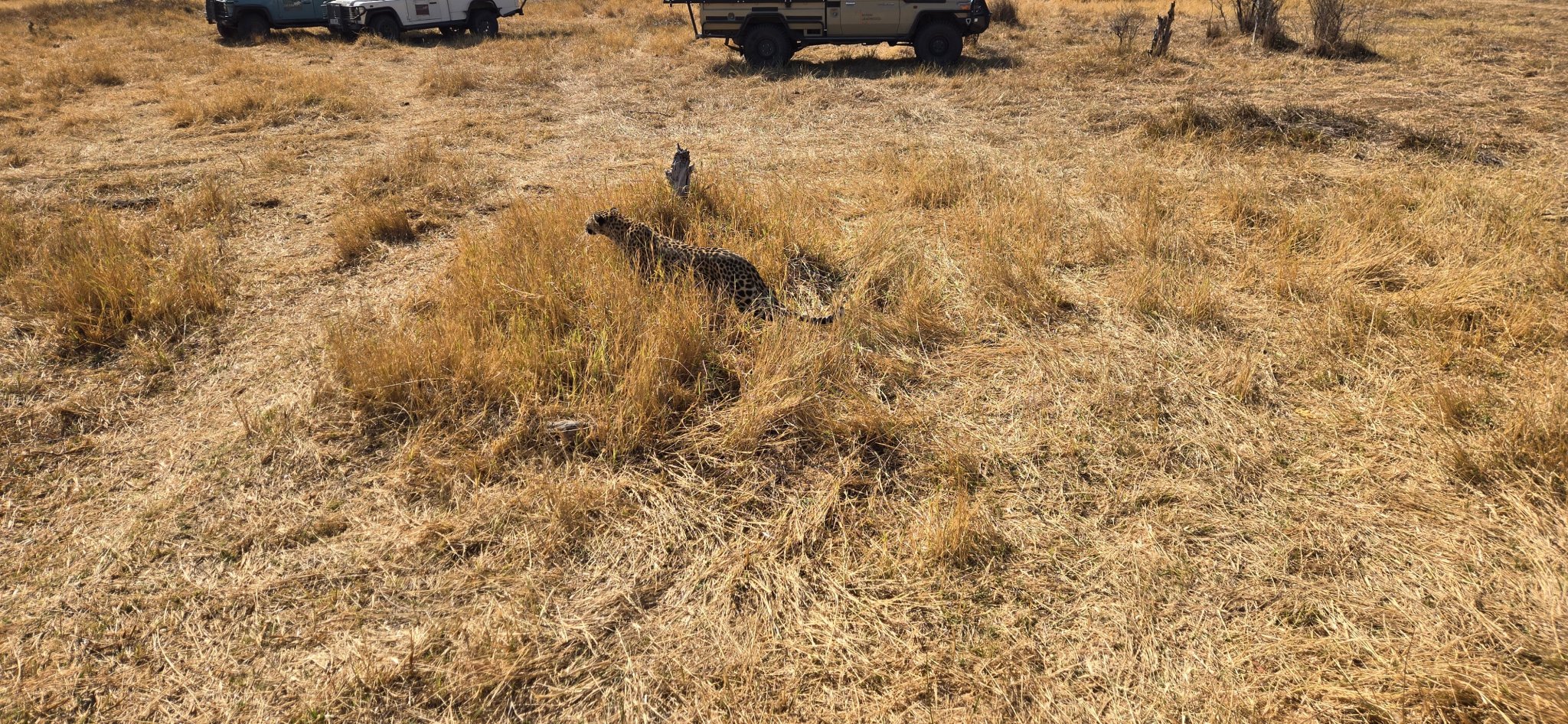
On a classic game drive safari in the Serengeti, the Masai Mara, Ngorongoro or the Kruger, you climb into the vehicle after breakfast and, in most national parks, stay in it except at designated picnic sites, toilets and lodges. Your shoes do three jobs: grip the vehicle step, keep dust and thorns off your feet at a sundowner stop, and stay comfortable for eight hours of sitting with your feet propped on the seat frame.
That makes light trail shoes or sturdy trainers the best shoes for safari drives. Choose a closed shoe with a firm, grippy sole that a thorn cannot push through, and mesh panels so your feet breathe in the midday heat. Thin canvas fashion trainers and flat soled slip ons are the ones to avoid, since acacia thorns go straight through them at the first stop. Long running forum threads on safari footwear agree on this point: if you are only in the vehicle, ordinary athletic shoes are fine, and mesh trail shoes from the big outdoor brands are a favourite.
Do you need ankle support in the vehicle? No. Most of the time you are seated, so sole firmness matters more than collar height. Good choices include men’s lightweight trail walking shoes in brown and women’s lightweight trail running shoes in a neutral colour.
Boots on a pure vehicle safari are not wrong, just heavy. If you like them and they are already broken in, wear them on the plane. Otherwise save the weight.
Walking Safari Footwear: Grip, Thorns and Ankle Cover
A walking safari changes the picture. Guided bush walks in Zambia’s South Luangwa, Zimbabwe’s Mana Pools, Botswana’s private concessions, Tanzania’s Ruaha and Uganda’s Lake Mburo cross uneven, stony ground, dry riverbeds, animal paths and grass that hides holes and thorns. You may walk anything from an hour to most of a morning, and you need to move quietly and stop instantly when the guide raises a hand.
For short walks of an hour or two on dry ground, a trail hiking shoe with a lugged sole and a toe bumper is enough. For longer walks, multi day walking safaris or rocky country, a light mid height boot is better: it keeps grass seeds, sand and small stones out, steadies your ankle on rough ground and stops thorns finding the gap at your sock line. Hunting and walking guides who spend weeks on foot favour taller uppers, or light gaiters over a low boot, for exactly that reason.
Look for a sole that grips loose gravel and a quiet, flexible upper rather than a stiff mountaineering boot. Breathable fabric and suede uppers suit hot, dry walking country. The Merrell Moab Mid and the Salomon X Ultra Mid are two widely sold mid boots that walking safari travellers often choose.
Check with your operator before you go. Some walking safari camps and conservancies set their own rules, usually closed shoes with a proper sole, and a guide can refuse to take you out in sandals. Avoid white or brightly coloured shoes on foot; the guide will thank you. For the rest of the outfit on foot, see our guide on what to wear on a walking safari.
Camp and Lodge Shoes on Safari: Sandals, Slides and Slip Ons
Your second pair is the one you live in at camp. After a dawn drive and a hot midday, getting out of closed shoes is a relief, and most safari camps are relaxed enough that sandals are normal at lunch and around the fire. Travellers who pack sandals often end up wearing them on warm afternoon drives as well.
Choose sandals with a back strap and a real, thick sole rather than flip flops. Camp paths are sandy, uneven and dark at night, and a thin flip flop gives no grip or protection against thorns. Walking guides who prefer boots point out the other problem with sandals in the bush: you stop every few minutes to shake out stones and seeds. For camp that does not matter. For a walk it does.
Good options are closed toe hiking sandals, which also handle a boat safari or a wet camp path, or lightweight slip on camp shoes for the walk from your tent to dinner. At night, wear a closed shoe or a sturdy sandal with a headlamp on unlit paths, and in tented camps tip your shoes upside down and tap them before putting them on, since scorpions and spiders like a warm shoe.
Evenings bring mosquitoes, so many travellers switch back to socks and closed shoes for dinner. Ankles are a favourite target. Our insect repellent guide covers sprays for skin and clothing.
When a Safari Trip Needs Real Boots: Gorillas and Kilimanjaro
Two African trips need genuine hiking boots, and a trail shoe will let you down on both.
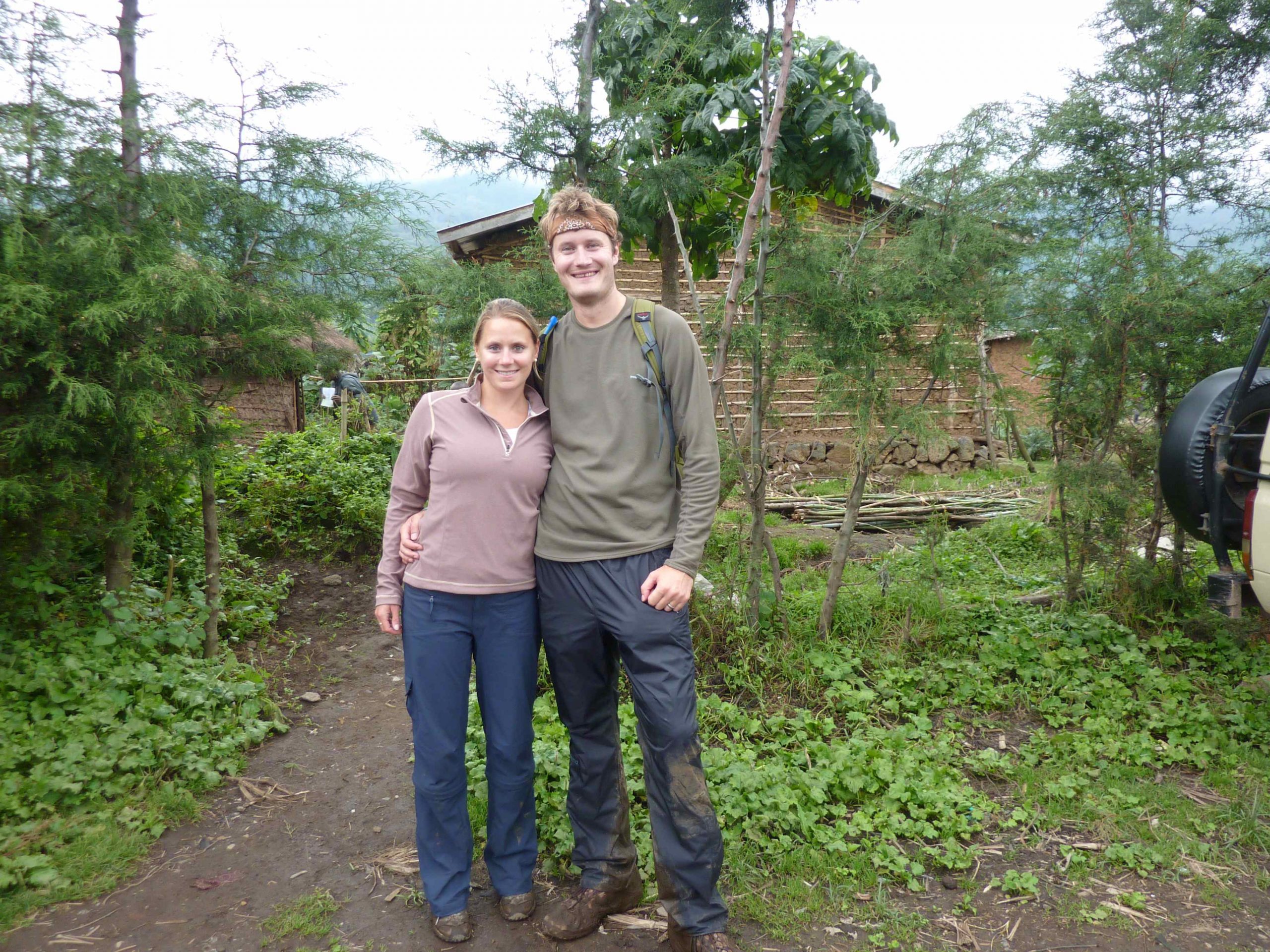
Gorilla trekking in Bwindi Impenetrable National Park, Mgahinga or Rwanda’s Volcanoes National Park means steep, muddy slopes, roots, wet vegetation and sometimes a slide down a bank. A trek can take under an hour or most of a day, depending on where the gorilla family is feeding. Waterproof mid or high boots with deep lugs and firm ankle support are the standard, worn with long socks, trousers tucked in, and gaiters to keep out mud and safari ants. Trekkers who tried it in trainers tend to report wet feet within minutes and very little grip. Our best boots for gorilla trekking guide compares models, fit and waterproofing in full, so use it before you buy. Leather or synthetic, a broken in pair such as a Salomon Quest GTX or waterproof Targhee Mid covers both the forest and a walking safari later in the trip.
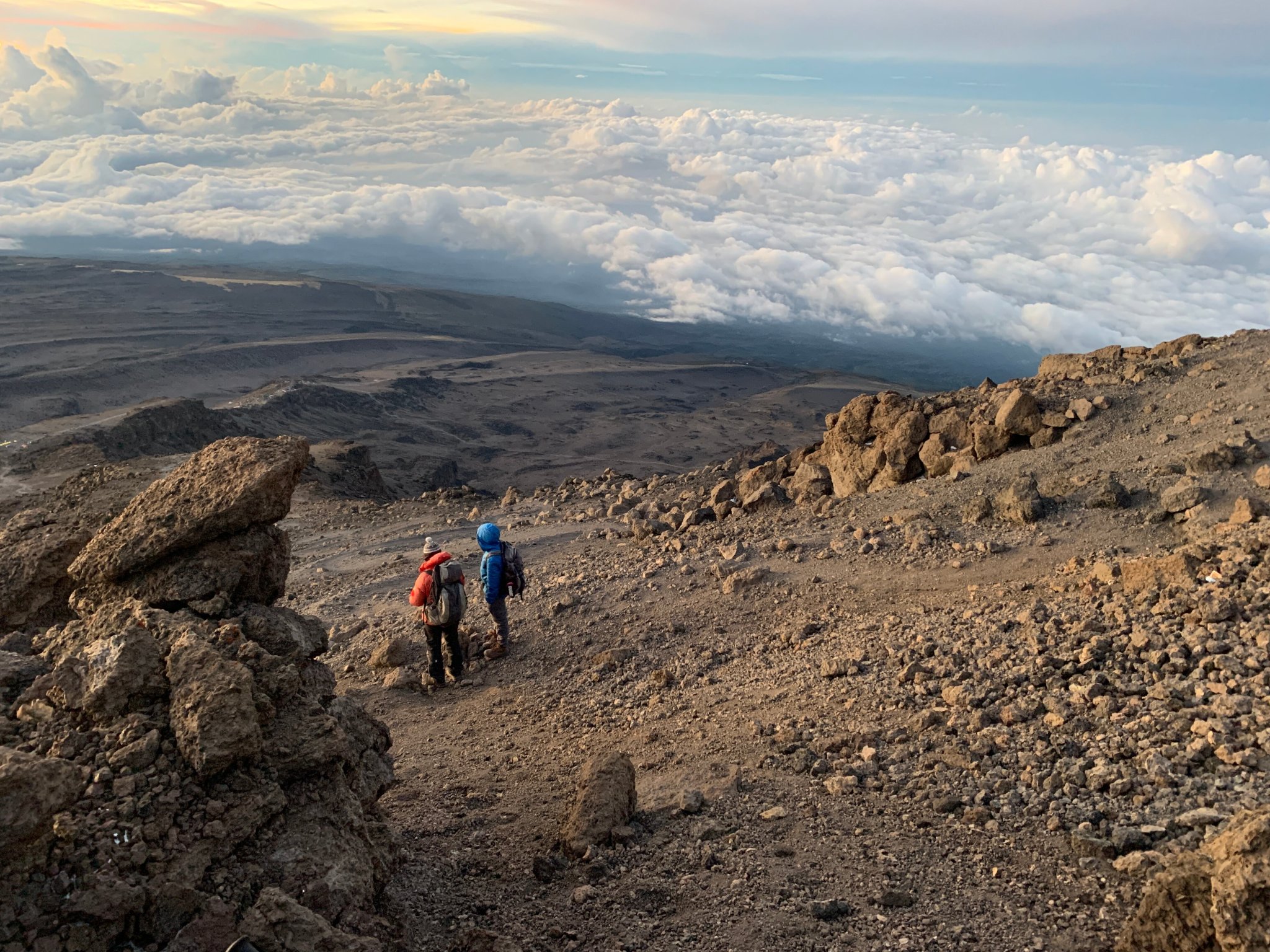
Kilimanjaro is a mountain trek to 5,895 metres, with days of rocky trail, scree on the descent and freezing summit nights. You need properly supportive, waterproof hiking boots with room for thick socks. Our best hiking boots for Kilimanjaro guide and the Kilimanjaro gear list cover the climb in detail.
The useful overlap: if a gorilla trek or a Kilimanjaro climb is on your itinerary, the same boots can serve any walking safari on the trip, and your trail shoes can stay at home. Wear the boots on the plane to save luggage weight.
Safari Shoes by Region and Season
The ground under your feet changes across Africa, and so does the weather. Here is how a safari footwear plan changes with the trip.
| Trip | Main shoe | Second pair | Boots? |
|---|---|---|---|
| Kenya, Tanzania drives | Trail shoe | Sandals | No |
| Walking safari | Trail shoe | Sandals | Light mid |
| Okavango, Chobe | Quick dry shoe | Sandals | No |
| Namibia desert | Breathable shoe | Sandals | No |
| Gorilla trek | Waterproof boot | Trail shoe | Yes |
| Kilimanjaro | Hiking boot | Camp shoe | Yes |
Kenya and Tanzania. Dry season drives raise fine dust that gets into mesh, so a shoe with a tighter weave or a suede toe stays cleaner. In the long rains, roughly March to May, and the short rains around November, black cotton soil turns to sticky mud around camps; a shoe with deeper lugs helps. See the Masai Mara migration safari and Serengeti safari guides for timing.
Botswana and Zambia. Mokoro trips and walks on Okavango islands can mean wet feet, so quick drying shoes beat waterproof ones there. Waterproof membranes keep water out but also keep it in once it comes over the top. Read our Okavango Delta guide and Chobe safari guide for the flood season.
Namibia and southern deserts. Sand is hot by midday and fills low shoes. A breathable shoe with a snug collar works well, and heavy waterproof boots will cook your feet.
Uganda and Rwanda. Rain can fall in any month in the forest parks, and trek trails stay muddy even in the drier seasons. Boots for the trek, trail shoes or sandals for the rest.
Safari Socks and Blister Prevention on Long Trek Days
Socks decide whether good safari shoes stay comfortable. Cotton holds sweat, rubs and stays damp; merino wool or a synthetic blend wicks moisture, cushions the foot and resists odour over several days between laundry runs. Long distance hunters and walking guides often change socks at midday on a long walk, a habit worth copying on a gorilla trek day. Our guide to the best socks for safari goes deeper on sock height, liners and insect treated pairs.
Feet swell in heat and on long flights, so try your safari shoes on in the afternoon, wearing the socks you will pack. A thumb’s width of space in front of your longest toe stops toenail bruising on downhill trek sections. Carry a small blister kit with moleskin in your daypack, and add a supportive insole with arch support if your shoes feel flat. Our travel first aid kit guide lists the rest.
Safari Shoe Colours and the Tsetse Question
Shoe colour matters less than clothing colour, but the same logic applies on a safari trip. Brown, tan, grey, olive and dark green hide red dust and mud, match khaki trousers, and do not stand out on a walking safari. White shoes turn orange within a day on East African roads.
Tsetse flies are drawn to dark blue and black, and they bite ankles readily. In tsetse country, parts of Tanzania, Zambia, Zimbabwe and Uganda’s savannah parks among them, closed shoes and socks that cover the ankle help, in a colour other than navy. Repellent and treated socks matter more than the shade of the shoe itself. Bright neon trainers are fine in the vehicle and conspicuous on foot, so leave them for the gym.
Breaking In and Packing Shoes for a Safari Trip
New shoes on day one of a safari is a recipe for blisters. Wear every pair, boots most of all, on several walks of a few hours at home in the weeks before you travel, ideally on hills and with the socks you will pack. Trail shoes need a few days; stiff leather boots need longer. Before a gorilla trek or a wet season trip, treat leather or fabric boots with a boot waterproofing spray and check the laces.
Then the luggage. Light aircraft into the Serengeti, the Mara and Uganda’s parks typically allow 15 kg per person in a soft bag, hand luggage included, and Botswana operators usually allow 20 kg. Shoes are heavy for their size. The rule that works: two pairs for most trips, a third only when a gorilla trek, a long walking safari or Kilimanjaro is on the itinerary, and always wear the heaviest pair on the plane. Bag muddy boots after a trek in a waterproof shoe bag so the rest of your duffel stays clean.
Trip reports repeat one lesson: on muddy trips, people who packed boots, trail shoes and sandals mostly wore the boots and the sandals. Unless you will walk a lot in the dry, two well chosen pairs beat three. Our safari duffel bag guide covers airline limits and bag sizes, and the African safari packing list puts the shoes in context with everything else. Building the rest of the outfit? See safari clothes for women, safari clothes for men, safari shirts, safari pants and safari hats, and for children, our kids safari gear guide, which covers small feet and kids waterproof hiking shoes.
What Shoes to Wear on Safari: Questions Travellers Ask
What are the best shoes for safari?
For a game drive safari, light closed trail shoes or sturdy trainers in a neutral colour, plus sandals for camp. Add waterproof hiking boots only for gorilla trekking, long walking safaris or Kilimanjaro.
Can I wear sneakers on an African safari?
Yes, on a vehicle safari sturdy sneakers or trail runners are fine, as long as the sole is thick enough to stop thorns. Thin canvas fashion sneakers are the ones to leave at home.
Do I need hiking boots for a safari?
Not for game drives. You need them for gorilla trekking, for Kilimanjaro and for long or rough walking safaris. A light mid boot also suits travellers with weak ankles who plan several bush walks.
Can I wear sandals on safari?
Yes in camp, around the lodge and on many warm game drives. Not on walking safaris or gorilla treks, where guides expect closed shoes. Choose sandals with a back strap and a real sole over flip flops.
How many pairs of shoes should I pack for a safari?
Two for most trips: closed trail shoes and sandals. Add boots as a third pair only when a gorilla trek, Kilimanjaro or a serious walking safari is part of the trip, and wear the heaviest pair on the plane to stay inside a 15 kg bush flight limit.
Should safari shoes be waterproof?
For gorilla trekking and wet season trips, yes. For dry season drives in Kenya, Tanzania or Namibia, breathable shoes are more comfortable, and in the Okavango quick drying shoes beat waterproof ones once water comes over the top.
What colour shoes are best for safari?
Brown, tan, grey, olive or dark green. They hide dust and mud and match safari clothing. Avoid white, and in tsetse areas avoid navy and black.