
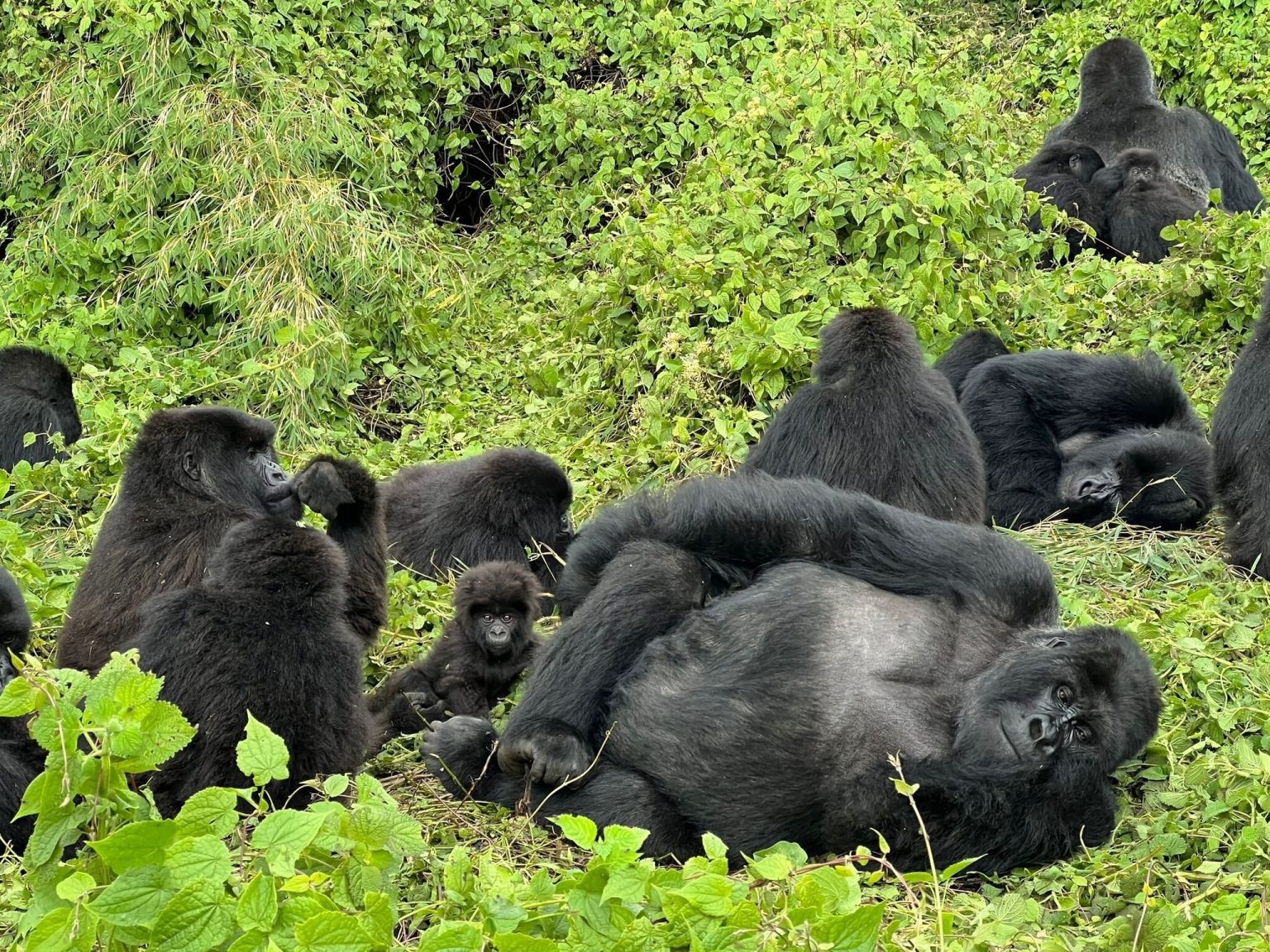
To plan a Rwanda safari, decide how many days you have and which parks to include, then secure a gorilla permit for Volcanoes National Park on a fixed date, and only after that book lodges, transfers and the extra parks around it. Most travellers arrange everything through a licensed Rwandan operator. Rwanda is small, its main roads are paved, and the gorilla trailheads lie a short drive from Kigali’s airport.
That short drive shapes everything. A gorilla trek can fit into a long weekend here, yet a week lets you add chimpanzee tracking in Nyungwe, a Big Five game drive in Akagera, golden monkeys and a night or two beside Lake Kivu. This page sets out the decisions in the order that saves money and stress, with a trip builder, a month planner, a fee chart and a booking timeline, and each step ends with the detailed guides on this site for that decision. Planning a trip centred on Bwindi instead? Our Uganda gorilla safari planner covers that side of the border.
Rwanda Safari Itineraries: How Many Days and Which Route
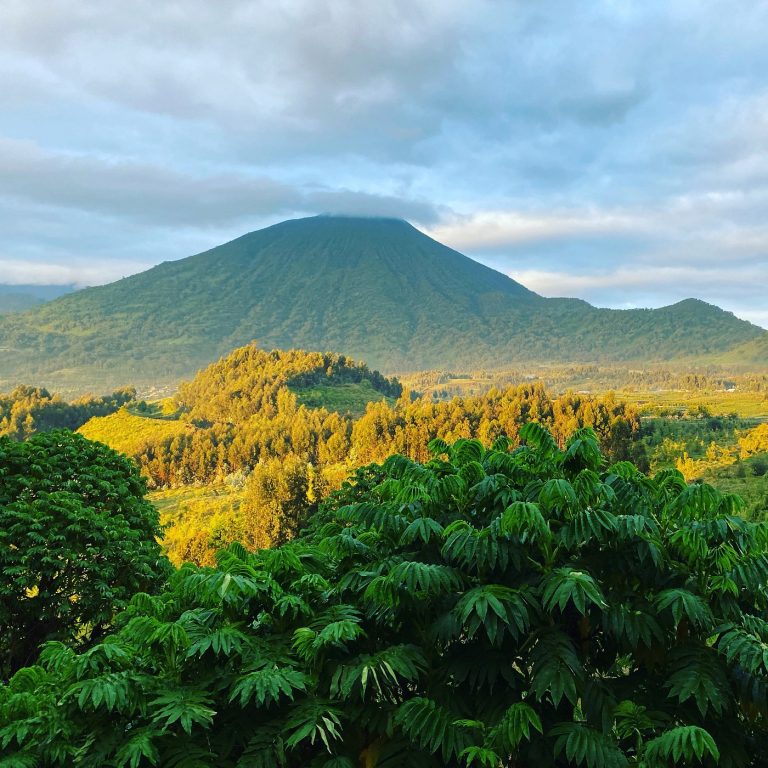
How long should a Rwanda safari itinerary be? For the gorillas alone, one to three days. For the whole country, about a week. Every route starts in Kigali and fans out: north to Volcanoes National Park for gorillas and golden monkeys, east to Akagera for savannah game, southwest to Nyungwe for chimpanzees and the canopy walk, and west to Lake Kivu, which sits neatly between the volcanoes and the forest.
The trip builder matches your days, budget, month and interests to the itineraries already written up on this site, prices the permits and park fees for your month, and applies the November to May permit offer only when the route really spends the qualifying nights in Nyungwe or Akagera.
Rwanda Safari Trip Builder
Pick your days, budget, month and interests. The best matching itinerary is highlighted in the table, with a per person line for permits, park fees and the visa.
Best match
7 day Rwanda safari
Fits 6 to 8 days, with the gorillas, golden monkeys, Nyungwe chimpanzees and Akagera game drives.
- Rwanda gorilla permit
- US$1,500 standard rate, or US$1,050 from November to May with two paid nights in Nyungwe or Akagera and one paid park activity
- Golden monkey tracking
- US$100 in Volcanoes National Park
- Nyungwe chimps and entry
- US$300 chimp tracking US$150 plus park entry US$150 for two nights; the canopy walk adds US$40
- Akagera park entry
- US$150 for two nights; game drives and boat trips are extra
- Rwanda tourist visa
- US$50 single entry where charged; free for African Union, Commonwealth and Francophonie passports
- Permits, park fees and visa per person
- US$2,100 foreign non resident rates, standard months
- Lodges and transport
- US$300 to US$450 per person sharing a night in full board lodges, plus about US$110 a day for a vehicle with a driver guide, shared by the group
Next step: send this shape to two or three licensed operators from the safari company section and compare the quotes.
Not a fit for your choices (6)
| Trip shape | Days | Parks | What it looks like |
|---|---|---|---|
| 1 day gorilla trek from Kigali | 1 | Volcanoes | A pickup in Kigali at about 4 to 4.30am, the 7am briefing at Kinigi, one hour with a gorilla family and back in the city by early evening. Long, but it works for a fit traveller with little time. |
| Rwanda gorilla tours of 1, 2 and 3 days | 1 to 3 | Volcanoes | The 2 day tour adds a night near the park so the trek starts fresh; the 3 day tour adds golden monkeys, a Bisoke hike or a second gorilla family. |
| Budget gorilla trekking in Rwanda | 2 to 3 | Volcanoes | Two days from Kigali with a simple Musanze guesthouse and a shared or public ride north; the permit is most of the bill, so savings come from the bed and the vehicle. |
| Luxury Rwanda gorilla safari | 3 to 5 | Volcanoes | Fly into Kigali, stay at a top lodge beside the park, trek one morning and use the spare day for golden monkeys, a second family or rest. |
| Luxury gorilla trekking in Rwanda and Uganda | 3 to 8 | Volcanoes, often with Bwindi | High end lodges and light aircraft or helicopter transfers, with private treks and the option of a second family across the border. |
| 7 day Rwanda safari | 7, or 5 to 12 with changes | Akagera, Volcanoes, Lake Kivu, Nyungwe | Two nights of Akagera game drives, gorillas and golden monkeys in Volcanoes, a night on Lake Kivu and chimp tracking in Nyungwe, all by road from Kigali. The Nyungwe and Akagera nights can qualify the permit for the November to May offer. |
| Things to do in Rwanda by traveller type | 9 to 16 | Every main park, plus Kigali and the lake | The full country at a slower pace: a second gorilla trek or a Bisoke hike, longer on Lake Kivu or the Congo Nile Trail, the Musanze caves and time in Kigali’s museums and markets. |
| Bwindi gorilla trek from Kigali | 3 to 5 | Bwindi or Mgahinga, Uganda | Land in Kigali, cross the border at Cyanika or Katuna by road and trek in southern Bwindi or Mgahinga, where the permit costs less than in Rwanda. |
| Uganda and Rwanda gorilla safari | 7 to 10 | Volcanoes plus Bwindi or Mgahinga | One gorilla trek in Volcanoes and another in Uganda, crossing by road, often with golden monkeys on the Rwanda side. |
| Gorillas and Masai Mara safari | 8 to 12 | Volcanoes or Bwindi, plus the Masai Mara | A gorilla trek from Kigali, then a flight to Nairobi and three or four nights of Mara game drives; the migration herds are usually there from about July to October. |
Permit and park fees are foreign non resident rates from the Rwanda Development Board, Akagera and Nyungwe price sheets, checked October. Treat every figure as indicative and confirm the rate for your date before you pay. Gorilla sightings are never guaranteed.
Three nights near Volcanoes suits most people: one to arrive, one for the trek, one spare for golden monkeys, the Dian Fossey tomb hike or a climb up Bisoke. Back in Kinigi, the Ellen DeGeneres Campus of the Dian Fossey Gorilla Fund has an exhibition on gorilla research, a replica of Fossey’s cabin and short nature trails, an easy afternoon after a morning trek. Distances are short, yet the roads wind through hills and towns, so drive times run longer than the map suggests.
Park and route guides for Step 1
Rwanda Gorilla Trekking Planning Timeline
Here is the Rwanda gorilla trekking plan laid against the calendar. Only 96 gorilla permits are issued a day, eight for each habituated family, so the dates you want can go months ahead in the dry season. Travelling between November and May? Six months is usually plenty, although the lodges closest to Kinigi fill early in every season.
Rwanda Safari Booking Timeline
Work down from your travel date. Gold markers are the bookings that sell out.
Twelve months out
Pick your travel window and decide whether this is a Rwanda only trip, or part of a longer route with Uganda, the Masai Mara or the Serengeti. For June to September and the Christmas fortnight, start here.
Nine to twelve months out
Shortlist two or three licensed operators and ask each to check gorilla permit availability for your exact date. Families and groups who need several permits on one day should commit now.
Six months out
Permit paid in full and confirmed in writing, with the date and each trekker’s passport name. Lodge near Kinigi booked. If you are using the November to May offer, the Nyungwe or Akagera nights are booked and paid, with receipts. International flights into Kigali booked.
Four months out
Buy travel insurance that covers trekking at altitude and medical evacuation. Book golden monkeys, a Bisoke hike or the Nyungwe chimps if they are on your route, and any RwandAir seat to Kamembe.
Three months out
Start training on hills and stairs, with long downhill walks for the knees. Buy boots now and break them in.
Six to eight weeks out
See a travel clinic about malaria tablets and the yellow fever certificate. Check whether your passport gets a free Rwanda visa, and apply online for the East Africa Tourist Visa if Uganda is on the route.
Two weeks out
Print the permit, visa approval, insurance and yellow fever card. Repack anything in plastic carrier bags into fabric or zip pouches, since Rwanda bans plastic bags at the border.
One week out
Reconfirm pickup times. Carry small, recent US dollar notes for porters and tips. If you catch a cold, tell your operator, because rangers can turn sick trekkers away to protect the gorillas.
Best Time for a Rwanda Safari and When the Permit Offer Applies
Gorilla trekking in Rwanda runs every day of the year, so the choice is about trade offs. The long dry season from June to September brings the firmest trails, thinner grass in Akagera and the heaviest demand for permits. A shorter dry spell from mid December to February is nearly as good underfoot. The long rains peak in April, and a second wet spell runs from about mid October into early December.
Wet months have their own logic. Permit dates are easy to find, lodges discount, and from November to May the international gorilla permit can drop by 30 percent if your route also spends two paid nights in Nyungwe or Akagera. Mornings are often clear even in April. The forest stays green and cold all year, because the trekking zone sits between about 2,500 and 3,500 metres.
Rwanda Month Planner
Rain and crowds peak at different times. The strip shows both for every month, plus the months when the US$1,050 permit offer runs. Pick a month for the detail.
In words: rain is heaviest in April, with a second wet spell from about mid October to early December, and lightest from June to August. Crowds peak in July and August and are thinnest in April. The US$1,050 offer runs from November to May only, and only with a qualifying Nyungwe or Akagera stay.
July in Rwanda
Driest month, peak demand
The best trail conditions of the year; permits for June to September often sell out months ahead.
- Rain
- Lowest
- Trails
- Best
- Crowds
- Peak
- Book permits
- 6 to 12 months ahead
- Gorilla permit
- US$1,500; the offer does not run from June to October
Month by month table
| Month | Verdict | Rain | Trails | Crowds | Book permits | Gorilla permit | What it means for you |
|---|---|---|---|---|---|---|---|
| January | Short dry season, busy | Low | Good | Busy | 3 to 6 months | US$1,500, or US$1,050 with a qualifying Nyungwe or Akagera stay | Good trekking weather once the New Year rush ends, and the offer applies if your week already includes Nyungwe or Akagera. |
| February | Dry and good value | Low, rising late | Good | Moderate | 3 to 6 months | US$1,500, or US$1,050 with a qualifying Nyungwe or Akagera stay | One of the best months to pair dry trails with the lower permit rate. |
| March | Long rains begin | Rising | Muddy | Quiet | 1 to 3 months | US$1,500, or US$1,050 with a qualifying Nyungwe or Akagera stay | Slopes get muddier and Akagera’s grass grows tall, so game is harder to spot. Pack gaiters. |
| April | Wettest month, quietest trails | Highest | Very muddy | Quietest | A few weeks to 3 months | US$1,500, or US$1,050 with a qualifying Nyungwe or Akagera stay | The fewest trekkers and the hardest trails. Kwibuka, the national genocide commemoration, begins on 7 April, a solemn week when public events are muted. |
| May | Wet, easing late | High, easing | Muddy | Quiet | 1 to 3 months | US$1,500, or US$1,050 with a qualifying Nyungwe or Akagera stay | The last month of the offer; late May often dries out and is a strong value window. |
| June | Dry season opens | Low | Good | Busy | 6 to 12 months | US$1,500; the offer does not run from June to October | Firm trails, and Akagera game viewing improves as the grass thins and animals gather at water. |
| July | Driest month, peak demand | Lowest | Best | Peak | 6 to 12 months | US$1,500; the offer does not run from June to October | The best trail conditions of the year; permits for June to September often sell out months ahead. |
| August | Dry, peak demand | Low | Good | Peak | 6 to 12 months | US$1,500; the offer does not run from June to October | Book the permit and the Kinigi lodge first, then the flights. |
| September | Dry, rains due late | Low, rising | Good | Busy | 6 to 12 months | US$1,500; the offer does not run from June to October | Kwita Izina, the gorilla naming ceremony near Kinigi, has often fallen in September or October; RDB announces the date each year. |
| October | Short rains begin | Rising | Fair, muddier late | Moderate | 3 to 6 months | US$1,500; the offer does not run from June to October | Early October can still be dry. Wait for November if the lower permit rate matters more than the weather. |
| November | Wet, offer returns | High | Muddy | Quiet | 1 to 3 months | US$1,500, or US$1,050 with a qualifying Nyungwe or Akagera stay | The first month of the offer, with quiet trails and easy permit dates. |
| December | Rains easing, busy at Christmas | Easing | Fair to good | Busy late | 6 to 12 months for Christmas | US$1,500, or US$1,050 with a qualifying Nyungwe or Akagera stay | Early December is quiet; the holiday fortnight books out like August, and the offer still applies. |
Rain and crowd levels are relative, drawn from long term records for the Virunga and trekking demand, not millimetre totals. Rain can fall in any month. The offer needs two paid nights in Nyungwe or Akagera, or one in each on consecutive nights, plus one paid park activity. Last checked October.
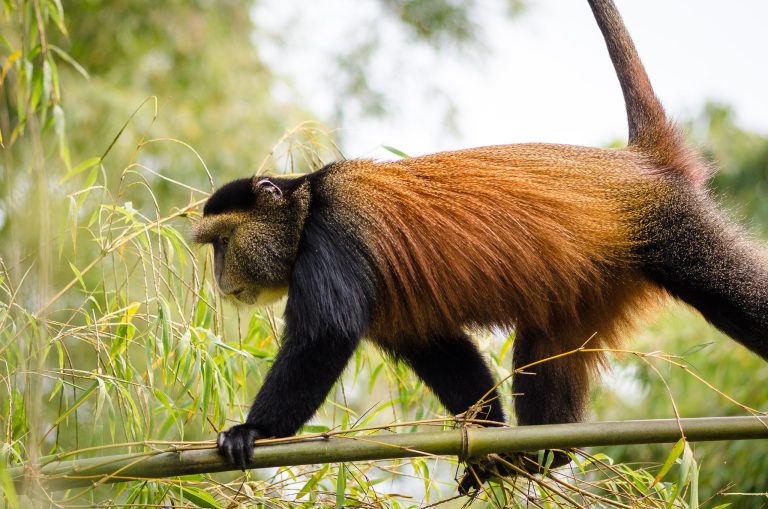
Rwanda Safari Budget: Gorilla Permits, Park Fees and Daily Costs
The Rwanda gorilla permit is the fixed line in every budget, and it costs more than anything else on a short trip. Everything around it moves with your choices: where you sleep, whether the vehicle is shared, how many parks you add. Park entry for Nyungwe and Akagera is charged by the night, so a two night stay costs only a little more than one, and the fourth to seventh nights are free on both price sheets.
Rwanda Permits and Park Fees Compared
Foreign non resident rates per person, in US dollars. The Uganda permit is shown for comparison.
Lodges move the total most. Musanze hotels and park guest houses start at about US$45 to US$100 per person sharing a night, full board mid range lodges near Kinigi run about US$300 to US$450, and the top lodges on the volcano slopes charge from about US$750 to over US$3,000. A vehicle with a driver guide costs roughly US$110 a day, shared by the group, which is why solo travellers pay noticeably more per head. Porters, tips, meals outside full board, insurance and international flights sit on top. On trek day, budget about US$15 to US$30 for a porter including the tip, and about US$10 to US$20 each for the RDB guide and the trackers, paid in cash.
So does the offer pay? On a week that already includes Nyungwe chimps or Akagera game drives, yes: the US$450 saving per person comes free. On a two day gorilla trip it rarely does, because two extra park nights, the transfer and a paid activity usually cost more than the discount.
Cost guides for Step 3
Getting Your Rwanda Gorilla Permit and Choosing a Safari Company
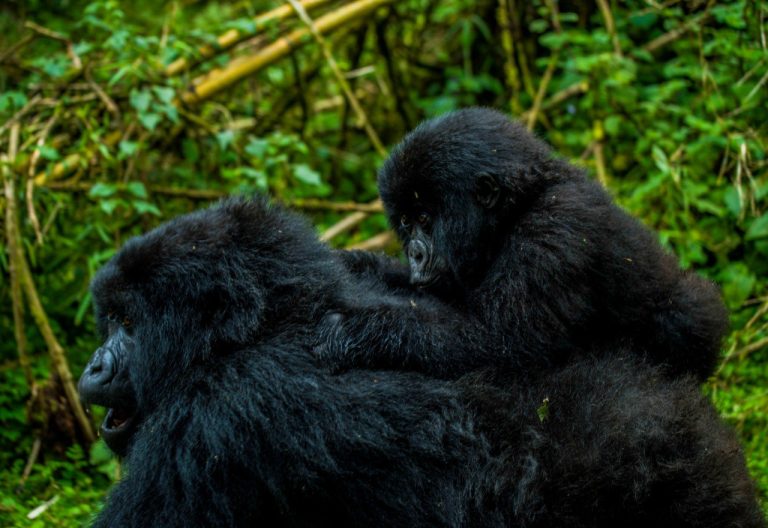
A Rwanda gorilla permit is sold by the Rwanda Development Board, either on its online booking portal, through the government’s Irembo services site, or at the RDB office in Kigali. You choose mountain gorilla tracking, pick a date, enter each trekker’s passport details and pay the full amount by card. The permit is for a date, not a family; rangers assign the families at the Kinigi briefing on the morning, partly by fitness, so tell your driver if you want a short or a long walk.
Booking direct is straightforward for a trek alone. Most travellers still use an operator, because the permit is only one piece: somebody has to drive you to Kinigi by 7am, then on to the trailhead, which is a separate drive the rangers do not provide. An operator also books the Nyungwe or Akagera nights and keeps the receipts if you want the November to May rate, and that discount is applied as a separate RDB service rather than at checkout.
Choose a company you can check. It should hold a current RDB tour operating licence, have a real office in Kigali, control its own vehicles and guides, and send a written quote that names the permit date, each lodge and what is excluded. Ask whether the permit is already secured or only requested. Compare two or three quotes for the same route rather than the headline price, and pay the permit portion to a company that will send you the RDB confirmation. Our list of licensed gorilla safari companies covers operators who work on both sides of the border.
Where to Stay on a Rwanda Safari: Lodges by Park
Book the Volcanoes lodge first, because it decides how early you leave on trek day. Musanze town, half an hour from park headquarters, has the widest choice of simple hotels and guesthouses. Mid range lodges sit closer to Kinigi, with full board and fireplaces against the cold nights. On the volcano slopes are the most expensive rooms in Rwanda: Singita Kwitonda, Bisate, One&Only Gorilla’s Nest, Wilderness Sabyinyo and Virunga Lodge, where a driver guide is still needed every day.
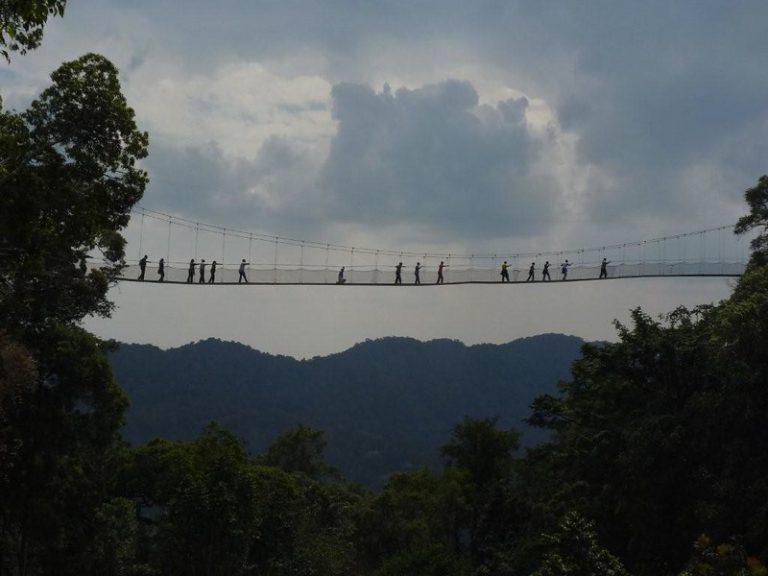
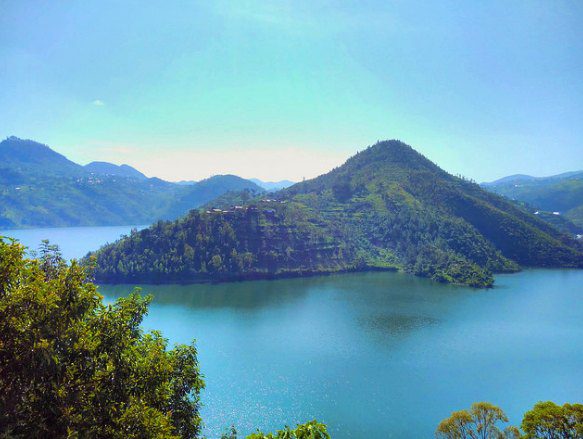
In Nyungwe, lodges cluster around Gisakura on the western edge near the tea estate, and around Uwinka in the centre, closest to the canopy walk and the Mayebe chimps. Pick by where your chimp group is, since the Uwinka trek means a very early drive from Gisakura. Akagera has its lodges and tented camps inside the park, so you can drive out at dawn without paying entry again; sleeping outside the gate means paying each day you drive in. On Lake Kivu, Rubavu in the north and Karongi halfway down the shore both work as a rest stop between the volcanoes and the forest. In Kigali, one night at each end of the trip covers late flights and the Genocide Memorial.
A spare day in Kigali is worth planning rather than filling. The Kigali Genocide Memorial at Gisozi comes first for most visitors, and the church memorials at Nyamata and Ntarama, about an hour south, are often paired on a half day tour. For something lighter, Kimironko Market has fabric stalls and tailors, the Inema Arts Center shows contemporary Rwandan work, and Umusambi Village, a restored wetland on the airport side of the city, keeps rescued grey crowned cranes.

Getting to Volcanoes National Park from Kigali Airport
Nearly every Rwanda safari lands at Kigali International Airport, served by RwandAir and several regional and long haul carriers. From the airport, the road north to Musanze is about 110 kilometres of sealed highway through the hills, and the drive to Kinigi park headquarters takes two and a half to three hours. That is why a trek the day after landing is realistic here, and why a one day trek from Kigali exists at all.
Arriving on a late flight? Sleep in Kigali and drive north the next morning, then trek the day after. Night driving on the mountain road is best avoided. On trek day, drivers leave lodges near Kinigi and Musanze between 6 and 6.30am for the 7am check in, and after the briefing they take you on to the trailhead for your family. Treks last from under an hour to most of the day, at 2,500 to 3,500 metres, so read up on how hard gorilla trekking is before you choose a long or a short family. Porters wait at the trailhead and earn a set fee, which goes to former poachers and local families as much as anyone.
For Nyungwe, RwandAir flies from Kigali to Kamembe near the southern end of Lake Kivu, which cuts a five to six hour drive to a short transfer. Akagera is a straightforward road trip east from the city.

Rwanda Visa, Health and Money for Your Safari Trip
Most visitors get a Rwanda tourist visa on arrival at Kigali airport or apply online in advance through Irembo. A single entry visa for 30 days is charged in many cases, while citizens of African Union, Commonwealth and Francophonie countries enter free for 30 days, and a further list of countries gets 90 days free. If Uganda or Kenya is on the route, the East Africa Tourist Visa covers all three countries on multiple entries for 90 days; apply through the immigration portal of the country you enter first.
Health first. Carry a yellow fever certificate if you arrive from a country with yellow fever risk, Uganda and Kenya among them, and expect health screening at borders when there are outbreaks nearby. Malaria tablets are advised for Akagera, Lake Kivu and the lowlands; the cold slopes around Kinigi carry little risk, yet most routes pass through warmer areas too. Buy safari insurance that covers trekking and evacuation, because a twisted ankle on a volcano slope ends with a stretcher and a long ride.
Rwanda uses the Rwandan franc. US dollars are widely accepted for park fees and lodges, but bring recent, clean notes, since older or torn bills are often refused. Cards work at hotels and larger shops in Kigali and Musanze; carry cash for porters, tips and markets. One rule catches people at the airport: Rwanda bans plastic carrier bags, and they can be taken from your luggage on arrival. On the last Saturday morning of each month, Umuganda community work slows traffic for a few hours, so check your transfer time with your driver. Rwanda ranks among the safest countries in Africa to visit, and Kigali is clean, orderly and easy to walk.
What to Pack for Gorilla Trekking in Rwanda
The Volcanoes National Park slopes are steep, wet and full of stinging nettles, so the gear that matters is simple: waterproof boots with grip, gaiters, gardening gloves, a rain shell, long trousers tucked into socks, two litres of water and a warm layer for the cold 6am start. The bamboo and nettle thickets are worse than in Bwindi, and the mornings colder. Lodges near Kinigi often lend gaiters and rain jackets, which saves space if you fly between countries with tight bag limits. For Akagera’s game drives, switch to khaki, olive or tan and leave dark blue and black in the bag, since tsetse flies in the savannah are drawn to those colours.
Packing guides for Step 7
Combining a Rwanda Safari with Gorilla Trekking in Uganda
Many travellers add gorilla trekking in Uganda to a Rwanda trip, and the border makes it easy. From Musanze, the Cyanika crossing is about half an hour away, and southern Bwindi and Mgahinga lie a few hours beyond. Two treks mean two forests and two different families: the open bamboo slopes of the Virungas against the steep, dense rainforest of Bwindi. The Uganda permit also costs less, which offsets part of the second trek.
There are two common shapes. A Uganda and Rwanda gorilla safari of seven to ten days treks once in each country, either as a loop from Kigali or one way from Entebbe. Short on time, or on budget? A Bwindi gorilla trek from Kigali skips the Rwanda permit entirely, using Kigali’s airport for the shorter drive. Check that your visa covers both countries; the East Africa Tourist Visa usually does.
Not sure which side suits you? The deciding factors are days, budget and how much else you want to see, and our comparison sets them out. If Uganda becomes the main event, switch to the Uganda gorilla safari planner linked in the introduction.
Responsible Gorilla Trekking in Rwanda: Rules, Kwita Izina and Communities
Mountain gorillas catch human colds and flu, so the gorilla trekking rules exist for their health as much as yours. Keep at least seven metres away, stay with your group, use no flash, and turn away to cough. The hour with the family is strict. Anyone who is ill should say so; rangers can stop a sick trekker from joining, and the permit is not refunded.
The money matters too. RDB pays 10 percent of park revenue to the communities around its parks, which has built classrooms, water points and health centres around Kinigi. Former poachers work as porters and at the cultural village, and the community association that owns Wilderness Sabyinyo earns from every night sold. Hiring a porter, buying crafts locally and tipping trackers directly all keep more of your spend near the park.
Each year Rwanda names the gorillas born in the previous twelve months at Kwita Izina, a public ceremony near Kinigi. Its date moves, so watch RDB’s announcements if you want to time a trip around it. The Virunga population has grown steadily under this protection, as the latest mountain gorilla census shows, and our guide to mountain gorillas in Africa explains where the rest live. Travellers with limited mobility can still trek: see our guide to gorilla trekking for disabled and special needs travellers, which covers carried chairs and the shortest families.

Rwanda Safari Planning FAQ
How many days do I need for a Rwanda safari?
Three days covers the gorillas without rushing: arrive, trek, and keep a spare day for golden monkeys or a hike. A week adds Nyungwe’s chimpanzees, Akagera’s game drives and Lake Kivu. With nine days or more you can add a second gorilla trek, Kigali’s museums or a crossing into Uganda.
How much does a Rwanda gorilla trekking safari cost?
The gorilla permit is US$1,500 per person, or US$1,050 from November to May when the trip also includes two paid nights in Nyungwe or Akagera, or one in each on consecutive nights, plus one paid park activity. A one day trek from Kigali starts at about US$1,750 per person; a week with Akagera, Nyungwe and Lake Kivu runs from roughly US$2,800 to US$3,600 each at a modest level, and top lodges push a trip past US$10,000.
What is the minimum age for gorilla trekking in Rwanda?
Fifteen. Nyungwe’s chimpanzee tracking also starts at 15 under the park’s own rules, while golden monkey tracking is usually open from 12, so families with younger teenagers often split up for a morning. The canopy walk takes children from about six with an adult.
Can I plan a Rwanda safari without a tour operator?
Yes. You can buy the permit on the RDB portal or through Irembo, hire a car with a driver in Kigali and book lodges directly. The hard parts are the 7am check in at Kinigi and the onward drive to the trailhead, which rangers do not provide, so independent trekkers still need a driver for the day.
Is Rwanda or Uganda better for gorilla trekking?
Rwanda is faster: the trailheads are about two and a half hours from an international airport and the slopes are more open. Uganda has more gorilla families and permits, a cheaper permit and a fuller safari around it. The hour with the gorillas is much the same in both.
Do I need malaria tablets for Rwanda?
Most travel clinics advise them, because Akagera, Lake Kivu and the lowlands carry risk, while the cold Volcanoes slopes carry little. Carry a yellow fever certificate too if you arrive from a country with yellow fever risk, Uganda and Kenya included.
How fit do I need to be for gorilla trekking in Volcanoes?
Reasonably fit. Treks start around 2,500 metres and climb through mud, bamboo and nettles, and a walk can last under an hour or most of the day. Tell your driver if you need a shorter family, hire a porter for your bag, and use a walking stick on the way down.
Is it safe to visit Rwanda right now?
Rwanda is widely regarded as one of the safest countries in Africa for visitors, with low crime, good roads and a visible police presence, and the parks, lake towns and Kigali run as normal. Fighting in eastern Congo has at times affected the areas around Goma and Bukavu, across the border from Rubavu and Rusizi, so read your government’s current advice before you book and again before you fly, and do not plan a crossing into Congo without checking it.
Is Rwanda a good vacation destination?
Yes, especially for a first trip to Africa. One small country with good roads holds mountain gorillas, chimpanzees, a Big Five savannah in Akagera, Lake Kivu and the memorials of Kigali, with short drives between them. The trade off is price, since the gorilla permit costs more than in Uganda, which is why many travellers pair the two.
Can you wear blue or red in Rwanda?
Yes. No rule bans either colour. The advice to avoid dark blue and black comes from tsetse flies, which are drawn to them, and it matters mostly on Akagera’s game drives. Bright red and white simply stand out and show the mud, so muted greens, browns and khaki work best on a gorilla trek.
How do you go to the bathroom on a gorilla trek in Rwanda?
Use the toilets at the Kinigi park headquarters before the briefing, since there are none in the forest. If you need to go on the trail, ask your guide, who will lead you a short way off it, dig a hole and cover it afterwards. Carry tissues, hand sanitiser and a small bag, because nothing may be left in the park.