Ngorongoro safari tours come in three shapes: a one day crater trip from Arusha, Moshi or Karatu, an overnight tour with a night on the rim or in Karatu, and two to four day packages that add Tarangire, Lake Manyara or the Serengeti. Almost everyone books a guided 4×4 through a licensed Arusha operator, private or shared. Each format centres on a game drive of up to six hours on the crater floor, northern Tanzania’s best bet for black rhino.
This page helps you pick the format and judge the quotes that come back. We are an independent guide, not a tour company. The crater itself, its rules and its lodges are covered in depth in our Ngorongoro Crater safari guide, and every fee and price range sits in the FAQ.
Ngorongoro Crater Safari Tours at a Glance: Which Format Fits
A Ngorongoro crater tour always holds one fixed thing: a game drive on the crater floor of up to about six hours, in a 4×4 with a licensed guide. How far you drive to reach it, where you sleep and what comes before and after is what separates one tour from another. Picking the right format matters more than picking the operator. No guide can give back hours spent on the road.
Three questions narrow it fast. How many days do you have? How much driving will you put up with? And is the crater the whole point, or one stop on a longer northern circuit? If it is one stop, our Tanzania safari packages guide compares the longer routes.
Ngorongoro Crater Day Trip Tours from Arusha, Moshi and Karatu
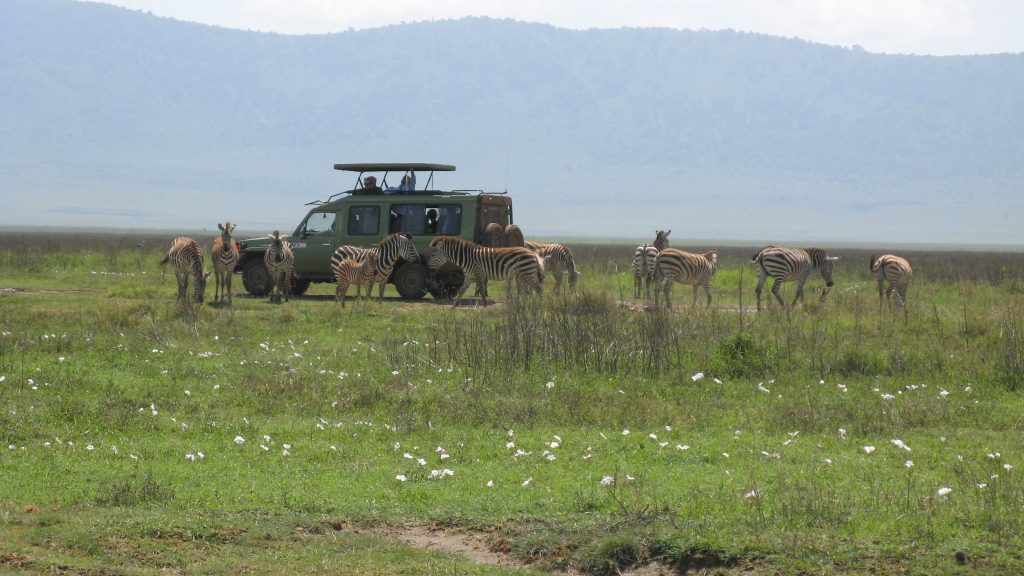
The Ngorongoro day trip is the most searched crater tour and the one people are most divided on afterwards. It works. It is also very long. The crater lies about 180 kilometres west of Arusha, on tarmac past Mto wa Mbu and up the Rift Valley escarpment to Karatu and the Lodoare gate: allow three to four hours to the gate, then the climb through rim forest.
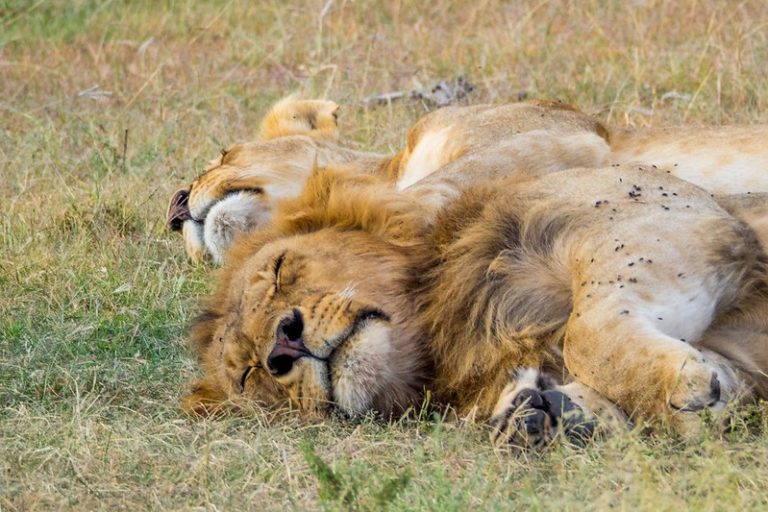
Notice what that does to the crater hours. Arriving from Arusha, you miss the quiet first light and leave before late afternoon, so most day trips deliver four or five hours on the floor, not six. Trip reports that rate the day well usually mention lions, a distant rhino and a guide who used the time well. The others mention a late pickup, a breakdown on the escarpment, or lunch eaten in the vehicle because the rain came.
From Moshi, add roughly an hour and a half each way, so pickup moves to about 5am. Climbers do it, though a night in Arusha or Karatu first is kinder. From Karatu or Mto wa Mbu the day becomes easy: Karatu is twenty to thirty minutes from the gate, so you can be at the descent road when it opens and still have the afternoon free for a coffee farm walk.
Who is the day trip for? Travellers with exactly one free day, and people just off Kilimanjaro who want the crater before flying home. Families with small children usually do better overnight.
Overnight Ngorongoro Safari Tours: Rim Night or Karatu Night
An overnight Ngorongoro safari tour fixes both weak points of the day trip. You drive out in the afternoon, sleep close by, and reach the descent road when it opens at about 6am, which is when the floor is quietest and the cats are still moving.
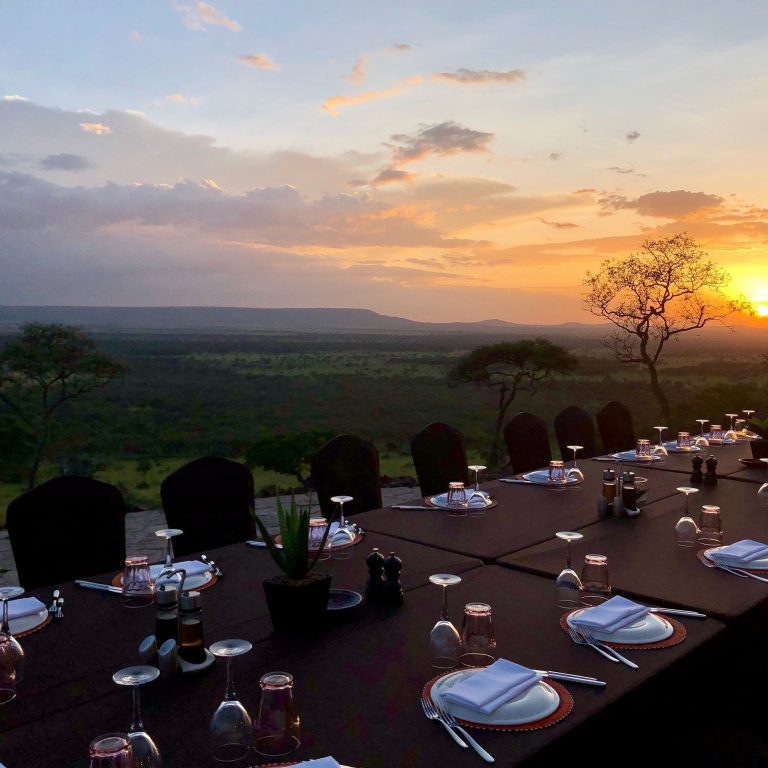
Where you sleep is the main decision. A rim lodge or camp puts you ten to forty minutes from the descent road with a view into the caldera, but adds a nightly concession fee, and rim nights at about 2,300 metres are cold and often misty. The big rim lodges sit on the southern and western edge; small tented camps such as Lemala Ngorongoro, Lions Paw and Entamanu Ngorongoro sit on the eastern and northern rim near the Lemala road, which helps with an early descent. A Karatu lodge is warmer and cheaper, among coffee farms and highland gardens, with an extra half hour or more in the dark each morning.
If the crater is the one place you care about, the rim night is money well spent. If it is one stop of several, Karatu is fine. Buffalo and elephant walk the rim lodge driveways after dark, so staff walk you to your room at night, which surprises people the first evening. The safari lodges guide explains how lodge tiers compare across the region.
Two and Three Day Ngorongoro Safari Packages with Tarangire and Lake Manyara
The short Ngorongoro safari package most Arusha operators sell pairs the crater with Tarangire, Lake Manyara or both. All three lie within about two hours of each other on good roads, so daylight goes on animals rather than driving. It is also the package most often added after a Kilimanjaro climb. To weigh Tanzania against other destinations, see our guide to the best African safari countries.
Tarangire is the park people undersell before the trip and talk about after it, especially from June to October, when elephant families come down to the river. Manyara is smaller and greener, good for birds and baboons, and its tree climbing lions are a bonus rather than a promise. Three days is where a Ngorongoro safari package stops feeling rushed.
Short Ngorongoro and Serengeti Safari Tours, Including Calving Season at Ndutu
Plenty of travellers want both names on one short trip. A Serengeti and Ngorongoro safari tour fits into three or four days, but the central Serengeti is seven to eight hours from Arusha by road, through the conservation area. Short packages either fly one leg or spend much of the trip driving.
Two patterns work. Drive out through the highlands to the Serengeti, spend a night or two, and descend into the crater on the last morning. Or fly to a Serengeti airstrip, drive for a day and a half, then go to the rim for a dawn descent. Our 4 day safari tour and 5 day Tanzania safari pages lay out both, and the Serengeti safari guide explains which area suits which month.
If you only have time for one, which should it be? The crater is short and dense: a small floor, black rhino, and a fair chance of lion, elephant and buffalo before lunch. The Serengeti is more than fifty times bigger and gives you the herds, long cat hunts and drives with no other vehicle in sight, at the cost of a long road or a flight. On two days, choose the crater. On four, do both.
From about December to March, a short tour has a better option. The herds spread across the short grass plains around Ndutu, inside the conservation area on the Serengeti boundary, and calving peaks around February. A three or four day calving season safari based near Ndutu reaches the crater easily and skips the long haul to Seronera. The great wildebeest migration guide tracks the herds, and our migration safari packages page matches each month to a trip.
What a Crater Game Drive Tour Shows You: Wildlife, Lerai and Lake Magadi
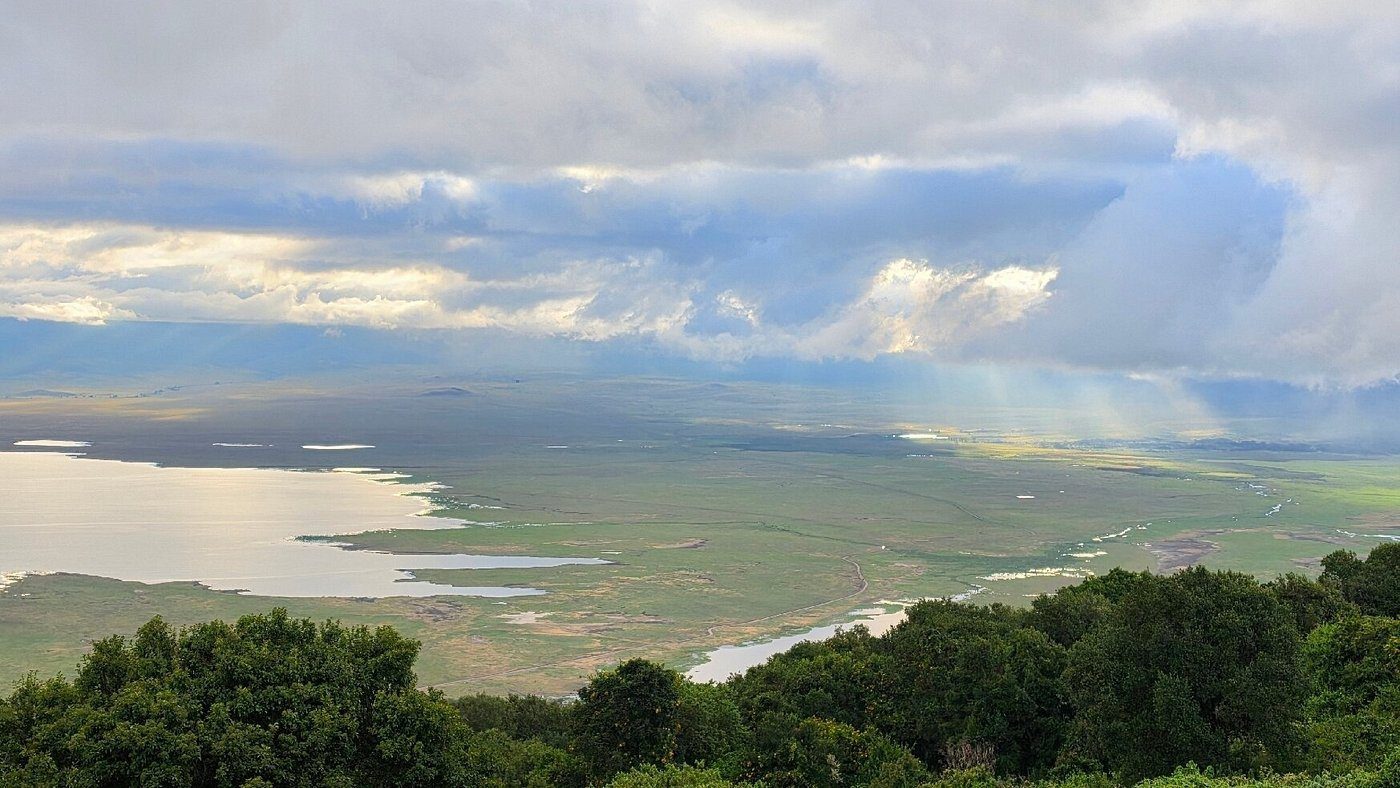
Every crater game drive tour follows roughly the same loop, because the floor is only about 260 square kilometres and the roads are fixed. Vehicles come down the Seneto road on the western wall, which is one way, and climb out on the Lerai road in the south. Knowing the loop helps you judge whether a guide is working hard or just driving it.
Lake Magadi, the shallow soda lake near the middle, often has flamingos at its edges, though numbers rise and fall with the water. The Lerai Forest of yellow fever trees in the south west is where guides look for elephant bulls and, with luck, a leopard. The grassland to the north, fed from Olmoti, holds the big herds of wildebeest, zebra and gazelle and the lions that follow them. Ngoitokitok Spring in the east has hippos and the main picnic site.
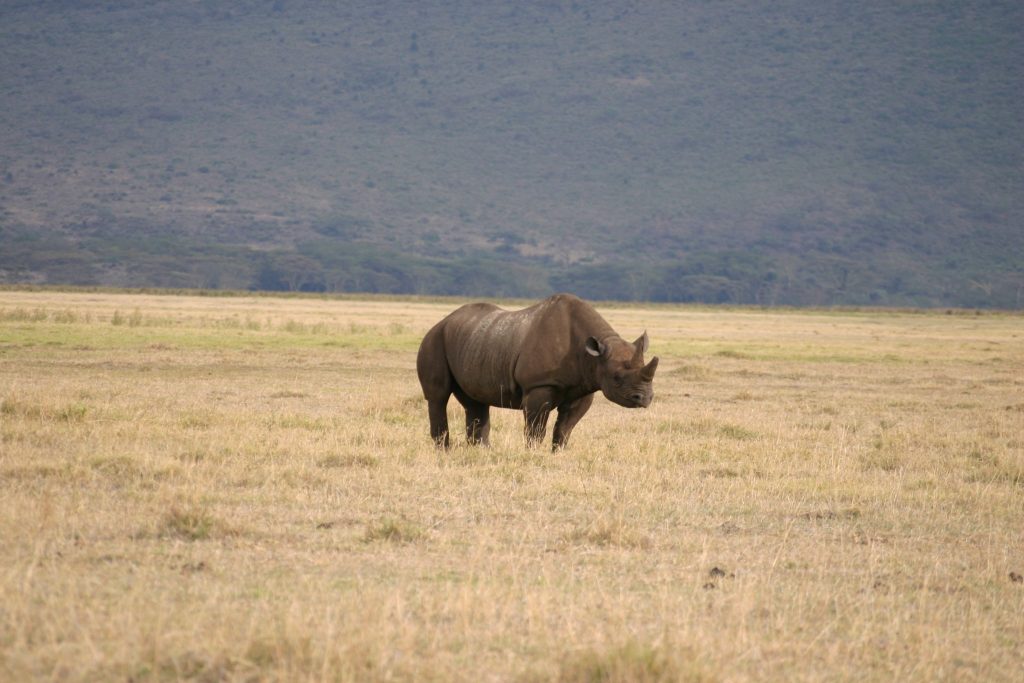
Lion, buffalo, spotted hyena, elephant bulls and black rhino are all regular, which makes the crater one of the most practical places in Africa to try for the Big Five in a morning. Leopard needs luck. Giraffe are absent from the floor, since the walls and the lack of browse keep them out, though you will see them on the rim road. Rhino often rest far out on the open grass, so a sighting may be at a few hundred metres; guides share them by radio. The floor rules matter on tour day too: no walking, no off road driving, and nobody gets out except at the picnic sites.
The caldera formed when a large volcano collapsed between two and three million years ago, and the whole conservation area is a UNESCO World Heritage Site for both its wildlife and its human origins sites. Our Ngorongoro Crater safari guide goes zone by zone.
Empakaai, Olduvai, Laetoli and Lake Natron Add On Tours from the Crater
Most crater tours see the floor and leave, yet the conservation area is around thirty times bigger. The Empakaai crater hike is the best add on for walkers: a steep sided caldera about two and a half hours north of the main crater, with a soda lake that often holds flamingos. An armed ranger leads you down a forest trail to the shore and back, which takes most of a day with the drive, so it needs an extra night. The climb back up is steep, and our trekking poles guide covers what helps. The shallower Olmoti crater walk, from the village of Nainokanoka, is a gentler half day.
An Olduvai Gorge tour is the easy one, a short stop on the road west with a small museum at one of the most important early human sites in the world. Fossils and stone tools there reach back nearly two million years. The Laetoli footprints, further south, are around 3.6 million years old; the trackway itself is covered for protection, so what you see is the museum display and casts. Nearby, the Shifting Sands is a black ash dune that creeps across the plain by several metres a year.
Lake Natron, north east of the highlands on a rough road, is hot and empty, with flamingos, a waterfall walk and a night climb of Ol Doinyo Lengai for the fit; it belongs on a trip of four days or more. Lake Eyasi offers an early walk with a Hadzabe hunting party and a visit to Datoga blacksmiths, and a rim walking safari or a Maasai boma visit fills a half day near the crater. Agree the boma fee in writing first, since some visits turn into a long stop at a craft stall.
Birding, Photography and Family Ngorongoro Tours
A Ngorongoro birding tour spends less time chasing cats and more time at the lake edges, the swamps and the rim forest. The floor has flamingos, crowned cranes, kori bustards and ostrich; the rim forest adds sunbirds, turacos and forest species you will not see below. Birders do best with a private vehicle and a guide who knows calls, so ask for one by name. The park’s birding is strong, but Manyara and Tarangire on either side add many more species on a three day trip.
A photographic crater tour is about light and space. That means a rim night, the first descent at about 6am, and a private vehicle with a pop up roof so you can shoot from both sides without six other people moving. Beanbags beat tripods in a vehicle. Dust is the enemy in the dry months, so a camera bag and rain cover earns its place. For longer lenses on distant rhino, our wildlife photography notes on light and settings carry over well.
Family Ngorongoro tours work because everything happens from the vehicle and the steep roads are driven slowly. What wears children out is the drive. Choose an overnight format over a day trip, a lodge with space to run around, and a private vehicle so you can stop when someone needs to. Our family safari in Africa guide covers ages and pacing.
Private or Group Ngorongoro Tours: Vehicles, Guides and Seats
Ngorongoro is where the private or group decision shows most clearly in the price. The crater service fee is charged per vehicle, so a couple on a private tour carries it between two while six people on a shared departure split it six ways. Vehicle hire and the guide work the same way, which is why private day trips are priced on a sliding scale by group size and solo travellers pay most per head.
A shared group crater tour is the cheapest way down. You give up control of the start time and of how long to stay at a sighting, and the middle seats on a seven seat Land Cruiser are the ones people complain about. Ask how many seats are sold; better operators cap it at six so everyone has a window. A private crater tour costs more for two and little more for four or five, and it lets you insist on the early descent and stay with the rhino after the other vehicles move on.
Only four wheel drive vehicles may go down, with a pop up roof as standard. The guide matters more than anything else on a crater day: crater regulars know where the rhino were resting yesterday and share sightings by radio. Cheap quotes sometimes save money with an inexperienced driver or an old vehicle. Self drive into the conservation area is allowed, but a licensed guide must be on board to descend, so almost everyone books a guided vehicle; our page on self drive safaris in Africa covers the trade offs.
Getting to Your Ngorongoro Tour by Road or Light Aircraft
Most Ngorongoro tours start in Arusha, and most visitors reach Arusha through Kilimanjaro International Airport, about an hour east. Operators collect from the airport, an Arusha hotel or Moshi, so tell them your flight times when you ask for a quote. Arriving late at night usually means a night in Arusha before the tour, which some packages include and others add.
The road is the normal way in. It is tarmac all the way to the Lodoare gate, with views over Lake Manyara from the escarpment, and the drive itself becomes part of the trip if you stop in Mto wa Mbu. Past the gate the roads are dirt, steep and slow.
Flying saves the drive from Arusha. Light aircraft land at the Lake Manyara airstrip near Mto wa Mbu, and a guide with a vehicle meets the plane for the climb to Karatu and the rim, usually well under an hour. Fly in tours suit people joining from the Serengeti or Zanzibar, though you then pay for a vehicle positioned to meet you. Our Tanzania safari guide sets out how the northern parks link up.
What a Ngorongoro Safari Tour Quote Should Include
Crater quotes look alike until you lay them side by side. A Ngorongoro tour quote worth trusting answers each of these in writing:
When two quotes differ sharply, the gap usually sits in three lines: fees included or not, a shared vehicle, and hours on the floor. Compare those first, then read recent reviews that name guides and vehicles. Our Tanzania safari cost guide shows how a crater day fits a full budget.
Timing a Ngorongoro Crater Tour: Seasons and the Early Gate
The crater is a year round safari tour because the animals stay put. What changes is crowding, road conditions and what your tour can combine with.
| Months | Crowds | Roads | Pairs well with |
|---|---|---|---|
| Jan to Feb | Moderate | Good | Ndutu calving |
| Mar | Low | Fair | Ndutu, Manyara |
| Apr to May | Very low | Muddy | Crater alone |
| Jun to Oct | High | Dry, dusty | Tarangire |
| Nov to Dec | Low, then high | Fair | Kilimanjaro |
From June to October, a lion sighting can gather fifteen or twenty vehicles by mid morning, the strongest case for a rim night and the 6am descent. In April and May the descent roads get slippery and some rim camps close, yet the floor is green and quiet and a short tour costs least. January and February are many guides’ favourites, with calving on the Ndutu plains nearby. The short rains of November usually come as afternoon showers that rarely stop a tour. The best time to visit Tanzania guide has the detail.
In any month the rim is cold at dawn and cloud often sits on the crater until about nine. Take a fleece and a windproof shell you can shed on the floor; our what to wear on safari guide covers fabrics, and safari binoculars help with distant rhino. Black kites at the picnic sites snatch food from hands, so eat in the vehicle when they circle.
Pairing a Crater Tour with Kilimanjaro, Zanzibar or Gorilla Trekking
Climbers coming off Mount Kilimanjaro often book two or three days of Tarangire and the crater; our Kilimanjaro climb and safari page covers how to join them. Zanzibar is a short flight from Arusha, as the 15 day Tanzania safari and Zanzibar holiday shows.
Tanzania has no mountain gorillas, so many travellers add gorilla trekking in Bwindi, flying from Kilimanjaro to Entebbe or Kigali. Secure Uganda gorilla permits before fixing crater dates. Our Tanzania safari and gorilla trekking guide sets out routings, Rwanda gorilla trekking suits Kigali flights, and operators for that leg are on our gorilla safari companies page.
Ngorongoro Safari Tours FAQ
How much do Ngorongoro safari tours cost?
Published day trips from Arusha commonly run from about US$250 to US$600 per person with fees, lunch and a private vehicle included, lowest when five or six share and highest for a solo traveller or a premium vehicle. Listings far below that usually leave out fees or use a shared vehicle. Multi day tours follow the bands on our Tanzania cost page, per person per day with park fees included: about US$220 to US$460 on a camping safari, US$340 to US$515 on a private mid range lodge safari, and rarely below about US$900 once you move into luxury camps with a private vehicle. Group lodge departures of three days to the Serengeti and the crater start from about US$1,220 per person. These are market ranges from operator listings, not official prices.
Which Ngorongoro fees should a crater tour quote include?
The NCAA tariff for non East African visitors is US$70.80 per adult (16 and over) and US$23.60 per child for entry, valid for 24 hours, with under fives free. Descending adds a crater service fee of US$295 per vehicle per descent, and a rim night adds a concession fee of US$59 per adult. Ranger walks cost US$23.60 short or US$29.50 long, and Olduvai Gorge US$35.40 per adult. For a couple on a private day trip, entry and the crater fee come to about US$437, roughly US$218 each; six in one vehicle pay about US$120 each. The NCAA says tariffs can change without notice.
What extras and tips should I budget for on a crater tour?
Operators suggest tipping about US$15 to US$20 per person per day in total, with lodge staff usually tipped through a shared box. The Tanzania visa is US$50 for most nationalities and US$100 for US citizens, and the government inbound travel insurance is US$44 per person, one policy covering both the mainland and Zanzibar.
Is a Ngorongoro Crater day trip from Arusha worth it?
If one day is all you have, yes. Expect ten to twelve hours door to door and four or five hours on the floor. If you can spare a night, the overnight tour with a dawn descent is more relaxed and usually better for wildlife.
How many days do I need for a Ngorongoro safari tour?
One crater game drive is enough for most people. Two days adds Tarangire or Lake Manyara, three covers both without rushing, and a fourth allows Empakaai, Lake Eyasi, Lake Natron or the Ndutu plains.
Can I do a crater tour from Moshi or straight after Kilimanjaro?
Yes. From Moshi add about an hour and a half each way. After the climb, most people take one rest night, then a two or three day crater and Tarangire package, since a game drive asks nothing of tired legs.
Will I see the Big Five on a Ngorongoro safari tour?
Lion, buffalo, elephant bulls and black rhino are regular on the floor, but nothing is guaranteed and rhino often stay far out on the grass. Leopard needs luck, and there are no giraffe on the crater floor.
Where should I stay on a Ngorongoro crater safari tour?
On the rim if the crater is your priority, since you can be first down at dawn. In Karatu if you want warmer nights, lower rates and a base for Manyara and Tarangire too. Our crater guide names the lodges in each area.
Is a Ngorongoro tour suitable for children and older travellers?
Yes. The game drive is done from the vehicle and the steep roads are driven slowly. Long day trips are hard on small children, so an overnight tour suits families better. Older travellers who dislike heights find the descent calmer than expected, and the Lerai road out is the gentler of the two.
How far ahead should I book a crater tour?
For July to October, Christmas and the February calving weeks, book rim lodges several months ahead. Day trips and Karatu based tours can often be arranged at short notice in quieter months. If you are adding gorillas, book the permit first.