The best Tanzania safari packages are the ones whose route, nights inside the parks, vehicle and fees you can check line by line, not the ones with the lowest headline price. Most travellers book a package through a licensed Arusha operator, either a shared group departure or a private trip. Tanzania’s northern circuit, the Serengeti, the Ngorongoro Crater and Tarangire, carries most packages, and six or seven days is the length most first timers settle on.
This page is for the stage where you have two or three quotes open, or are about to ask for them, and they do not look comparable. It explains how packages are built, which length suits which route, what they cost, and how to read a quote so the cheapest one does not quietly cost you a day in the Serengeti. We are an independent guide and do not sell safaris. For the full fee and budget picture, our Tanzania safari cost guide goes deeper, and the Tanzania safari guide covers the parks themselves.
What a Tanzania Safari Package Includes and Leaves Out
A Tanzania safari package bundles the ground part of the trip into one price per person. The bundle is fairly standard across Arusha operators. What varies is the quality of each part, and whether a few awkward items sit inside the price or outside it.
“All inclusive” means different things to different operators. At a luxury tented camp it often covers house drinks and laundry. On a mid range lodge safari it usually means full board, which is three meals and nothing in the glass. Ask for the board basis of every night.
Visitors to Tanzania now also need a government inbound travel insurance policy, separate from any private cover. One policy covers both the mainland and Zanzibar. Some operators add it to the quote; most leave it to you, and our African safari insurance guide explains what your own cover still needs to do.
Tanzania Safari Package Styles: Group Camping, Private Lodge and Fly In
Every operator sells the same handful of safari package styles, whatever the brochure calls them. Pin down which one you are being quoted before comparing anything else.
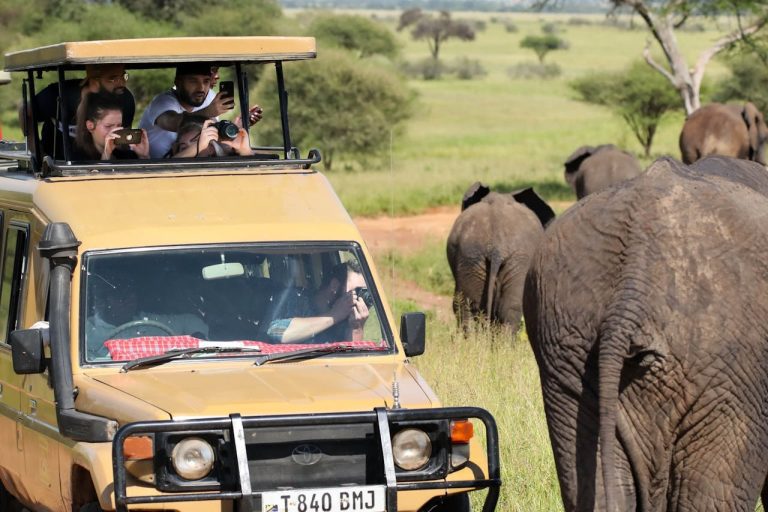
The vehicle costs the same whether it carries two people or six. That single fact explains most of the per person gap between a couple’s private trip and a group departure, and why a family of four or five often pays little extra to go private. Travellers who have done both often say a private vehicle mattered more to them than a room upgrade, because they controlled when to stop and how long to stay with a sighting.
Group trips have their own logic. Ask how many seats are sold per vehicle and whether everyone gets a window. The middle seats on a seven seat Land Cruiser are the ones people complain about after an eight hour drive.
Fly in packages trade one thing for another. You lose the long, dusty road days, but you also lose a single guide who knows what you have already seen; camp guides change with each camp and sometimes repeat the same talk.
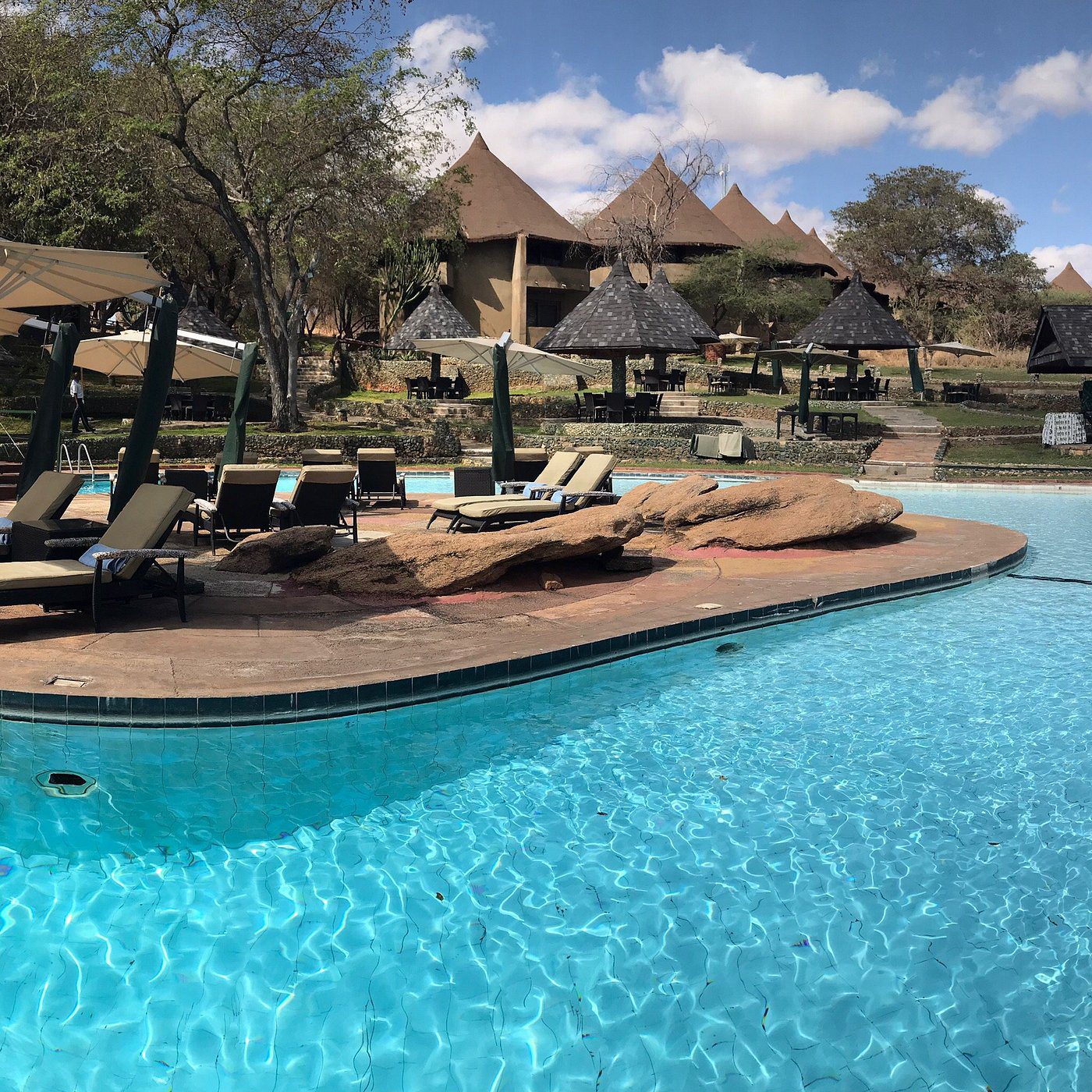
What is a tented camp night actually like? Closer to a hotel room than a tent: a proper bed, a canvas room on a platform, an en suite bathroom, often a bucket or solar shower, and solar lighting. Hyenas and hippos pass after dark, so staff walk you to your tent at night. Light sleepers bring earplugs. Our Tanzania budget camping safari guide covers the dome tent end of the scale.
Tanzania Safari Packages by Length: 3 to 15 Days
Package length decides which parks fit and how much of each day you spend driving rather than watching. Each length below links to the site’s day by day itinerary for that trip, so this page does not repeat them.
| Length | Parks that fit | Best for |
|---|---|---|
| 3 days | Tarangire, crater | A taster |
| 4 to 5 days | Adds Serengeti | Short trips |
| 6 to 7 days | Full north | First timers |
| 8 to 10 days | North, slower | Migration |
| 12 to 15 days | North, south, beach | Combinations |
A 3 day Tanzania safari covers Tarangire, Lake Manyara and the crater, or a fly in hop to the Serengeti. Step up to a 4 day safari or a 5 day Tanzania safari and the Serengeti comes in, though with only one or two nights there.
Six and seven days is the sweet spot for most people. The 6 day northern circuit runs Tarangire, Manyara, two Serengeti nights and the crater at a comfortable pace, and the 7 day Tanzania safari adds Lake Natron and Lake Eyasi for a less trodden loop.
From eight days up, the extra time goes into the Serengeti, which is where it pays off. The 8 day safari, 9 day safari and 10 day safari give three or four Serengeti nights, enough to base yourself near the herds in two different areas. Longer still, the 12 day north and south safari flies on to Ruaha and Nyerere, the 14 day safari swaps the end for gorilla trekking in Bwindi, and the 15 day safari and Zanzibar holiday finishes on the beach.
Shorter is not automatically cheaper per day. Arusha to the central Serengeti is a full day on the road, so a short package can spend a third of its time in transit. For a crater focused trip of one to four days, our Ngorongoro safari tours page compares the short formats.
Tanzania Safari Package Prices by Length and Style
Tanzania safari package prices start at about US$220 a day per person on a group camping trip and run past US$900 a day once you add luxury camps and a private vehicle, with park fees included in all of these. The figures below come from operator and lodge rate pages checked for our Tanzania safari cost guide, which lists the sources and the full park tariff. They are published prices for two or more sharing, not quotes.
| Length | From, per person | Style |
|---|---|---|
| 3 days | US$1,220 | Group lodge |
| 4 days | US$990 | Group camping |
| 5 days | US$1,967 | Private lodge |
| 6 days | US$2,400 | Group lodge |
| 7 days | US$2,401 | Private, six |
| 13 days | US$5,400 | With Zanzibar |
Group size moves the price more than anything else on a private trip. On the same 7 day Kilidove route in high season, two people pay US$3,585 each, four pay US$2,943 and six or more pay US$2,691. Season comes next: travelling in April or May trims about 8 percent off that rate and about a quarter off Gibbs Farm’s peak rate.
About US$650 to US$715 of a typical 7 day package is government park and crater fees, which no operator can discount. On top of the package you pay the visa (US$50, or US$100 on a US passport), US$44 of inbound insurance and tips. A shared Serengeti balloon flight is published at US$599, and a scheduled flight from Arusha to Seronera costs US$259 plus US$28 in taxes. For a line by line worked total, see the cost guide; for the top end, the Tanzania luxury safari cost page covers private camps.
Northern Circuit, Migration and Southern Safari Packages Compared
A northern circuit safari package is what most quotes describe. It leaves Arusha for Tarangire, known for big elephant herds in the dry months from June to October, then Lake Manyara, the crater and the Serengeti. Roads are good as far as the crater rim and rough after it. Most budget and mid range packages base their Serengeti nights around Seronera in the centre, which has resident lions and leopards all year.
A migration safari package is a northern circuit with its Serengeti nights moved to wherever the herds usually are that month: Ndutu for calving from about December to March, the Western Corridor around June, the far north for Mara River crossings from about July to October. It costs more because the camps in those spots are in demand and further from Arusha. Our great migration safari packages by month page matches each month to a package, and the great wildebeest migration guide explains the herd movements, which involve about 1.37 million wildebeest.
A southern safari package covers Nyerere National Park, with boat trips on the Rufiji and walking safaris, and Ruaha, with large lion prides and very few vehicles. Most visitors fly in from Dar es Salaam or Zanzibar. It suits second timers and anyone who dislikes queues at a sighting. A few specialist packages go further west to Mahale or Gombe for chimpanzee trekking, again by air.
Shorter crater and Tarangire packages exist too, often two or three days, and suit travellers coming off Kilimanjaro. The Ngorongoro Crater safari guide covers the descent rules and the best time of day on the floor.
A Typical Day on a Tanzania Safari Package
Most Tanzania safari tour days follow the animals’ clock. A wake up knock and coffee come at about 6am, and you are in the vehicle by half past, because the first two hours after dawn are when cats are moving and the light is soft. Some packages take a packed breakfast and stay out; others come back to camp mid morning.

The middle of the day is slow. Animals rest in the shade and so do you: lunch, a swim if the lodge has a pool, a sleep. Around 3pm or 4pm you go out again until the park closes at about 6pm or 6:30pm, then dinner and an early night. Full day drives with a picnic lunch are common in the Serengeti, where the distances are long.
Travel days look different. Moving from Tarangire to the Serengeti, or from the crater to the north, is a game drive with a destination, and it can take six to eight hours with stops. Ask how many of your days are travel days before you book. A good guide turns them into productive game drives; a rushed one turns them into transfers.
Safari and Beach, Kilimanjaro, Family and Honeymoon Package Combinations
The safari and Zanzibar package is the most common combination. Light aircraft link the Serengeti, Arusha and Zanzibar, so you can finish in the bush and fly straight to the coast. Choose the beach by tide: the east coast around Paje has big tidal ranges, while the north around Nungwi and Kendwa can be swum at most hours. Quieter beach extensions go to Pemba or Mafia island, the second known for whale sharks in season. The same inbound insurance policy covers Zanzibar, so you do not need a second one.
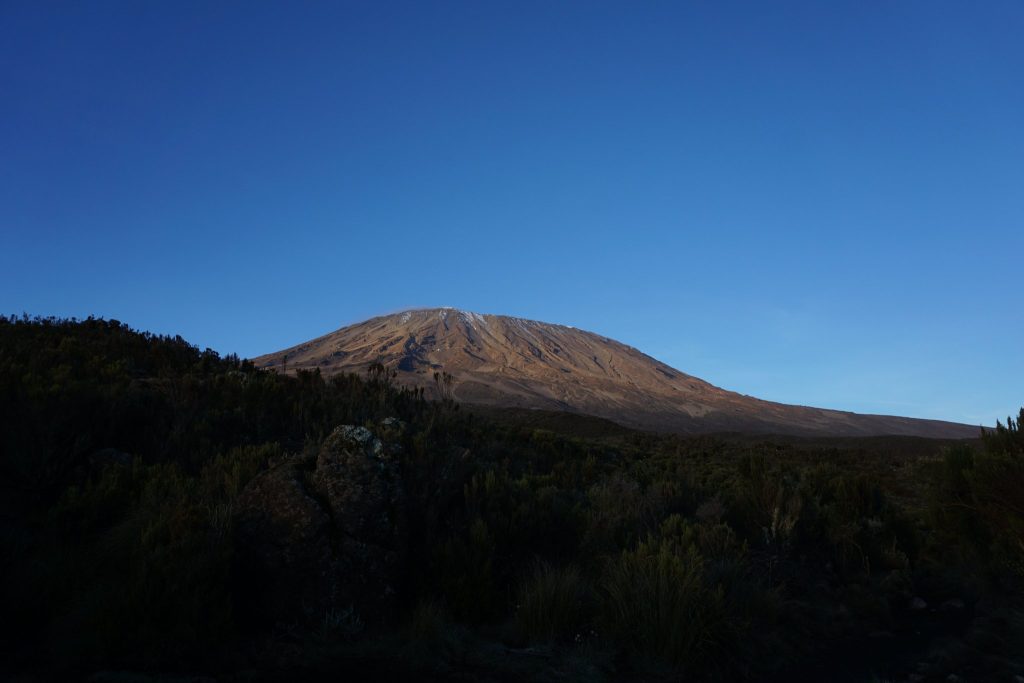
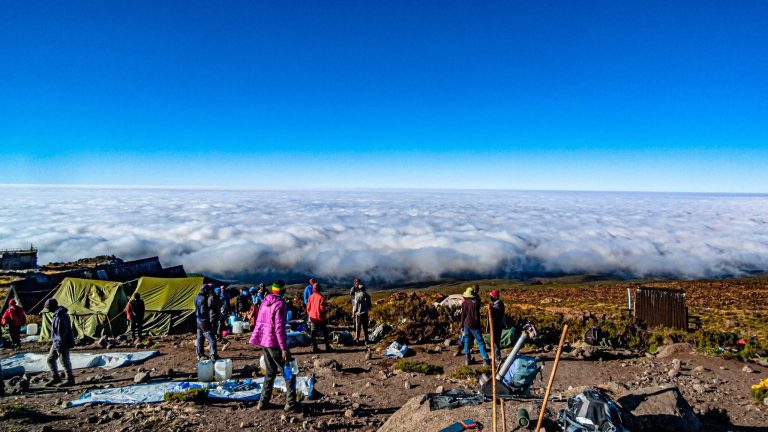
A Kilimanjaro climb and safari package puts the safari after the climb, so tired legs get a few days of sitting down. Our Kilimanjaro climb and safari page shows how the two join up, the Kilimanjaro trekking guide covers routes and days, and the cost to hike Kilimanjaro page covers the climbing fees.
Family safari packages usually shorten the road days, add a lodge with a pool and use private vehicles. Some camps and balloon operators set minimum ages, so read the family safari in Africa guide before booking. Honeymoon packages lean the other way, toward small camps, a balloon flight and a beach finish; the Tanzania honeymoon package guide builds one, and the Africa honeymoon safari guide pairs bush and beach options across the region. Our guide to the best African safari countries sets Tanzania beside Kenya, Botswana and the rest.
Culture, Balloon and Walking Add Ons in a Tanzania Safari Package
The hot air balloon safari over the Serengeti is the add on people ask about most. Flights launch at dawn over the central and northern plains, last about an hour, and end with a bush breakfast. Launch sites follow the herds through the year. Book it with the package, since seats run out in peak months.
Cultural visits fill the gaps between parks. A Maasai boma visit near the crater or on the road to the Serengeti shows a homestead, the cattle and the dances; agree the fee in writing first. Around Lake Eyasi, an early morning walk with Hadzabe hunters and a visit to Datoga blacksmiths is the most talked about cultural morning in the north. In the Karatu highlands, packages add coffee farm walks, lunch in the gardens at Gibbs Farm, or a visit to a local school. Olduvai Gorge, on the road west, has a small museum at one of the world’s key early human sites.
Walking safaris with an armed ranger are possible in the Serengeti, Tarangire, Nyerere and Ruaha, and on the Ngorongoro highlands, where the Empakaai crater hike is the standout. Part of every park fee you pay funds the parks themselves, and many packages include a community or conservation project visit if you ask.
What Makes Two Tanzania Safari Quotes Differ
Two quotes for “seven days, Serengeti and crater” can sit far apart, and the gap almost always traces back to a few choices.
Where you sleep, not just how well. A lodge inside the Serengeti pays a nightly concession fee on top of its room rate, while a lodge outside the gate does not. A cheaper quote may put you in Karatu and drive you two hours each way. That is fine for a crater morning and poor for Serengeti game drives.
Season. Lodges charge their top rates from June to October and over Christmas and New Year, when many also add a festive supplement and minimum stays. The long rains from late March to May bring the lowest rates and some closed camps.
Vehicle and guide. Older vehicles break down more, and that cost turns up as lost hours rather than on the invoice. Guide quality is the most common complaint in trip reports, and it varies more than lodges do. A cheap quote may also mean a driver rather than a trained guide.
Fees and VAT. TANAPA now publishes park fees in Tanzanian shillings, and VAT is added on top. Operators convert at different rates and some quote fees before VAT, so the same park day can appear as different amounts. The Ngorongoro Crater descent is charged per vehicle, which makes it heavy for a couple and light for a group of six.
Who you book with. Local Arusha operators sell direct. International agents and escorted tour brands usually buy from a local ground handler and add their own margin, which can pay for financial protection, a tour leader and a single contact at home. Neither is wrong, but you should know which you are paying for.
Trip reports describe the same pattern: the bargain quote turned out to be a shared vehicle, a camp far outside the park and fees “payable locally”.
How to Compare Tanzania Safari Package Quotes Line by Line
Lay the quotes side by side and ask each operator the same questions. Good companies answer in writing.
Then compare the daily rhythm, not just the total. Two days of eight hour drives can hide inside a package that looks generous on nights. If a route squeezes the Serengeti into one night, a good operator should say so rather than quietly pricing it.
Tailor Made or Fixed Departure Safari Packages: Deposits, Payment and Cancellation
Most packages you see online are sample itineraries. A tailor made safari package starts from one of them and changes the dates, lodges, length and pace to suit you, and the price is recalculated each time. A fixed departure runs on set dates with a set route, and the price only moves with the room type. Neither is ready to book until the operator has confirmed live availability at every lodge, so treat any “from” price as a starting point.
The terms follow a common pattern. A deposit secures the lodges at booking, the balance falls due some weeks or months before travel, and the cancellation charge rises as the date gets closer, sometimes to the full price in the last weeks. Escorted tour brands publish the scale; local operators set it in the contract, so ask for it before you pay. Ask too what happens if the park authority raises a fee after you have paid in full.
Travel insurance that covers cancellation is worth buying when you pay the deposit, not later. Some overseas tour companies sell their own protection plan; compare it with a standalone policy before you take it. Pay by card or bank transfer to the company itself, never to a personal account.
Choosing and Booking a Tanzania Safari Operator
Booking a Tanzania safari tour usually starts with an email or a WhatsApp message to three or four operators. Many Tanzanian companies prefer WhatsApp, but you can ask to keep everything on email so the paper trail is in one place.
Check that the operator holds a current Tanzanian tour operator licence and ask for the number. There is no reliable public lookup, so the practical checks are the licence copy, membership of the Tanzania Association of Tour Operators, which requires a licence, and a company name that matches the contract and the bank account. Membership is voluntary, so a missing listing is a question to ask rather than proof of a problem.
Book early for July to September and for February: the best camps near the herds fill nine to twelve months ahead. Do it yourself is hard in Tanzania, with park fees paid electronically and few self drive vehicles, so a package is how almost everyone goes.
Passports, Visas, Health and Luggage for a Tanzania Safari Package
Your passport needs at least six months of validity and blank pages for the visa. Most nationalities buy the Tanzania tourist visa online before travel or on arrival; our East Africa tourist visa page covers the options, including trips that cross into Kenya, Uganda or Rwanda. A yellow fever certificate is required if you arrive from a country with yellow fever risk, including a stopover of more than a few hours, which matters if your package adds Kenya or Uganda first.
Malaria is present in most of Tanzania’s safari areas all year, so talk to a travel clinic about tablets and pack a strong repellent. The Ngorongoro rim sits at about 2,300 metres, cold at dawn but not high enough to cause altitude trouble for most people. Long road days and dust are harder on people with back or breathing problems than the altitude is, so mention any health issue when you book.
Pack for the package you choose. Fly in trips need a soft bag of about 15 kg; see our safari duffel bag guide. The roads past the crater are dusty, so a cover for your camera and the advice in what to wear on safari and the African safari packing list help, along with decent binoculars for safari.
Adding Gorilla Trekking to a Tanzania Safari Package
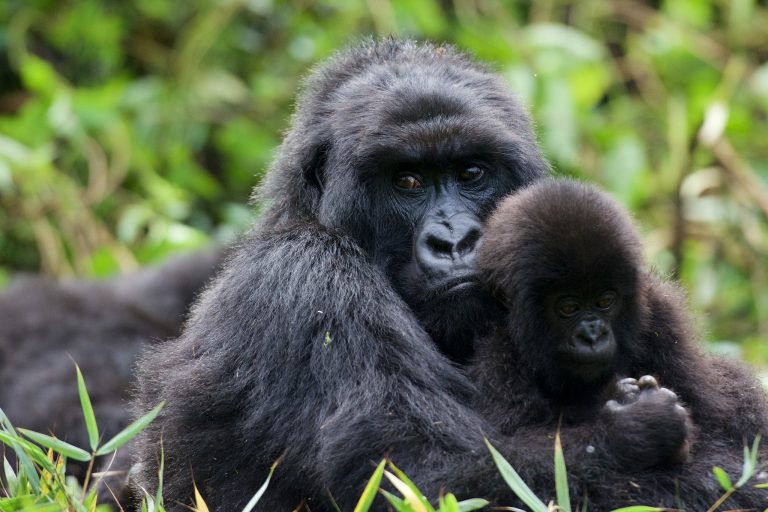
Tanzania has no mountain gorillas, but Bwindi in Uganda and Volcanoes National Park in Rwanda are a short flight from Kilimanjaro or Arusha via Entebbe or Kigali. Many travellers add three or four days of gorilla trekking in Bwindi before or after the Serengeti. Our Tanzania safari and gorilla trekking guide sets out the flight routes and sample trips, and the gorilla permits page explains how permits are booked. Permits sell out in peak months, so secure them before you fix the safari dates. The minimum trekking age is 15.
Tanzania Safari Packages FAQ
How much do Tanzania safari packages cost per person?
Published packages run from about US$220 to US$460 per person per day on camping trips and US$340 to US$515 on private mid range lodge safaris, park fees included, while luxury days rarely fall below about US$900. In package terms, a 4 day group camping trip starts at about US$990, a 7 day private mid range northern circuit at US$2,401 to US$3,585 depending on group size and season, and a 13 day safari with Zanzibar at about US$5,400. These are operator rate cards, not fixed prices, and exclude international flights, visas and tips. Our Tanzania safari cost guide shows the sources and a worked total.
Which park fees should a Tanzania safari package quote include?
TANAPA’s Serengeti entry for a non resident adult is published in shillings and matches the earlier US$70 per 24 hours, about US$82.60 once 18 percent VAT is added, or US$70.80 from mid March to mid May, with a nightly concession fee on top for sleeping inside the park. Tarangire and Lake Manyara cost less per day. The Ngorongoro authority charges US$70.80 per adult per 24 hours and a crater service fee of US$295 per vehicle per descent. Our Serengeti safari cost page lists the full tariff. Confirm current fees with your operator, since both authorities revise them.
What costs sit outside most safari packages?
The Tanzania tourist visa costs US$50 for most nationalities and US$100 for US citizens. The government inbound travel insurance is US$44 per person and covers the mainland and Zanzibar. Operators suggest tips of about US$15 to US$20 per person per day in total. A shared balloon flight over the Serengeti is published at US$599 per person, and a scheduled light aircraft seat from Arusha to Seronera costs US$259 plus taxes one way.
How many days should a first Tanzania safari package be?
Six or seven days covers Tarangire, the crater and at least two Serengeti nights without rushing. Five days works if time is short. If the migration is the goal, eight days or more lets you base yourself near the herds.
Is a group safari package worth it, or should we go private?
A group package is the cheapest way to see the same parks, and it suits solo travellers. You give up control of start times and stops. Couples who care about photography, and any party of four or more, usually find private worth it.
When is the best month to book a Tanzania safari tour?
June to October brings dry roads, easy game viewing and Mara River crossings in the north. January and February bring calving at Ndutu. April and May are wet but quiet and cheaper. The best time to visit Tanzania guide goes month by month.
Are the itineraries on operator websites ready to book?
Usually not as they stand. Most are sample routes that the operator adjusts to your dates, lodges and pace, then prices again. Nothing is confirmed until every lodge has been checked for availability and you have the quote in writing.
How do I know a Tanzania safari operator is genuine?
Ask for its tour operator licence number and a copy, check whether it is a member of the Tanzania Association of Tour Operators, and make sure the company name on the contract matches the bank account. Read recent reviews that name guides and vehicles. Be wary of a price far below the others with no clear reason.
Can a safari package include Zanzibar and gorilla trekking?
Yes. Light aircraft link the Serengeti and Arusha with Zanzibar, and flights via Entebbe or Kigali link Tanzania with Bwindi or Volcanoes National Park. One operator can arrange all of it, or you can book the gorilla section with a Uganda or Rwanda company.
What luggage is allowed on a fly in safari package?
Light aircraft usually allow about 15 kg per person, including hand luggage, in a soft bag with no wheels or frame. Most lodges and Arusha hotels will store a suitcase until you return.