A 5 day Tanzania safari fits the three big northern names into one loop from Arusha: a day in Tarangire, two nights in the central Serengeti and a dawn game drive in the Ngorongoro Crater. Most people book it as a private road safari in a 4×4, sleeping in lodges, tented camps or campsites, and some fly back from the Serengeti to skip the return drive. It is the shortest trip that gives the Serengeti a full day.
The 5 Day Tanzania Safari Route at a Glance
Five days is the point where a northern Tanzania safari stops feeling like a dash. The extra night goes to the Serengeti, which means one whole day in the park with no transfer at either end. That single change is why so many operators and returning travellers call five days the sensible minimum. Our 4 day Tanzania safari page covers the tighter versions if you only have four, and the Serengeti safari cost guide explains the park fees behind those nights.
The plan assumes you reached Arusha the evening before, which almost everyone does. Ask whether your quote counts that hotel night, because most do not. Some operators sell the same trip with an arrival day as day one, which leaves four days on safari and drops either Tarangire or the second Serengeti night.
Day 1: Tarangire Elephant Safari and a Night in the Karatu Highlands
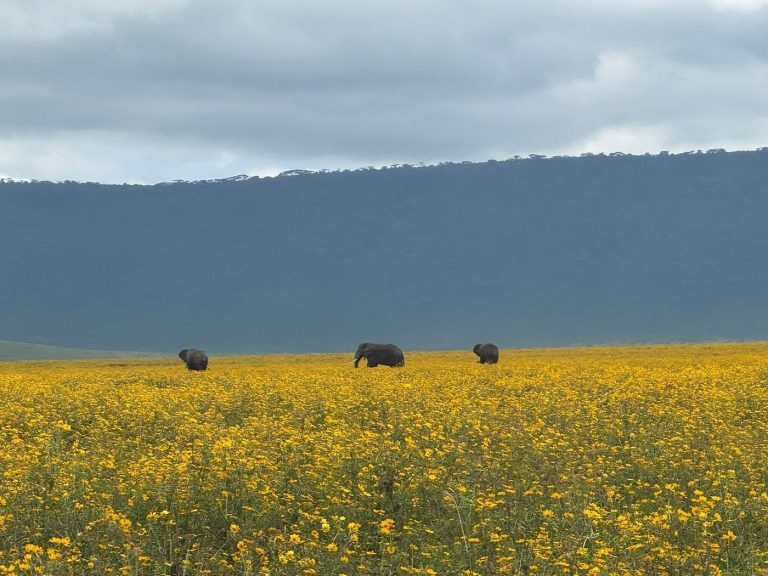
Your driver guide collects you from the Arusha hotel after breakfast, usually around 7.30, runs through the plan and heads west on good tarmac. About two to two and a half hours later you reach the gate of Tarangire National Park, and the Tarangire elephant safari starts almost at once. The park covers roughly 2,850 square kilometres, and in the dry months elephant herds walk the Tarangire River in numbers that surprise people who came for the Serengeti.
Baobab trees are the other signature. Some are hollowed by elephants, some hold barn owls or nesting hornbills. Lions rest under them through the heat of the day, giraffes and zebras browse between them, and on a quiet loop your guide may find a leopard or a python in the branches. If time allows, the southern loop towards the Silale Swamp holds buffalo and more elephants with far fewer vehicles than the river circuit.
Lunch is a picnic at a site overlooking the river, where vervet monkeys watch every bag. You leave the park mid afternoon and drive about ninety minutes up past Mto wa Mbu and Lake Manyara to Karatu, a farming town among coffee estates on the edge of the Ngorongoro highlands. Lodges here range from simple guesthouses to coffee farm lodges with pools, and the nights are cool enough for a fleece.

Day 2: Olduvai Gorge and the Road Into the Serengeti Safari
Day two is the long one, so expect to leave Karatu soon after breakfast. The road climbs through the forest of the Ngorongoro Conservation Area to the crater rim viewpoint, where the caldera opens below you if the morning fog has lifted, then drops west across open grass dotted with Maasai bomas and herds of cattle.
Most guides stop at Olduvai Gorge, where Louis and Mary Leakey’s finds of early human fossils made the site famous. The small museum and the talk at the overlook take under an hour and break the drive well. From there the plains flatten out towards Naabi Hill gate, where your guide handles the park paperwork while you climb the hill for the view and a picnic lunch.
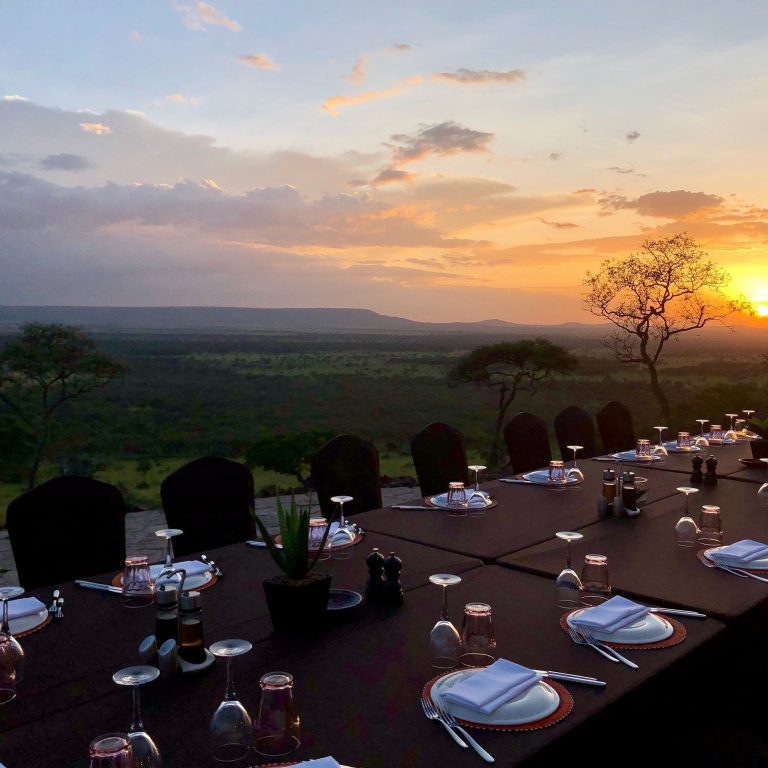
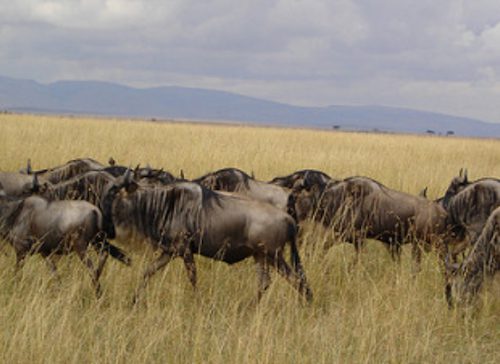
The Serengeti safari begins the moment you pass the gate. Between December and March the short grass plains here can hold huge numbers of wildebeest and zebra; at other times you will see gazelles, ostriches and hyenas on the way to the Seronera area in the centre of the park. Game viewing on the drive in counts as your first game drive, and you reach camp in the late afternoon. Central Serengeti stays range from public campsites to tented camps and lodges, several unfenced, so animals may walk past at night and staff escort you after dark.
Day 3: A Full Serengeti Game Drive Day Around Seronera
This is the day the fifth night buys. No transfer, no packing, and you can be out at first light when predators are most active. A full Serengeti game drive day usually runs as a dawn drive, back to camp or a bush breakfast, a midday rest, and a second drive from mid afternoon until the park’s evening cut off.
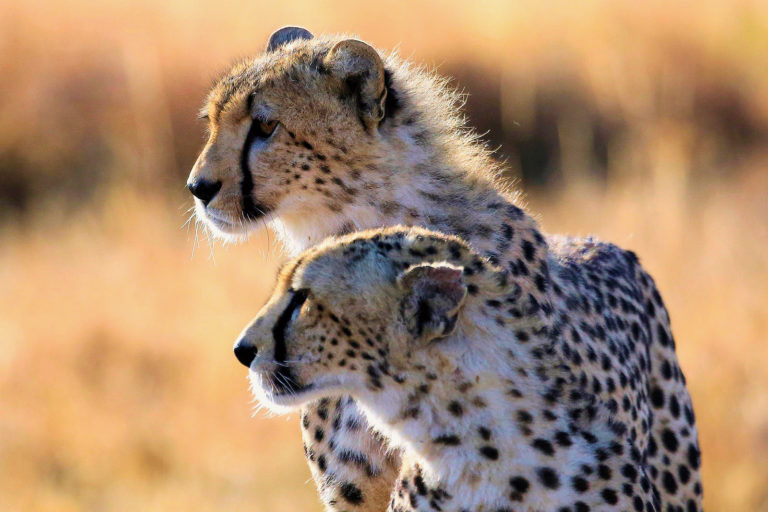
The Seronera valley is known for resident wildlife whatever the month. Lions are seen most days, often on the granite kopjes such as the Maasai and Simba kopjes, where outcrops give shade and rainwater pools. Leopards rest in the sausage and acacia trees along the Seronera River, and spotting one is a guide’s pride. Cheetahs hunt the open plains to the south and east. Hippos crowd the river pools, and topi, kongoni, buffalo, elephants and giraffes fill the gaps.
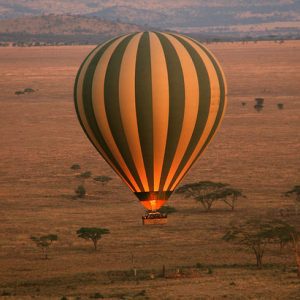
An optional Serengeti balloon safari lifts off at dawn from launch sites near Seronera, floats for about an hour above the plains and lands for a breakfast in the bush. Pickup comes before 5am, the route depends on the wind, and it needs booking well ahead. It replaces your morning drive. Without it, many guides take a picnic and stay out all day, which suits photographers and anyone who would rather wait at a sighting than return to camp. The Serengeti visitor centre at Seronera, with its displays and a short kopje walk, fills a midday hour if you stay close.
Some honesty helps here. Long hours in the vehicle can feel slow when sightings are quiet. Trip reports often say the sighting that made the trip came late on an afternoon when the group nearly turned back, so patience pays.

Day 4: Serengeti Morning Game Drive and the Climb to the Crater Rim
An early Serengeti morning game drive gives the park one last chance, often around the river or the kopjes your guide has been watching. Afterwards you pack and head back east through Naabi Hill gate, with game viewing across the plains on the way, and eat lunch at the gate or on the road.
The afternoon climb returns you to the Ngorongoro highlands, roughly three to four hours from Seronera in all. Where you sleep sets up tomorrow. A lodge on the crater rim puts you minutes from the descent road and gives a sunset view over the caldera, but the rim sits at over 2,200 m and nights are cold, so bring warm layers. A lodge back in Karatu costs less and adds about an hour to the morning drive. Either way, dinner is early, because the crater is best at gate opening.

Day 5: Ngorongoro Crater Safari at Gate Opening, Then Arusha
The Ngorongoro Crater safari starts with a descent of about 600 m down a steep, rough road to the floor of the caldera, a UNESCO World Heritage Site. Going down as the gates open gives you the quietest hours, because the crater fills with vehicles by mid morning. Time on the crater floor is limited to around six hours, which is plenty for one long game drive.
Because water and grass last all year, game stays on the floor in every season. Lions and spotted hyenas are seen on most visits, buffalo and wildebeest graze in large herds, and hippos wallow at the pools. The crater is the most reliable place on the northern circuit for black rhino, usually seen at a distance on the open grass, so binoculars matter. A rhino lying down can look like a rock for half an hour; waiting for it to stand is often worth it. Flamingos gather on the soda lake, Lake Magadi, when water levels suit them, and old bull elephants feed in the Lerai Forest.
Lunch is a picnic at the Ngoitokitok spring, where hippos sit in the water and black kites swoop on unguarded sandwiches, so eat inside the vehicle. You climb out in the early afternoon and drive about three and a half hours back to Arusha, often with a stop at a curio shop where prices are open to polite bargaining, arriving in time for an evening flight from Kilimanjaro airport or one more night in town.
Drive Times on a Five Day Northern Circuit Safari
Distances on the northern circuit look small on a map, yet gravel, speed limits and game viewing stretch them. These typical times leave out long stops at sightings.
| Leg | Day | Typical time |
|---|---|---|
| Arusha to Tarangire | 1 | 2 to 2.5 hours |
| Tarangire to Karatu | 1 | About 1.5 hours |
| Karatu to Naabi Hill | 2 | About 3 hours |
| Naabi to Seronera | 2 | 1 to 1.5 hours |
| Seronera to crater rim | 4 | 3 to 4 hours |
| Crater rim to Arusha | 5 | About 3.5 hours |
Day two is the heaviest, with Olduvai and game viewing filling most of the daylight. The gravel from the crater highlands to Seronera is corrugated and dusty, which guides jokingly call the African massage; a scarf and sunglasses help. Day three, by contrast, has no transfer at all, and that balance is what makes five days work. Every operator stresses that these times are estimates, since rain, roadworks and a lion on the road all change them.
A Typical Day on a Five Day Safari Tour
People new to safari often ask what the hours actually look like. Here is the shape of an ordinary safari tour day in the Serengeti, which the other days follow loosely.
On a private safari you can stretch or shrink any of this. Leaving out the midday rest and taking a picnic is the most common change, and an early night before the crater is the one nobody regrets.
Other Ways to Plan a 5 Day Tanzania Safari Tour
Operators sell several other shapes for the same five days. Each trades something against the classic loop above.
For longer plans, the 6 day safari adds Lake Manyara, the 7 day safari loops through Lake Natron, the 8 day Tanzania safari gives the Serengeti three nights, and the 10 day Tanzania safari reaches the far north. With only a weekend, see the 3 day safari routes.
Five Day Migration Safari: River Crossings or the Calving Season
The great wildebeest migration reshapes a five day migration safari depending on the month. From roughly December to March the herds calve on the short grass plains around Ndutu, in the south of the ecosystem. Base the two Serengeti nights there instead of Seronera and the drive on days two and four gets shorter, while lion, cheetah and hyena gather around the new calves. Ndutu sits partly inside the Ngorongoro Conservation Area, where guides may drive off road, which helps at a kill.
From about July to October the herds are at the Mara River in the far north, too far for a road based five day trip. The usual answer is to fly from Arusha to Kogatende, spend three nights at a northern camp with full days at the river, and fly back via the crater or straight home. Crossings cannot be booked. Herds mass on the bank for hours and sometimes turn away, so a guide who knows when to wait and when to move on matters more than the lodge. Travellers who only have five days and no flight budget are often happier skipping the crossings and enjoying the resident game in the centre.
Budget, Luxury and Cultural Five Day Safari Tours
A budget five day safari keeps costs down by using public campsites with a cook, or by swapping the Serengeti for cheaper parks. One popular version spends day one in Arusha National Park with a walking safari among giraffe and buffalo, day two in the Chagga villages around Materuni with a coffee tour and a short waterfall walk, then the Chemka hot springs for a swim, before Tarangire, Lake Manyara and the crater fill the last three days. Our budget camping safari page covers the campsite version in detail.
At the other end, a luxury fly in safari uses light aircraft for every long leg: Arusha to a Serengeti airstrip for two or three nights in a small tented camp, then a flight to Manyara airstrip and the road to a rim lodge for the crater. Some versions end on Zanzibar instead, with a direct flight from the Serengeti to the island. Driving time falls to about an hour a day.
The cultural tour option suits travellers who want people as much as animals. Day one runs to Mto wa Mbu for a village walk among banana groves, day two to Lake Eyasi, where Hadzabe hunters still go out at dawn with bows and Datoga smiths turn scrap metal into arrowheads and jewellery, and the last days add a Maasai homestead visit, the crater and Lake Manyara. Ask how each visit is arranged and who it pays, and expect to bargain politely for crafts.
Wildlife and the Big Five on a Five Day Safari
Five days across three habitats gives a wide spread. On the classic route most travellers see elephant, lion, buffalo, hippo, giraffe, zebra, wildebeest, Thomson’s and Grant’s gazelle, impala, topi, warthog, baboons and spotted hyena, plus ostrich, secretary birds and kori bustards on the plains. Cheetah are seen most often on the open Serengeti grass. Leopard turn up along the Seronera River and in Tarangire, though never on cue.
All of the Big Five are possible in five days, and rhino in the crater is the piece that makes it realistic. Most people tick four. Nobody can promise a leopard.
Timing a 5 Day Safari Around the Seasons and the Migration
Tarangire, the central Serengeti and the crater all hold game year round, so a five day safari works in every month. What changes is the crowd level, the road conditions and where the herds happen to be.
From June to October the bush is dry and thin, animals gather at water and Tarangire is at its best. It is also the busiest time, with the most vehicles at crater sightings. December to March brings short rains, green grass and the calving season around Ndutu, which is close enough to this route to reach in the same five days. April and May are the long rains, with the lowest lodge rates, muddy tracks and some camps closed. November is a quiet shoulder month as the herds move south.
Our great wildebeest migration guide follows the herds month by month, and best time to visit Tanzania covers the weather. Park by park detail sits in the Serengeti safari and Ngorongoro Crater safari guides, and the Ngorongoro safari tours page covers shorter crater trips.

Where You Sleep on a Five Day Safari: Camps, Lodges and the Crater Rim
Four nights usually split as one in Karatu, two in the central Serengeti and one on the crater rim or back in Karatu. Operators quote three broad tiers. Budget trips use campsites with dome tents or simple lodges outside the parks. Mid range trips use permanent tented camps inside the Serengeti and farm lodges in Karatu. Luxury trips add small camps with private guiding and lodges on the crater rim with views straight into the caldera.
Staying inside the Serengeti matters more than the tier, because a camp outside the boundary adds an hour or more of driving to every game drive. Lodges inside the Ngorongoro Conservation Area, on the rim, carry an extra conservation fee per person per night, which is why some quotes look higher for the same trip. Out in the bush, electricity often comes from solar or a generator, so hot water and charging can be patchy and the plug may only work in the main tent. If you care about specific lodges, ask for the names before you pay; several travellers say they swapped one or two and were glad they did.
What a 5 Day Safari Package Includes and Leaves Out
Most five day Tanzania safari packages are built the same way, so comparing quotes gets easier once you know the usual lines.
Lodge tier changes the trip more than any other choice, followed by group size and season. Actual figures are in the FAQ below and in our Tanzania safari cost guide.
Adding Zanzibar, Kilimanjaro or Gorilla Trekking to Five Days
Five days on safari pairs well with something else. Flights from Arusha reach Zanzibar in about an hour, so a beach stay after the crater is simple; the 15 day Tanzania safari and Zanzibar plan shows a longer version, and Pemba and Mafia islands are quieter choices. Climbers often book the safari after a Kilimanjaro trek, since the start point is the same. Travellers weighing Kenya instead can compare a 5 day Kenya safari through the Mara, Nakuru and Amboseli.
Gorillas are the other big addition. Tanzania has none, but Uganda’s Bwindi Impenetrable National Park holds close to half the world’s mountain gorillas and is a short flight away via Entebbe or Kigali. Our guide to combining a Tanzania safari and gorilla trekking lays out the routing, gorilla trekking in Bwindi explains the trek itself, and the permit rules sit on our Uganda gorilla permits page. Book the permit first and fit the safari around it.
Before You Book: Arrival, Paperwork, Packing and Choosing an Operator
Fly into Kilimanjaro International Airport, about an hour from Arusha, and plan to land the day before the safari starts. Most nationalities buy a Tanzania visa online before travel, which avoids the long queue when several flights land together; our East Africa tourist visa page has the detail. Mainland Tanzania and Zanzibar both now require a mandatory inbound travel insurance policy bought online, and one policy covers both. Keep your own travel insurance too, with medical evacuation cover, and a passport with at least six months of validity. At the latest check the US State Department rated Tanzania at Level 2, Exercise Increased Caution, mostly over crime in towns.
Malaria is present across the northern parks, though the crater rim is too cold for many mosquitoes, so speak to a travel clinic and pack repellent. Bring clean, recent US dollar notes for tips and extras, since exchange desks often turn down old or torn ones and there are no cash machines once you leave Arusha. Some lodges do not take cards.
Pack neutral colours, since dark blue and black attract tsetse flies in Tarangire and parts of the Serengeti, a warm fleece for the rim and dawn drives, a scarf for dust, binoculars, a sun hat, sunscreen and one soft bag per person, because vehicles have little luggage space. Safari vehicles rarely have air conditioning, though many have charging points. Coffee lovers sometimes bring their own, since camp coffee is often instant. Our African safari packing list goes item by item.
When comparing operators, you can book direct with a licensed company in Arusha or through an agent at home who uses one. Check licensing, the age of the vehicles and who your guide will be, and read recent reviews about guiding rather than lodges. Our guide to choosing a Tanzania safari company covers the checks, and the Tanzania safari companies page is a good starting point.
5 Day Tanzania Safari FAQ
How much does a 5 day Tanzania safari cost?
Published operator prices for the northern circuit run per person per day, two sharing, park fees included: about US$250 to US$400 for budget camping or group trips, US$450 to US$800 for a mid range private lodge safari, and from about US$900 upward at luxury camps. Over five days that is roughly US$1,250 to US$2,000 per person on a budget, US$2,250 to US$4,000 mid range and US$4,500 upward for luxury, before flights, visas and tips. Solo travellers usually pay a single supplement, groups of four to six pay less per head in a private vehicle, April and May are the cheapest months, and July to September and the festive season the dearest. Many operators charge children a reduced rate. These are market ranges, so ask for an itemised quote and see our Tanzania safari cost guide.
Which park and crater fees are inside a 5 day safari price?
Tanzania National Parks lists non resident adult entry at TZS 178,850 per 24 hours for the Serengeti, about US$70, and TZS 127,750 for Tarangire, about US$50, with operators often adding 18 percent VAT. With VAT, Serengeti entry comes to US$82.60 in the high season and US$70.80 from mid March to mid May. The Ngorongoro Conservation Area charges US$70.80 per adult per 24 hours, which you pay crossing to and from the Serengeti too, plus a crater fee of US$295 per vehicle per descent and US$59 per adult per night at rim lodges. Confirm current tariffs with your operator.
What do the balloon flight, visa, insurance and tips add?
Shared Serengeti balloon flights are published at about US$599 to US$700 per person with breakfast. The tourist visa is US$50 for most nationalities and US$100 for US citizens, and the mandatory inbound insurance costs US$44 per adult for up to 92 days, one policy covering both the mainland and Zanzibar. Common guidance for tipping your driver guide is US$20 to US$30 per vehicle per day. A one way flight from Seronera to Arusha usually costs US$300 to US$500 per person.
Is 5 days enough for a Tanzania safari?
For a first safari, yes. Five days gives Tarangire, a full Serengeti day and the crater without constant packing. People who want the Mara River crossings by road or a slower pace usually need eight to ten days.
Will I see the Big Five on a 5 day safari?
Lions, elephants and buffalo are very likely. Black rhino is most often seen in the Ngorongoro Crater, usually at a distance, and leopards turn up along the Seronera River and in Tarangire. All five is possible but never guaranteed.
How many hours a day will I spend in the vehicle?
Most days run from about 7am to 5pm with a lunch break, and game drives are time in the vehicle too. Day two is the longest, at seven or eight hours with stops. Day three has no transfer, and the pop up roof lets you stand and stretch.
How much luggage can I bring?
On a road safari, one medium soft bag per person plus a day pack is the polite limit, since four to six people share the vehicle. Fly in versions hold you to soft bags of about 15 to 20 kg. Many Arusha hotels will hold extra luggage while you are on safari; ask when you book.
Is Tanzania safe for a 5 day safari?
At the latest check the US State Department rated Tanzania at Level 2, Exercise Increased Caution, mainly over crime in towns. On safari you travel with a guide and stay in staffed camps, so the usual precautions are about Arusha and Zanzibar: keep valuables out of sight and use operator transfers after dark.
Is a 5 day safari suitable for children and older travellers?
Game drives need little fitness, but rough gravel days are tiring. A private vehicle lets you stop when needed, and older travellers may prefer the fly back version. Some camps and balloon operators set minimum ages, and our family safari in Africa guide has more.
Private or group safari for five days?
A private safari lets you set the pace, leave at dawn and stay at a sighting. Group departures cost less but follow a fixed timetable and a shared window seat. On a short trip, control over timing is usually worth paying for if the budget allows.
Can a 5 day safari start from Zanzibar?
Yes. Light aircraft fly from Zanzibar to Arusha and to Serengeti airstrips, and several operators run fly in versions that start and end on the island. You lose some time to flights, so drop Tarangire and focus on the Serengeti and the crater.